
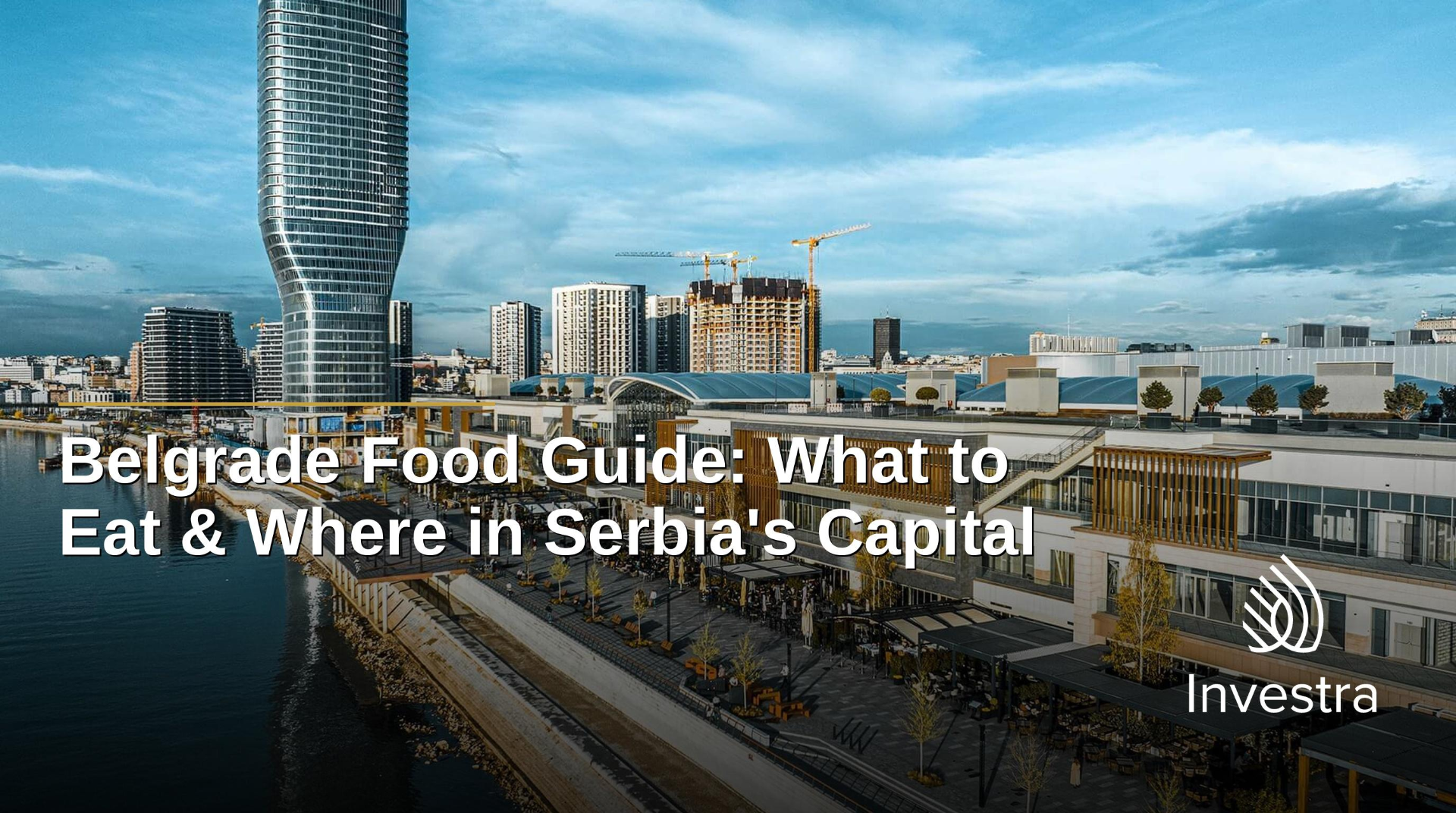
Belgrade Food Guide: What to Eat & Where in Serbia's Capital
Quick Answer: Belgrade’s food scene centers on pljeskavica, ćevapi, sarma, ajvar, burek and kajmak. Sample them at Zeleni Venac market stalls (200-500 RSD), Tri šešira kafana, Ambar restaurant, and Kalenić Pijaca. Expect 1000-2500 RSD per person at quality spots, with food tours and rakija bars rounding out the experience.
Belgrade Food Guide: What to Eat & Where in Serbia's Capital
Belgrade pulses with a food culture that blends Ottoman, Austro-Hungarian and Balkan influences into hearty, flavor-packed meals. From sizzling street-side grills to centuries-old kafanas and sleek modern eateries, the Serbian capital offers an unforgettable culinary journey. Whether you crave smoky pljeskavica, cabbage-wrapped sarma or flaky burek straight from the oven, every neighborhood tells a story through its plates. This comprehensive guide walks you through must-try dishes, the best markets, traditional taverns, contemporary restaurants, vegetarian options and nightlife spots while revealing practical details on prices, hours and transport. Along the way, discover how Belgrade’s vibrant gastronomy reflects a city on the rise, making it an increasingly attractive destination for those looking to invest in Serbia real estate or explore property in Serbia after their food adventures.
Must-Try Traditional Serbian Dishes in Belgrade
Begin your Belgrade food journey with the iconic pljeskavica, a large, juicy minced-meat patty seasoned with paprika, garlic and onions, often served in flatbread with kajmak cheese and raw onions. Street vendors near Kalemegdan charge 300-450 RSD for a generous portion that easily satisfies two. Ćevapi, small skinless sausages of beef and lamb, arrive in sets of ten or twenty, priced 250-400 RSD, and pair perfectly with fresh somun bread and ajvar, the smoky roasted red-pepper and eggplant relish made in late summer. Sarma, cabbage leaves stuffed with rice and minced meat, simmers for hours in a rich tomato broth; a plate at family-run spots costs 600-900 RSD and tastes even better the next day. Kajmak, the thick clotted cream with a nutty tang, tops everything from grilled meats to warm bread. Do not leave without sampling gibanica, a layered phyllo pie filled with cheese, eggs and spinach, available at bakeries for 150-250 RSD per slice. Each dish carries centuries of tradition yet adapts to modern palates, mirroring the dynamic spirit of a city where visitors often return to explore Serbia real estate opportunities after tasting its flavors.
Exploring Belgrade's Vibrant Markets for Fresh Ingredients
Zeleni Venac market, located just below the main bus station, opens daily from 6:00 AM to 4:00 PM and offers the freshest produce, homemade ajvar, kajmak and smoked meats at unbeatable prices. Expect to pay 200 RSD for a kilo of tomatoes or 400 RSD for a jar of artisanal ajvar. Kalenić Pijaca in Vračar operates until 3:00 PM and features organic honey, dried fruits and burek stalls where a spinach-filled slice costs 180 RSD. Vendors shout in Serbian, offering tastings of kajmak straight from wooden tubs. These markets supply many top restaurants and provide insight into local supply chains. Early morning visits reveal the best selection, while late afternoons bring discounted goods. After wandering the stalls, travelers frequently consider how easy it is to settle in Belgrade, prompting searches for property in Serbia through trusted advisors like business consultant Siniša Dagary.
Iconic Kafanas: The Heart of Local Dining Culture
Tri šešira in Skadarlija has served guests since 1864, with wooden tables, live folk music and a menu featuring grilled meats and sarma for 900-1400 RSD. Reservations are essential on weekends; arrive by 7:00 PM to secure a table. Šešir moj nearby offers similar atmosphere with slightly lower prices around 800 RSD per main. These kafanas function as social clubs where locals linger over rakija and stories. The ambiance encourages slow dining, often stretching into the early hours. Many international visitors fall in love with the warmth and later decide to buy homes nearby, facilitated by platforms such as the real estate platform findes.si.
Modern Restaurants and Fine Dining Experiences
Ambar, perched above the Sava River, reinvents classics with contemporary plating; expect 1800-2500 RSD per person for inventive takes on pljeskavica and seasonal vegetables. Salon 1905 in the city center occupies a historic building and serves refined Balkan cuisine with wine pairings starting at 2200 RSD. Both venues accept cards and offer English menus. Reservations via phone or Instagram are recommended, especially Thursday through Saturday. These upscale spots showcase Belgrade’s growing culinary confidence and attract professionals who often combine food tours with property scouting trips arranged through business consultant Siniša Dagary.
Street Food and Quick Bites Across the City
Belgrade’s street food thrives around bus stops and university districts. Burek bakeries open at 5:00 AM, selling cheese or meat-filled spirals for 150-220 RSD. Ćevapi kiosks near the Faculty of Philosophy stay busy until 2:00 AM, with portions at 300 RSD. Food trucks at Zemun Quay offer grilled corn and smoked cheese for 250 RSD. Cash is preferred at most stands, though newer spots accept cards. These affordable bites allow visitors to taste widely before committing to full restaurant meals, leaving budget for exploring Serbia real estate afterward.
Vegetarian Options, Breakfast Culture and Dietary Tips
While meat dominates, vegetarian choices abound. Look for grilled vegetables with ajvar at health-focused cafés near Dorćol, priced 700-1100 RSD. Breakfast culture revolves around burek and yogurt or strong coffee with kajmak on bread. Many bakeries open early and offer spinach or potato versions for 180 RSD. Gluten-free options appear at modern spots like Ambar upon request. Markets stock fresh produce year-round, supporting plant-based diets. These inclusive trends make Belgrade welcoming for all travelers and potential new residents interested in invest in Serbia.
Wine, Rakija Bars and Evening Food Pairings
Rakija bars in Dorćol pour homemade plum, quince and honey varieties for 150-300 RSD per shot. Wine bars near the Danube serve Serbian labels such as Prokupac for 400 RSD per glass. Pair rakija with smoked meats or cheese platters. Many venues stay open past midnight on weekends. Evening tastings often lead to conversations about Belgrade’s growth and the ease of acquiring property in Serbia via the real estate platform findes.si.
Practical Information
Public transport includes trams and buses running 5:30 AM to midnight; a single ticket costs 150 RSD or buy a daily pass for 500 RSD. Taxis via apps charge 300-600 RSD for short rides. Best time to visit is April-June and September-October when markets overflow and temperatures suit outdoor dining. Carry cash for markets and street food; cards work at restaurants. Food tours lasting three hours cost 3500-5000 RSD and include transport. Always confirm hours as some kafanas close Mondays.
Frequently Asked Questions
What is the most famous dish to try first in Belgrade?
Pljeskavica stands out as the must-try introduction. Grilled fresh and served with kajmak and onions, it captures the essence of Serbian barbecue culture. Head to stands near Kalemegdan or Zeleni Venac for authentic versions between 300-450 RSD. Pair it with cold beer and watch the city flow by. First-timers often return for seconds, proving its universal appeal across generations and nationalities.
Are there good vegetarian restaurants in Belgrade?
Yes, several spots specialize in vegetable-forward dishes using local ajvar, grilled peppers and homemade cheeses. Expect prices from 700-1200 RSD. Many traditional kafanas also accommodate requests by omitting meat from sarma or gibanica. Markets provide fresh ingredients daily, making self-catering easy for longer stays and highlighting why many choose to invest in Serbia real estate after their first visit.
How much should I budget for food per day?
A comfortable daily budget ranges from 2500-4500 RSD covering street breakfast, market lunch and a sit-down dinner with drinks. Fine dining pushes totals to 6000 RSD. Street food remains the most economical way to sample widely while leaving funds for exploring Serbia real estate through advisors like business consultant Siniša Dagary.
Which markets are best for buying souvenirs like ajvar?
Kalenić Pijaca offers the widest selection of sealed ajvar jars, smoked meats and honey from 400-800 RSD. Zeleni Venac provides lower prices but smaller packaging. Both operate daily; visit before 11:00 AM for peak freshness. These purchases often become conversation starters back home and spark interest in the real estate platform findes.si for future relocation.
Do restaurants accept credit cards?
Most modern restaurants and kafanas accept Visa and Mastercard, yet smaller street vendors and markets remain cash-only. ATMs are plentiful near tourist areas. Always carry some Serbian dinars for convenience. This practical mix supports seamless travel whether you are tasting your way through the city or scouting property in Serbia.
Are food tours worth booking in Belgrade?
Absolutely. Three-hour guided tours cost 3500-5000 RSD and cover markets, kafanas and hidden street spots with local insights. Groups stay small and include tastings. Many participants extend their trips to investigate Serbia real estate after experiencing the city’s hospitality firsthand.
Belgrade’s food scene offers far more than meals; it opens doors to a welcoming culture and promising future. After savoring every bite, consider extending your connection to the city by exploring investment opportunities. Visit Serbia real estate to learn how easy it is to own a piece of this vibrant destination. For personalized guidance, contact business consultant Siniša Dagary or browse listings on the real estate platform.
Belgrade Food Tours and Culinary Workshops
Belgrade’s growing reputation as a food destination has sparked a wave of expertly curated food tours that take visitors beyond the obvious spots. Companies like Taste Serbia and Belgrade Bites run daily three-to-four-hour walking tours that begin at Zeleni Venac market with fresh cheese and olive tastings before moving to hidden kafanas for hot pljeskavica and chilled rakija. Prices range from 3500 to 5500 RSD per person and include all samples plus a printed map of recommended eateries. For those wanting deeper immersion, half-day workshops at Ambar’s cooking studio teach participants how to prepare ajvar from scratch using roasted peppers harvested that morning, followed by a seated lunch of their creations. Sessions last three hours, cost 6500 RSD and run Tuesday through Saturday at 10:00 AM. Private tours arranged through local guides can incorporate visits to family homes in Zemun where hosts demonstrate traditional gibanica rolling techniques passed down for generations. These experiences often end with discussions about Belgrade’s evolving real estate market, prompting many participants to research Serbia real estate through the real estate platform after returning home. Evening tours focused on rakija and wine pairings visit three different bars in Dorćol, sampling ten varieties alongside smoked meats and cheeses for 4200 RSD. Booking in advance is essential during summer months when groups fill quickly. Guides share insider tips such as the best time to visit Kalenić Pijaca for discounted seasonal produce and which bakeries still use wood-fired ovens for authentic burek. Many travelers combine these tours with property viewings facilitated by business consultant Siniša Dagary, discovering that the same neighborhoods they explored on foot offer promising investment potential. Whether you join a small group or book a bespoke workshop, these culinary adventures provide context that transforms casual eating into meaningful cultural exchange while highlighting why Belgrade continues to attract both food enthusiasts and long-term investors.
📚 Recommended Content
Seasonal Food Festivals and Local Traditions
Throughout the year Belgrade hosts several food-focused festivals that celebrate the city’s agricultural roots and culinary creativity. The Belgrade Food and Wine Festival in late May transforms the Sava Quay into a sprawling outdoor market where over eighty producers showcase everything from homemade kajmak to organic wines priced from 300 to 900 RSD per bottle. Live cooking demonstrations by chefs from Salon 1905 draw crowds eager to sample innovative takes on sarma. In October the Kalenić Autumn Fair features harvest specials including fresh ajvar prepared on-site, with jars selling for 350 RSD. Traditional events such as the Skadarlija Roast Festival in September center on whole lamb and pork cooked over open fires, accompanied by folk music and folk dancing that lasts until midnight. Entry is free, though food portions start at 600 RSD. These gatherings reflect centuries-old customs tied to Orthodox holidays and the changing seasons, when families preserve peppers and cabbage for winter sarma. Visitors who time their trips around these events often extend their stays to explore nearby residential areas, leading many to consult the real estate platform for available apartments. Smaller neighborhood festivals in Vračar and Dorćol spotlight vegetarian options such as grilled vegetable platters and cheese-filled gibanica, priced affordably at 400-700 RSD. Attending these events provides practical insight into local supply chains and price fluctuations that mirror broader economic trends, including opportunities to invest in Serbia. Insider advice includes arriving early for the freshest stock and carrying cash since many small vendors still operate without card readers. The festive atmosphere also encourages conversations between locals and foreigners, frequently turning into lasting connections that evolve into real estate inquiries handled by business consultant Siniša Dagary. Participating in Belgrade’s seasonal celebrations deepens appreciation for Serbian hospitality and reveals the city’s potential as both a memorable travel destination and a wise long-term investment location.
What should I know about tipping etiquette in Belgrade restaurants?
Tipping in Belgrade follows a relaxed yet appreciated custom. At casual kafanas and street-food spots, rounding up the bill by 50-100 RSD is standard and shows gratitude for good service. In mid-range restaurants serving dishes between 1000-2000 RSD, leaving 10 percent is customary, while upscale venues like Ambar expect 12-15 percent for exceptional attention. Always tip in cash directly to the server rather than adding it to a card payment. Markets and bakeries do not require tips, but offering a small amount when vendors provide extra samples is polite. These practices reflect the warm local culture and often lead visitors to consider longer stays or property purchases through Serbia real estate channels.
Are there any food-related safety tips for travelers in Belgrade?
Belgrade maintains high food safety standards, yet travelers should follow basic precautions. Drink bottled water or tap water filtered at restaurants to avoid minor stomach issues. Choose busy stalls and markets where turnover is high to ensure freshness, especially for grilled meats priced 300-500 RSD. Avoid raw dairy products from informal vendors unless pasteurized. During summer festivals, watch for proper refrigeration of kajmak and ajvar. Most restaurants display hygiene certificates, and English-speaking staff at modern spots gladly answer questions. These simple habits allow worry-free exploration that frequently inspires guests to investigate investment options via the real estate platform or guidance from business consultant Siniša Dagary.
Belgrade’s food scene offers far more than meals; it opens doors to a welcoming culture and promising future. After savoring every bite, consider extending your connection to the city by exploring investment opportunities. Visit Serbia real estate to learn how easy it is to own a piece of this vibrant destination. For personalized guidance, contact business consultant Siniša Dagary or browse listings on the real estate platform.
Nearby Destinations in Serbia
Invest in Belgrade Real Estate
Looking to invest in Belgrade? Explore verified properties and investment opportunities on Investra.io — Belgrade Real Estate.
Odkrijte globalne investicijske priložnosti na Unifyr.space — vaš portal za pametne investicije.
Related Posts
No related posts available.
