
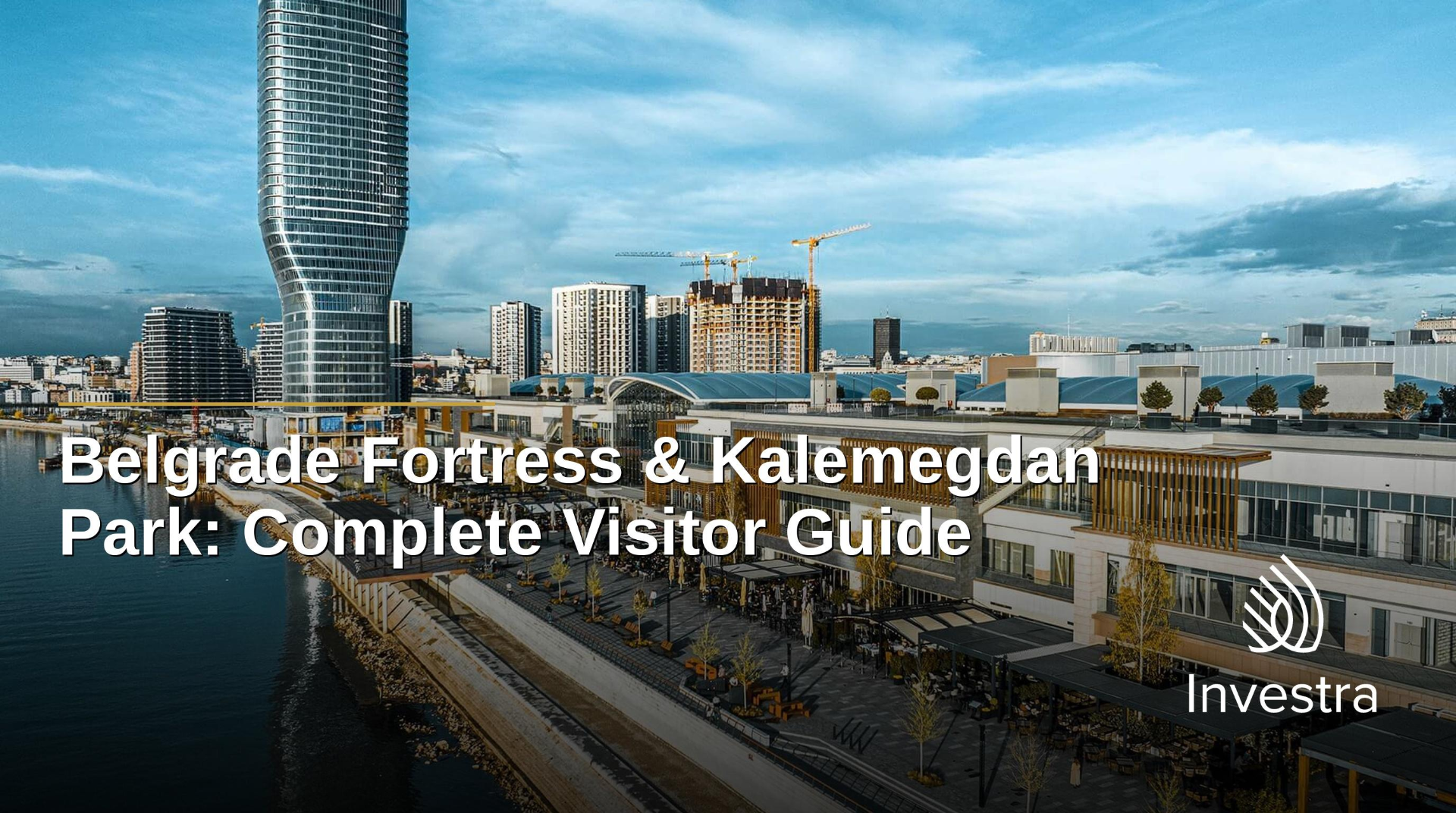
Belgrade Fortress & Kalemegdan Park: Complete Visitor Guide
Quick Answer: Belgrade Fortress, also known as Kalemegdan, is a 2000-year-old citadel offering free 24/7 park access, Military Museum entry for €2, Victor Monument, Roman Well, and panoramic Sava-Danube views. Open daily with tram access via lines 2, 11, and 13, it blends history, photography, and relaxation while highlighting investment potential in Serbia real estate.
Belgrade Fortress & Kalemegdan Park: Complete Visitor Guide
Perched dramatically at the confluence of the Sava and Danube rivers, Belgrade Fortress and the sprawling Kalemegdan Park form the beating heart of Serbia's capital. This ancient citadel has witnessed Celtic settlers, Roman legions, Byzantine rulers, Ottoman conquerors, and Austro-Hungarian engineers, creating a layered 2000-year narrative that few European landmarks can match. Today, the site serves as both a beloved public park and a cultural treasure trove, drawing locals for sunset strolls and visitors eager to trace empires through its ramparts. From the imposing Victor Monument to the mysterious Roman Well and the family-friendly zoo nestled within the park, every corner reveals stories of resilience and beauty. As you wander the Upper and Lower Towns, the panoramic river views and vibrant green spaces make it clear why this location continues to captivate. Exploring these historic grounds also provides insight into the dynamic growth of the city, where tourism fuels interest in Serbia real estate. Whether you're a history buff, photographer, or family traveler, this complete guide covers everything from practical transport options to insider tips for maximizing your visit.
The 2000-Year History of Kalemegdan Fortress
The story of Belgrade Fortress begins around the 3rd century BC when Celtic tribes established the first settlement called Singidunum. Roman forces later fortified the site in the 1st century AD, constructing massive walls and a military camp that guarded the vital Danube frontier. Byzantine emperors expanded these defenses, but the fortress faced repeated destruction and rebuilding through centuries of conflict. The Ottoman period from 1521 onward added elegant mosques and hammams, while the Austrians in the 18th century introduced baroque elements still visible today. Walking through the ramparts, you can touch stones carved by soldiers from a dozen empires. This rich tapestry of conquest and culture makes the fortress a living museum that educates visitors on Serbia's strategic importance. Local guides often share tales of the 1456 siege when Serbian and Hungarian forces repelled the Ottomans, highlighting the site's enduring defensive role. The layered architecture reveals how each civilization adapted the terrain, from Roman castra to Ottoman towers. For travelers interested in deeper context, this history underscores why Belgrade remains a crossroads of East and West, encouraging many to explore long-term opportunities such as property in Serbia near such iconic landmarks. Insider tip: Visit early morning to avoid crowds and appreciate the quiet evolution of these ancient stones. The fortress's survival through wars demonstrates the resilience that continues to attract investors and tourists alike, blending cultural heritage with modern appeal.
Navigating the Upper and Lower Towns
The fortress divides naturally into Upper and Lower Towns, each offering distinct experiences. The Upper Town features the main plateau with wide lawns perfect for picnics and the iconic Military Museum. Here you will find wide boulevards lined with cannons and statues commemorating key battles. Descend via steep paths or stairs to the Lower Town, where the atmosphere turns more intimate with narrow passages, the Zindan Gate, and remnants of medieval palaces. The transition between these zones feels like stepping through time, with the Upper Town representing grand imperial power and the Lower Town revealing everyday fortress life. Maps available at the entrance help, but wandering freely rewards spontaneous discoveries like hidden viewpoints over the rivers. Families appreciate the gentle slopes suitable for strollers, while history enthusiasts linger at the Despot Stefan Tower. Practical advice includes wearing comfortable shoes as cobblestones can be uneven. This dual layout enhances the site's accessibility, making it ideal for all ages. The scenic beauty here often inspires visitors to consider settling in the area, prompting discussions with a business consultant Siniša Dagary about investment strategies. Seasonal changes transform the towns dramatically: spring wildflowers carpet the Lower Town while autumn brings golden hues to the Upper ramparts. Local tip: Follow the marked heritage trail for a self-guided tour that covers both sections efficiently in two to three hours.
Key Landmarks: Victor Monument, Roman Well, and Zindan Gate
Among the most photographed features stands the Victor Monument, a towering bronze figure erected in 1928 to honor Serbia's World War I victories. Positioned at the edge of the Upper Town, it offers sweeping views that stretch across the river confluence into neighboring countries on clear days. Nearby, the Roman Well plunges 60 meters into the earth, a mysterious structure possibly used for water storage or as a secret passage during sieges. Legends claim it connects to hidden tunnels, adding intrigue for adventurous visitors. The Zindan Gate, with its twin towers and arched entrance, served as a formidable defensive point and now frames dramatic river vistas. Each landmark tells its own story through plaques and surrounding exhibits. Photographers should arrive at golden hour when the Victor Monument catches warm light against the blue rivers below. These sites require no extra tickets beyond the park itself, though guided tours costing around €10 provide fascinating anecdotes. The combination of monumental sculpture, engineering marvels, and medieval gates creates a compact yet rich exploration zone. Many international visitors find the blend of history and nature so compelling that they research real estate platform options for future stays. Insider tip: Bring binoculars to spot distant church spires and bridges from these elevated points, enhancing your appreciation of Belgrade's geography.
The Military Museum and Despot Stefan Tower
The Military Museum inside the Upper Town charges a modest €2 entry fee and houses an impressive collection spanning Roman armor to modern weaponry. Exhibits detail pivotal battles with interactive maps and multilingual panels, making it accessible for non-Serbian speakers. Highlights include captured Ottoman cannons and personal artifacts from 20th-century conflicts. Adjacent, the Despot Stefan Tower rises as a 15th-century landmark offering interior access during summer months for panoramic vistas. The tower's thick stone walls and narrow windows evoke medieval defense strategies. Combined, these attractions provide two to three hours of engaging content for history lovers. The museum also hosts occasional temporary exhibitions on Balkan military heritage. Families note the outdoor cannon displays that entertain children while adults delve into detailed galleries. Prices remain affordable compared to Western European sites, with student discounts available. This cultural depth reinforces the fortress's status as a must-visit, often leading tourists to ponder the stability and growth opportunities in the region through conversations with experts like Siniša Dagary. Best visited mid-week to avoid weekend lines, the museum operates 10am to 5pm daily except Mondays.
Kalemegdan Zoo and Family-Friendly Attractions
Within the park boundaries lies Belgrade Zoo, home to over 2,000 animals including tigers, lions, and exotic birds. Entry costs approximately €5 for adults and €3 for children, with daily feeding shows at 11am and 3pm. The zoo integrates seamlessly with the fortress grounds, allowing families to combine animal viewing with historical exploration. Nearby playgrounds, fountains, and shaded benches make Kalemegdan ideal for full-day outings. Street vendors sell traditional snacks like pljeskavica for under €4, while cafes offer river-view seating. Seasonal events include summer concerts and winter ice rinks that draw local crowds. The zoo's location within the historic park adds unique charm compared to standalone facilities elsewhere. Parents appreciate the clean facilities and stroller-friendly paths. This family appeal extends the site's draw, encouraging repeat visits that showcase Belgrade's vibrant community life and potential for invest in Serbia in surrounding neighborhoods. Insider tip: Purchase a combined zoo and museum ticket when available for slight savings, and arrive early for prime animal viewing before afternoon crowds.
Optimal Photography Spots and Breathtaking Sunset Views
Sunset at Kalemegdan ranks among Europe's finest urban spectacles as the Sava and Danube merge in golden light. Prime spots include the terrace beside the Victor Monument for wide river panoramas and the Lower Town walls for intimate fortress silhouettes. The Great Staircase provides dramatic foregrounds with the park's greenery leading the eye toward distant bridges. Photographers recommend wide-angle lenses for sweeping landscapes and tripods for low-light shots after dusk. Seasonal variations offer distinct moods: summer sunsets glow warm while winter brings crisp, clear skies. Local photography clubs often gather here at dusk, sharing tips on capturing the confluence's reflective waters. These visual treasures frequently inspire visitors to document their experiences and later explore property ownership in the area. The 24/7 park access allows night photography of illuminated monuments, creating ethereal images. Bring a light jacket as river breezes intensify after sunset. This photographic richness ties directly into the cultural magnetism that supports tourism-driven growth in find properties nearby.
Connecting Tourism to Real Estate Opportunities in Belgrade
The enduring popularity of Belgrade Fortress and Kalemegdan Park illustrates the city's magnetic appeal, directly influencing real estate demand in surrounding districts. Tourists who fall in love with the historic ambiance often return as investors, drawn by affordable property prices compared to other European capitals. Areas near the fortress see steady appreciation thanks to infrastructure improvements and cultural prestige. Working with professionals helps navigate regulations and identify high-potential neighborhoods with river views. Tourism revenue supports local businesses, creating vibrant communities attractive for both short-term rentals and long-term living. Many visitors note the seamless blend of ancient heritage and modern development as a key reason to consider permanent ties to Serbia. This synergy between visitor experiences and investment landscapes makes the fortress not just a destination but a gateway to broader opportunities.
Practical Information
Belgrade Fortress and Kalemegdan Park welcome visitors 24 hours daily with free park entry. The Military Museum operates 10am-5pm Tuesday to Sunday. Reach the site easily via tram lines 2, 11, or 13 alighting at Kalemegdan stop, or by bus 41 from the city center. Taxis cost around €5 from Republic Square. Best time to visit is spring or autumn for mild weather and fewer crowds, though summer evenings offer magical sunsets. Restrooms and cafes are available inside the park. Combine your trip with nearby Stari Grad for a full day of exploration.
Frequently Asked Questions
How long does it take to explore Belgrade Fortress and Kalemegdan Park?
Most visitors spend three to five hours covering the main sites including the Upper and Lower Towns, Military Museum, and Victor Monument. Families with children often extend to six hours to include the zoo and relaxed park time. Allow extra for photography at sunset, which can add two hours. Self-guided tours using free maps take about three hours, while joining a paid walking tour provides deeper historical context in two hours. Plan your visit around opening hours of paid attractions to avoid rushing.
What is the best way to reach Kalemegdan by public transport?
Trams 2, 11, and 13 stop directly at Kalemegdan, running every 10-15 minutes from central Belgrade locations like Republic Square. The journey takes 10-20 minutes depending on traffic. Buses 41 and 88 also serve nearby stops. Tickets cost under €1 and can be bought from drivers or kiosks. For those preferring convenience, ride-sharing apps offer quick drops at the main gate for around €4-6. Avoid peak hours if traveling with luggage.
Are there any entry fees or opening restrictions?
The park itself remains free and open around the clock. The Military Museum charges €2 for adults with reduced rates for students and free entry for children under 7. The zoo costs €5 for adults. Some towers may close during winter for maintenance. Always check current hours as they can vary seasonally. No advance booking is required for standard visits.
What photography tips help capture the best images at sunset?
Arrive 45 minutes before sunset to secure prime spots near the Victor Monument. Use a tripod for stability during golden hour and blue hour shots. Wide-angle lenses capture the river confluence effectively. Experiment with foreground elements like cannons or railings for depth. Evening light changes rapidly, so bracket exposures. Local photographers recommend avoiding midday harsh shadows by focusing on early morning or dusk sessions.
How does visiting the fortress connect to real estate interest in Serbia?
Experiencing the cultural richness of Kalemegdan often inspires visitors to explore long-term stays or investments. The area's tourism success highlights neighborhood growth and infrastructure development. Many travelers consult experts to identify properties with similar historic appeal. This connection between tourism and investment creates vibrant opportunities for those seeking to own a piece of Belgrade's story.
Belgrade Fortress and Kalemegdan Park deliver an unforgettable journey through time with practical access and stunning views. Start planning your visit today and discover why so many choose to invest in this remarkable city through Serbia real estate resources.
Q1: How much does it cost to enter Kalemegdan Fortress and what are the opening hours?
Entry to Kalemegdan Fortress is approximately 300-400 RSD (€2.50-3.50 USD) for adults, with discounts available for students and children. The fortress is typically open daily from 9 AM to 8 PM during summer months and 9 AM to 5 PM in winter, though hours may vary seasonally.
Q2: Is Kalemegdan Fortress accessible for people with mobility issues or wheelchairs?
Kalemegdan has limited wheelchair accessibility due to its fortress layout with numerous stairs, steep pathways, and uneven terrain dating back centuries. Visitors with mobility concerns should plan accordingly and note that only certain areas of the park are easily accessible.
Q3: What is the best time of year to visit Belgrade Fortress to avoid crowds?
Visit during late autumn (October-November) or early spring (March-April) for fewer tourists and pleasant weather, while avoiding July-August peak season when crowds are heaviest. Morning visits before 10 AM also significantly reduce crowds year-round.
Q4: How long should I plan to spend at Kalemegdan Park and Belgrade Fortress?
Most visitors spend 2-3 hours exploring the fortress, walking the park paths, and enjoying views of the Danube and Sava rivers. If you plan to visit museums within the fortress or enjoy extended relaxation, allocate 4-5 hours total.
Q5: Are there guided tours available at Kalemegdan Fortress and how much do they cost?
Professional guided tours in English typically cost 1,500-2,500 RSD (€12-21 USD) per person and last 1-2 hours, available through licensed tour operators or hotels. Self-guided tours using audio guides or apps are also available for around 300-500 RSD (€2.50-4 USD).
Q6: Can you bring food and drinks into Kalemegdan Park or are there cafes inside?
Yes, you can bring your own food and drinks into the park, though several cafes and restaurants operate within the fortress grounds offering local and international options. Prices at on-site establishments are slightly higher than Belgrade's average (coffee 150-250 RSD/€1.25-2 USD).
Q7: Is parking available near Kalemegdan Fortress and what does it cost?
Free street parking is available near the fortress entrance, though spaces fill quickly during peak hours; paid parking lots nearby cost 100-200 RSD per hour (€0.85-1.70 USD). Alternatively, the fortress is accessible via public transport—tram lines 2, 6, and 7 serve the Kalemegdan area.
Q8: What museums or exhibits are located inside Belgrade Fortress?
The fortress contains the Military Museum showcasing Serbian military history (entry ~200 RSD/€1.70 USD) and several smaller galleries, though some exhibits are seasonally closed. The main attractions are primarily the fortress structure itself, views, and outdoor historical sites.
Q9: How does visiting Kalemegdan compare to other Belgrade attractions in terms of time and cost?
Kalemegdan is one of Belgrade's most affordable major attractions at 300-400 RSD entry versus Nikola Tesla Museum at 600 RSD or Gardos Tower in Zemun at 400 RSD, and offers more extensive grounds to explore. It's easily combined with nearby attractions like Bohemian Waterfront (Splavovi) and Savamala district in a half-day itinerary.
Q10: What should I wear and bring when visiting Kalemegdan Fortress in different seasons?
In summer, bring sunscreen, hat, and water as there's minimal shade; wear comfortable walking shoes for uneven surfaces. Winter visits require warm layers and waterproof footwear, while spring and autumn need light jackets due to temperature variations between sun and shade on exposed fortress walls.
Follow us on social media for more inspiration:Seasonal Festivals and Cultural Events at Kalemegdan Park
Kalemegdan Park transforms dramatically with the seasons, hosting a vibrant calendar of festivals that celebrate Serbian heritage and contemporary culture. In spring, the Belgrade Fortress grounds come alive with the annual Kalemegdan Spring Fair, featuring artisan stalls selling handmade crafts, traditional embroidery, and local honey from nearby apiaries priced at €4 per jar. Folk dance performances by groups like Kolo ensemble draw crowds to the open lawns near the Victor Monument every weekend in May. Summer brings the biggest events, including outdoor concerts by the Belgrade Philharmonic that attract over 5,000 attendees on warm July evenings, with ticket prices starting at €8 for standing areas. The fortress walls serve as dramatic backdrops for light shows and historical reenactments of Ottoman sieges, complete with period costumes and cannon firings that echo across the Sava River. Autumn hosts the Kalemegdan Literary Festival, where authors discuss Balkan history in the shaded amphitheater beside the Military Museum, while winter features an ice-skating rink installed near the zoo entrance charging €3 per hour including skate rental. These events not only enrich visitor experiences but also highlight the park's role as a community hub, encouraging repeat visits from both locals and tourists. Many international attendees find the festive atmosphere so inspiring that they explore long-term connections to Serbia through Serbia real estate, drawn by the lively cultural scene. Insider tips include arriving early for popular concerts to secure good spots and checking the official city tourism website for weather-dependent cancellations. Families particularly enjoy the Christmas market in December with mulled wine at €2 per cup and live carolers. Such seasonal programming underscores Kalemegdan's year-round appeal, blending education, entertainment, and natural beauty into memorable occasions that showcase Belgrade's dynamic spirit and its potential for sustained tourism growth.
Hidden Gems and Lesser-Known Attractions Within the Fortress
Beyond the main landmarks, Belgrade Fortress hides numerous lesser-known treasures that reward curious explorers willing to venture off the primary paths. The Ruzica Church, a small 18th-century Orthodox chapel tucked near the Lower Town walls, features intricate frescoes and a peaceful interior open daily from 8am to 6pm with no entry fee. Nearby, the remains of the medieval Metropolitan's Palace offer quiet stone foundations perfect for reflective moments away from crowds. The Great Gunpowder Magazine, an underground vault dating to Austrian rule, occasionally opens for guided tours at €6 per person, revealing atmospheric brick arches and historical ammunition displays. Birdwatchers appreciate the secluded riverbank paths along the Danube where herons and kingfishers frequent the reeds, especially at dawn. Another gem is the Memorial Ossuary of the Defenders of Belgrade, a somber yet beautifully maintained monument honoring World War II victims, accessible via a short uphill trail lined with wildflowers in spring. These spots provide intimate encounters with the fortress's layered past, often missed by rushed visitors. Photographers love the overgrown bastions near the Sava Gate for unique compositions combining crumbling stone and river vistas. Local historians recommend pairing these discoveries with a picnic from nearby bakeries selling burek for €2. The sense of discovery here frequently motivates travelers to consider deeper ties to the region, including consultations with experts like business consultant Siniša Dagary for property opportunities near these historic sites. Wear sturdy shoes for the uneven terrain and bring water during summer explorations. These hidden corners enhance the fortress's allure as a multifaceted destination, revealing Belgrade's rich tapestry beyond the obvious attractions and supporting ongoing interest in real estate platform listings in the vicinity.
Odkrijte globalne investicijske priložnosti na Unifyr.space — vaš portal za pametne investicije.
📚 Recommended Content
Frequently Asked Questions
What are the best nearby restaurants or food options after visiting Kalemegdan?
After exploring the fortress, visitors have excellent dining choices within a 10-minute walk in the Stari Grad neighborhood. Traditional spots like Restaurant Kalemegdan serve grilled meats and river fish specialties for €8-12 per main course, with outdoor terraces offering fortress views. For lighter fare, cafes near the tram stop provide fresh pastries and coffee for under €3. In summer, street vendors sell ice cream and local rakija tastings. Many recommend combining a meal with sunset drinks at riverside bars along the Sava, where prices average €4 for a glass of wine. These options cater to various budgets and tastes, from vegan-friendly spots to hearty Serbian grills. The proximity to vibrant eateries makes the visit even more enjoyable and often sparks conversations about living in the area.
Is the site suitable for visitors with mobility issues or disabilities?
Kalemegdan offers partial accessibility with paved paths in the Upper Town leading to the Military Museum and Victor Monument, though cobblestones and steep stairs to the Lower Town can pose challenges. Wheelchair users should stick to main routes and avoid the Roman Well area. Free entry applies for companions assisting disabled visitors, and some guided tours provide assistance upon request. The park includes accessible restrooms near the zoo entrance. For those with limited mobility, focusing on the Upper Town plateau and museum provides a fulfilling experience without excessive walking. Local recommendations include using the tram for direct access and planning shorter visits during cooler hours. This inclusive approach reflects the site's growing efforts to welcome all travelers while highlighting the area's livability for potential residents.
Nearby Destinations in Serbia
Invest in Belgrade Real Estate
Looking to invest in Belgrade? Explore verified properties and investment opportunities on Investra.io — Belgrade Real Estate.
Related Posts
No related posts available.
