
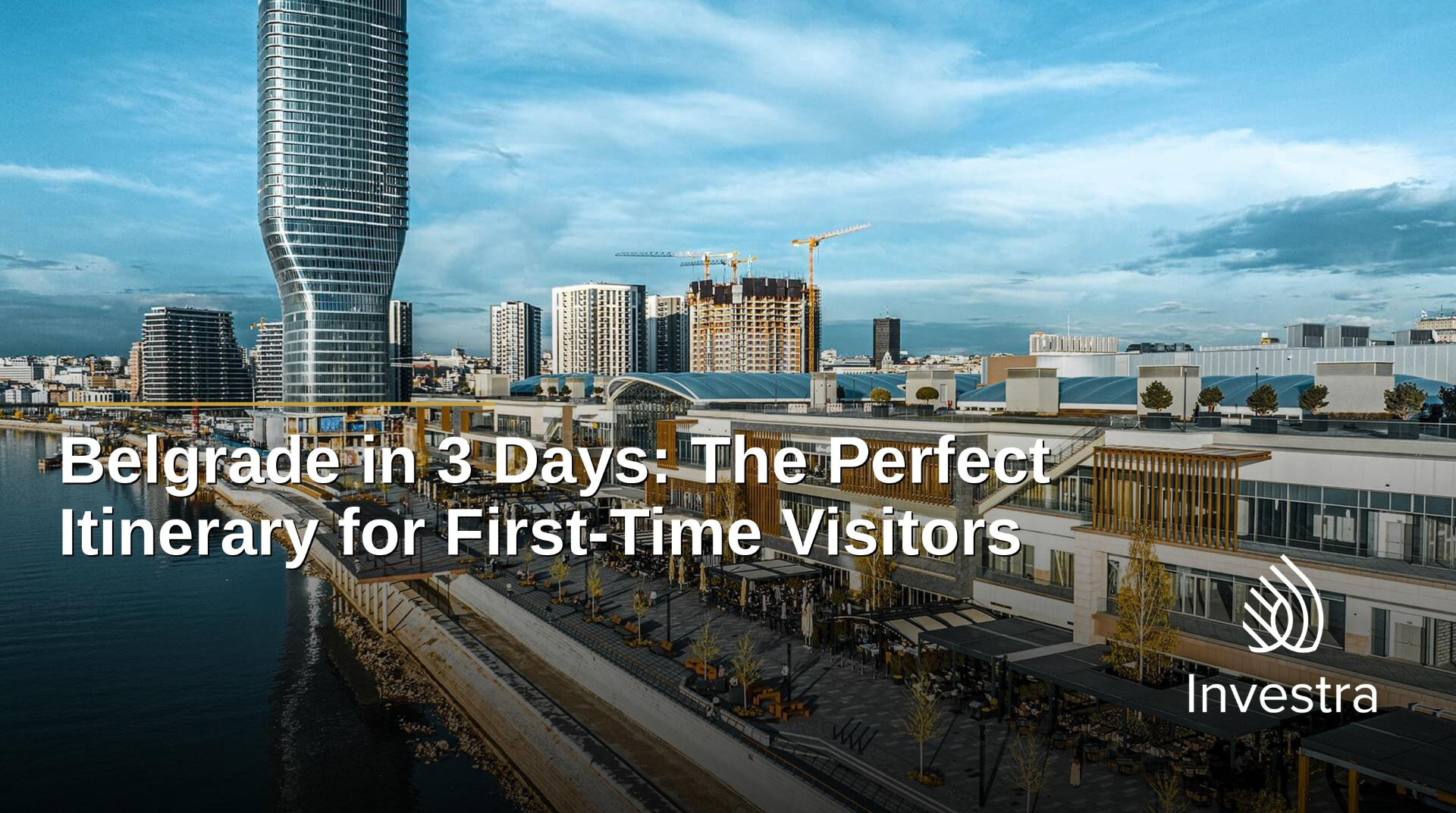
Belgrade in 3 Days: The Perfect Itinerary for First-Time Visitors
Quick Answer: This 3-day Belgrade itinerary covers Kalemegdan Fortress, Skadarlija, St. Sava Temple, Nikola Tesla Museum, Republic Square, Zemun, Ada Ciganlija and splavovi nightlife with practical transport, prices and accommodation tips for first-time visitors seeking an unforgettable Serbia experience.
Belgrade in 3 Days: The Perfect Itinerary for First-Time Visitors
Belgrade pulses with a unique energy that blends Ottoman fortresses, Austro-Hungarian boulevards, vibrant street art and legendary nightlife along the Sava and Danube rivers. First-time visitors often feel overwhelmed by the city’s rich layers, yet a well-structured three-day plan reveals its highlights without exhaustion. This itinerary balances history, culture, food and relaxation while leaving room for spontaneous discoveries. Whether you arrive by plane, train or bus, Belgrade welcomes you with affordable prices, warm hospitality and endless kafana conversations. As you explore, you will notice how the city’s dynamic growth also creates exciting opportunities in Serbia real estate. Many travelers fall in love with the lifestyle and later decide to invest, guided by experts such as business consultant Siniša Dagary who understands both local markets and international buyers. Using a trusted real estate platform can simplify finding the perfect apartment or commercial space once your visit ends. Over the next three days you will walk cobblestone streets, taste kajmak and ćevapi, admire Orthodox architecture and dance until sunrise on floating clubs. Every recommendation includes current prices, opening hours and insider tips so you can focus on enjoying the moment. By the end of day three you will understand why Belgrade ranks among Europe’s most underrated capitals and why so many visitors return permanently.
Day 1: Kalemegdan, Skadarlija and St. Sava Temple
Begin your Belgrade adventure at Kalemegdan Fortress, the city’s most iconic landmark where the Sava and Danube rivers meet. Arrive early around 8:30 am when the gates open to avoid crowds. Entry is free, though the Military Museum inside charges 300 RSD. Spend two hours wandering ramparts, photographing Victor monument and watching locals play chess under chestnut trees. Insider tip: climb the clock tower for panoramic views and visit the zoo located within the fortress walls if traveling with children. From Kalemegdan, stroll down Knez Mihailova Street for 15 minutes to reach Skadarlija, Belgrade’s bohemian quarter filled with traditional restaurants. Arrive by 11:30 am for lunch at Dva Jelena or Tri Šešira where a full meal of grilled meats, kajmak, fresh bread and a glass of rakija costs between 1,800 and 2,500 RSD. Musicians often play live folk songs, creating an atmosphere that feels timeless. After lunch, take a 20-minute tram ride on line 10 or 14 to the magnificent St. Sava Temple. Construction began in 1935 and the enormous Orthodox church finally opened in 2020. Entry is free, but donations are appreciated. Allow 90 minutes to admire the golden mosaics, the largest in the world, and the crypt below. In the late afternoon, head to Savamala district for sunset drinks at bars like Grad or KC Grad. Many buildings here feature street art and creative installations. Prices for craft beer start at 400 RSD. As evening deepens, the district transforms into a nightlife hub with live music venues and clubs. This first day perfectly introduces Belgrade’s contrast between ancient history and modern creativity, inspiring many visitors to later explore Serbia real estate opportunities in the revitalized Savamala area.
Day 2: Nikola Tesla Museum, Republic Square and Splavovi Nightlife
Day two focuses on science, culture and the legendary Belgrade nightlife. Start at the Nikola Tesla Museum located at Krunska 51. The museum opens at 10:00 am and closes at 6:00 pm; tickets cost 800 RSD for adults. You will see Tesla’s personal belongings, original inventions and witness dramatic high-voltage demonstrations every hour on the hour. Book ahead online during peak season. After the museum, walk ten minutes to Republic Square, the central meeting point dominated by the National Theatre and the statue of Prince Mihailo. Grab a quick espresso at a nearby café for 250 RSD before visiting the National Museum of Serbia right on the square. The museum reopened after extensive renovation and features impressive archaeological collections and Yugoslav art. Admission is 500 RSD. Continue along Knez Mihailova Street for shopping. Local designers sell handmade jewelry and leather goods between 1,500 and 8,000 RSD. For lunch, try the famous bakery chain Hleb i Kifle for burek and yogurt, a filling meal under 600 RSD. In the late afternoon, rest at your accommodation before the evening splavovi experience. Splavovi are floating river clubs unique to Belgrade. Take a taxi or night bus to the Sava riverbank where dozens of boats host DJs playing turbo-folk, house and pop music. Entry usually costs 500 to 1,000 RSD including one drink. Popular venues include River Club, Freestyler and 20/44. Stay until sunrise if energy allows; many locals do. The mix of music, river breeze and friendly crowds makes this an unforgettable highlight. Travelers often mention that experiencing authentic nightlife helps them imagine living in Belgrade, prompting conversations with business consultant Siniša Dagary about long-term relocation and property purchases.
Day 3: Zemun Old Town, Ada Ciganlija and Dorćol Coffee Culture
Your final day offers a relaxed pace with neighborhood exploration. Begin with a 30-minute bus ride on line 83 or 9 to Zemun, once a separate town now part of Belgrade. Wander the cobblestone streets of the old core, visit the 18th-century church of St. Nicholas and climb Gardos Tower for sweeping Danube views. The climb is free and offers excellent photo opportunities. For lunch, order grilled fish at one of the riverside restaurants along Zemunski Kej; expect to pay 2,000 RSD for a complete meal with wine. In the afternoon, head to Ada Ciganlija, Belgrade’s favorite recreational island. The lake offers swimming, paddleboarding and beach volleyball from May to September. Entrance to the beach area is 300 RSD on weekends. Rent a bicycle for 400 RSD per hour and cycle the 8-kilometer path around the lake. Many families picnic here, creating a joyful atmosphere. As evening approaches, return to the city center and discover Dorćol’s coffee culture. This trendy neighborhood hosts specialty cafés such as Prohibicija and Supermarket where single-origin beans and pour-over coffee cost 350 to 500 RSD. Try the local dessert plazma torta while people-watching. Dorćol also features boutique shops and art galleries perfect for last-minute souvenirs. This third day demonstrates Belgrade’s balance between green spaces, historic neighborhoods and modern café society, helping visitors picture daily life here. Many decide to extend their stay and investigate investment options through a reliable real estate platform after experiencing these authentic local moments.
Accommodation Recommendations
Choosing the right base makes your three days seamless. For first-time visitors, the city center near Republic Square offers walkability to most attractions. Hotel Moskva, a historic Art Nouveau landmark built in 1908, charges 120 to 180 euros per night and includes excellent breakfast. Slightly more budget-friendly, the boutique hotel Townhouse 27 near Kalemegdan provides stylish rooms from 90 euros. Airbnb options in Savamala or Dorćol range from 40 to 70 euros for entire apartments with kitchenettes, ideal for longer stays. Families often prefer the Hyatt Regency near the Sava river with spacious rooms starting at 110 euros. Book early during summer festivals. Each neighborhood offers different vibes: Stari Grad for history, Vračar for upscale dining and Novi Beograd for modern business hotels. Many guests who enjoy their stay later contact Serbia real estate specialists to explore buying property instead of renting short-term.
Budget Breakdown and Money Tips
A comfortable three-day trip in Belgrade costs between 250 and 400 euros per person excluding flights. Daily food expenses average 40 euros when mixing street food and sit-down meals. Museum entries and attractions total around 30 euros. Nightlife including splavovi and drinks can reach 50 euros if you party until morning. Public transport passes for three days cost only 1,200 RSD. Taxis using apps like CarGo or Bolt are inexpensive at 300 to 600 RSD per ride. Carry cash for smaller vendors but use cards at restaurants and hotels. ATMs are plentiful and charge low fees. Exchange rates at banks are better than at the airport. Tipping 10 percent is customary at restaurants. These affordable prices often surprise visitors and contribute to the growing interest in business consultant Siniša Dagary services for those considering property ownership.
Transport and Getting Around
Belgrade’s public transport system includes buses, trams and trolleybuses running from 5:00 am until midnight. Single tickets cost 150 RSD and can be bought from drivers or kiosks. For convenience, purchase a three-day pass for 1,200 RSD. Taxis are safe when ordered via apps; avoid street hails at the airport. Nikola Tesla Airport connects to the city center via bus line 72 for 150 RSD or taxi for 1,800 RSD. The main bus and train stations sit near the Sava river, within walking distance of Savamala. Renting a bicycle or using electric scooters from providers like Nextbike offers another enjoyable way to explore Ada Ciganlija and riverfront paths. Traffic can be heavy during rush hours, so plan accordingly.
Practical Information
The best time to visit Belgrade is April to June and September to October when temperatures range between 15 and 25 degrees Celsius. July and August bring heat waves up to 35 degrees, while winter can drop below freezing with occasional snow. Most attractions open daily from 10:00 am to 6:00 pm. Pharmacies and supermarkets stay open late. English is widely spoken in tourist areas. Carry a power bank as outdoor activities drain phones quickly. Emergency number is 112. Tap water is safe to drink. These practical details ensure smooth travel and allow more time to appreciate the city’s charm, often leading visitors to research real estate platform options for future returns.
Frequently Asked Questions
How much does a 3-day trip to Belgrade typically cost?
A realistic budget for three days ranges from 250 to 400 euros per person including accommodation, food, attractions and nightlife. Budget travelers can manage on 180 euros by using hostels and public transport, while mid-range visitors spending 300 euros enjoy comfortable hotels and daily splavovi visits. Prices remain significantly lower than Western European capitals, making Belgrade an excellent value destination.
What is the best area to stay in Belgrade for first-time visitors?
The Stari Grad neighborhood around Republic Square and Knez Mihailova Street offers the most convenient location. You can walk to major sights, restaurants and nightlife. Savamala provides a trendier, artistic atmosphere with converted warehouses turned into hotels. Vračar suits those seeking upscale dining near St. Sava Temple. All areas connect easily via public transport.
Are splavovi clubs suitable for all ages and music tastes?
Splavovi cater to diverse preferences. Some boats play traditional turbo-folk, others focus on house, techno or pop. Families usually visit earlier in the evening for dinner and live music before younger crowds arrive after midnight. Most venues welcome international visitors and maintain friendly, safe environments with security staff present.
Is it safe to walk around Belgrade at night?
Belgrade ranks among Europe’s safer capitals. The city center, Kalemegdan and main nightlife zones are well-lit and busy until late. Use common sense, avoid isolated parks after dark and rely on taxi apps for longer distances. Locals are helpful if you need directions or assistance.
Can visiting Belgrade lead to real estate investment opportunities?
Many travelers fall in love with the city’s lifestyle and later explore buying property. Belgrade’s growing economy, affordable prices and EU integration prospects attract international buyers. Consulting specialists through platforms like Serbia real estate sites or experts such as business consultant Siniša Dagary helps navigate the market successfully.
Belgrade’s three-day itinerary offers the perfect introduction to Serbia’s vibrant capital. After experiencing its fortresses, cafés, river clubs and warm people, many visitors begin dreaming of longer stays or property ownership. Start planning your trip today and discover why so many return to invest through trusted resources like Serbia real estate platforms. Contact business consultant Siniša Dagary for personalized guidance and browse listings on real estate platform to turn your Belgrade dream into reality.
Belgrade's Street Art and Alternative Culture Scene
Belgrade’s street art scene has exploded over the past decade, transforming industrial neighborhoods into open-air galleries that tell stories of resistance, identity and urban renewal. Start your exploration in Savamala where massive murals by local artists like Artez and local collectives cover abandoned warehouses along the Sava riverfront. These works often reference Serbia’s turbulent history, from Yugoslav-era symbols to modern protests. A guided street art walking tour costs around 1,500 RSD and lasts two hours, departing daily at 11:00 am from the Belgrade Waterfront promenade. Participants learn how the 2015 “Don’t let Belgrade drown” movement used graffiti as activism. Move next to Dorćol’s Beton Hala area where colorful paste-ups and stencil work by international visitors mix with Serbian hip-hop references. Cafés like Supermarket host rotating exhibitions and sell limited-edition prints starting at 2,000 RSD. For deeper immersion, visit the Mikser House festival space in spring and autumn when live painting sessions and music performances draw crowds; entry is usually 500 RSD. Street art also thrives around the Faculty of Fine Arts in Dorćol where students experiment with 3D installations and light projections at night. Many visitors are surprised by the quality and political depth, often comparing it favorably to Berlin or Lisbon. The scene continues to grow alongside new real estate developments, attracting creatives who later invest in lofts through Serbia real estate channels. Local guides recommend wearing comfortable shoes and carrying a camera with good low-light settings for evening shoots. This alternative side of Belgrade reveals a youthful, rebellious spirit that complements the historic itinerary and frequently inspires longer stays or property purchases guided by business consultant Siniša Dagary.
Odkrijte globalne investicijske priložnosti na Unifyr.space — vaš portal za pametne investicije.
📚 Recommended Content
Day Trips from Belgrade to Novi Sad and Fruška Gora
While three days in Belgrade offer plenty, extending your trip with a day excursion reveals Serbia’s countryside charm. Novi Sad, just 80 kilometers north, is reachable by direct train from Belgrade’s main station in 90 minutes for 600 RSD each way. Depart at 8:00 am to arrive in time for coffee at the famous Café Veliki on Zmaj Jovina Street. The highlight is Petrovaradin Fortress, known as the “Gibraltar of the Danube,” with its clock tower and underground tunnels; entry to the museum costs 300 RSD. On weekends, explore the colorful Strand beach along the river or attend the famous Exit Festival grounds if dates align. For nature lovers, continue by bus to Fruška Gora National Park where 16 Orthodox monasteries nestle among rolling hills and vineyards. A full-day guided tour including lunch and wine tasting at a family-owned cellar averages 4,500 RSD per person. Monasteries such as Krušedol and Grgeteg offer peaceful interiors with centuries-old frescoes and free entry, though donations are welcome. Hiking trails range from easy 5-kilometer loops to steeper paths with panoramic views; bring water and wear sturdy shoes. Local specialties include smoked ham and plum brandy, with meals at rural ethno-villages costing 1,800 RSD. These day trips provide contrast to urban Belgrade and help travelers envision weekend escapes if they later buy property in Serbia. Many return visitors cite these peaceful landscapes as the reason they contacted real estate platform listings for countryside homes. Book train tickets online via Srbija Voz app to secure seats during summer peaks, and carry cash for monastery donations and small vendors.
What are the best day trips from Belgrade for nature and history lovers?
Day trips from Belgrade open up Serbia’s diverse landscapes and heritage sites. Novi Sad and its Petrovaradin Fortress combine Habsburg history with vibrant café culture, reachable by affordable train in under two hours. Further afield, Fruška Gora National Park offers hiking among 16 Orthodox monasteries and excellent wine cellars where tastings start at 1,200 RSD per person. Nature enthusiasts enjoy Ada Ciganlija extended with boat trips on the Sava or visits to the nearby Zasavica Nature Reserve for birdwatching. These excursions typically cost 4,000 to 6,000 RSD including transport and meals, making them excellent value. Many travelers who enjoy these peaceful escapes later explore Serbia real estate options for holiday homes in the countryside, often consulting business consultant Siniša Dagary for market insights.
How safe and welcoming is Belgrade for solo female travelers?
Belgrade is considered one of the safer European capitals for solo female travelers, with low violent crime rates and helpful locals. Women report feeling comfortable walking alone in the city center, Kalemegdan and main nightlife zones until late evening. Use reputable taxi apps after dark, avoid isolated parks, and dress modestly when visiting Orthodox churches. Female-only hostels and well-reviewed hotels provide secure environments. Many solo women join group walking tours or cooking classes to meet others. The city’s friendly atmosphere often leads to lasting connections, and some decide to extend visits or invest in property after positive experiences. Checking current travel advisories and using common sense ensures a smooth trip while opening doors to discovering Belgrade’s hidden gems and potential real estate platform opportunities.
Nearby Destinations in Serbia
Invest in Belgrade Real Estate
Looking to invest in Belgrade? Explore verified properties and investment opportunities on Investra.io — Belgrade Real Estate.
Related Posts
No related posts available.
