
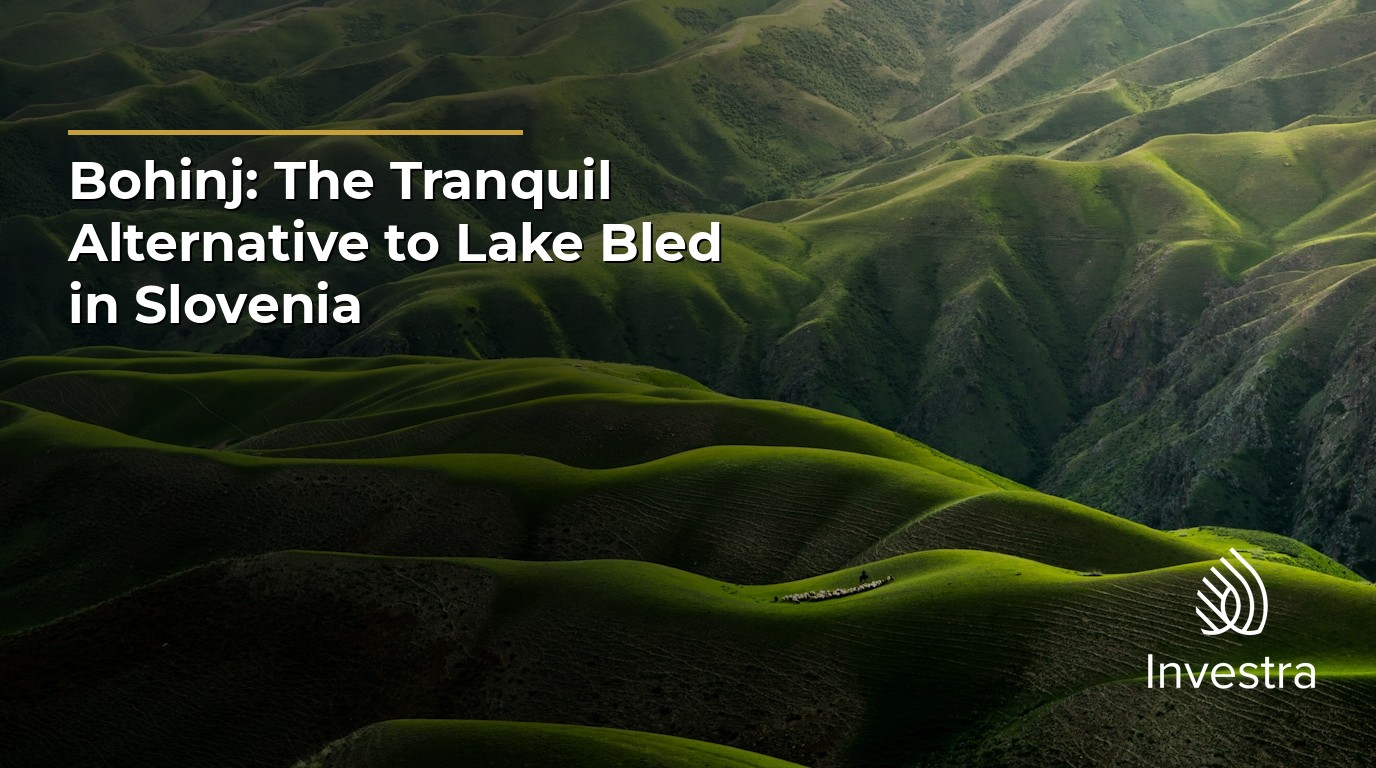
Bohinj: The Tranquil Alternative to Lake Bled in Slovenia
Bohinj: The Tranquil Alternative to Lake Bled in Slovenia
Disclaimer: The information provided in this article is for general informational purposes only and does not constitute financial, investment, or travel advice. Real estate markets, travel regulations, and environmental policies are subject to change. Always conduct independent research and consult with qualified professionals before making international travel or investment decisions. Investors should not invest money they cannot afford to lose.
While Lake Bled often steals the international spotlight with its iconic island church and clifftop castle, true connoisseurs of Slovenian nature invariably point further into the Julian Alps. Just a 30-minute drive past Bled lies Lake Bohinj (Bohinjsko jezero), the largest permanent natural lake in Slovenia and the undisputed heart of Triglav National Park.
In 2026, as over-tourism becomes a pressing concern in Europe's most famous destinations, Bohinj represents a conscious choice for the discerning traveler and the strategic investor. It is wilder, deeper, and profoundly more tranquil than its famous neighbor. At Investra.io, we recognize that the future of premium European real estate and tourism lies in sustainable, authentic experiences. This comprehensive guide explores why Bohinj is the ultimate alternative to Bled and how to navigate its unique landscape.
1. The Geography of Tranquility
Lake Bohinj is a glacial lake situated in the Bohinj Valley, surrounded by the steep, imposing peaks of the Julian Alps. Unlike Bled, which is characterized by a relatively developed shoreline and a bustling town center, Bohinj is almost entirely enveloped by pristine forest and towering rock faces.
Quick Answer: The primary difference between Bled and Bohinj is development. Bled is a resort town built around a lake; Bohinj is a lake situated within a strictly protected national park. If you want luxury hotels, casinos, and vibrant nightlife, choose Bled. If you want silence, raw alpine beauty, and world-class outdoor recreation, choose Bohinj. For a comparative analysis of regional real estate, read our Slovenian Real Estate Market 2026 Analysis.
The lake is approximately 4.2 kilometers long and 1 kilometer wide. Its waters are remarkably clear, reflecting the surrounding mountains like a dark, emerald mirror. The main settlements, Ribčev Laz and Ukanc, are small, unobtrusive, and designed to blend into the environment rather than dominate it.
2. Environmental Protection and Triglav National Park
The defining characteristic of Bohinj is its location within Triglav National Park (TNP), Slovenia's only national park. The park's regulations are stringent, designed to preserve the delicate alpine ecosystem.
This means no motorboats are allowed on the lake (only electric boats, canoes, kayaks, and SUPs). New construction is heavily restricted, and existing buildings must adhere to strict architectural guidelines that respect traditional Alpine styles. For investors, this creates a high barrier to entry but ensures that the region will never be overdeveloped, protecting the long-term value of existing properties. Understanding the impact of environmental zoning is crucial; compare this with the regulations discussed in our TRNC Property Investment Guide 2026.
3. Summer Activities: The Ultimate Outdoor Playground
During the summer months, Bohinj transforms into a premier destination for active travelers.
Hiking and Mountaineering
Bohinj is the traditional starting point for ascending Mount Triglav (2,864m), Slovenia's highest peak. However, you don't need to be a seasoned alpinist to enjoy the trails. The path around the lake is relatively flat and takes about 3-4 hours, offering constantly shifting perspectives of the water and mountains. The hike to the Savica Waterfall (Slap Savica), which feeds the lake, is a mandatory, albeit steep, excursion.
Water Sports
The water in Bohinj is colder than in Bled, typically reaching a refreshing 22°C (71°F) in late summer. It is perfect for swimming, stand-up paddleboarding (SUP), and kayaking. The lack of motorized traffic makes the water exceptionally calm, ideal for beginners.
Cycling
The Bohinj Cycling Route runs through the Lower and Upper Bohinj Valleys, offering safe, paved, and gravel paths separated from main traffic. It is an excellent way to explore the traditional alpine villages that dot the valley floor.
4. Winter Activities: A Snowy Wonderland
When the snow falls, Bohinj offers a completely different, equally compelling experience, often with better snow reliability than lower-altitude resorts.
Vogel Ski Resort
Accessible via a cable car from Ukanc, the Vogel Ski Resort sits high above the lake. It is renowned for its spectacular views and reliance on natural snow (it is one of the few resorts in Slovenia that does not use artificial snowmaking, due to TNP regulations). It offers excellent pistes for beginners and intermediates, as well as superb off-piste opportunities for advanced skiers.
Cross-Country Skiing and Snowshoeing
The Bohinj Valley, particularly around the villages of Stara Fužina and Srednja vas, offers kilometers of groomed cross-country skiing trails. Snowshoeing through the silent, snow-covered forests around the lake is an unforgettable experience.
5. Cultural Heritage and Alpine Traditions
Bohinj is not just a natural wonder; it is a cultural landscape shaped by centuries of alpine farming. The tradition of transhumance—moving cattle to high mountain pastures during the summer—is still practiced here.
Visitors can explore the Alpine Dairy Farming Museum in Stara Fužina to understand this challenging way of life. The local cuisine reflects this heritage, heavily featuring dairy products like the famous Bohinj cheese (Bohinjski sir), sour milk (kislo mleko), and hearty stews. This authenticity is a major draw for tourists seeking experiences that cannot be replicated elsewhere. For insights into how cultural heritage drives tourism value, read our Famagusta Property Investment Guide.
6. The Real Estate Market in Bohinj (2026)
For investors, Bohinj presents a unique challenge and opportunity. The real estate market here is characterized by extreme scarcity.
Quick Answer: Because Bohinj is within a national park, obtaining permits for new construction is nearly impossible. Therefore, the market consists almost entirely of existing properties—traditional alpine houses, older apartments, and a few small hotels. Prices are high, often rivaling or exceeding those in Bled for premium properties with lake views or direct access.
The primary investment strategy in Bohinj is the acquisition and high-end renovation of existing structures. The demand for luxury, eco-conscious accommodation far outstrips supply. Properties that successfully blend traditional alpine aesthetics with modern luxury command premium rates on the short-term rental market year-round. For a deeper understanding of premium property investment strategies, explore our Ljubljana Real Estate Guide.
7. Sustainable Tourism and the "Bohinj Mobility" Initiative
To combat the environmental impact of increasing visitor numbers, the local municipality has implemented aggressive sustainable mobility strategies. During the peak summer season, parking near the lake is heavily restricted and expensive.
Instead, visitors are strongly encouraged to use the extensive network of free or heavily subsidized shuttle buses that connect the surrounding villages, train stations, and park-and-ride facilities with the lake. The Julian Alps Card: Bohinj offers free public transport, parking, and discounts on attractions for guests staying in partner accommodations. This commitment to sustainability is crucial for the long-term viability of the region as a premium destination.
8. Accommodation: From Campsites to Boutique Hotels
Accommodation in Bohinj caters to a wide range of preferences, though large, international chain hotels are notably absent.
- Camping: Camp Zlatorog, located right on the shore near Ukanc, is one of the most beautifully situated campsites in Europe.
- Apartments and Guesthouses: The villages of Ribčev Laz, Stara Fužina, and Bohinjska Bistrica offer numerous private apartments and family-run "penzions."
- Boutique Hotels: There is a growing trend of older properties being renovated into high-end boutique hotels, such as the Sunrose 7 (an adults-only heritage boutique hotel) or the fully renovated Hotel Bohinj in Bohinjska Bistrica, which offers excellent spa facilities.
9. Getting to Bohinj
Bohinj is relatively easy to reach, despite its secluded feel.
By Car: It is about an hour's drive from Ljubljana and 30 minutes from Bled. The road is well-maintained but can be congested during peak summer weekends.
By Train: The Bohinjska Bistrica railway station connects the region to Ljubljana and to the Soča Valley via the historic Bohinj Railway tunnel. The car-train (Avtovlak) through the tunnel is a unique and efficient way to reach the western side of the Julian Alps.
By Bus: Regular bus services connect Bohinj with Bled and Ljubljana throughout the day.
10. The Myth of the Goldhorn (Zlatorog)
No guide to Bohinj is complete without mentioning the Zlatorog, the mythical white chamois with golden horns that is said to guard a hidden treasure on Mount Triglav. According to legend, the Zlatorog was shot by a greedy hunter, but from its blood sprang magical healing flowers that revived the beast, who then destroyed the hunter's alpine paradise in a rage, creating the rocky landscape we see today.
The Zlatorog is the symbol of Triglav National Park and a reminder of the respect demanded by this harsh, beautiful environment. A statue of the Zlatorog stands proudly on the shore of Lake Bohinj at Ribčev Laz.
11. Bohinj vs. Bled: A Direct Comparison
To summarize the choice between the two lakes:
- Vibe: Bled is manicured, romantic, and bustling. Bohinj is wild, dramatic, and peaceful.
- Activities: Bled is better for leisurely walks, spa days, and fine dining. Bohinj is superior for serious hiking, water sports, and alpine skiing.
- Scenery: Bled has the iconic island and castle. Bohinj has the raw, towering peaks of the Julian Alps rising directly from the water.
- Investment: Bled offers a more established, liquid market with higher turnover. Bohinj offers extreme scarcity and the potential for high yields in the luxury eco-tourism niche. Compare these market dynamics with those in our Iskele & Esentepe Property Guide.
12. The Future of Bohinj: 2030 and Beyond
Looking ahead, Bohinj is perfectly positioned to capitalize on the macro-trends shaping global travel. As "slow tourism" and eco-conscious travel become the dominant paradigms, destinations that have successfully preserved their natural environment will command the highest premiums.
The strict regulations of Triglav National Park, while frustrating for developers, are the region's greatest asset. They ensure that Bohinj will never become a victim of its own success. For investors and travelers alike, Bohinj represents a commitment to authenticity and sustainability. For insights into how these trends intersect with modern financial technologies, read our article on the Future of Real Estate and Tokenization.
13. Exploring the Surrounding Valleys
The true magic of Bohinj extends beyond the lake itself. The Upper and Lower Bohinj Valleys (Zgornja and Spodnja Bohinjska dolina) are dotted with traditional alpine villages that have maintained their authentic character. Villages like Studor, Srednja vas, and Koprivnik are essential stops for understanding the region's agricultural roots.
Quick Answer: The Mostnica Gorge (Korita Mostnice) is a must-visit natural attraction located just above Stara Fužina. A well-maintained trail leads you along the gorge, where the crystal-clear Mostnica stream has carved deep, narrow channels into the limestone, creating spectacular rock formations like the "Elephant." For a comparison of unique natural attractions, explore our Postojna Cave and Predjama Castle Guide.
These valleys are also the starting points for numerous lesser-known hikes that offer solitude even during the peak summer months. Exploring these quieter areas provides a deeper connection to the landscape and the local way of life, far removed from the tourist crowds.
14. Gastronomy: The Taste of the Alps
The culinary scene in Bohinj is deeply rooted in its alpine environment. It is not about haute cuisine, but rather hearty, traditional dishes designed to sustain farmers and mountaineers.
The star of the local gastronomy is undoubtedly the Bohinjski sir (Bohinj cheese), a hard cow's milk cheese with a distinct, sharp flavor resulting from the diverse alpine flora the cows graze on. Other local specialties include žganci (buckwheat spoonbread) served with cracklings, and various robust stews. While there are a few upscale dining options emerging, the best meals are often found in the simple "gostilnas" (traditional inns) or mountain huts (koče) scattered throughout the park. This focus on local, sustainable food sourcing aligns with broader trends in eco-tourism. For insights into sustainable lifestyle choices in the Mediterranean, read our TRNC Rental Market Guide.
15. The Role of the Julian Alps Card
To fully experience Bohinj while supporting its sustainable tourism initiatives, purchasing the Julian Alps Card: Bohinj is highly recommended. This card is available to guests staying at partner accommodations for at least two nights.
The card provides free access to the comprehensive network of local shuttle buses, free parking at designated park-and-ride lots, free boat rides on the lake, and significant discounts on major attractions like the Vogel cable car and the Savica Waterfall. It is a brilliant example of how a destination can incentivize eco-friendly behavior while enhancing the visitor experience. Compare this integrated approach to regional tourism with the strategies outlined in our Lefkosa Nicosia Property Guide.
16. Waterfalls and Hidden Gorges
While the Savica Waterfall is the most famous, the Bohinj area is rich in other hydrological wonders. The Ribnica Waterfall (Slap Ribnica), located in the Srednja vas area, is a less crowded but equally impressive alternative. The hike to this waterfall is shorter and more integrated into the village landscape.
Quick Answer: The water features in Bohinj are primarily fed by melting snow from the Julian Alps and a complex network of underground karst aquifers. This ensures a constant, albeit cold, flow of water even during the dry summer months. Understanding local hydrology is important for any regional development; compare this with the water management strategies discussed in our North Cyprus Tax Guide for Property Investors.
Exploring these lesser-known waterfalls and gorges provides a quieter, more intimate experience with the raw power of alpine nature.
17. The Role of Agriculture in Tourism
Agriculture in Bohinj is not just a backdrop; it is an active, essential part of the tourism experience. The local farmers maintain the alpine pastures (planine), which prevents the landscape from becoming overgrown with forest and preserves the iconic views.
Many farms have diversified into "agritourism" (kmečki turizem), offering accommodation and meals made entirely from products grown on-site. This direct connection between the land, the food, and the visitor is a model for sustainable rural development. It provides an authentic experience for the tourist and a vital supplementary income for the farmer, ensuring the survival of traditional practices.
18. Accessibility and Infrastructure
Despite its rugged setting, Bohinj benefits from excellent infrastructure. The roads are well-maintained year-round, ensuring reliable access even during heavy winter snowfalls. The local medical center in Bohinjska Bistrica provides essential services, and the proximity to the larger hospital in Jesenice ensures safety.
Furthermore, high-speed internet is increasingly available even in the smaller villages, making Bohinj an increasingly viable option for remote workers and digital nomads seeking a base in nature. This blend of connectivity and isolation is a rare commodity. For a comparison of infrastructure in emerging markets, read our Kyrenia Complete Property Guide.
19. Conclusion: The Heart of the Julian Alps
Lake Bohinj is not just an alternative to Lake Bled; it is a fundamentally different experience. It is a place that demands a certain level of respect and engagement from its visitors. It is not a backdrop for a quick photograph, but an environment to be actively explored and deeply felt.
Quick Answer: If your idea of the perfect alpine getaway involves silent forests, crystal-clear water, and the physical challenge of the high mountains, Bohinj is unparalleled in Slovenia. It is the authentic, untamed heart of the Julian Alps.
Whether you are planning a tranquil retreat or seeking a secure, high-value investment in a protected European micro-market, Bohinj offers exceptional potential. Partner with Investra.io to navigate the complexities of acquiring premium real estate in Slovenia's most exclusive regions. For strategic business consulting and corporate structuring in Central Europe, visit Findes.si.
Frequently Asked Questions (FAQ)
1. How far is Bohinj from Lake Bled?
Lake Bohinj is approximately 26 kilometers (16 miles) from Lake Bled. The drive usually takes about 30 to 40 minutes, depending on traffic.
2. Can you swim in Lake Bohinj?
Yes, swimming is very popular in the summer. The water is exceptionally clean but can be chilly, usually peaking around 22°C (71°F) in July and August.
3. Are motorboats allowed on the lake?
No. Because it is located within Triglav National Park, only electric boats, canoes, kayaks, and stand-up paddleboards are permitted on Lake Bohinj.
4. Is Bohinj better than Bled?
It depends on what you are looking for. Bled is more developed, romantic, and offers more luxury amenities. Bohinj is wilder, quieter, and better for outdoor activities like hiking and skiing.
5. Can foreigners buy property in Bohinj?
Yes, EU citizens can buy property under the same conditions as locals. Non-EU citizens usually need to establish a Slovenian company (d.o.o.) to purchase property. However, finding available property is very difficult due to strict national park regulations.
6. What is the best time to visit Bohinj?
For hiking and water sports, June through September is best. For skiing at Vogel, January through March. May and October offer beautiful scenery with fewer crowds.
7. Do I need a car in Bohinj?
It is helpful but not strictly necessary. The local municipality offers an excellent, subsidized shuttle bus system during the summer to reduce traffic, and there are regular bus connections to Bled and Ljubljana.
8. Is the hike to Savica Waterfall difficult?
The hike from the parking lot (near Ukanc) involves climbing over 500 stone steps. It takes about 20-30 minutes and requires a moderate level of fitness, but the path is well-maintained and safe.
9. Can I ski near Lake Bohinj?
Yes, the Vogel Ski Resort is accessible via a cable car located right next to the lake at Ukanc. It offers spectacular views and excellent natural snow conditions.
10. What is the Zlatorog?
The Zlatorog (Goldhorn) is a mythical white chamois with golden horns from Slovenian folklore, said to live in the Julian Alps. It is the symbol of Triglav National Park.
Recommended Content (Priporočljiva vsebina)
- Slovenian Real Estate Market 2026: A Complete Analysis & Forecast
- TRNC Property Investment Guide 2026
- The Future of Real Estate: How Tokenization is Democratizing Property Investment
- Legal Guide to Buying Property in TRNC
- Ljubljana Real Estate: An Investor's Guide
- Iskele & Esentepe Property Guide
- Tokenization of Assets: The Future of Investing in 2026
- Kyrenia Complete Property Guide
Follow Us
Stay updated with the latest insights on living, investing, and thriving in the Mediterranean and beyond. Connect with Investra on our official channels:
📚 Priporočene vsebine / Recommended Reading
Razširite svoje znanje z naslednjimi strokovnimi vsebinami:
Strokovne vsebine: sinisadagary.com — Poslovni svetovalec & Sales Leadership trener
Related Posts
No related posts available.
