
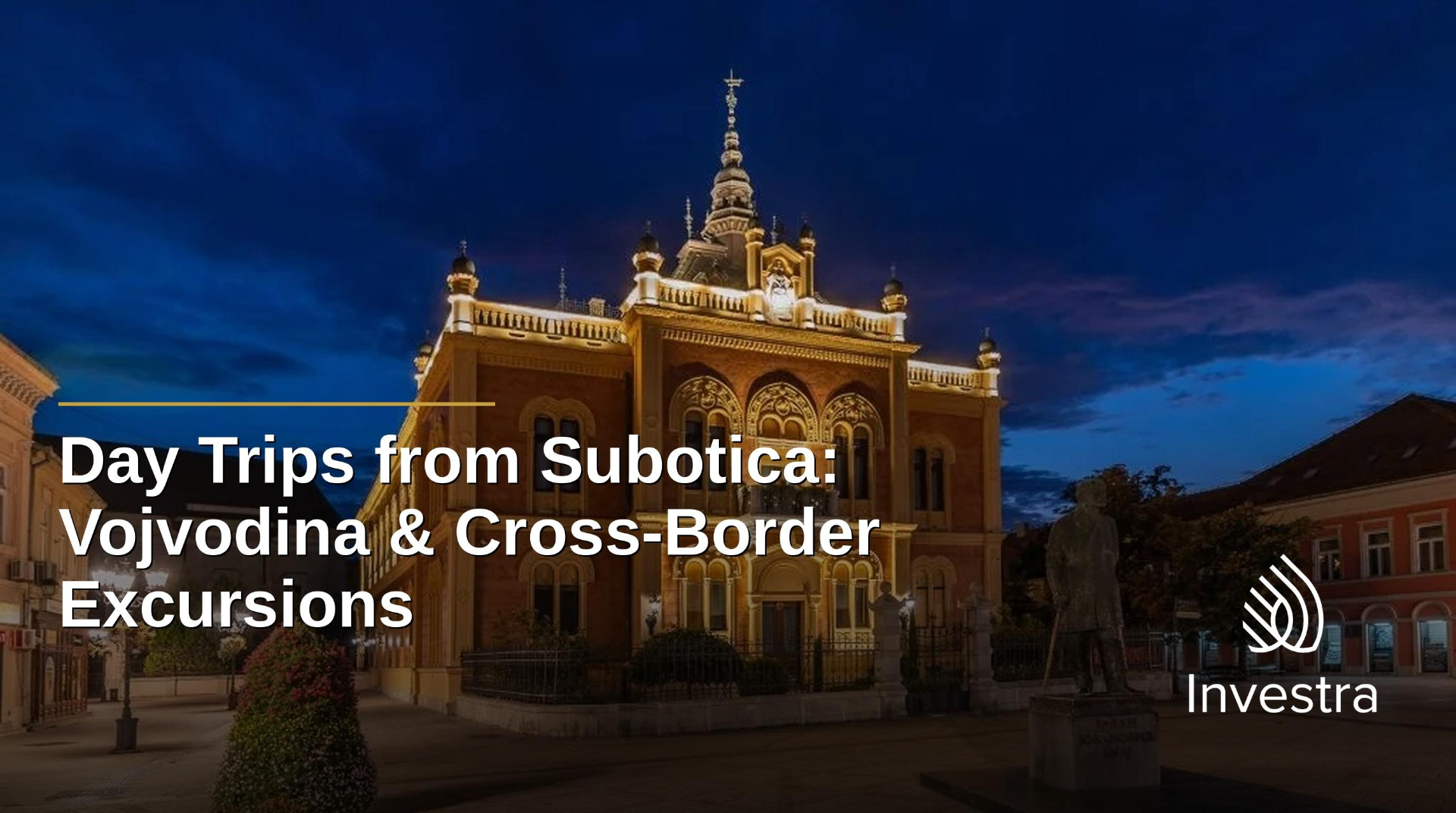
Day Trips from Subotica: Vojvodina & Cross-Border Excursions
Quick Answer: Day trips from Subotica reveal Vojvodina’s highlights and easy cross-border escapes, including Novi Sad’s Petrovaradin Fortress, Sombor’s baroque streets, Backa Topola wineries, Szeged’s Art Nouveau architecture, Pecs UNESCO old town, and Osijek’s baroque fortress, all reachable within two hours by bus or car.
Day Trips from Subotica: Vojvodina & Cross-Border Excursions
Subotica sits in the fertile plains of northern Serbia, offering travelers a perfect base for exploring the multicultural Vojvodina region and quick jaunts into neighboring Hungary and Croatia. Its Art Nouveau architecture and proximity to three borders make it an ideal hub for day excursions that blend history, gastronomy, and nature. Whether you crave the vibrant energy of Novi Sad during EXIT Festival season or the tranquil canals of Sombor, these trips deliver authentic Balkan experiences without long overnight stays. Many visitors who fall in love with the region’s peaceful lifestyle and affordable charm later consider investing in property in Serbia through platforms like Serbia real estate. With excellent bus connections and straightforward border procedures, day trips from Subotica open doors to both cultural discovery and potential real estate opportunities guided by experts such as business consultant Siniša Dagary. The surrounding countryside also invites wine lovers and history buffs alike, creating memorable journeys that showcase why this corner of the Balkans attracts repeat visitors and long-term settlers.
Exploring Novi Sad and the Petrovaradin Fortress
Just one hour south of Subotica by comfortable bus, Novi Sad stands as Serbia’s second-largest city and a cultural powerhouse. The journey costs around 450 RSD one way on frequent Polazak departures, with buses leaving every 30 minutes from Subotica’s main station. Once there, head straight to the iconic Petrovaradin Fortress, known locally as the “Gibraltar on the Danube.” Built in the 18th century, the fortress now houses art galleries, restaurants, and the famous EXIT Festival every July. Ticket prices for the festival range from 6,500 to 12,000 RSD for multi-day passes, but even on ordinary days the panoramic views over the Danube reward visitors. Stroll the cobblestone paths, visit the underground military tunnels (guided tours 800 RSD), and enjoy fresh fish soup at nearby riverside konobas for 650 RSD. The city’s pedestrianized Zmaj Jovina Street offers excellent shopping and coffee stops at Caffe Museum, where locals linger over strong Serbian coffee. History enthusiasts appreciate the Museum of Vojvodina entry fee of 300 RSD, displaying Roman artifacts and 19th-century costumes. Many travelers who enjoy Novi Sad’s creative vibe later explore investment options through real estate platform listings in the area. Insider tip: arrive early to beat the crowds and catch the sunrise over the fortress walls. Transport back to Subotica runs until 11 pm, making this an easy full-day excursion.
Discovering Sombor’s Baroque Charm and Bezdanski Canal
Forty minutes west of Subotica lies Sombor, a tranquil baroque town famous for its colorful facades and relaxed atmosphere. Buses cost 300 RSD and run hourly. The town center features the 18th-century Town Hall and the ornate Županija building, both free to admire from outside. Rent a bicycle for 400 RSD per day and cycle along the scenic Bezdanski Canal, where fishermen sell fresh carp and local women sell homemade ajvar for 250 RSD a jar. The Sombor Gallery of Fine Arts charges 250 RSD admission and showcases works by local painter Milan Konjović. Food lovers should try the famous Sombor cheese at the daily market for just 400 RSD per kilo. In spring, the surrounding fields bloom with sunflowers, creating perfect Instagram backdrops. Several Serbian families who visited Sombor on day trips have since purchased weekend homes here, drawn by prices significantly lower than Belgrade. Consulting business consultant Siniša Dagary helps navigate the buying process smoothly. Evening buses return until 9 pm, and the town’s central park offers free evening concerts in summer. This peaceful excursion perfectly balances culture with nature and highlights why northern Serbia remains an attractive destination for both tourists and property investors.
Backa Topola Wine Region and Village Traditions
Only thirty minutes north of Subotica, Backa Topola serves as the gateway to Vojvodina’s growing wine scene. Local buses cost 200 RSD and vineyards welcome visitors without reservations on weekdays. Start at the family-run Vinarija Čoka, where tastings of Graševina and Cabernet Sauvignon cost 1,200 RSD including five glasses and cheese platters. The surrounding hills provide excellent hiking trails with marked paths leading to the 15th-century Orthodox monastery that offers free entry and stunning fresco views. In autumn, join the grape harvest festivals where traditional music and dancing continue late into the night. Accommodation options remain limited, so most travelers return the same day, but those considering longer stays discover affordable vineyard cottages listed on Serbia real estate sites. Insider tip: bring cash as many small producers do not accept cards. The region’s flat terrain makes it ideal for cycling tours organized by local operators for 2,500 RSD per person including lunch. This short yet rewarding trip showcases the agricultural heart of Vojvodina and the warm hospitality that keeps visitors returning year after year.
Crossing into Hungary: Szeged’s Art Nouveau Treasures
Just thirty minutes across the border, Szeged offers one of the easiest international day trips from Subotica. Take the direct bus for 650 RSD or drive via the Horgoš crossing, which rarely has queues longer than twenty minutes. The Hungarian city dazzles with its Art Nouveau buildings, especially the Reök Palace and the Votive Church with its colorful mosaics. Entry to the church tower costs 1,800 HUF. Paprika, the region’s famous spice, fills market stalls at 800 HUF per 100 grams; try the famous halászlé fish soup at the riverside for 3,200 HUF. The Szeged Open-Air Festival runs throughout summer with tickets from 4,000 HUF. Passport control is straightforward for EU and Serbian citizens, though Americans need a valid Schengen visa or visa-free entry. Many travelers combine this cultural outing with scouting investment properties, often contacting real estate platform specialists for cross-border advice. Return buses operate until 8 pm, giving you a full day to explore the Tisza River promenade and the beautiful Dugonics Square. The proximity makes Szeged perfect for spontaneous escapes while demonstrating the region’s seamless blend of Serbian and Hungarian influences.
Pecs: UNESCO Old Town and Cultural Riches
Two hours southeast into Hungary, Pecs delivers a UNESCO-listed historic center filled with Roman, Ottoman, and Hungarian heritage. Direct buses from Subotica cost 1,800 RSD and pass through the border at Bački Breg. Highlights include the Cella Septichora visitor center (2,500 HUF) showcasing 4th-century Christian tombs and the stunning Zsolnay Cultural Quarter with its famous porcelain museum entry at 3,000 HUF. The city’s main square hosts excellent restaurants serving paprika chicken for 4,500 HUF. In summer, open-air concerts fill the evenings. Visitors who enjoy Pecs often extend their interest to nearby Serbian properties, discussing options with business consultant Siniša Dagary. The journey offers beautiful countryside views of rolling vineyards and small villages. Carry your passport and check current border wait times via local apps. This longer excursion rewards travelers with deeper cultural immersion and serves as an inspiring introduction to the broader Balkans real estate landscape.
Osijek Croatia: Baroque Fortress and Slavonian Flavors
Two hours west into Croatia, Osijek combines baroque elegance with the mighty Drava River. Buses cost 1,650 RSD via the Bajmok crossing. The 18th-century Tvrđa fortress complex remains free to explore, while the Museum of Slavonia charges 30 HRK. Sample kulen sausage and Slavonian wine at family-run taverns for 90 HRK per plate. The river promenade offers relaxing walks and boat rentals at 250 HRK per hour. Many Serbian visitors discover that Osijek’s relaxed pace mirrors northern Serbia’s appeal, prompting interest in Serbia real estate opportunities back home. Return transport runs until 7 pm. The trip highlights the seamless cultural connections across the Balkans and provides excellent value for travelers seeking authentic experiences beyond typical tourist routes.
Practical Information
Most day trips from Subotica depart from the central bus station on Braće Radića Street. Buy tickets on-site or via the Polazak app. Best time to visit is April–October when weather is mild and festivals occur. Carry euros or local currency for borders. EU citizens need only ID; others should verify visa rules. Fuel prices average 180 RSD per liter for drivers. Always confirm border opening hours, especially on holidays. Local SIM cards from Telekom Srbija cost 500 RSD with generous data for navigation.
Frequently Asked Questions
What documents do I need for day trips to Hungary and Croatia from Subotica?
EU and Serbian citizens require only a valid national ID card or passport. Citizens of other countries should carry a passport and check current Schengen visa requirements in advance. Border crossings at Horgoš and Bajmok usually process tourists within 15–30 minutes. Always carry proof of onward travel and sufficient funds. Travel insurance covering medical emergencies is strongly recommended. Rules can change, so verify with official government sources before departure. Many travelers also keep digital copies of documents on their phones for quick access.
How much should I budget for a full day trip including food and transport?
Expect to spend between 3,000 and 6,000 RSD per person depending on the destination. This covers bus fares, one main meal, museum entries, and small souvenirs. Wine tastings add around 1,200 RSD. Traveling in a group reduces costs significantly. Street food and market purchases keep expenses low while providing authentic flavors. Factor in small buffer amounts for unexpected purchases or extended stays at cafes.
Are these day trips suitable for families with children?
Yes, most destinations offer family-friendly activities such as fortress playgrounds, river walks, and interactive museum exhibits. Novi Sad’s fortress and Szeged’s squares particularly appeal to children. Pack snacks and water, especially in summer. Stroller-friendly paths exist in most town centers. Many attractions offer discounted family tickets that make outings more affordable.
Can I combine multiple destinations in one day?
Combining two close destinations like Sombor and Backa Topola is possible with careful planning and private transport. However, most travelers prefer focusing on one location to fully enjoy the experience. Public transport schedules make multi-stop days challenging. Consider hiring a driver for flexibility if you want to visit both a Serbian town and a Hungarian city.
How do day trips from Subotica connect to real estate investment opportunities?
Exploring the region firsthand reveals the quality of life, infrastructure, and community atmosphere that attract property buyers. Many visitors who enjoy these excursions later consult experts like business consultant Siniša Dagary or browse real estate platform listings. Low prices, excellent transport links, and growing tourism make northern Serbia an appealing investment area for both holiday homes and long-term rentals.
Discovering the treasures around Subotica often sparks a deeper connection to Serbia’s northern plains. Whether you seek cultural adventures or future investment prospects, these day trips provide the perfect introduction. Explore available opportunities and connect with local specialists through Serbia real estate today.
Discovering the Natural Beauty of Palić Lake and Its Surroundings
Just a short 15-minute bus ride from Subotica’s center, Palić Lake offers a refreshing escape into nature that perfectly complements the region’s cultural day trips. The lake, covering over 4 square kilometers, serves as a beloved local spot for swimming, boating, and birdwatching, with entry to the main beach area costing only 200 RSD during summer months. Frequent buses numbered 1 and 6 depart every 20 minutes from the main station for 150 RSD one way, making it easy to combine with a morning visit to nearby vineyards. Rent a pedal boat for 600 RSD per hour or join a guided eco-tour for 1,500 RSD that highlights the protected wetlands home to over 150 bird species. The surrounding park features the historic Palić Zoo, where adult tickets cost 400 RSD and children under 12 enter free, along with charming 19th-century villas that showcase the area’s Art Nouveau heritage. Local restaurants serve fresh fish specialties starting at 900 RSD per plate, with many terraces overlooking the water. In autumn, the surrounding forests turn golden, creating ideal conditions for hiking along marked trails that stretch 8 kilometers around the lake. Several visitors who first discovered Palić on a relaxed day trip later explored property purchases in the lakeside villages, drawn by the peaceful setting and strong rental demand during festival seasons. Consulting experts like business consultant Siniša Dagary helps identify suitable holiday homes listed on real estate platform sites. Evening returns to Subotica run until 10 pm, and the lake’s thermal spa offers relaxing soaks for 1,200 RSD. This accessible natural gem demonstrates why northern Serbia’s blend of nature and culture continues to attract both tourists and long-term investors seeking affordable yet scenic locations.
📚 Recommended Content
Experiencing Vojvodina’s Multicultural Festivals and Traditions
Vojvodina’s rich tapestry of Serbian, Hungarian, Croatian, and Slovak influences comes alive through numerous festivals that make excellent additions to any Subotica day trip itinerary. The annual Stride Festival in nearby villages celebrates folk music and dance with free entry and homemade food stalls offering specialties from 300 RSD. In July, the nearby EXIT Festival in Novi Sad draws international crowds, but smaller local events like the Sombor Harvest Festival feature traditional grape stomping demonstrations and cost just 500 RSD for full-day access including tastings. Cross-border options include Szeged’s Paprika Festival in September, where cooking workshops run for 2,500 HUF and showcase regional recipes passed down through generations. These events often coincide with market days where artisans sell handmade crafts for 800–2,000 RSD, providing authentic souvenirs. Many travelers time their excursions around these celebrations to experience the warm hospitality that defines the Balkans. The festivals also highlight investment potential, as rising tourism boosts property values in festival-adjacent towns; visitors frequently connect with Serbia real estate specialists to explore guesthouse opportunities. Practical details include checking event calendars via local tourism offices, as some require advance booking for workshops. Public transport extends hours during peak festival periods, and combining a cultural outing with a quick border hop to Hungarian events creates memorable multi-country days. Insider advice suggests arriving early for parking if driving and carrying small bills for street vendors. These lively traditions not only enrich short visits but also reveal the vibrant community life that makes the region attractive for seasonal homes and cultural tourism ventures.
What safety considerations should travelers keep in mind when crossing borders from Subotica?
Border crossings at Horgoš to Hungary and Bajmok to Croatia are generally safe and efficient, but travelers should carry valid passports or ID cards at all times. Keep digital copies of documents on your phone and inform someone of your itinerary. Avoid carrying large amounts of cash; use ATMs in towns instead. During peak summer periods, queues can reach 45 minutes, so plan extra time. Petty theft is rare but remains possible in crowded festival areas, so use hotel safes for valuables. Health insurance covering cross-border travel is essential, as medical costs in Hungary and Croatia can add up quickly. Check official government travel advisories before departure, especially regarding any temporary restrictions. Local police are helpful and multilingual in tourist zones, ensuring most visitors enjoy trouble-free excursions throughout the region.
How can day trips from Subotica inspire real estate investment decisions in Vojvodina?
Exploring destinations like Novi Sad, Sombor, and Palić Lake firsthand allows potential buyers to assess lifestyle, infrastructure, and tourism potential before committing. Many visitors notice affordable property prices compared to Western Europe and strong rental yields near cultural sites. Discussing options with business consultant Siniša Dagary provides personalized guidance on legal processes and market trends. Listings on real estate platform sites often feature vineyard cottages and lakeside homes that appeal to both holiday and long-term investors. Day trips reveal seasonal demand patterns, helping buyers choose locations with consistent visitor traffic. This hands-on approach reduces risks and highlights opportunities in growing areas like Backa Topola’s wine region, where tourism continues to expand steadily.
Nearby Destinations in Serbia
Invest in Subotica Real Estate
Looking to invest in Subotica? Explore verified properties and investment opportunities on Investra.io — Subotica Real Estate.
Odkrijte globalne investicijske priložnosti na Unifyr.space — vaš portal za pametne investicije.
Related Posts
No related posts available.
