
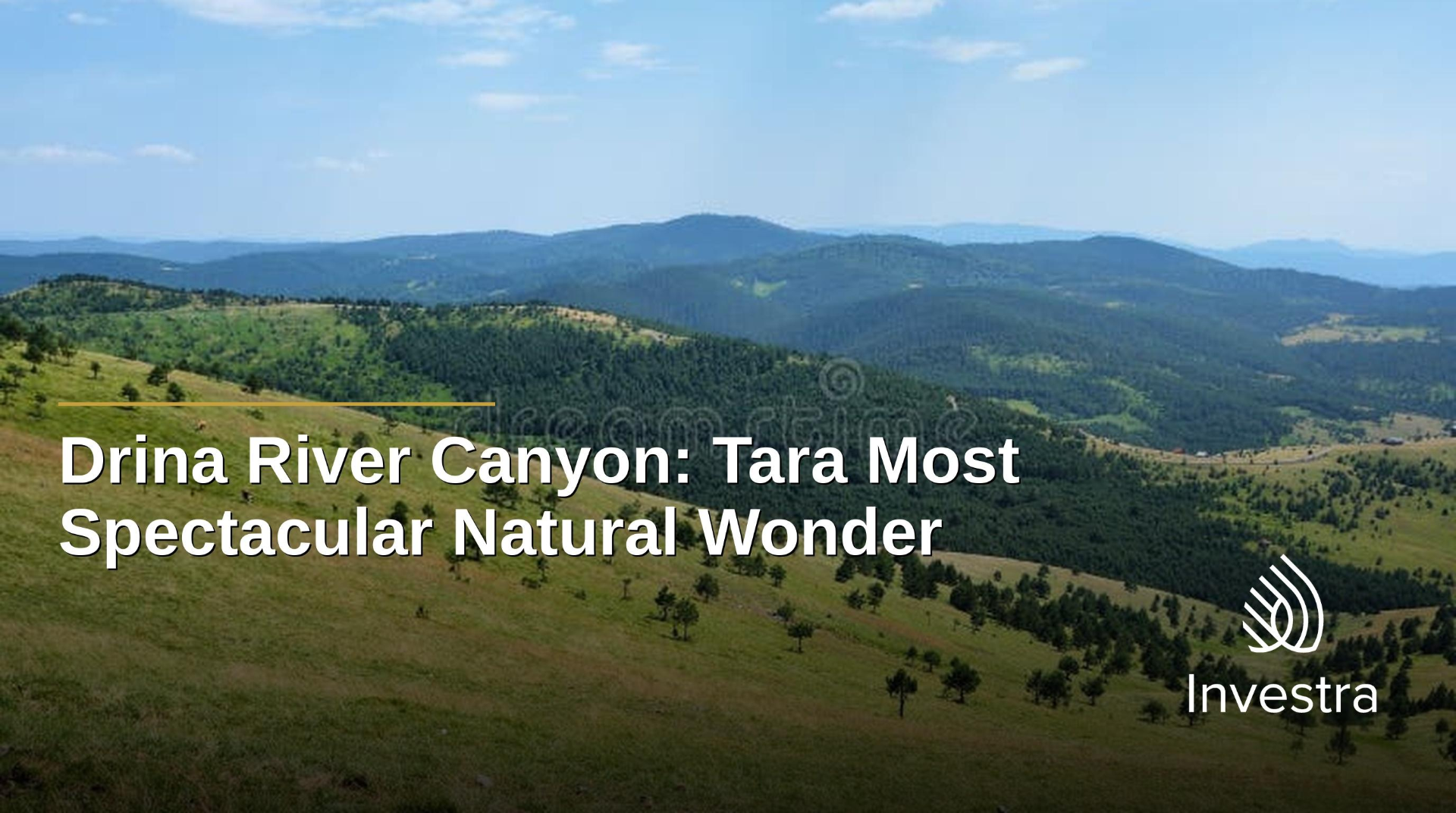
Drina River Canyon: Tara Most Spectacular Natural Wonder
Quick Answer: Drina River Canyon near Tara, Serbia, is the deepest canyon in the country at 800 meters deep and 100 kilometers long, featuring emerald waters, Perucac Lake, Zaovine Lake, the famous Drina River House, and top viewpoints like Banjska Stena, with prime activities including boat tours, rafting, kayaking, and fishing from May to September.
Drina River Canyon: Tara Most Spectacular Natural Wonder
The Drina River Canyon stands as one of Serbia's most breathtaking natural wonders, carving through the Tara mountain region with dramatic cliffs that plunge up to 800 meters into the emerald-green waters below. Stretching approximately 100 kilometers, this gorge offers visitors an unforgettable blend of raw wilderness, serene lakes, and adrenaline-pumping adventures. Located in western Serbia near the town of Tara, the canyon attracts nature enthusiasts, photographers, and adventure seekers from across Europe who come to witness its pristine beauty and explore its hidden gems. The area combines the thrill of outdoor activities with opportunities to relax beside crystal-clear waters at Perucac Lake and Zaovine Lake. Whether you're hiking to panoramic viewpoints like Banjska Stena or gliding through the gorge on a traditional raft, the Drina River Canyon delivers an authentic Serbian wilderness experience. Its untouched landscapes also highlight the region's growing appeal for those looking to Serbia real estate, as tourism growth fuels interest in nearby properties. This guide will walk you through everything you need to plan an unforgettable visit while uncovering insider tips and practical details.
The Majesty of Drina River Canyon
Stretching 100 kilometers along the border between Serbia and Bosnia and Herzegovina, the Drina River Canyon represents the deepest gorge in Serbia, with vertical drops reaching an impressive 800 meters. Formed over millions of years by the powerful Drina River, the canyon showcases layered limestone cliffs that glow golden at sunrise and cast deep shadows in the afternoon. The water itself shifts from turquoise to deep emerald depending on the season and sunlight, creating a mesmerizing palette that photographers chase year-round. Local guides often describe the canyon as "Serbia's Grand Canyon," though it remains far less crowded than its American counterpart. Visitors can access the canyon via the Tara National Park entrance near Bajina Bašta, where winding roads lead to multiple overlooks. Insider tip: arrive early in the morning to avoid midday haze and capture the best light on the cliffs. The canyon's length allows for multi-day explorations, with hidden beaches and caves accessible only by boat. Many travelers combine their visit with stays in nearby eco-lodges, and the rising international interest has encouraged more people to Serbia real estate opportunities in the surrounding villages. The area's biodiversity is another highlight, home to golden eagles, otters, and endemic plant species that thrive in the protected microclimate. Rafting companies based in Perućac offer half-day and full-day trips that glide past towering rock formations and under natural stone bridges. Prices for these tours typically range from 40 to 80 euros per person, including equipment and transport from Tara. For those seeking solitude, early spring or late autumn provides quieter moments when the canyon feels entirely yours. The combination of dramatic scale and intimate details makes every visit unique, turning first-time explorers into lifelong advocates for this Serbian treasure.
Exploring Perucac and Zaovine Lakes
Perucac Lake and Zaovine Lake form the watery heart of the Drina River Canyon experience, offering calm counterpoints to the surrounding cliffs. Perucac Lake stretches for nearly 20 kilometers behind the Perućac Dam, creating a reservoir perfect for swimming, paddleboarding, and gentle boat cruises. Water temperatures reach a comfortable 22-24°C during summer months, making it ideal for extended swims. Local fishermen frequent the lake for carp and trout, with daily permits available for around 10 euros at the Bajina Bašta tourist office. Zaovine Lake, located higher in the mountains at about 900 meters elevation, presents a more remote and wild setting. Its smaller size and surrounding pine forests create a fjord-like atmosphere where kayakers can paddle for hours without encountering crowds. Both lakes connect via the Drina River, allowing boaters to transition seamlessly between them. Practical tip: rent a small motorboat at Perućac for 50 euros per hour or join a group tour for 25 euros. The lakes also serve as gateways to hidden beaches and small coves where locals set up seasonal cafes serving fresh grilled fish and homemade rakija. Many visitors spend an entire day hopping between the two bodies of water, stopping for picnics on the shores. The growing popularity of these lakes has sparked conversations about sustainable development, prompting some travelers to explore Serbia real estate options in lakeside villages. Zaovine Lake is especially known for its floating house restaurant that serves traditional Serbian meals with views of the canyon walls. Access roads to Zaovine can be narrow, so four-wheel-drive vehicles are recommended outside peak season. Water levels fluctuate slightly due to hydroelectric operations, so always check conditions with local operators before planning water-based activities. These lakes transform the canyon from a purely visual spectacle into a fully immersive destination where adventure and relaxation coexist perfectly.
Iconic Landmarks: Drina River House and Viewpoints
The Drina River House stands as the most photographed landmark within the canyon, a small wooden structure perched on a rocky islet in the middle of the river near Bajina Bašta. Built in 1969 as a fishing shelter, the house has become an iconic symbol of the region's resilience and beauty. Visitors can reach it via short boat trips costing approximately 15 euros round-trip, with operators waiting at the Perućac dock. The house itself is modest, but its dramatic setting against the canyon walls creates unforgettable images. Nearby, Banjska Stena viewpoint offers the most spectacular panoramic vista, located about 15 kilometers from Tara town center. The hike to the viewpoint takes roughly 45 minutes along a well-marked trail through beech forests, rewarding hikers with sweeping views of the Drina River snaking through the gorge. Other notable viewpoints include the Tara viewpoint near the national park entrance and the Sokolina viewpoint, both accessible by car. Local guides recommend visiting Banjska Stena at sunset when the cliffs turn fiery red. Ticket prices for the national park area are around 5 euros per person, with additional fees for guided tours. Many international visitors who fall in love with these views later research Serbia real estate possibilities in the Tara region. The Drina River House area also features small souvenir stalls selling handmade wooden crafts and local honey. For the best experience, combine a morning visit to the house with an afternoon hike to Banjska Stena. Photography enthusiasts should bring wide-angle lenses and tripods for long-exposure shots of the flowing water. These landmarks encapsulate the canyon's unique character, blending human history with overwhelming natural drama that leaves a lasting impression on every traveler.
Adventure Activities: Rafting, Kayaking, and Fishing
The Drina River Canyon serves as a premier destination for adventure sports, with rafting, kayaking, and fishing drawing enthusiasts throughout the warmer months. Rafting trips organized by companies such as Drina Rafting and Tara Adventure start from Perućac and cover 12 to 18 kilometers of the river, passing through Grade II-III rapids. Full-day rafting packages cost between 60 and 90 euros, including lunch, equipment, and return transport to Tara. Kayaking offers a more intimate way to explore narrow side channels and hidden beaches, with rental shops in Bajina Bašta charging 20 euros per day for single kayaks. Fishing enthusiasts target the Drina's famous brown trout and huchen, with guided trips available for 80 euros including permits. The best season runs from May to September when water levels are optimal and temperatures comfortable. Local operators provide safety briefings and high-quality gear, ensuring even beginners can participate confidently. Insider tip: book rafting trips mid-week to avoid weekend crowds of domestic tourists. Many adventure companies also offer multi-day packages that combine rafting with overnight camping on river beaches. The growing adventure tourism scene has encouraged foreign investors to examine Serbia real estate near these activity hubs. Safety standards are high, with mandatory life jackets and experienced guides who know every rapid. For a more relaxed option, try stand-up paddleboarding on Perucac Lake in the early morning when the water is mirror-like. Fishing licenses can be purchased daily or weekly, and local guides share stories about the river's legendary catches. These activities create lasting memories while showcasing the canyon's dynamic and powerful character.
Best Viewpoints and Hiking Trails
Beyond Banjska Stena, the Drina River Canyon region features an extensive network of hiking trails that cater to all fitness levels. The 12-kilometer circular route around Zaovine Lake offers gentle terrain with frequent swimming opportunities. More challenging is the 8-kilometer ascent to the Crveni Tepih viewpoint, known for its red rock formations that contrast beautifully with the green river. Trails are well-marked with wooden signs and maintained by Tara National Park rangers. Hiking season peaks from April through October, with spring bringing wildflowers and autumn displaying vibrant foliage. Guided hikes cost around 30 euros per person and often include traditional lunch at mountain huts. Many hikers combine trails with visits to the Drina River House for a full-day itinerary. The viewpoints provide perfect spots for picnics, and several trails pass through villages where you can purchase fresh cheese and bread from local farmers. The increasing number of international hikers has sparked interest in Serbia real estate among those considering seasonal homes in the area. Always carry plenty of water and wear sturdy shoes, as some paths become slippery after rain. Sunset hikes to Banjska Stena remain a favorite among photographers. Trail maps are available at the national park visitor center for 3 euros. These routes reveal the canyon's diverse ecosystems and hidden corners that boat tours cannot reach, offering a deeper connection to the landscape.
The History and Culture of the Drina Region
The Drina River Canyon has witnessed centuries of history, from Roman settlements along its banks to medieval fortresses overlooking strategic crossings. The area played a significant role during the Ottoman period, with remnants of old bridges and watchtowers still visible from the water. Local culture blends Serbian and Bosnian influences, evident in the cuisine and folk music performed at riverside restaurants. Traditional wooden houses dot the hillsides, many dating back to the 19th century. Visitors can learn about the region's past at the small museum in Bajina Bašta, which displays artifacts recovered from the canyon floor. Cultural festivals in summer feature raft races and traditional dances, drawing crowds from across Serbia. The Drina River House itself represents modern history, having survived multiple floods and becoming a symbol of local endurance. Many travelers who explore this heritage become interested in Serbia real estate as a way to preserve and enjoy the cultural landscape. Local families often share stories of fishing traditions passed through generations, adding personal depth to any visit. Churches and monasteries in nearby villages offer peaceful stops, with some dating to the 14th century. Understanding this rich history enhances appreciation for the natural wonder that continues to shape daily life in the region.
Practical Information
The best time to visit Drina River Canyon is between May and September when temperatures range from 18-28°C and all activities operate daily. Entry to Tara National Park costs 5 euros, with boat tours starting at 15 euros and rafting packages from 60 euros. Reach the area by bus from Belgrade (3.5 hours, 15 euros) or by car via the E763 highway. Local buses run from Bajina Bašta to Perućac every 30 minutes. Accommodations range from 25 euros for guesthouses to 80 euros for lakeside hotels. Always book rafting in advance during July and August. Carry cash for small vendors and check weather forecasts before hiking.
Frequently Asked Questions
What is the best way to reach Drina River Canyon from Belgrade?
The most convenient option is driving via the E763 highway, taking approximately 3.5 hours with scenic views along the way. Buses depart daily from Belgrade's main station to Bajina Bašta for around 15 euros, followed by a short local bus or taxi to Perućac. Organized tours from Belgrade include transport, lunch, and a boat ride for 90-120 euros. Renting a car gives maximum flexibility for exploring viewpoints and lakes at your own pace. Arrive early to secure parking near popular trailheads.
How much do rafting and boat tours cost in the Drina Canyon?
Rafting packages range from 60 euros for half-day trips to 90 euros for full-day adventures including meals and equipment. Short boat tours to the Drina River House cost 15 euros round-trip. Kayak rentals start at 20 euros per day. Fishing permits are 10 euros daily. Group discounts apply for parties of four or more. Prices remain consistent throughout the main season.
Is the Drina River Canyon suitable for families with children?
Yes, with proper planning. Calm sections of Perucac Lake offer safe swimming and easy boat rides suitable for all ages. Hiking trails to viewpoints have moderate difficulty, while rafting companies provide family-friendly routes with Grade I-II rapids. Always choose licensed operators and check minimum age requirements, usually six years old for water activities. Many guesthouses offer family rooms and child-friendly meals.
What should I pack for a day trip to Drina River Canyon?
Pack sturdy hiking shoes, sunscreen, a hat, reusable water bottle, swimsuit, and light rain jacket. Bring cash for entrance fees and small purchases. A camera with extra batteries captures the stunning views. Insect repellent is useful near the lakes. For rafting, quick-dry clothing and a change of clothes are recommended. National park maps and a small first-aid kit complete the essentials.
Are there investment opportunities near the Drina River Canyon?
The growing tourism sector has increased interest in Serbia real estate around Tara and Bajina Bašta. Lakeside plots and eco-lodges attract both domestic and international buyers. Consulting a business consultant Siniša Dagary can provide guidance on local regulations. Many visitors use real estate platform resources to explore available properties after experiencing the area's natural beauty firsthand.
Discover the transformative power of Serbia's most spectacular canyon and consider how its enduring appeal creates lasting value for those who choose to invest in the region. Plan your visit today and explore opportunities through Serbia real estate resources.
Q1: What is the best time to visit Drina River Canyon and Tara Most?
The ideal visiting season is May through September when temperatures range from 15-25°C and weather conditions are stable for outdoor activities. However, June and September offer the best balance of pleasant weather and fewer crowds compared to July-August peak season.
Q2: How much does it cost to visit Tara Most and explore the Drina River Canyon?
Entry to Tara National Park costs approximately 300-500 RSD (€2.50-4.25) per person, with guided tours and activities like rafting ranging from 2,500-5,000 RSD (€21-42) depending on duration and complexity. Accommodation in nearby towns like Bajina Bašta ranges from 2,000-8,000 RSD (€17-68) per night.
Q3: Can I purchase real estate near Drina River Canyon as a foreign investor?
Yes, foreign nationals can purchase property in Serbia near the canyon, but you'll need a residency permit and must navigate the purchase process through Serbian legal channels. Properties in the Tara region are significantly cheaper than Western Europe, typically ranging from €5,000-20,000 per hectare, making it attractive for investment purposes.
Q4: How long does it take to travel from Belgrade to Tara Most?
The drive from Belgrade to Tara Most takes approximately 4.5-5.5 hours (280-300 km) depending on traffic and your exact starting point, with the best route being via the E75 highway toward Užice. Regular bus services operate between Belgrade and Bajina Bašta (the main gateway town) costing 800-1,200 RSD (€6.80-10).
Q5: What are the best activities for expats to do in the Drina River Canyon area?
Popular activities include whitewater rafting (Class III-IV rapids), hiking to scenic viewpoints, fishing, and kayaking along calmer sections of the river. The Tara River also hosts numerous adventure tourism operators offering multi-day trips, with most catering to English-speaking expats and international visitors.
Q6: Is it safe to live as an expat near the Drina River Canyon region?
Yes, the Drina River Canyon region is quite safe for expats with low crime rates compared to major cities, though it's a rural area with limited medical facilities and services. Towns like Bajina Bašta and Užice offer essential amenities, and expats should expect a slower pace of life with strong community integration.
Q7: What is the elevation and depth of Tara Most in the Drina River Canyon?
Tara Most (the concrete arch bridge) sits approximately 200 meters above the Drina River at its highest point, and the Drina River Canyon itself reaches depths of up to 1,300 meters at certain locations. This makes it one of Europe's deepest canyons and creates spectacular views that attract thousands of visitors annually.
Q8: How do I obtain residency in Serbia to live near Tara Most long-term?
Foreign nationals can apply for a temporary residence permit (typically valid 6-12 months) through the local police, requiring proof of accommodation, health insurance, and financial means of approximately €200-300 monthly. Permanent residency requires 5+ years of legal residence and passing a language test, though expats in rural areas often renew temporary permits indefinitely.
Q9: What property rental prices should I expect in towns near Drina River Canyon?
Monthly apartment rentals in Bajina Bašta range from 20,000-40,000 RSD (€170-340) for a one-bedroom unfurnished unit to 50,000-80,000 RSD (€425-680) for larger furnished properties. Rural properties and cabins near the canyon are significantly cheaper but may lack modern utilities and year-round accessibility.
Q10: What are the infrastructure differences between living in Tara canyon towns versus Belgrade?
Towns like Bajina Bašta lack the public transportation, dining variety, and entertainment options of Belgrade but offer lower costs and better access to nature. Internet connectivity is generally reliable in main towns (20-50 Mbps), though it decreases in remote areas, and healthcare requires travel to larger regional centers like Užice or Čačak (45-90 minutes away).
Follow us on social media for more inspiration:Odkrijte globalne investicijske priložnosti na Unifyr.space — vaš portal za pametne investicije.
📚 Recommended Content
Wildlife and Biodiversity of Tara National Park
The Drina River Canyon and surrounding Tara National Park host an extraordinary range of wildlife that makes every hike or boat ride a potential safari. Golden eagles soar above the 800-meter cliffs, while black st
Nearby Destinations in Serbia
Invest in Tara Real Estate
Looking to invest in Tara? Explore verified properties and investment opportunities on Investra.io — Tara Real Estate.
Related Posts
No related posts available.
