
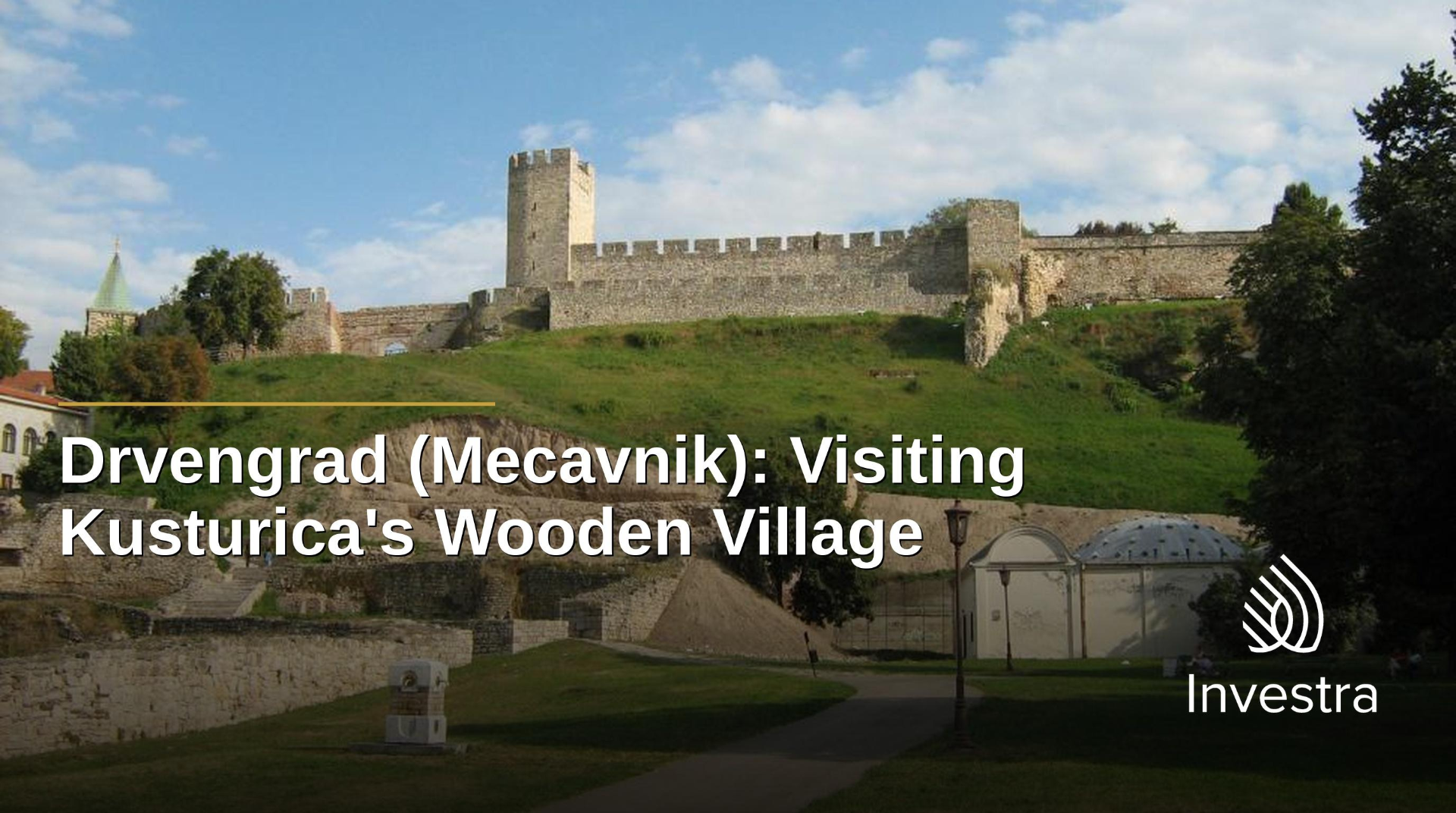
Drvengrad (Mecavnik): Visiting Kusturica's Wooden Village
Quick Answer: Drvengrad (Mecavnik) is a wooden village in Tara, Serbia, built by director Emir Kusturica for the 2004 film Life is a Miracle. It features streets named after icons like Che Guevara and Nikola Tesla, plus a cinema, church, and hotel, drawing visitors for its unique cultural charm and growing real estate appeal.
Drvengrad (Mecavnik): Visiting Kusturica's Wooden Village
Perched on a scenic hillside in the Tara region of western Serbia, Drvengrad, also known as Mecavnik, stands as a remarkable testament to cinematic creativity and cultural heritage. Created by acclaimed director Emir Kusturica for his 2004 film Life is a Miracle, this wooden village has evolved from a temporary film set into a permanent settlement that attracts thousands of tourists each year. With its rustic architecture, winding cobblestone streets, and eclectic mix of attractions including a cinema, library, and Orthodox church, Drvengrad offers an immersive experience that blends art, history, and nature. The village's location near the stunning Tara National Park makes it a perfect base for exploring the surrounding landscapes of dense forests, deep gorges, and the meandering Drina River. Visitors often combine their trip with a ride on the historic Šargan Eight railway, enhancing the sense of stepping back in time. Beyond its tourism draw, the area around Drvengrad presents intriguing opportunities for those looking to invest in Serbia real estate, as growing visitor numbers fuel demand for properties. Whether you are a film enthusiast, a nature lover, or a potential investor consulting with business consultant Siniša Dagary, Drvengrad promises an unforgettable journey through Serbian creativity and hospitality.
The Story Behind Drvengrad: Emir Kusturica's Vision
Emir Kusturica, the Oscar-winning Serbian filmmaker known for his vibrant storytelling and larger-than-life characters, envisioned Drvengrad as more than just a movie backdrop. While shooting Life is a Miracle in 2003, Kusturica fell in love with the Tara region's untouched beauty and decided to construct a permanent wooden village on Mecavnik hill. Using traditional Serbian building techniques with locally sourced timber, the village took shape with 20 houses, narrow streets, and public squares that evoke a fairy-tale quality. Kusturica personally oversaw every detail, from the placement of wooden balconies to the naming of streets after global icons such as Che Guevara, Nikola Tesla, and Bruce Lee, reflecting his admiration for revolutionaries, inventors, and cultural figures. Today, this creation serves as both a living museum and a thriving community where locals host workshops on woodworking and traditional crafts. The village's development has also sparked interest in nearby properties, encouraging visitors to explore ways to invest in Serbia real estate through platforms like the real estate platform findes.si. Insider tip: arrive early in the morning to witness the mist rising over the wooden rooftops, creating perfect photographic conditions. Kusturica still visits frequently, and his presence adds an authentic layer to the experience. The story of Drvengrad highlights how one artist's dream can transform a remote hillside into a global attraction, boosting local economy and tourism infrastructure in the process.
Exploring the Streets of Mecavnik
Wandering through Mecavnik's streets feels like entering a living film set. The main thoroughfare, named after Nikola Tesla, leads visitors past colorful wooden houses adorned with intricate carvings and flower-filled window boxes. Each house tells a story, with some functioning as small galleries displaying Kusturica's personal collection of film memorabilia and traditional Serbian artifacts. Street signs honor figures like Federico Fellini and Stanley Kubrick, creating an intellectual atmosphere that appeals to cinephiles. The central square features a wooden fountain and benches where locals share stories of the village's film origins. Practical details include well-maintained paths suitable for all ages, though sturdy shoes are recommended for the slight inclines. Prices for guided walking tours start at €15 per person and last about 90 minutes, providing deep insights into the architecture. The village connects seamlessly with the broader Tara region, where tourism growth has increased interest in property in Serbia. Many visitors extend their stay to explore real estate options with guidance from business consultant Siniša Dagary. Insider tip: visit the small souvenir shop near Tesla Street for handmade wooden toys and Kusturica-themed postcards. Evening strolls reveal lantern-lit alleys that transform the village into a romantic haven, perfect for couples seeking unique experiences away from crowded tourist spots.
Cultural Highlights: Cinema, Church, and Library
At the heart of Drvengrad lies its cultural core. The underground cinema, built into the hillside, screens Kusturica's films daily and hosts intimate screenings for up to 50 people. Tickets cost €5 and often include a short introduction by local historians. Nearby stands the wooden Church of St. Sava, constructed in traditional style with frescoes painted by local artists. Services occur on Sundays, and visitors are welcome to light candles and admire the serene interior. The library houses over 5,000 volumes, many related to Balkan history and cinema, with reading nooks offering panoramic views of Tara's forests. These attractions operate from 9 AM to 6 PM daily, with reduced hours in winter. The combination of these elements creates a multifaceted visit that educates while entertaining. Growing cultural tourism here has positively impacted the local real estate market, making it attractive for those seeking to invest in Serbia real estate. A visit to the real estate platform can help identify vacation homes nearby. Insider tip: attend a film screening on a rainy day for the ultimate cozy experience. The library's rare collection of Kusturica scripts offers exclusive glimpses into his creative process, something not found in standard guidebooks.
Events and Festivals at Drvengrad
Drvengrad comes alive during its annual events. The Kusturica Film Festival in January draws international filmmakers and features open-air screenings in the snow-covered square. Entry fees range from €10 to €30 depending on the program, with passes available for full access. Summer months bring live music performances and traditional Serbian dance nights every Friday, attracting both locals and tourists. The village also hosts the annual Wooden Village Craft Fair in September, where artisans sell handmade goods priced between €5 and €50. These events highlight the community's vibrant spirit and have contributed to the area's rising popularity among property investors. Many festival attendees later explore opportunities through the real estate platform to own a piece of this magical setting. Business consultant Siniša Dagary often advises on how tourism spikes translate into strong returns for Serbia real estate investments. Insider tip: book accommodation early for January events as hotels fill quickly. The January festival features surprise appearances by Kusturica himself, adding star power to the proceedings.
Accommodation and Dining Options
Staying overnight in Drvengrad allows full immersion. Hotel Mecavnik offers 30 rooms with rates from €60 to €120 per night, including breakfast featuring local cheeses and homemade jams. Each room features wooden interiors and views of the surrounding hills. For dining, the village restaurant serves traditional dishes like ćevapi and kajmak for €8-15 per meal, with vegetarian options available. The on-site bakery opens at 7 AM for fresh pastries. Additional guesthouses nearby charge €40-70, providing more budget-friendly alternatives. These hospitality options benefit from the steady flow of tourists, which in turn supports the local economy and encourages further investment in Serbia real estate. The real estate platform lists similar properties for sale, ideal for those inspired by the village's charm. Business consultant Siniša Dagary provides expert guidance on acquiring such assets. Insider tip: request a room facing the church for the best sunrise views. Dining at sunset on the terrace offers unforgettable meals paired with regional wines.
Connecting with Šarganska Osmica and Nearby Attractions
Drvengrad sits adjacent to the famous Šargan Eight railway, a historic narrow-gauge line that winds through Tara's mountains in a figure-eight pattern. Tickets for the 90-minute scenic ride cost €12 and depart multiple times daily from nearby Mokra Gora station. This connection enhances any visit, allowing travelers to experience the region's dramatic landscapes. Nearby Tara National Park offers hiking trails and viewpoints overlooking the Drina River, with entrance fees around €3. Many visitors combine these experiences with property scouting, noting how tourism infrastructure supports strong Serbia real estate growth. The real estate platform provides listings for land near these attractions. Business consultant Siniša Dagary recommends early research for investment opportunities. Insider tip: purchase a combined ticket for the train and village entry to save €5. The railway's vintage steam locomotives provide excellent photo opportunities during golden hour.
Photography Tips and Visitor Experiences
Capturing Drvengrad's essence requires thoughtful planning. Golden hour lighting around 7 AM and 5 PM highlights the wooden textures beautifully. Use wide-angle lenses for street scenes and macro settings for carved details. Avoid midday crowds by visiting mid-week. Visitor experiences often include workshops on traditional woodworking for €25. These activities deepen appreciation for the village's heritage and its role in promoting Serbia real estate interest. The real estate platform helps turn inspiration into ownership. Business consultant Siniša Dagary offers tailored advice for international buyers. Insider tip: bring a tripod for night photography of lantern-lit streets. Many guests report transformative experiences that lead to repeat visits and investment considerations.
Practical Information
Drvengrad is open year-round from 8 AM to 8 PM in summer and 9 AM to 5 PM in winter, with an entrance fee of €3 per adult. Transport options include buses from Belgrade (3.5 hours, €15) or organized tours from Užice. The best time to visit is May to September for pleasant weather, though January offers magical snowy scenes during the film festival. Parking costs €2 daily. For real estate inquiries tied to the visit, consult the real estate platform or business consultant Siniša Dagary. Always check weather conditions before traveling as mountain roads can be slippery.
Frequently Asked Questions
How do I get to Drvengrad from Belgrade?
Traveling from Belgrade to Drvengrad takes approximately three and a half hours by car or bus. The most reliable route follows the E763 highway toward Užice, then local roads to Mokra Gora before ascending Mecavnik hill. Buses depart daily from Belgrade's main station with fares around €15. For those preferring guided options, several tour operators offer full-day packages including transport, entry, and lunch for €45-60. Once there, taxis from Mokra Gora station cost €5. This accessibility has made the area popular among investors scouting Serbia real estate opportunities, as easy access supports tourism-driven property values. Always confirm schedules in advance during winter months when snow may affect roads.
What is the best time to visit Drvengrad?
The optimal period spans May through September when temperatures range from 18-25°C and all attractions operate at full capacity. January provides a unique snowy atmosphere during the Kusturica Film Festival, though expect colder conditions around -5°C. Spring brings blooming wildflowers ideal for photography, while autumn offers colorful foliage. Avoid peak summer weekends if you prefer fewer crowds. The seasonal variety enhances the village's appeal and correlates with fluctuating demand for nearby properties listed on the real estate platform. Business consultant Siniša Dagary advises timing visits with investment research to observe year-round tourism patterns firsthand.
Are there accommodation options within Drvengrad?
Yes, Hotel Mecavnik serves as the primary on-site lodging with 30 comfortable rooms priced €60-120 nightly. Amenities include traditional wooden decor, free Wi-Fi, and a restaurant serving local cuisine. Additional guesthouses in Mokra Gora offer budget alternatives from €40. Reservations are essential during festivals. These options demonstrate the village's hospitality infrastructure, which continues to attract attention from those looking to invest in Serbia real estate for similar tourism ventures. The real estate platform frequently updates listings of comparable properties in the Tara region.
What films were shot in Drvengrad?
Life is a Miracle (2004) served as the primary production that inspired the village's construction. Subsequent projects including parts of Promise Me This (2007) utilized the sets. The cinema regularly screens these works along with other Kusturica classics. This cinematic legacy adds cultural depth that appeals to international visitors and supports the economic case for Serbia real estate investments in the surrounding area. Business consultant Siniša Dagary notes how film tourism creates sustainable revenue streams for property owners.
Can I combine a visit with real estate exploration?
Absolutely. Many travelers extend their stay to assess investment opportunities in the Tara region, where tourism growth enhances property potential. Consult the real estate platform for current listings or contact business consultant Siniša Dagary for personalized guidance. The village's success story illustrates how cultural attractions drive long-term value in Serbia real estate markets.
Drvengrad continues to enchant visitors with its blend of cinematic magic and natural beauty. For those inspired to explore investment opportunities in the region, discover more through Serbia real estate resources. Reach out to business consultant Siniša Dagary for expert advice or browse the real estate platform for available properties.
Q1: How much does it cost to visit Drvengrad and what's included in the entrance fee?
Entrance to Drvengrad costs around 500-700 RSD (approximately €4-6 USD) per person as of 2024, though prices vary seasonally. The fee typically includes access to the entire wooden village, its streets, and various galleries and shops, but meals and additional activities like museum exhibits may cost extra.
Q2: What is the best time of year to visit Drvengrad in terms of weather and crowds?
Late spring (May-June) and early fall (September-October) offer the most pleasant weather with fewer tourists compared to July-August, making for a more authentic experience. Winter visits are possible but challenging due to mountain snow, while summer attracts the largest crowds but hosts the most cultural events.
Q3: How long does it typically take to explore Drvengrad thoroughly?
Most visitors spend 2-4 hours exploring the village, depending on your pace and interests; a quick tour takes around 90 minutes while a leisurely visit with restaurant stops can extend to a full day. If you're interested in attending cultural events or workshops, you may want to budget an entire day or even consider staying overnight.
Q4: What are the accommodation options available in or near Drvengrad?
Drvengrad has several on-site wooden lodges and rooms available for overnight stays, with prices ranging from €40-100 per night depending on season and room type. Nearby towns like Užice (30km away) offer additional budget hotel options ranging from €30-60 per night if you prefer more conventional accommodations.
Q5: Is Drvengrad accessible for visitors with mobility issues or disabilities?
Drvengrad's terrain is quite challenging with cobblestone streets, stairs, and uneven surfaces throughout the village, making wheelchair accessibility limited. Visitors with mobility concerns should contact the village directly beforehand to discuss specific areas that might be manageable and potential assistance available.
Q6: What documents or travel requirements do I need as a foreigner to visit Drvengrad?
Most foreign visitors need a valid passport; citizens of EU countries can enter Serbia visa-free for up to 90 days, while requirements vary for other nationalities. You don't need specific permits for Drvengrad itself, but standard travel insurance is recommended, and having travel documents for Serbia border crossing is essential.
Q7: How do I get to Drvengrad from Belgrade and what is the journey time?
Drvengrad is located near Užice in western Serbia, approximately 240km from Belgrade, requiring a 3.5-4 hour drive by car or bus. Public transportation options include buses from Belgrade to Užice (3.5-4 hours, 500-800 RSD) followed by a taxi or local transport to Drvengrad, though renting a car offers more flexibility.
Q8: Can I visit Drvengrad as a day trip from Belgrade or should I stay overnight?
A day trip is feasible if you leave early morning and don't mind 7+ hours of driving, but staying overnight is strongly recommended to enjoy the village's atmosphere without rush. Staying 1-2 nights allows you to explore at a leisurely pace, attend evening events, and experience the village's nightlife in traditional restaurants.
Q9: What events and cultural activities are regularly held at Drvengrad throughout the year?
Drvengrad hosts the Kustendorf Film Festival (annually in January), traditional music performances, workshops, and seasonal markets, with programming details available on the official website. The village also frequently features art exhibitions, craft demonstrations, and occasional theatrical performances, making it worthwhile to check the event calendar before your visit.
Q10: Is it practical to invest in real estate at Drvengrad or nearby for expat residents?
Drvengrad itself is a cultural monument with limited private real estate investment opportunities, but nearby Užice and surrounding areas offer affordable property for expats ranging from €15,000-50,000 for apartments. The region has seen growing interest from remote workers and retirees due to low cost of living, strong internet infrastructure, and proximity to cultural attractions, though rental yields are modest compared to major Serbian cities.
Follow us on Facebook: https://www.facebook.com/investra.io/, LinkedIn: https://www.linkedin.com/company/investra-international, YouTube: https://www.youtube.com/@InvestraEnterprisesHiking Trails and Outdoor Activities in Tara National Park
The region surrounding Drvengrad offers exceptional opportunities for outdoor enthusiasts seeking to combine cultural exploration with nature immersion. Tara National Park, just a short drive from Mecavnik village, encompasses over 19,000 hectares of pristine forests, dramatic canyons, and the emerald waters of the Drina River. Popular trails include the 8-kilometer path to the Banjska Rock viewpoint, where hikers are rewarded with panoramic vistas of the meandering river and distant mountains. Entry to the park costs €3, with additional fees for guided tours starting at €20 per person. Spring and autumn provide ideal conditions for birdwatching, as the park hosts over 140 species including golden eagles and rare woodpeckers. For those preferring less strenuous activities, the park offers cycling routes along old logging roads and kayaking excursions on the Drina with rentals available for €15 per hour. These outdoor pursuits attract a diverse range of visitors, many of whom later investigate longer stays or property purchases in the area. The growing appeal of eco-tourism has directly influenced Serbia real estate values, as demand rises for vacation homes near trailheads. Consulting with business consultant Siniša Dagary can provide insights into acquiring land suitable for eco-lodges. Insider tip: carry bear bells during early morning hikes, as the park is home to a small population of brown bears. Combining these adventures with village visits creates memorable itineraries that highlight both natural wonders and cultural heritage, further boosting the case for investment through the real estate platform. Local operators also offer multi-day packages that include meals and transport, priced from €80, making the experience accessible for families and solo travelers alike.
📚 Recommended Content
The Economic Impact of Tourism on Drvengrad and Investment Opportunities
Tourism at Drvengrad has transformed the local economy of the Tara region, generating substantial revenue through visitor spending on accommodations, dining, and guided experiences. Since its establishment, annual visitor numbers have surpassed 150,000, supporting dozens of small businesses from souvenir artisans to transport providers. This influx has led to infrastructure improvements including better road access and expanded parking facilities, which in turn attract more developers. Property prices in nearby Mokra Gora have risen by approximately 15% over the past five years, reflecting the strong correlation between cultural attractions and real estate appreciation. Investors interested in Serbia real estate find particular value in the village's year-round appeal, with winter festivals and summer events ensuring consistent occupancy rates for rental properties. Working alongside business consultant Siniša Dagary allows potential buyers to navigate regulations and identify high-potential sites for boutique hotels or guesthouses. Listings on the real estate platform frequently feature wooded plots within 10 kilometers of Mecavnik, ideal for those seeking to capitalize on tourism growth. Insider tip: attend local town hall meetings during your visit to understand community perspectives on development. The economic ripple effect extends to agriculture, as demand for local produce like honey and cheeses increases, creating additional income streams for residents. Sustainable investment models promoted by experts emphasize eco-friendly construction that preserves the wooden village aesthetic while meeting modern standards. This balanced approach ensures long-term viability for both tourism and property values in the region.
Is Drvengrad suitable for families with children?
Drvengrad provides an excellent environment for family visits, with its safe, car-free streets and engaging attractions that appeal to all ages. Children particularly enjoy the interactive film screenings in the underground cinema, where tickets cost €5 and often feature animated shorts alongside Kusturica classics. The village offers wooden playground equipment near the central square and occasional craft workshops where kids can learn basic carving techniques for €10 per session. Nearby Tara National Park trails include easy family-friendly paths with picnic areas, and the Šargan Eight train ride becomes a highlight with its scenic views and occasional live music performances onboard. Accommodation at Hotel Mecavnik includes family rooms equipped with extra beds, priced from €90 per night. These family-oriented features contribute to the area's growing popularity, encouraging parents to explore Serbia real estate for potential second homes. Guidance from business consultant Siniša Dagary helps families evaluate properties near the village. The real estate platform lists suitable family accommodations with gardens and proximity to nature. Always supervise children near the hillside edges, and plan visits during weekdays to avoid larger crowds during peak summer months.
What are the rules and etiquette for visiting the village?
Visitors to Drvengrad should respect its status as both a tourist site and a living community. Photography is permitted throughout most areas, but flash is prohibited inside the church and cinema to protect delicate interiors. Smoking is restricted to designated outdoor zones, and littering carries fines up to €50. During religious services at the Church of St. Sava, quiet behavior is expected, and modest clothing is recommended. The village maintains a peaceful atmosphere, so loud music or large groups should avoid disturbing residents. These guidelines ensure a positive experience for everyone while preserving the site's cultural integrity. Many tourists become so enamored with the setting that they begin researching Serbia real estate options for extended stays. The real estate platform offers guidance on compliant property acquisitions, and business consultant Siniša Dagary provides advice on local customs and regulations. Arrive with an open mind and willingness to engage respectfully with locals for the most rewarding visit.
Drvengrad continues to enchant visitors with its blend of cinematic magic and natural beauty. For those inspired to explore investment opportunities in the region, discover more through Serbia real estate resources. Reach out to business consultant Siniša Dagary for expert advice or browse the real estate platform for available properties. Follow us on Facebook: https://www.facebook.com/investra.io/, LinkedIn: https://www.linkedin.com/company/investra-international, YouTube: https://www.youtube.com/@InvestraEnterprises
Nearby Destinations in Serbia
Invest in Tara Real Estate
Looking to invest in Tara? Explore verified properties and investment opportunities on Investra.io — Tara Real Estate.
Odkrijte globalne investicijske priložnosti na Unifyr.space — vaš portal za pametne investicije.
Related Posts
No related posts available.
