
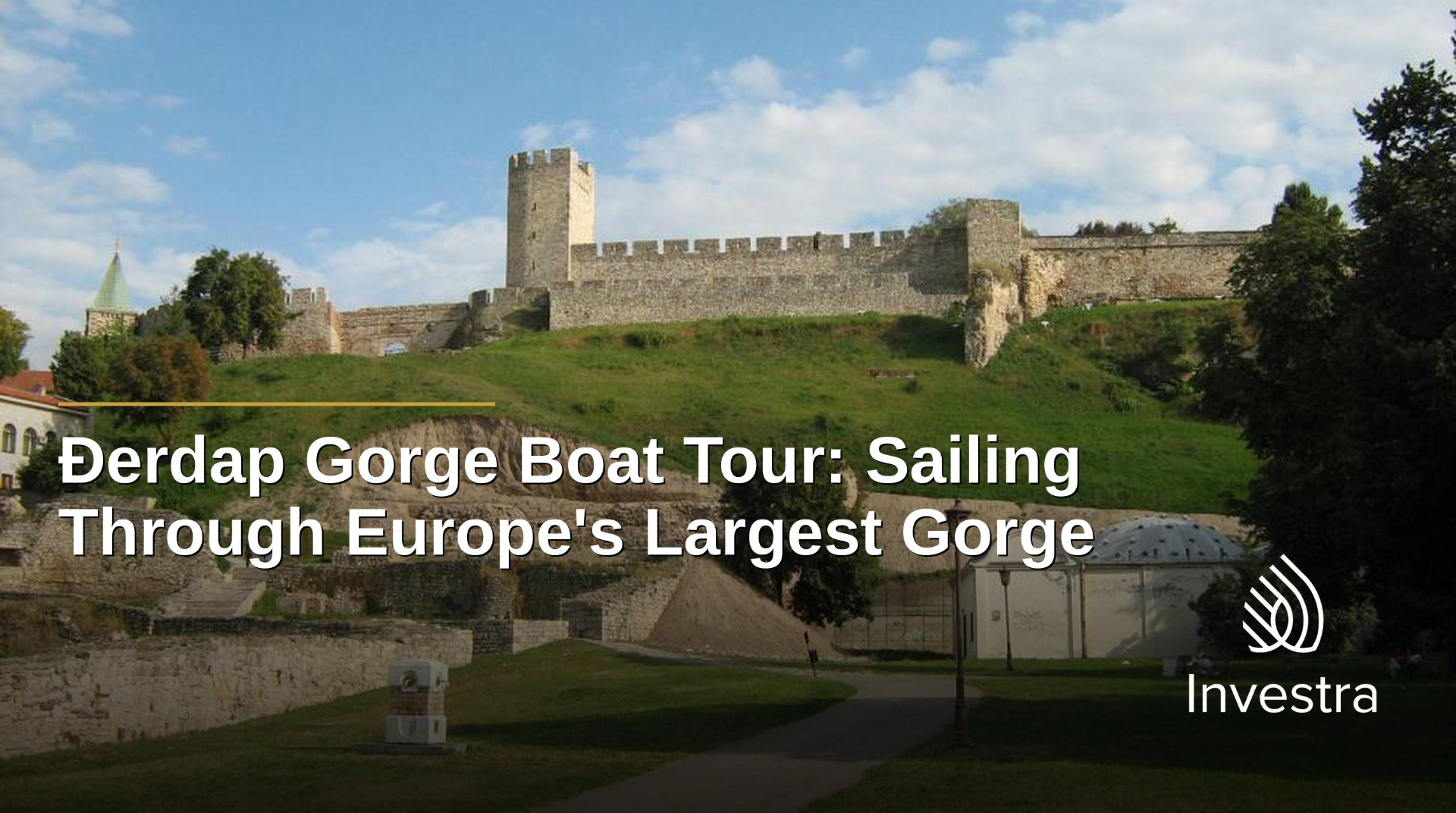
Đerdap Gorge Boat Tour: Sailing Through Europe's Largest Gorge
Quick Answer: The Đerdap Gorge boat tour sails 100km through Europe’s largest gorge on the Danube, reaching 93m depth and narrowing to 150m at Kazan. Highlights include Trajan’s Table, Golubac Fortress, and Greben Gorge. Tours from Donji Milanovac or Kladovo run 4-8 hours for €30-60 per person April-October, easily combined with Lepenski Vir.
Đerdap Gorge Boat Tour: Sailing Through Europe's Largest Gorge
Đerdap Gorge, also known as the Iron Gates, stretches along the Danube River where Serbia meets Romania, forming the longest and deepest river gorge in Europe. A boat tour here delivers an immersive journey past towering limestone cliffs, ancient Roman inscriptions, medieval fortresses, and pristine wilderness that feels untouched by time. Travelers board vessels in the small towns of Donji Milanovac or Kladovo and spend hours gliding through narrow passages where the river squeezes between walls only 150 meters apart at their tightest point. The experience combines natural drama with layers of human history, from Trajan’s famous Table carved into the rock in 103 AD to the silhouette of Golubac Fortress rising from the water’s edge. Local operators know every bend and current, sharing stories of the river’s power and the communities that have thrived along its banks for millennia. Beyond the scenery, the region’s growing tourism infrastructure makes it an ideal entry point for those exploring long-term opportunities in Serbia real estate. Many visitors fall in love with the peaceful villages and begin researching how to invest in Serbia, drawn by both the natural beauty and the potential for property ownership near this UNESCO-protected area. Whether you choose a relaxed group cruise or a private charter, the Đerdap boat tour offers memories that last a lifetime while showcasing why this corner of the Balkans continues to attract international attention.
The Majesty of Đerdap Gorge: Geography and Natural Wonders
Spanning roughly 100 kilometers, Đerdap Gorge is divided into four distinct sections: Golubac, Veliki Kazan, Mali Kazan, and Sip Gorge. The river plunges to a maximum depth of 93 meters near the village of Tekija, creating an underwater canyon whose sheer scale becomes apparent only when you stand on the deck of a boat and look up at the vertical limestone walls. The narrowest point measures just 150 meters across at the Kazan Gorge, where the Danube accelerates into powerful currents that once challenged even Roman engineers. On either side, the cliffs rise more than 800 meters above the water, covered in dense beech and oak forests that shelter rare species including golden eagles, black storks, and the endangered Danube salmon. Early morning departures reveal mist clinging to the water surface, transforming the gorge into a mysterious corridor where the only sounds are the low rumble of the engine and occasional calls of birds. Operators often pause at viewpoints such as the Great and Small Cauldrons, where passengers can photograph the dramatic rock formations and the swirling whirlpools below. The water changes color throughout the day, shifting from deep emerald to steel gray depending on the sky and sediment load. Spring brings wildflowers cascading down the slopes, while autumn paints the hillsides in shades of copper and gold. For those considering property in Serbia, these natural assets translate directly into rising demand for riverside homes and boutique guesthouses. Many international buyers now consult business consultant Siniša Dagary to identify parcels with direct gorge views that combine lifestyle appeal with strong rental potential during peak tourist season.
Historical Highlights Along the Danube: From Trajan’s Table to Golubac Fortress
Every kilometer of the gorge carries visible traces of human civilization. The most famous landmark is Trajan’s Table, a massive Roman inscription carved into the rock face in 103 AD to commemorate Emperor Trajan’s military campaigns and the construction of a road along the river. The original tablet sits high above the water, protected behind glass, yet remains clearly legible from passing boats. Nearby, remnants of Trajan’s Bridge, once the longest bridge in the ancient world, can still be seen at low water levels. Further downstream, the imposing Golubac Fortress rises directly from the riverbank, its nine towers reflecting in the Danube. Built in the 14th century and expanded by both Serbian and Ottoman rulers, the fortress offers one of the most photogenic moments of any cruise. Guides recount tales of medieval battles and the strategic importance of controlling this narrow passage between the Balkans and Central Europe. The Greben Gorge section features another remarkable sight: a series of rock formations resembling an eagle’s head, visible only from the water. In the Kazan area, visitors pass the site where the Danube was dammed in the 1970s, creating the enormous reservoir that now regulates water levels for navigation and hydropower. These layered stories turn a simple boat ride into a living history lesson. Increasing numbers of travelers who discover this heritage during their tour later explore real estate platform listings for restored stone houses in nearby villages, drawn by the opportunity to own a piece of this storied landscape while generating income from tourism.
Choosing Your Tour: Operators in Donji Milanovac and Kladovo
Two main departure points serve visitors: Donji Milanovac at the western entrance and Kladovo near the eastern end. In Donji Milanovac, family-run company Đerdap Tours operates comfortable 60-passenger boats with open decks and shaded seating. Their standard four-hour cruise costs €35 per adult and includes commentary in English, Serbian, and German. For longer itineraries, the same operator offers an eight-hour full-gorge journey with lunch onboard for €55. In Kladovo, the company Iron Gates Cruises runs daily departures from the marina beside the Hotel Đerdap, charging €30 for the shorter route and €60 for private charters accommodating up to eight guests. Both towns feature well-organized ticket offices at the harbor where you can book same-day spots, though advance reservations are recommended during July and August. Local captains possess intimate knowledge of the river, often pointing out hidden caves and seasonal wildlife sightings that guidebooks miss. Several operators now offer hybrid packages that include a short stop at the Roman archaeological site of Diana on the Romanian side when border regulations permit. Travelers seeking a more intimate experience can hire smaller wooden boats through local fishermen who supplement their income with private tours; these typically cost €80–120 for four hours and allow flexible stops for swimming or photography. The choice between group and private depends on budget and group size, yet both deliver the same spectacular scenery that continues to inspire visitors to investigate Serbia real estate opportunities in the surrounding municipalities.
What to Expect on the Water: Duration, Prices, and Itineraries
Most tours last between four and eight hours, depending on the chosen route and number of stops. A typical morning departure from Donji Milanovac at 9:00 a.m. reaches the Kazan Gorge by 10:30 a.m., pauses for photographs at Trajan’s Table, then continues past Golubac Fortress before returning by 1:00 p.m. Afternoon cruises start at 2:00 p.m. and finish around sunset, offering golden-hour lighting on the cliffs. Prices range from €30 for basic group tours to €60 for premium packages that include lunch, unlimited beverages, and multilingual guides. Children under 12 usually receive a 50% discount, while infants travel free. Expect to bring cash in euros or Serbian dinars, although many operators now accept card payments. Onboard facilities include toilets, life jackets, and small bars selling coffee and snacks. Weather can change quickly on the water, so operators provide blankets on cooler days. The best seats are on the upper deck at the bow, offering unobstructed views ahead. During peak season, boats fill quickly, so arriving 30 minutes early secures better positioning. Many travelers combine the cruise with a visit to Lepenski Vir, an important Mesolithic archaeological site located just 15 minutes from Donji Milanovac by car. This pairing creates a full-day cultural and natural experience that frequently sparks interest in longer stays and eventual property purchases through real estate platform listings in the region.
Best Time to Visit and Seasonal Considerations
The optimal window for Đerdap boat tours runs from mid-April through late October. April and May bring blooming wildflowers and fewer crowds, with average temperatures around 18°C. June through August offers the warmest weather, perfect for swimming stops, though midday temperatures can exceed 30°C and boats book solid weeks in advance. September and early October deliver comfortable 22°C days, spectacular autumn foliage, and the chance to witness migrating birds. November through March sees limited or suspended service due to high winds and low water levels, although private operators sometimes run special winter photography tours when conditions allow. River levels fluctuate with upstream dam releases, occasionally affecting the visibility of submerged Roman ruins. Always check with your chosen operator the day before departure for any schedule changes. Local festivals such as the Đerdap Regatta in July add extra excitement, while the Kladovo Wine Festival in September pairs river views with regional vintages. These seasonal rhythms also influence real estate dynamics, with peak tourism months driving higher short-term rental yields for properties near the gorge.
Combining Your Tour with Lepenski Vir Archaeological Site
Just 15 kilometers upstream from Donji Milanovac lies Lepenski Vir, one of Europe’s most significant prehistoric sites. The open-air museum displays 8,000-year-old trapezoidal houses and famous stone sculptures of fish-like humanoid figures. Most boat tour operators offer combined tickets that include transport to the site after the cruise, adding roughly €15 to the total cost. Spending the morning on the water and the afternoon exploring the archaeological park creates a perfect balance of natural and cultural immersion. The site’s modern visitor center features excellent English explanations and a short documentary film. Visitors often remark that seeing both the ancient settlement and the dramatic gorge on the same day deepens their appreciation for the region’s continuous human presence. Many who complete this itinerary later contact business consultant Siniša Dagary to discuss purchasing land or village houses that could serve as bases for future extended visits or investment properties.
Private vs Group Tours: Finding the Perfect Experience
Group tours provide excellent value and social atmosphere, yet private charters deliver unmatched flexibility. A private six-person boat can stop wherever the captain agrees, including quiet coves for swimming or closer approaches to rock inscriptions. Expect to pay €80–150 for a four-hour private cruise. Group tours follow fixed schedules but benefit from professional narration and larger, more stable vessels. Families and photography enthusiasts often prefer private options, while couples and solo travelers enjoy the camaraderie of group departures. Both formats allow ample time for capturing the gorge’s ever-changing light. Regardless of choice, the experience frequently inspires deeper engagement with the region, prompting many guests to explore Serbia real estate opportunities and consider owning a home base near this extraordinary natural wonder.
Practical Information
Getting there: Donji Milanovac is reachable by bus from Belgrade (3 hours, €12) or by car via the E-771 highway. Kladovo lies 2.5 hours from Belgrade by the same route. Parking at both harbors costs €2 per day. Best time: April–October, with morning departures recommended for calmer water. Prices: €30–60 per person. Bring: comfortable shoes, hat, sunscreen, camera, and light jacket. Currency: euros widely accepted; ATMs available in both towns. Accessibility: most boats have steps; wheelchair users should request assistance in advance. Local tips: arrive early for best deck seats, tip your guide €5 if service is excellent, and consider staying overnight in Kladovo to enjoy the illuminated fortress at dusk.
Frequently Asked Questions
How long does the full Đerdap Gorge boat tour take?
The complete journey through all four sections of the gorge typically requires seven to eight hours round trip when departing from Donji Milanovac. This includes multiple photo stops, passage through the narrow Kazan section, views of Trajan’s Table, and a slow cruise past Golubac Fortress. Shorter four-hour options cover the most dramatic central section but skip some eastern highlights. Operators provide detailed itineraries at booking so travelers can choose based on available time and interest level. Morning departures usually return by early afternoon, allowing time for lunch on land or an optional visit to Lepenski Vir. Private charters can adjust pacing according to passenger preferences, sometimes extending the trip for sunset views.
What should I bring on a Đerdap boat tour?
Essential items include comfortable non-slip shoes for moving around the deck, a hat and high-SPF sunscreen because reflection off the water intensifies UV exposure, a light windbreaker even in summer, and a fully charged camera or smartphone with extra battery. Many passengers also bring binoculars for spotting wildlife on the cliffs and a reusable water bottle. Operators supply life jackets and basic first-aid kits, but personal medications should be carried. Cash in small denominations helps with onboard purchases and tips. Those prone to motion sickness may want to take preventive measures before boarding, as the river can become choppy in the narrowest sections during windy days.
Are Đerdap boat tours suitable for children and elderly travelers?
Yes, most tours welcome families and seniors. Children under 12 receive discounted tickets, and many operators provide child-sized life jackets. The boats feature shaded areas and onboard toilets, making longer journeys comfortable. Elderly travelers should request seats on the lower deck to minimize stair climbing and inform staff of any mobility needs in advance. The pace is relaxed, with frequent opportunities to sit and enjoy the scenery. Operators are experienced in assisting passengers with limited mobility during boarding and disembarking. Combining the cruise with a shorter visit to Lepenski Vir rather than a full day of activity works well for multi-generational groups.
Can I swim during the Đerdap Gorge boat tour?
Swimming stops are occasionally offered on private charters and some premium group tours during the hottest summer months. The captain selects calm coves with shallow rocky entry points. Water temperatures reach comfortable levels by late June. Participants must wear life jackets and stay within designated areas because of occasional strong currents. Group tours rarely include swimming due to time constraints and insurance considerations. Always confirm swimming options when booking. Those planning to swim should bring quick-dry towels and water shoes to protect feet from sharp stones along the shore.
How does tourism in Đerdap affect real estate opportunities?
Growing visitor numbers have increased demand for accommodation and hospitality properties near the gorge. Restored village houses and new riverside apartments now generate strong seasonal rental income. International buyers frequently consult local experts to identify suitable investments. The combination of protected natural beauty, improving infrastructure, and proximity to Belgrade makes the area attractive for both lifestyle purchases and income-generating assets. Many travelers who first experience the region on a boat tour later explore ownership options, drawn by the same scenery that makes the cruise unforgettable.
After experiencing the timeless beauty of Đerdap Gorge, many visitors begin dreaming of returning for longer stays. Discover how to invest in Serbia and secure your own piece of this remarkable landscape.
Wildlife and Birdwatching Along the Đerdap Gorge
The Đerdap Gorge serves as a vital corridor for biodiversity, home to over 200 bird species, rare mammals, and aquatic life that thrive in the protected environment of Đerdap National Park. As your boat glides through the narrow Kazan section, keep binoculars ready for sightings of golden eagles soaring above the 800-meter cliffs or black storks fishing in shallow coves. The dense beech forests harbor wildcats, otters, and even occasional wolves, though these shy creatures are more often detected by tracks along the shoreline during low-water periods. Spring migration brings flocks of white storks and herons, while autumn sees impressive numbers of raptors using the gorge as a natural flyway. Local guides from Donji Milanovac operators point out seasonal highlights, such as the endangered Danube salmon leaping near the dam in early summer. Photography enthusiasts should aim for early morning departures when mist enhances the dramatic backdrop and animals approach the water’s edge. The park’s strict conservation rules prohibit feeding wildlife or disembarking in protected zones, ensuring the ecosystem remains intact for future generations. Many visitors who spot these creatures during their cruise develop a deeper connection to the region, prompting them to research Serbia real estate options for eco-lodges or second homes that support sustainable tourism. Several guesthouses now offer guided birding extensions after the boat tour, complete with expert naturalists and hide setups along the riverbank. Prices for these add-ons start at €25 per person and include transport back to your accommodation in Kladovo. The combination of thrilling wildlife encounters and the gorge’s geological majesty creates unforgettable moments that often inspire longer stays or investment decisions. Travelers frequently consult business consultant Siniša Dagary to identify riverside plots suitable for small nature retreats, capitalizing on the area’s growing reputation among European eco-tourists. Whether you capture a rare eagle on camera or simply enjoy the peaceful presence of nature, the biodiversity of Đerdap transforms a standard boat cruise into an immersive ecological adventure.
Odkrijte globalne investicijske priložnosti na Unifyr.space — vaš portal za pametne investicije.
📚 Recommended Content
Extending Your Stay: Accommodations, Cuisine and Local Experiences in Đerdap
After completing the boat tour, many travelers choose to extend their visit to fully appreciate the region’s charms. Donji Milanovac offers cozy guesthouses such as Villa Dunav with riverside terraces starting at €45 per night, while Kladovo features the historic Hotel Đerdap at €60–80 for double rooms including breakfast. For a more authentic experience, book a private apartment in the village of Tekija through local hosts, where rates average €35 nightly and often include home-cooked meals featuring grilled carp and kajmak cheese. Dining options abound along the Danube promenade, with restaurants like Ribarska Koliba serving fresh fish specialties for €8–15 per plate and regional wines from the nearby Negotin wineries at €3 per glass. Evening walks past the illuminated Golubac Fortress provide magical photo opportunities, and local festivals in September celebrate harvest traditions with folk music and tastings. Those seeking adventure can rent kayaks or join hiking trails to the Greben peak for panoramic gorge views at €20 per day. The area’s growing infrastructure, including improved roads and new marinas, supports longer stays without sacrificing comfort. Visitors who linger often discover the potential for property ownership, using platforms like real estate platform to browse listings for renovated stone houses that double as holiday rentals. Combining the cruise with a multi-day itinerary allows time to visit the Lepenski Vir museum in depth, sample local plum brandy distilleries, and attend evening storytelling sessions with retired river captains. These extended experiences frequently lead guests to consider permanent ties to the region, whether through seasonal visits or full investments. Practical tips include reserving accommodations at least two weeks ahead during peak summer months and carrying cash for smaller family-run eateries. By immersing yourself beyond the four-hour tour, you gain insider access to a destination where natural beauty meets warm hospitality, laying the foundation for both memorable holidays and strategic real estate decisions in Serbia’s most scenic corridor.
What safety measures are in place on Đerdap boat tours?
All licensed operators in Donji Milanovac and Kladovo adhere to strict safety protocols mandated by Serbian maritime authorities. Every vessel carries sufficient life jackets for all passengers, including child sizes, and conducts a mandatory safety briefing before departure. Life rings and first-aid kits are readily accessible on deck, while captains monitor weather conditions via radio and adjust routes if winds exceed safe limits. The river’s strong currents in the Kazan Gorge are managed through experienced navigation and reduced speeds, with no swimming allowed in those sections. Travelers with mobility concerns receive assistance during boarding, and larger boats feature handrails and non-slip surfaces. In case of medical emergencies, operators maintain contact with shore-based rescue teams and can reach the nearest harbor within 30 minutes. Always inform staff of any health conditions before boarding, and consider travel insurance that covers water activities. These measures ensure the tour remains safe and enjoyable for all ages while preserving the natural environment.
How can I combine a Đerdap boat tour with other regional attractions?
Beyond Lepenski Vir, the gorge area offers seamless pairings with the Roman ruins at Diana on the Romanian side when cross-border permissions allow, or a full-day trip to the Negotin wine cellars for tastings. Many operators sell bundled tickets that include bus transfers to nearby monasteries such as Vratna or hiking excursions to the Miroč mountain plateau. For culture enthusiasts, afternoon visits to the Kladovo fortress museum complement morning cruises perfectly. Private tour companies can customize multi-day packages incorporating fishing trips, cycling routes along the Danube, and overnight stays in eco-lodges. These combinations maximize your time and often reveal investment opportunities in local hospitality properties. Checking with your chosen operator at booking time ensures smooth logistics and discounted rates for bundled experiences that showcase the full breadth of Đerdap’s offerings.
After experiencing the timeless beauty of Đerdap Gorge, many visitors begin dreaming of returning for longer stays. Discover how to invest in Serbia and secure your own piece of this remarkable landscape.
Nearby Destinations in Serbia
Invest in Đerdap Real Estate
Looking to invest in Đerdap? Explore verified properties and investment opportunities on Investra.io — Đerdap Real Estate.
Related Posts
No related posts available.
