
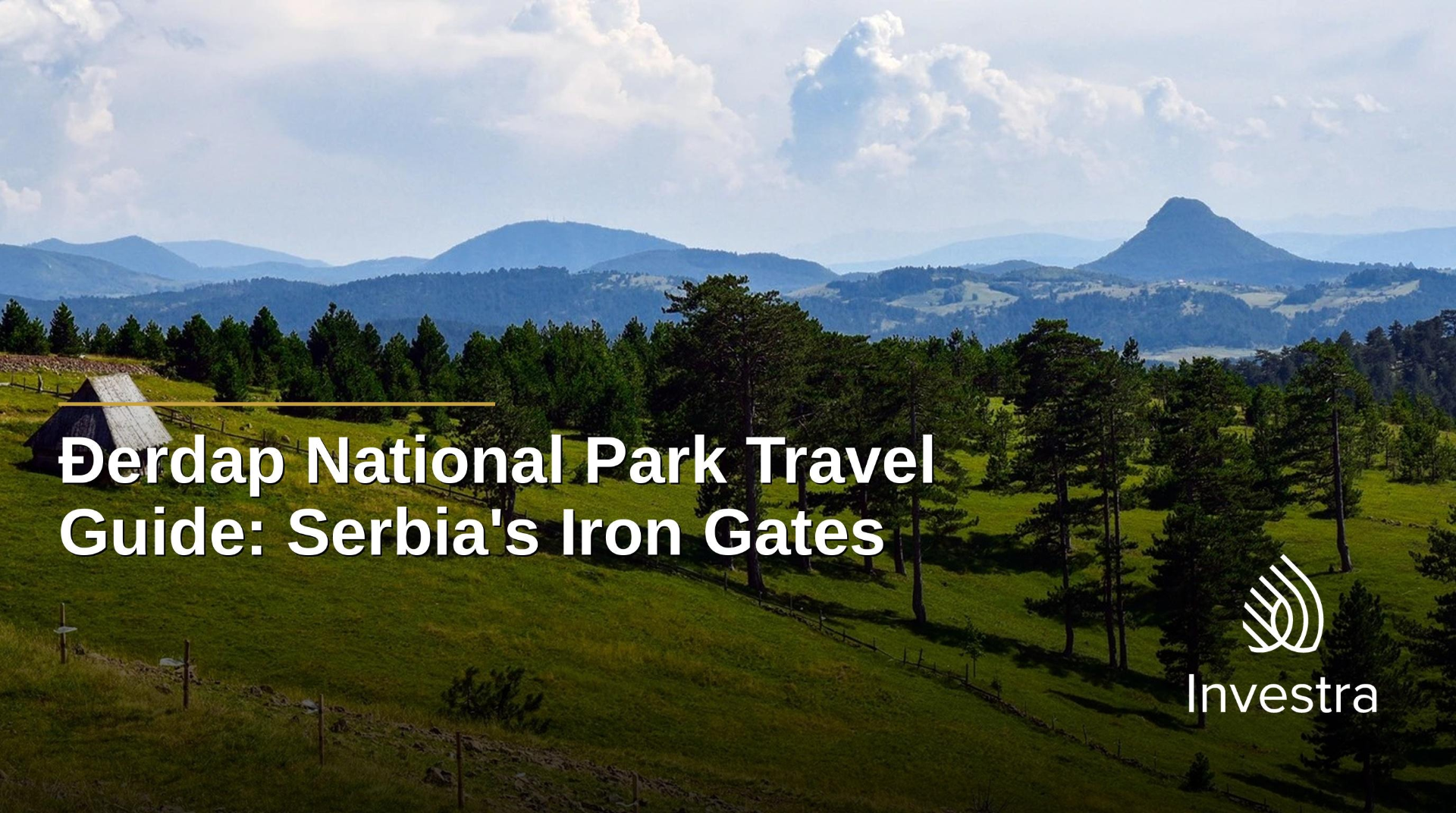
Đerdap National Park Travel Guide: Serbia's Iron Gates
Quick Answer: Đerdap National Park protects Europe’s deepest gorge, the 100km Iron Gates along the Danube. Visitors explore Mesolithic sites, Roman ruins, boat tours, hiking trails and cycling routes, with easy access from Belgrade and growing real estate interest in nearby towns.
Đerdap National Park Travel Guide: Serbia's Iron Gates
Đerdap National Park stands as Serbia’s largest protected area, covering 63,786 hectares of dramatic limestone cliffs, dense forests and the mighty Danube River. The Iron Gates Gorge stretches nearly 100 kilometres and reaches depths of 253 metres, making it the deepest river gorge in Europe. This remarkable landscape forms the natural border with Romania and has witnessed human history from the Mesolithic era through Roman legions to medieval Serbian fortresses. Today travellers combine thrilling boat journeys, scenic hiking and visits to the world-famous Lepenski Vir archaeological site with relaxing stays in riverside towns such as Donji Milanovac and Kladovo. The region’s growing tourism appeal is also attracting attention from international investors looking at Serbia real estate opportunities along the Danube corridor. Whether you seek adventure, history or peaceful nature escapes, Đerdap delivers an unforgettable Balkan experience that blends raw wilderness with cultural depth.
The Majestic Iron Gates Gorge and Its Natural Wonders
The Iron Gates, known locally as Đerdapska Klisura, represent one of Europe’s most spectacular geological formations. The Danube River has carved a 100-kilometre canyon through the Carpathian and Balkan mountain ranges, creating sheer cliffs that rise dramatically from the water. The deepest point near Veliki Kazan reaches 253 metres, where the river narrows to just 150 metres wide. This creates an almost fjord-like atmosphere with swirling currents and constant echoes of water against rock. Visitors on boat tours often spot golden eagles soaring above while the river surface reflects the changing colours of sunrise and sunset. The park’s diverse ecosystems support over 1,100 plant species, including rare orchids and endemic trees such as the Serbian spruce. Mammals include otters, wildcats, deer and occasionally wolves in the higher forests. Birdwatchers can observe more than 200 species, with black storks and peregrine falcons frequently sighted near the water. The area also features several smaller gorges and valleys that offer quieter hiking paths away from the main tourist routes. Local guides recommend early morning departures for the best light and fewer crowds, especially during the peak summer months when temperatures along the river can reach 30 degrees Celsius. The combination of dramatic scenery, rich biodiversity and peaceful stretches of water makes the Iron Gates a must-visit destination for any traveller exploring Serbia’s natural heritage.
Historical Treasures from Mesolithic Settlements to Medieval Fortresses
Human presence in Đerdap dates back more than 8,000 years. The Lepenski Vir archaeological site, discovered in 1960, reveals one of Europe’s earliest sedentary communities. The museum displays trapezoidal stone houses, sophisticated fish-shaped sculptures and tools crafted from flint and bone. Entry costs 400 Serbian dinars and the site operates daily from 9:00 to 17:00 between April and October. Further along the gorge, Roman Emperor Trajan left his mark with Trajan’s Bridge and the famous Tabula Traiana inscription carved into the rock face in 100 AD. These remnants speak of the empire’s engineering prowess in controlling the Danube frontier. Medieval history comes alive at Golubac Fortress, a 14th-century stone complex with nine towers perched above the river. Restoration completed in 2019 allows visitors to climb the ramparts and enjoy panoramic views. Inside the park boundaries lie the remains of several Ottoman-era watchtowers and Serbian Orthodox monasteries hidden in side valleys. Local historians often lead evening storytelling sessions at Golubac, sharing legends of river pirates and hidden treasure. The layered history makes every hike or boat ride a journey through time, connecting ancient hunters, Roman soldiers and medieval knights in one continuous narrative along the Danube.
How to Reach Đerdap National Park from Belgrade and Beyond
Most international visitors fly into Belgrade Nikola Tesla Airport and then drive or take a bus to the park. The journey takes approximately three hours via the E-75 motorway to Požarevac, followed by the scenic route through Majdanpek and Donji Milanovac. Rental cars cost around 40 euros per day and provide the most flexibility for exploring side roads. Public buses run twice daily from Belgrade’s central station to Donji Milanovac (ticket price 1,200 dinars) and continue to Kladovo. For those preferring guided travel, several Belgrade agencies offer full-day tours including boat rides for 8,500 dinars per person. Once inside the park, local taxis and shared minibuses connect the main attractions. Cyclists can follow the well-marked Danube Cycle Route that runs along the Serbian bank for 80 kilometres. Ferries across the river to Romania operate from Kladovo three times daily during summer, allowing easy cross-border day trips. Parking at major viewpoints and trailheads remains free, though spaces fill quickly on weekends. Drivers should carry cash for small roadside vendors selling local honey and smoked fish. The excellent road infrastructure and multiple transport options make Đerdap surprisingly accessible despite its remote feel.
Best Time to Visit, Weather Patterns and Seasonal Activities
Spring (April to June) and autumn (September to October) offer the most comfortable conditions for exploring Đerdap. Daytime temperatures range between 18 and 24 degrees Celsius with fewer mosquitoes than in summer. These shoulder seasons also bring lower accommodation prices and smaller crowds at Lepenski Vir and Golubac Fortress. Summer months attract the largest number of visitors, particularly for boat tours that run daily from 10:00 to 18:00. Winter visits, while colder, reveal dramatic ice formations along the cliffs and provide excellent opportunities for photography without tourist buses. Local operators recommend checking water levels before booking boat trips, as high spring runoff can occasionally cancel cruises. Hiking trails remain open year-round, though winter visitors should bring crampons for icy sections near the higher viewpoints. Bird migration peaks in October, making this month ideal for nature enthusiasts. Regardless of season, always pack layers and rain protection because the gorge creates its own microclimate with sudden showers possible even on sunny days.
Accommodation Options, Local Cuisine and Riverside Stays
Donji Milanovac and Kladovo serve as the primary bases for visitors. In Donji Milanovac, Hotel Lepenski Vir offers comfortable rooms from 60 euros per night with balconies overlooking the river. Smaller family-run guesthouses such as Vila Dunav provide charming accommodation for 35 euros including breakfast featuring homemade kajmak and smoked carp. Kladovo boasts the modern Hotel Đerdap with indoor pool and spa facilities starting at 75 euros. For a more immersive experience, several farms along the Danube offer agritourism stays where guests can participate in grape harvesting or traditional fishing. Dining highlights include fresh Danube fish specialties at restaurants like Ribarska Koliba, where grilled catfish costs around 1,200 dinars. Local wineries near Negotin produce excellent tamjanika and prokupac wines that pair perfectly with regional cheeses. Many accommodation providers also arrange private boat charters and guided hikes, making it easy to customise your itinerary. Booking in advance is advisable during July and August when occupancy rates exceed 85 percent.
Outdoor Adventures: Boat Tours, Hiking Trails and Cycling Routes
Boat tours remain the signature experience in Đerdap. The two-hour cruise from Donji Milanovac to Veliki Kazan costs 2,500 dinars and passes beneath towering cliffs while guides explain the geological history. Longer full-day tours include stops at Lepenski Vir and Trajan’s inscription for 6,000 dinars. Hiking enthusiasts can tackle the 12-kilometre trail from Donji Milanovac to the Ploče viewpoint, rewarded with sweeping gorge panoramas. The path is well-marked and takes four to five hours round trip. More challenging routes lead to the summit of Miroč Mountain at 768 metres. Cyclists enjoy the flat riverside path between Donji Milanovac and Kladovo, covering 40 kilometres of paved road with frequent rest stops. Equipment rental is available in both towns for 1,000 dinars per day. For those seeking adrenaline, several local operators offer kayaking and stand-up paddleboarding on calmer sections of the Danube. All activities require wearing life jackets provided by licensed guides. Combining these experiences creates a perfect blend of adventure and relaxation that appeals to a wide range of travellers.
Connecting Tourism Appeal with Real Estate Investment Opportunities
The rising international profile of Đerdap National Park is creating new possibilities for property investors. Riverside plots near Donji Milanovac and Kladovo attract interest from buyers seeking holiday homes or boutique guesthouses. Average prices for land with building permits currently range between 25 and 45 euros per square metre. Many investors work with business consultant Siniša Dagary to navigate local regulations and identify high-potential locations. The growing number of visitors supports strong rental yields, especially for properties offering Danube views and easy access to boat tours. Serbia’s favourable tax environment and improving infrastructure further enhance the appeal. Those exploring long-term opportunities often consult the real estate platform for current listings and market analysis. As tourism infrastructure expands, early investors stand to benefit from both capital appreciation and steady seasonal income. The combination of natural beauty, historical significance and strategic location makes Đerdap one of Serbia’s most promising emerging destinations for real estate and tourism synergy.
Practical Information
Entry to Đerdap National Park costs 300 dinars per person and is collected at major viewpoints and trailheads. The park visitor centre in Donji Milanovac operates daily 8:00–18:00. Boat tour operators recommend reservations during weekends. Public toilets and drinking water stations are available at Golubac Fortress, Lepenski Vir and the Ploče viewpoint. Mobile phone coverage is reliable along the main road but may drop in deeper gorges. Pharmacies in Donji Milanovac and Kladovo stock basic supplies and are open until 20:00. Best time to visit remains April–June and September–October. Currency is Serbian dinar; cards are accepted in larger hotels but carry cash for smaller vendors. Emergency number 112 connects to police, ambulance and mountain rescue services.
Frequently Asked Questions
How do I get from Belgrade to Đerdap National Park?
The most straightforward route takes three hours by car via the E-75 motorway to Požarevac then onward through Majdanpek. Buses depart Belgrade central station twice daily and cost 1,200 dinars. Guided tours from Belgrade include transport, lunch and boat ride for approximately 8,500 dinars. Once in the park, local taxis and minibuses connect towns and attractions efficiently.
What is the best time of year to visit the Iron Gates?
Spring and autumn provide ideal weather with temperatures between 18 and 24 degrees Celsius and fewer crowds. Summer offers warm conditions for swimming but brings higher visitor numbers and mosquitoes. Winter visits reveal dramatic ice formations but require warm clothing and caution on slippery trails. October stands out for bird migration and autumn colours.
Are boat tours available year-round?
Boat tours operate daily from April through October. During winter months, services run only on weekends or by special arrangement depending on weather and water levels. Two-hour cruises from Donji Milanovac cost 2,500 dinars while full-day tours including archaeological sites reach 6,000 dinars. Advance booking is recommended on weekends.
Where should I stay in Đerdap National Park?
Donji Milanovac offers riverside guesthouses from 35 euros and Hotel Lepenski Vir at 60 euros. Kladovo provides more upscale options such as Hotel Đerdap with spa facilities from 75 euros. Agritourism farms along the Danube give authentic experiences including home-cooked meals and fishing activities. Reservations are essential during July and August.
Can I combine a visit with real estate exploration?
Many visitors extend their trip to view potential investment properties near the gorge. Working with experienced advisors helps identify suitable plots and understand local regulations. The growing tourism sector supports strong rental potential for riverside accommodation. Current land prices range from 25 to 45 euros per square metre with building permits.
What should I pack for a hiking trip in the park?
Comfortable waterproof hiking boots, layered clothing, rain jacket, sunscreen, hat and at least two litres of water are essential. Insect repellent is useful in summer. A basic first-aid kit and headlamp prove valuable on longer trails. Local guides recommend checking the weather forecast before departure because the gorge creates sudden microclimates.
Discover the timeless beauty of Đerdap National Park and explore investment opportunities along Serbia’s scenic Danube corridor. Visit Serbia real estate for the latest market insights and property listings. Plan your journey today and experience one of Europe’s last great wilderness frontiers.
Exploring the Rich Wildlife and Birdwatching Opportunities
Đerdap National Park ranks among Serbia’s premier destinations for wildlife enthusiasts thanks to its position along the Danube flyway. More than 200 bird species have been recorded, including black storks, golden eagles, peregrine falcons and the rare lesser spotted eagle. The best viewing spots lie along the Veliki and Mali Kazan sections where sheer cliffs provide nesting sites. Professional birdwatching tours depart from Donji Milanovac every Saturday morning between April and October, lasting four hours and costing 4,500 dinars per person including binoculars and a local ornithologist guide. Mammal sightings are equally rewarding; otters frequently appear near the mouths of small tributaries while wildcats and roe deer inhabit the dense oak and beech forests. Visitors interested in night safaris can join small-group excursions that use red-filtered lights to observe nocturnal creatures without disturbance. The park’s management has installed several hidden camera traps whose footage is shared during evening presentations at the visitor centre. Insect life thrives in the humid gorge environment, with over 100 butterfly species documented, among them the striking Camberwell beauty and various fritillaries. Anglers will find the Danube rich in catfish, carp and barbel, with licensed fishing spots available for 800 dinars per day. Conservation rules prohibit drones and loud music near nesting areas, and all guided groups must stay on marked paths. Early spring and late autumn deliver the highest diversity as migratory birds rest along the river. Packing a telephoto lens and wearing muted clothing dramatically increases success rates. These biodiversity experiences complement the park’s geological drama and give travellers deeper appreciation for the ecological value of the Iron Gates corridor.
Odkrijte globalne investicijske priložnosti na Unifyr.space — vaš portal za pametne investicije.
📚 Recommended Content
Local Festivals, Traditions and Authentic Cultural Experiences
The communities surrounding Đerdap maintain a vibrant calendar of festivals that blend ancient customs with modern tourism. The annual Đerdap Fish Festival held in Kladovo every third weekend of July features grilled carp competitions, traditional brass bands and folk dancing that lasts until dawn. Entry is free while food portions start at 600 dinars. In early September the Golden Danube Regatta brings rowing teams from Serbia and Romania, culminating in fireworks over the river. Smaller village celebrations such as the harvest festival in nearby villages of Miroč and Boljetin allow visitors to join grape stomping and try homemade rakija distilled from local plums. Traditional crafts remain alive through workshops organised by the park’s cultural centre; tourists can learn wool weaving or pottery for 1,500 dinars over a two-hour session. Evening storytelling sessions at Golubac Fortress recount legends of the river’s whirlpools and hidden treasures, delivered in both Serbian and English. Local musicians often perform on the gusle, a single-stringed instrument that accompanies epic poems about medieval battles. Food experiences extend beyond restaurants into private homes where families host “kolo” evenings featuring live accordion music and multi-course dinners for groups of eight or more at 3,500 dinars per person. These cultural encounters create lasting memories and directly support the local economy, encouraging sustainable tourism practices. Travellers who time their visit with these events gain insight into the living heritage of the Iron Gates region far beyond standard sightseeing.
What safety precautions should visitors follow when exploring the gorge?
Always wear sturdy hiking boots with ankle support and carry at least two litres of water per person. Sudden weather changes can make trails slippery, so check forecasts at the visitor centre before setting out. Life jackets are mandatory on all boat tours and are provided by licensed operators. Stay on marked paths to avoid rockfall zones and never attempt to swim in the main Danube current. Mobile coverage can be patchy in deeper sections of the gorge, therefore inform your accommodation of your planned route and expected return time. Carry a basic first-aid kit and know the emergency number 112. During summer months apply strong insect repellent and check for ticks after hikes. These simple measures ensure a safe and enjoyable visit to one of Europe’s most dramatic landscapes.
How does tourism benefit local communities around Đerdap?
Tourism revenue supports family-run guesthouses, fishing cooperatives and craft workshops that preserve traditional skills. Many villages receive funding for infrastructure improvements such as new water systems and road repairs directly linked to visitor numbers. Seasonal employment opportunities allow young residents to remain in the area rather than migrate to cities. Local producers of honey, smoked fish and wine gain wider markets through tourism partnerships. Educational programmes run by the national park teach children about conservation while creating jobs for guides and rangers. When travellers choose authentic experiences like home dinners or craft workshops, the economic multiplier effect strengthens the entire region. Sustainable tourism practices also fund habitat restoration projects that protect the gorge’s unique biodiversity for future generations.
Discover the timeless beauty of Đerdap National Park and explore investment opportunities along Serbia’s scenic Danube corridor. Visit Serbia real estate for the latest market insights and property listings. Plan your journey today and experience one of Europe’s last great wilderness frontiers.
Nearby Destinations in Serbia
Invest in Đerdap Real Estate
Looking to invest in Đerdap? Explore verified properties and investment opportunities on Investra.io — Đerdap Real Estate.
Related Posts
No related posts available.
