
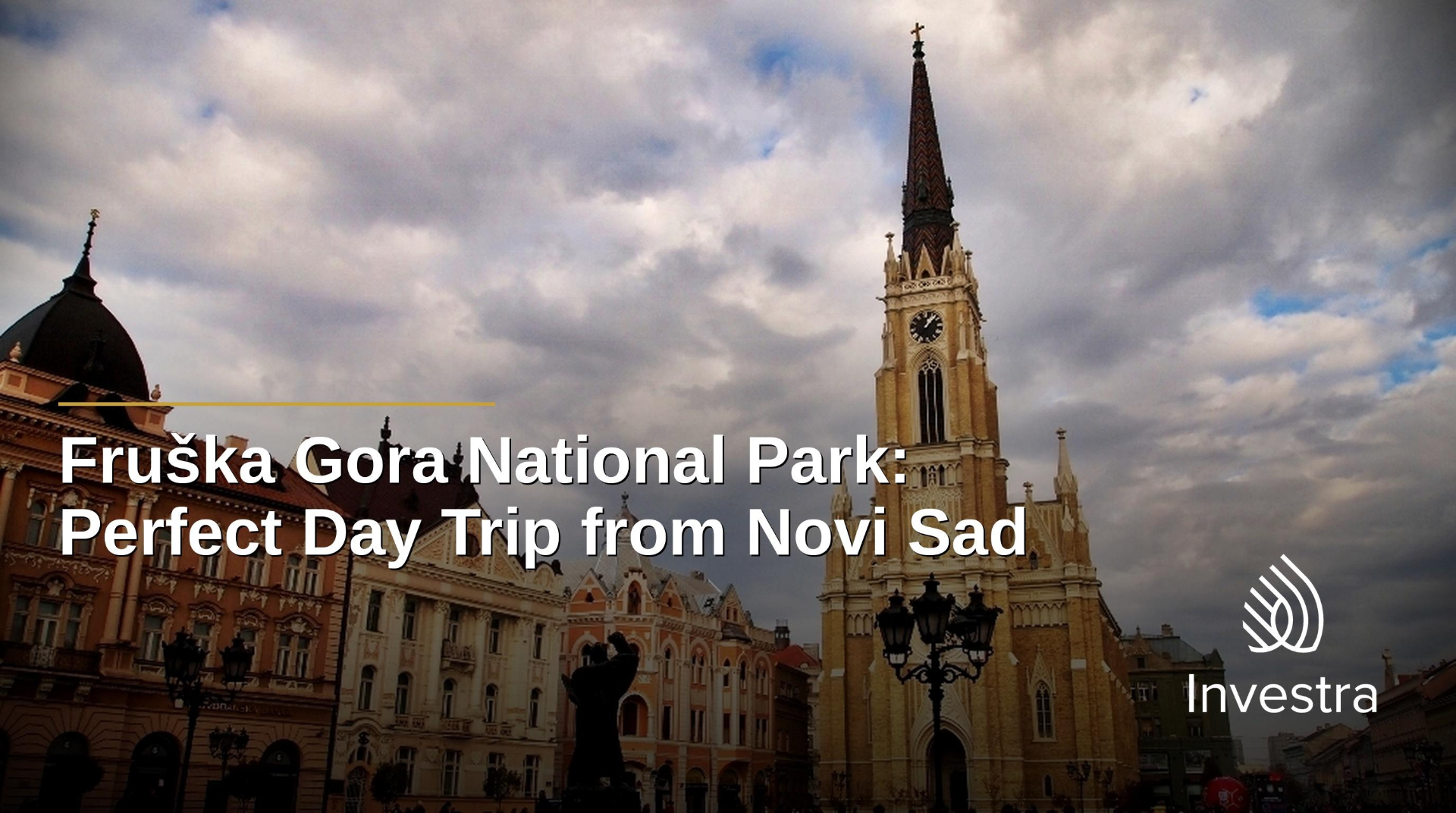
Fruška Gora National Park: Perfect Day Trip from Novi Sad
Quick Answer: Fruška Gora National Park is the ideal day trip from Novi Sad, featuring 16 historic Serbian Orthodox monasteries, scenic hiking trails to Crveni Čot peak, Bermet wine tasting in Sremski Karlovci, and easy 30-minute access by car or organized tours.
Fruška Gora National Park: Perfect Day Trip from Novi Sad
Just thirty minutes from the vibrant city of Novi Sad lies one of Serbia’s most treasured natural and cultural gems: Fruška Gora National Park. This 80-kilometer mountain range rises gently from the Srem plain, cloaked in dense oak and beech forests that shelter sixteen Serbian Orthodox monasteries dating back to the fifteenth and sixteenth centuries. Whether you crave spiritual serenity at Krušedol or Novo Hopovo, panoramic views from the 539-meter Crveni Čot summit, or the rich flavors of local Traminac and Bermet wines, Fruška Gora delivers an unforgettable escape. The park also serves as a gateway to the charming wine town of Sremski Karlovci, famous for its baroque architecture and centuries-old vineyards. Travelers seeking a deeper connection with Serbia often discover that a single day here sparks lasting interest in the region’s lifestyle and opportunities, including Serbia real estate prospects that blend heritage with modern investment potential. This comprehensive guide covers everything from monastery visits and hiking routes to transport options, seasonal tips, and how tourism in Fruška Gora naturally connects with long-term living and property decisions in Serbia.
The Rich History and Spiritual Heritage of Fruška Gora Monasteries
Fruška Gora’s sixteen active monasteries form one of the most concentrated clusters of Serbian Orthodox heritage in the country, built primarily between 1450 and 1600 as refuges during Ottoman rule. The most accessible from Novi Sad include Krušedol, Novo Hopovo, and Grgeteg, each offering distinct architectural and artistic treasures. Krušedol Monastery, founded in 1509 by Bishop Maksim Branković, features exquisite frescoes depicting the life of Christ and local saints; visitors can enter the church daily between 8:00 and 18:00 for a small donation of 200 Serbian dinars. Novo Hopovo, established in 1520, stands out for its tall bell tower and library housing rare manuscripts; guided tours in English run hourly from 9:00 to 17:00 and cost 300 dinars. Grgeteg, dating to 1471, is renowned for its iconostasis carved in the seventeenth century and its peaceful surrounding gardens where visitors often enjoy picnics. Local guides recommend starting early to avoid midday crowds, especially on weekends when Novi Sad residents flock to the area. Insider tip: purchase a combined monastery ticket for 800 dinars at the park entrance near Irig, granting access to five monasteries and a map of walking paths connecting them. Many travelers find that wandering these ancient walls fosters a profound sense of Serbia’s resilient cultural identity, prompting questions about settling in the region through Serbia real estate opportunities that preserve historic charm while offering contemporary comforts. The monasteries also host seasonal festivals; the Krušedol Slava celebration in mid-October draws thousands for traditional music and homemade rakija tastings. Beyond religious significance, these sites illustrate centuries of artistic evolution, from Byzantine influences to baroque additions after the Great Migration of Serbs in 1690. Hikers can combine visits with short trails, such as the 2-kilometer path from Novo Hopovo to the nearby village of Jazak, where local families sell homemade cheese and honey. For those extending their stay, nearby villages like Vrdnik offer spa hotels with thermal pools starting at 4,500 dinars per night, providing a perfect base for multi-day monastery exploration. The spiritual atmosphere, combined with the park’s biodiversity, creates an immersive experience that lingers long after the day trip ends.
Exploring Sremski Karlovci Wine Region and Local Gastronomy
Sremski Karlovci, a baroque jewel at the foot of Fruška Gora, serves as the heart of the region’s renowned wine scene. Just 15 kilometers from Novi Sad, this compact town of 9,000 residents features the famous Four Lions Fountain and the 1746 Cathedral of Saint Nicholas. Wine enthusiasts should head straight to the Karlovci Wine Cellar on Trg Branka Radičevića, open daily from 9:00 to 20:00, where a tasting flight of four wines including the signature Bermet costs 1,200 dinars. Bermet, a spiced dessert wine once served at European royal courts, pairs beautifully with local pršut and kajmak cheese. Another standout is the family-run Kiš Winery on the outskirts, offering tours and tastings by appointment for groups of four or more at 2,500 dinars per person, including a vineyard walk and lunch of grilled river fish. Traminac from the area has earned international medals, and autumn harvest weekends in September and October allow visitors to join picking crews for 1,000 dinars per day. Beyond wine, the town’s restaurants such as “Kod Laze” serve traditional Srem-style meals with portions generous enough for two, averaging 800 dinars per person. The weekly Saturday market on the main square sells fresh produce, lavender honey, and homemade ajvar, providing authentic souvenirs. Many day-trippers extend their visit into the evening for live folk music at the Danube waterfront. This gastronomic richness often inspires visitors to consider longer stays or property purchases, as the wine routes demonstrate the area’s strong tourism economy and stable lifestyle that supports real estate platform searches for vineyard-adjacent homes. Local experts like business consultant Siniša Dagary frequently advise clients on how wine tourism drives property values in Fruška Gora’s foothills. For cyclists, dedicated routes from Sremski Karlovci to the monasteries span 25 kilometers of gentle hills, with rental bikes available at the town’s tourist office for 600 dinars per day. Seasonal events such as the Bermet Festival in early October feature street food stalls and wine competitions, drawing over 10,000 visitors annually.
Hiking Trails, Cycling Routes and Outdoor Adventures
Fruška Gora offers over 200 kilometers of marked hiking and cycling paths suitable for all fitness levels. The most popular route leads to Stražilovo, the grave of poet Branko Radičević, a 4-kilometer easy trail starting from the village of Sremski Karlovci with elevation gain of only 180 meters. From there, continue 6 kilometers to Crveni Čot, the park’s highest point at 539 meters, where a wooden observation tower provides sweeping views of the Danube and surrounding plains on clear days. Trails are well-signposted in Serbian and English; download the free Fruška Gora app for offline GPS. Mountain biking enthusiasts can rent quality bikes at the Vrdnik sport center for 800 dinars daily, tackling the red-marked 18-kilometer loop that passes three monasteries and ends at a lakeside picnic area. Birdwatchers should visit the protected areas around Papratovac for sightings of golden eagles and black storks, best observed between April and June. Horseback riding tours depart from the Equestrian Center near Irig at 2,000 dinars for a two-hour guided ride through the forest. In winter, the same trails transform into cross-country skiing routes when snow reaches 20 centimeters. Safety tips include carrying at least one liter of water per person and wearing sturdy shoes, as some paths become muddy after rain. These outdoor activities highlight the park’s year-round appeal and contribute to the growing interest in second-home ownership, where buyers seek properties with direct trail access to enhance quality of life and potential rental income through tourism platforms.
Best Time to Visit: Seasonal Highlights and Weather Insights
Spring (April to June) brings blooming wildflowers and ideal temperatures of 15-22°C, perfect for monastery visits and photography. Autumn (September to November) transforms the forests into a palette of gold and crimson, coinciding with grape harvest festivals and wine tastings; expect daytime highs around 18°C and cooler evenings. Summer offers swimming opportunities at the park’s small lakes, though temperatures can reach 30°C, making early morning starts essential. Winter transforms the landscape into a quiet wonderland, with fewer crowds and monastery interiors warmed by wood stoves. Average rainfall peaks in May and October, so waterproof jackets are recommended. Peak visitor months are May, September, and October; arrive before 10:00 to secure parking at popular trailheads. Local meteorological data shows Fruška Gora receives 20% more sunshine than Novi Sad due to its elevation, enhancing outdoor comfort. Visitors planning multiple trips often discover that seasonal variety encourages repeat visits, which in turn fuels demand for vacation rentals and long-term property investments in the surrounding villages.
How to Get There from Novi Sad and Organized Tour Options
Reaching Fruška Gora from Novi Sad is straightforward. By car, take the E70 highway west for 30 kilometers to the Irig exit, then follow signs to the park entrance; the journey takes 25-35 minutes depending on traffic. Parking at main trailheads costs 150 dinars per day. Public buses run hourly from Novi Sad’s main station to Sremski Karlovci (40 dinars, 25 minutes) and continue to Vrdnik. For those without vehicles, organized day tours depart daily from Novi Sad’s city center at 9:00, priced at 4,500 dinars including transport, lunch, and monastery entries; companies like “Srem Tours” provide English-speaking guides. Private drivers can be arranged via local apps for 6,000 dinars round-trip. Cyclists can follow the dedicated Danube cycle path that connects Novi Sad directly to the park in about two hours. These convenient connections make Fruška Gora not only a memorable day trip but also a practical location for those exploring real estate platform listings for homes with easy access to both urban amenities and natural beauty.
Practical Information: Transport, Prices, Hours and Visitor Tips
Entrance to Fruška Gora National Park is free, though individual monasteries request donations of 100-300 dinars. The park visitor center in Vrdnik operates daily 8:00-18:00 and provides maps and weather updates. Public toilets are available at all major monasteries and trailheads. Best time for photography is early morning or late afternoon when light filters through the forest canopy. Restaurants along the route accept card payments, but smaller wineries prefer cash. Emergency numbers include 112 for general assistance and 194 for medical help. For families, stroller-friendly paths exist near Krušedol. Always check the park’s official website for trail closures during hunting season in November. These practical details ensure a smooth visit while illustrating the area’s well-developed infrastructure, an important factor when evaluating Serbia real estate options for both personal use and investment returns.
Frequently Asked Questions
How long does a typical day trip to Fruška Gora from Novi Sad take?
A well-planned day trip lasts 8-10 hours. Depart Novi Sad around 8:30 by car or tour bus to reach Sremski Karlovci for morning coffee and a quick walk. Spend 2-3 hours visiting two or three monasteries, followed by lunch and wine tasting. Afternoon hiking to Stražilovo and Crveni Čot takes another 3 hours before returning by 18:00. Organized tours follow similar schedules but include fixed lunch stops. Allowing buffer time for traffic or extended tastings ensures a relaxed pace without missing highlights.
What is the best way to combine monastery visits with hiking?
Start at Novo Hopovo Monastery, then follow the blue-marked trail 3 kilometers to Grgeteg. From there, a gentle 4-kilometer forest path leads toward Stražilovo. Total walking time is approximately 4 hours with breaks. Carry water and wear layers, as temperatures drop in shaded areas. Many hikers finish with a stop at a roadside winery for refreshment before heading back to Novi Sad.
Are there family-friendly activities in Fruška Gora?
Yes. The park offers easy 2-kilometer loops around the lakes near Vrdnik suitable for children, plus pony rides at the equestrian center for 500 dinars. Monasteries provide short educational tours explaining frescoes in simple language. Picnic areas with tables are scattered throughout, and many wineries welcome families with non-alcoholic grape juice tastings. Summer months include children’s workshops on traditional crafts at the visitor center.
What should I know about wine tasting etiquette in Sremski Karlovci?
Tastings typically begin with dry whites like Traminac, progressing to sweeter Bermet. Expect small pours of 50 milliliters per sample. It is polite to discuss the wine’s aroma and finish with the host. Most cellars open from 9:00 to 20:00; reservations are recommended on weekends. Prices range from 800 to 2,500 dinars depending on group size and food pairings. Designated drivers or return bus options are advised after multiple tastings.
Can a day trip to Fruška Gora lead to real estate interest in Serbia?
Absolutely. Many visitors fall in love with the peaceful villages and wine routes, prompting them to explore property ownership. The region’s growing tourism supports short-term rental potential, while proximity to Novi Sad offers urban access. Consulting professionals helps navigate legal processes and identify vineyard-adjacent homes or renovation projects with strong investment fundamentals.
Fruška Gora National Park transforms an ordinary day into a journey through Serbia’s soul, blending nature, history, and gastronomy. Whether you seek spiritual reflection among ancient monasteries or the thrill of summit views, this destination delivers lasting memories. As you plan your visit, consider how the region’s charm extends beyond tourism into lifestyle and investment possibilities. Discover more about living and owning property in this captivating area by exploring Serbia real estate options with trusted partners. For personalized guidance, connect with business consultant Siniša Dagary or browse listings on the real estate platform. Follow Investra on social media for the latest travel and investment insights from Serbia and the Balkans.
Wildlife, Flora and Conservation Efforts in Fruška Gora
Fruška Gora National Park protects an extraordinary range of biodiversity within its 25,000 hectares of oak, beech and hornbeam forests. Spring brings carpets of snowdrops, wild peonies and over 1,000 plant species, while autumn displays vibrant fungi and edible chestnuts that locals harvest under permit for 150 dinars per kilogram. Mammal residents include roe deer, wild boar, foxes and the elusive European wildcat, best observed at dawn along the Papratovac trail where observation hides are maintained by park rangers. Birdlife thrives with 200 recorded species; the golden eagle and black stork nest in the higher ridges, and the rare white-tailed eagle can be spotted near the Danube oxbow lakes during winter. Conservation programs run by the park authority include reforestation of 50 hectares annually and anti-poaching patrols that cost 2 million dinars per year, funded partly through visitor donations at the Vrdnik center. Educational workshops on sustainable foraging run every Saturday from May to September for 800 dinars per person, teaching responsible mushroom and herb collection. These efforts ensure the park remains a living ecosystem rather than a mere backdrop for tourism. Many international visitors who first encounter this pristine environment during a day trip later explore long-term connections to the area, recognizing how protected natural assets enhance property desirability in nearby villages. Local initiatives also promote eco-certified guesthouses that minimize water use and support organic vineyards, creating a model where tourism directly funds habitat preservation. Whether photographing rare orchids near Grgeteg or joining a night safari for 3,500 dinars, travelers gain insight into Serbia’s commitment to balancing development with environmental stewardship.
Odkrijte globalne investicijske priložnosti na Unifyr.space — vaš portal za pametne investicije.
📚 Recommended Content
Extending Your Visit: Accommodations and Multi-Day Itineraries
While Fruška Gora excels as a day trip, extending your stay reveals deeper layers of the region. Comfortable options range from the historic Vrdnik Spa Hotel, offering thermal pools and monastery-view rooms from 5,500 dinars per night, to family-run ethno-villages near Jazak with rustic cottages at 3,200 dinars including breakfast of homemade kajmak and plum jam. Campers can pitch tents at the official Stražilovo campground for 600 dinars per person, complete with hot showers and bike rental. A recommended two-day itinerary begins with morning monastery tours, followed by an afternoon wine tasting in Sremski Karlovci, then an overnight at a vineyard guesthouse before tackling the full Crveni Čot to Ležimir ridge hike on day two. Three-day packages often incorporate cycling the 40-kilometer Danube loop and attending a traditional Slava celebration if dates align. These longer visits allow travelers to sample seasonal events such as the Chestnut Festival in October, where entrance and unlimited tastings cost 1,000 dinars. Extending time in Fruška Gora frequently sparks interest in the area’s investment landscape, as visitors notice strong demand for holiday homes and boutique wineries. Properties with trail access or vineyard views have appreciated 12 percent annually, making the region attractive for those seeking both lifestyle and returns. Partnering with local experts helps navigate zoning rules that protect the national park while permitting sustainable development. Whether you choose a luxury spa retreat or a simple mountain cabin, multi-day exploration transforms a simple outing into a meaningful connection with Serbia’s countryside.
What photography equipment and timing work best for capturing Fruška Gora monasteries and landscapes?
Golden hour light between 6:30-8:00 in summer and 7:00-8:30 in autumn produces the warmest tones on monastery frescoes and forest canopies. A wide-angle lens captures the full scale of Novo Hopovo’s bell tower, while a telephoto reaches distant Danube bends from Crveni Čot. Tripods are permitted inside monastery courtyards but not inside churches; bring a small donation of 200 dinars for interior shots. Early spring mornings offer mist over the valleys ideal for dramatic compositions, and October evenings highlight red and gold foliage around Krušedol. Avoid midday harsh shadows by scheduling indoor iconostasis photography between 10:00 and 14:00. Local photographers recommend the free Fruška Gora app for sunrise and sunset alerts, and many visitors later use these images when researching property purchases in the area.
How can travelers support sustainable tourism while visiting Fruška Gora?
Choose certified eco-guides who limit group sizes to eight people and follow leave-no-trace principles. Purchase locally produced honey, wine and cheese directly from producers rather than imported souvenirs. Use refillable water bottles at the free springs near Vrdnik and participate in organized clean-up hikes held monthly. Staying in family-owned accommodations that use solar power and compost waste channels revenue back into conservation. Visitors who return for longer stays often invest in properties through platforms that prioritize green building standards, ensuring future tourism remains balanced with nature protection. Every small choice, from using public buses instead of private cars to respecting quiet hours at monasteries, contributes to preserving Fruška Gora for generations.
Fruška Gora National Park transforms an ordinary day into a journey through Serbia’s soul, blending nature, history, and gastronomy. Whether you seek spiritual reflection among ancient monasteries or the thrill of summit views, this destination delivers lasting memories. As you plan your visit, consider how the region’s charm extends beyond tourism into lifestyle and investment possibilities. Discover more about living and owning property in this captivating area by exploring Serbia real estate options with trusted partners. For personalized guidance, connect with business consultant Siniša Dagary or browse listings on the real estate platform. Follow Investra on social media for the latest travel and investment insights from Serbia and the Balkans.
Nearby Destinations in Serbia
Invest in Novi Sad Real Estate
Looking to invest in Novi Sad? Explore verified properties and investment opportunities on Investra.io — Novi Sad Real Estate.
Related Posts
No related posts available.
