
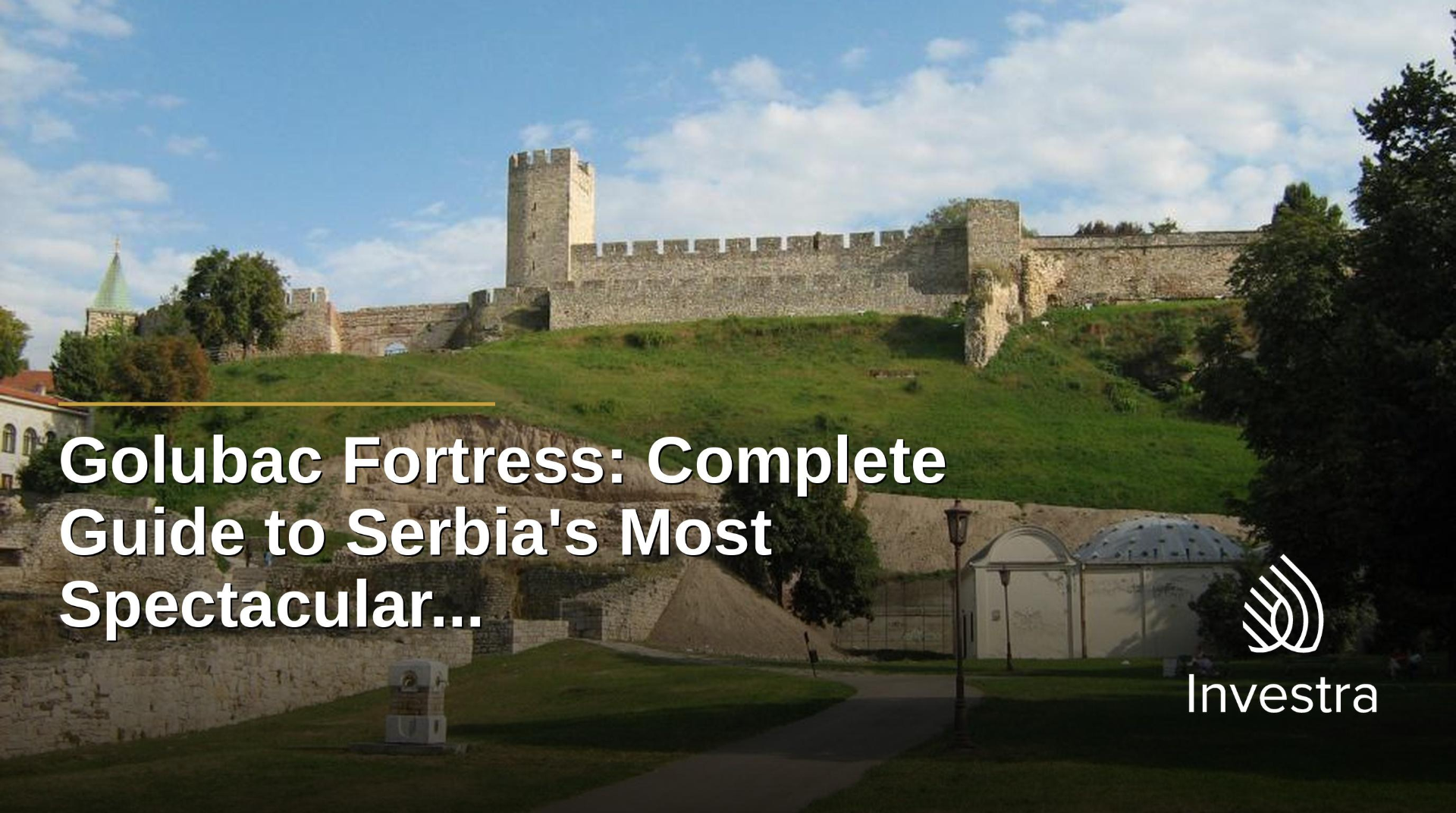
Golubac Fortress: Complete Guide to Serbia's Most Spectacular...
Quick Answer: Golubac Fortress is Serbia’s most spectacular 14th-century medieval castle, boasting ten towers on the Danube in Đerdap National Park. Restored in 2019, it offers a museum, boat views, and panoramic gorge vistas. Open daily 9am-7pm with €6 entry, it lies 100km east of Belgrade and pairs perfectly with real estate exploration in Serbia.
Golubac Fortress: Complete Guide to Serbia's Most Spectacular Castle
Nestled dramatically on the banks of the mighty Danube River in Serbia’s Đerdap region, Golubac Fortress stands as one of the Balkans’ most breathtaking medieval landmarks. Built in the 14th century, this imposing stronghold with its ten distinctive towers has witnessed centuries of shifting powers, from Byzantine and Serbian rulers to Hungarian and Ottoman forces. Today, after a major 2019 restoration, the fortress welcomes visitors with restored walls, a small museum, and unforgettable river views that highlight why so many travelers are drawn to Serbia’s natural and historical treasures. The site’s location within Đerdap National Park makes it a gateway to the spectacular Iron Gates gorge, where towering cliffs frame the Danube’s narrowest point. Whether you approach by car, bus, or even boat for the most cinematic perspective, Golubac delivers a perfect blend of history, adventure, and scenic beauty. For those considering longer stays or investments, the surrounding area’s growing tourism appeal connects directly to opportunities in Serbia real estate, where properties near such landmarks continue to attract international interest. This complete guide covers everything from detailed history and practical visiting tips to nearby attractions, helping you plan an unforgettable journey while discovering why this fortress continues to captivate explorers and potential investors alike.
The Rich History of Golubac Fortress
Golubac Fortress traces its origins to the mid-14th century when it was constructed as a strategic defensive structure controlling the Danube trade route. Early records link its founding to the Serbian noble family of the Lazarević dynasty, though the site likely incorporated earlier Byzantine fortifications dating back to the 11th century. Over the following centuries, the fortress changed hands multiple times. Hungarian forces under King Sigismund captured it in 1428, strengthening its walls against Ottoman advances. The Ottomans eventually seized control in 1458, adding their own architectural elements such as additional defensive towers and a mosque inside the complex. During the 16th and 17th centuries, Golubac served as a vital military outpost for the Ottoman Empire, guarding the narrow Danube passage known as the Iron Gates. Local legends speak of a white dove that gave the fortress its name—Golubac meaning “dovecote” in Serbian—while stories of hidden tunnels and secret passages still circulate among residents of nearby villages. By the 19th century, the fortress had lost its military importance and fell into partial ruin. Serbian independence brought renewed interest, but serious preservation efforts only began in the late 20th century. The 2019 restoration project, funded by the Serbian government and European partners, stabilized the ten towers, rebuilt walkways, and installed modern safety features without compromising the medieval character. Today, the fortress stands as a powerful symbol of Serbia’s layered past, where visitors can trace influences from multiple empires in the stonework alone. Historians note that the site’s position made it crucial for controlling river commerce, a factor that still influences modern tourism patterns. Travelers who spend time learning this history often find themselves inspired to explore further investment possibilities, such as acquiring property in Serbia through expert guidance from business consultant Siniša Dagary, whose insights help connect historical appreciation with practical real estate decisions.
Exploring the Ten Towers and Interior Layout
The most striking feature of Golubac Fortress is its ten towers, each built in different periods and serving specific defensive roles. Tower 1, the oldest, dates to the original Serbian construction and offers panoramic views over the Danube. Tower 3 features a unique hexagonal shape added during Hungarian renovations, while Tower 5 contains the main gate with remnants of a drawbridge mechanism. Visitors enter through the lower courtyard, where restored wooden walkways guide them safely along the ramparts. Inside the complex, the 2019 restoration added interpretive panels in English and Serbian explaining each tower’s function. The upper courtyard houses a small museum displaying medieval weapons, pottery, and armor recovered during excavations. One highlight is the reconstructed Ottoman cannon that once defended the river approach. Climbing the narrow stone stairs to the highest tower rewards visitors with sweeping vistas of the Đerdap Gorge, where the Danube narrows dramatically between 200-meter cliffs. Photography enthusiasts particularly enjoy positioning themselves at Tower 8 for the classic postcard view of the fortress reflected in the water. Guided tours lasting 45 minutes depart every hour and cost an additional €3; English-speaking guides share insider stories about secret escape tunnels and the fortress’s role in regional conflicts. The site also features accessible pathways for visitors with limited mobility, although some upper sections remain steep. Local tip: arrive early to avoid crowds and enjoy the towers in soft morning light. Many visitors combine their fortress exploration with thoughts of longer-term stays in the region, recognizing how tourism growth supports attractive options listed on the real estate platform that showcases properties near Serbia’s most iconic sites.
The Breathtaking Danube River Location and Boat Approach
Golubac Fortress enjoys one of Europe’s most dramatic river settings, perched on a rocky promontory where the Danube widens before entering the Iron Gates gorge. The river’s reflective surface creates mirror-like images of the ten towers on calm days, making boat tours the most spectacular way to experience the site. Several local operators in the village of Golubac offer 45-minute cruises that circle the fortress from the water, costing €8 per person. These trips depart from the small harbor 300 meters from the entrance and run hourly between 10am and 5pm during summer. From the boat, visitors gain unique perspectives impossible from land, including the full height of the towers and the fortress’s integration with the natural cliff face. The surrounding Đerdap National Park protects over 63,000 hectares of wilderness, home to golden eagles, black storks, and rare orchids. The combination of medieval architecture and pristine nature creates an unforgettable atmosphere that draws international travelers year-round. Photographers recommend the golden hour just before sunset when the stone walls glow warm orange against the blue Danube. For those planning extended visits, the area’s natural beauty often sparks interest in nearby real estate opportunities, reinforcing why many choose to invest in Serbia after experiencing its landscapes firsthand. The river also supports recreational activities such as kayaking and fishing, with equipment rentals available in the village for €15 per day.
Restoration Efforts and the On-Site Museum
The comprehensive 2019 restoration transformed Golubac from a crumbling ruin into a world-class heritage site while preserving its authentic medieval appearance. Specialists reinforced foundations, replaced unsafe staircases with period-appropriate materials, and installed subtle LED lighting for evening events. The project also created a climate-controlled museum space inside Tower 4 that displays over 200 artifacts, including 15th-century swords, Ottoman coins, and fragments of frescoes from a long-vanished chapel. Interactive touchscreens allow visitors to explore 3D reconstructions of the fortress at different historical periods. Entrance to the museum is included in the €6 ticket. Special exhibitions rotate seasonally; the current display focuses on daily life inside the fortress during Ottoman times, complete with reconstructed living quarters. Educational workshops for children run on weekends, teaching medieval crafts such as pottery and archery. The restoration team collaborated with local artisans to maintain traditional building techniques, ensuring the fortress remains a living example of Serbian craftsmanship. This attention to detail has earned Golubac recognition from UNESCO’s tentative World Heritage list. Visitors frequently comment on how the sensitive modernization enhances rather than detracts from the historical experience, making the site suitable for all ages and interests.
How to Get There from Belgrade and Transport Options
Reaching Golubac Fortress from Belgrade is straightforward and takes approximately two hours by car via the A1 highway and route 34 along the Danube. The 100-kilometer journey passes through scenic countryside and the town of Smederevo, where another medieval fortress offers an optional stop. Public buses depart from Belgrade’s main station three times daily, with tickets costing €8 one way and arriving in Golubac village, a short 10-minute walk from the fortress entrance. Organized day tours from Belgrade operators run year-round for €45 per person, including lunch and guide. For independent travelers, renting a car provides maximum flexibility to explore nearby viewpoints and the Đerdap Gorge. Parking at the site costs €2 for the day. Taxi services from nearby towns such as Donji Milanovac charge around €25 for the 40-minute ride. During summer, river cruise ships occasionally stop at Golubac, allowing passengers to disembark for two-hour visits. Those considering property purchases in the region often combine site visits with consultations from business consultant Siniša Dagary to evaluate investment potential around this growing tourist destination.
Best Time to Visit, Photography Tips, and Practical Advice
The optimal visiting period for Golubac Fortress runs from April to October when temperatures are mild and the Danube offers pleasant reflections. Peak season in July and August brings larger crowds, so early morning arrivals between 9am and 10am are recommended. Winter visits are possible but limited to weekends, with snow adding a dramatic backdrop to the towers. Entrance fees remain €6 year-round, with free admission for children under 12. Photography is unrestricted, though tripods require a €3 permit. The best shots come from the eastern bank of the Danube at sunrise or from Tower 9 at sunset. Bring comfortable walking shoes, water, and sunscreen, as the site offers limited shade. Nearby restaurants in Golubac village serve fresh Danube fish specialties for €10-15 per meal. Combining the fortress visit with a gorge boat trip creates a full-day itinerary that many travelers find life-changing, often inspiring further exploration of real estate platform listings in the area.
Practical Information
Opening hours: daily 9:00-19:00 (last entry 18:00). Entrance fee: €6 adults, €3 students, free for children. Guided tours: €3 extra, available in English and Serbian. Parking: €2. Boat tours: €8. Nearest accommodation: Hotel Golubac (€45/night) or private guesthouses from €30. Best time: April-June and September-October. Transport from Belgrade: bus €8, car rental €40/day, organized tour €45. Nearby attractions include Lepenski Vir archaeological site (20km) and Iron Gates dam viewpoint. Always check weather conditions before visiting, as river levels can affect boat departures. Local markets in Golubac offer honey, rakija, and handicrafts perfect for souvenirs.
Frequently Asked Questions
How old is Golubac Fortress and who built it?
Golubac Fortress was constructed primarily in the mid-14th century by Serbian nobles of the Lazarević family, though earlier Byzantine structures existed on the site. The fortress evolved through Hungarian and Ottoman modifications, resulting in its unique ten-tower layout. Historians consider it one of the best-preserved examples of medieval Serbian military architecture. The 2019 restoration revealed additional layers of construction that confirm its continuous use from the 1300s onward. Visitors interested in deeper historical context often combine their trip with research into Serbia’s broader heritage, which frequently leads to discussions about Serbia real estate opportunities near cultural landmarks.
What is the best way to photograph Golubac Fortress?
The most dramatic photographs come from boat tours on the Danube or from the eastern riverbank at sunrise. Tower 9 offers excellent sunset views, while early morning light highlights the stone textures. Tripods require a small permit, and drone photography is restricted. Professional photographers recommend visiting in shoulder seasons for fewer people in shots. Many visitors later use these images when considering property investments showcased on the real estate platform.
Are there guided tours available in English?
Yes, English-language guided tours depart hourly from 10am to 5pm and last approximately 45 minutes. The €3 fee covers expert commentary on history, architecture, and legends. Private tours can be arranged in advance for groups. Guides often share insider tips about nearby hiking trails and local restaurants, enhancing the overall experience for travelers exploring Serbia’s tourism and investment landscape with help from business consultant Siniša Dagary.
Can I combine a visit with a boat trip on the Danube?
Absolutely. Local operators offer 45-minute boat tours around the fortress for €8, departing from the village harbor. These trips provide unmatched views of all ten towers and the surrounding gorge. Combining the boat ride with the fortress visit creates a memorable half-day experience. Many international visitors find such scenic journeys spark interest in longer stays or real estate purchases in Serbia.
What nearby attractions are worth visiting the same day?
The Lepenski Vir archaeological site lies just 20 kilometers away, featuring 7,000-year-old Mesolithic remains. The Iron Gates gorge viewpoint and Donji Milanovac town also make excellent additions. A full-day itinerary typically includes the fortress, boat tour, and lunch by the river. Travelers often extend their stay to explore investment properties listed through trusted channels like the real estate platform.
Discovering Golubac Fortress offers more than a day trip—it opens a window into Serbia’s rich heritage and natural beauty. Whether you come for history, photography, or simply the stunning Danube views, the experience often inspires deeper connections with the region. For those considering making Serbia a longer-term destination, explore current opportunities in Serbia real estate and connect with experts such as business consultant Siniša Dagary or browse listings on the real estate platform. Start planning your visit today and see why so many fall in love with this remarkable corner of the Balkans.
Wildlife and Nature Trails in Đerdap National Park
The area surrounding Golubac Fortress forms part of the vast Đerdap National Park, a UNESCO-recognized biosphere reserve spanning 63,000 hectares of pristine wilderness along the Danube. Beyond the medieval walls, visitors can explore over 150 kilometers of marked hiking trails that wind through oak forests, limestone cliffs, and riverbanks teeming with biodiversity. Birdwatchers frequently spot golden eagles, black storks, and the rare pygmy cormorant, while early morning walks often reveal deer and wild boar tracks near the fortress’s eastern perimeter. The park’s flora includes over 1,100 plant species, with spring bringing carpets of wild orchids and autumn displaying vibrant foliage that frames the ten towers perfectly for photographers. Local guides from the village of Golubac offer three-hour nature walks for €25 per person, including binoculars and detailed species checklists. For those seeking more adventure, kayaking excursions along the Danube’s calmer stretches start at €20 for two hours and provide close-up views of the gorge’s dramatic rock formations. The park’s visitor center, located just 2 kilometers from the fortress, provides maps, trail conditions, and information on seasonal restrictions. Many international travelers who hike these trails become captivated by the region’s untouched beauty and later explore long-term stays, often consulting resources like Serbia real estate to find properties with direct park access. Insider tip: bring insect repellent in summer and check water levels before planning riverbank walks, as the Danube can rise quickly after heavy rains. These natural surroundings transform a simple fortress visit into a full immersive experience blending history with ecological wonder.
Connecting Tourism Growth to Real Estate Investment Opportunities
The surging popularity of Golubac Fortress has catalyzed significant tourism growth in the Đerdap region, creating compelling real estate investment prospects for those looking beyond a single visit. Annual visitor numbers have risen above 150,000 since the 2019 restoration, driving demand for vacation rentals, boutique guesthouses, and riverside plots suitable for eco-tourism developments. Properties within 5 kilometers of the fortress now command premium prices, with renovated stone houses selling between €80,000 and €150,000, while undeveloped land overlooking the Danube averages €25 per square meter. Investors can capitalize on the extended season from April through October, when boat tours, festivals, and hiking packages fill accommodations. Working with experienced professionals such as business consultant Siniša Dagary helps navigate local regulations, permitting processes, and market trends that favor tourism-linked properties. Listings on the real estate platform frequently highlight opportunities like former farmhouses converted into four-bedroom tourist villas yielding 8-12% annual returns through platforms like Booking.com. The Serbian government’s incentives for heritage-area investments, including tax breaks for sustainable builds, further enhance appeal. Many buyers first discover the area during a fortress day trip, then return to secure a foothold in this emerging destination. Practical advice includes verifying flood-zone status for riverside lots and prioritizing sites with existing infrastructure. This synergy between cultural tourism and property ownership allows investors to enjoy personal use while generating income, turning a memorable castle visit into a strategic financial move in one of Serbia’s most scenic corridors.
Odkrijte globalne investicijske priložnosti na Unifyr.space — vaš portal za pametne investicije.
📚 Recommended Content
Frequently Asked Questions
What safety measures and accessibility features does Golubac Fortress offer?
Golubac Fortress features modern safety upgrades installed during the 2019 restoration, including reinforced railings along all walkways, non-slip surfaces on staircases, and clearly marked emergency exits. The lower courtyards are fully accessible for wheelchair users, with ramps reaching the museum in Tower 4, while upper towers remain challenging due to steep medieval steps. First-aid stations are located near the main gate, and staff undergo annual emergency training. Visitors are advised to wear sturdy shoes and stay within designated paths, as some cliff edges drop sharply toward the Danube. Children must be supervised at all times. In case of sudden weather changes, sheltered areas provide cover. These measures ensure a secure experience for the thousands of annual visitors, many of whom later investigate property purchases in the region through channels such as the real estate platform after enjoying a worry-free visit.
Are there any special events, festivals, or night visits at Golubac Fortress?
Golubac Fortress hosts several seasonal events that enhance its medieval atmosphere. The annual “Medieval Days” festival in late June features costumed reenactments, archery contests, and traditional music performances across the courtyards, with tickets priced at €12. Summer evening openings on Fridays and Saturdays until 10pm allow visitors to experience the towers illuminated by soft LED lights, creating magical photography opportunities for €8 entry. Occasional classical concerts and historical lectures take place in the museum space, while New Year’s Eve events include fireworks over the Danube. Advance booking is recommended through the official park website, as these events sell out quickly. Participants often extend their stay to explore nearby dining and lodging, frequently leading to interest in investment properties promoted by business consultant Siniša Dagary. These special occasions add vibrant cultural layers to the fortress’s timeless appeal.
Discovering Golubac Fortress offers more than a day trip—it opens a window into Serbia’s rich heritage and natural beauty. Whether you come for history, photography, or simply the stunning Danube views, the experience often inspires deeper connections with the region. For those considering making Serbia a longer-term destination, explore current opportunities in Serbia real estate and connect with experts such as business consultant Siniša Dagary or browse listings on the real estate platform. Start planning your visit today and see why so many fall in love with this remarkable corner of the Balkans.
Nearby Destinations in Serbia
Invest in Đerdap Real Estate
Looking to invest in Đerdap? Explore verified properties and investment opportunities on Investra.io — Đerdap Real Estate.
Related Posts
No related posts available.
