
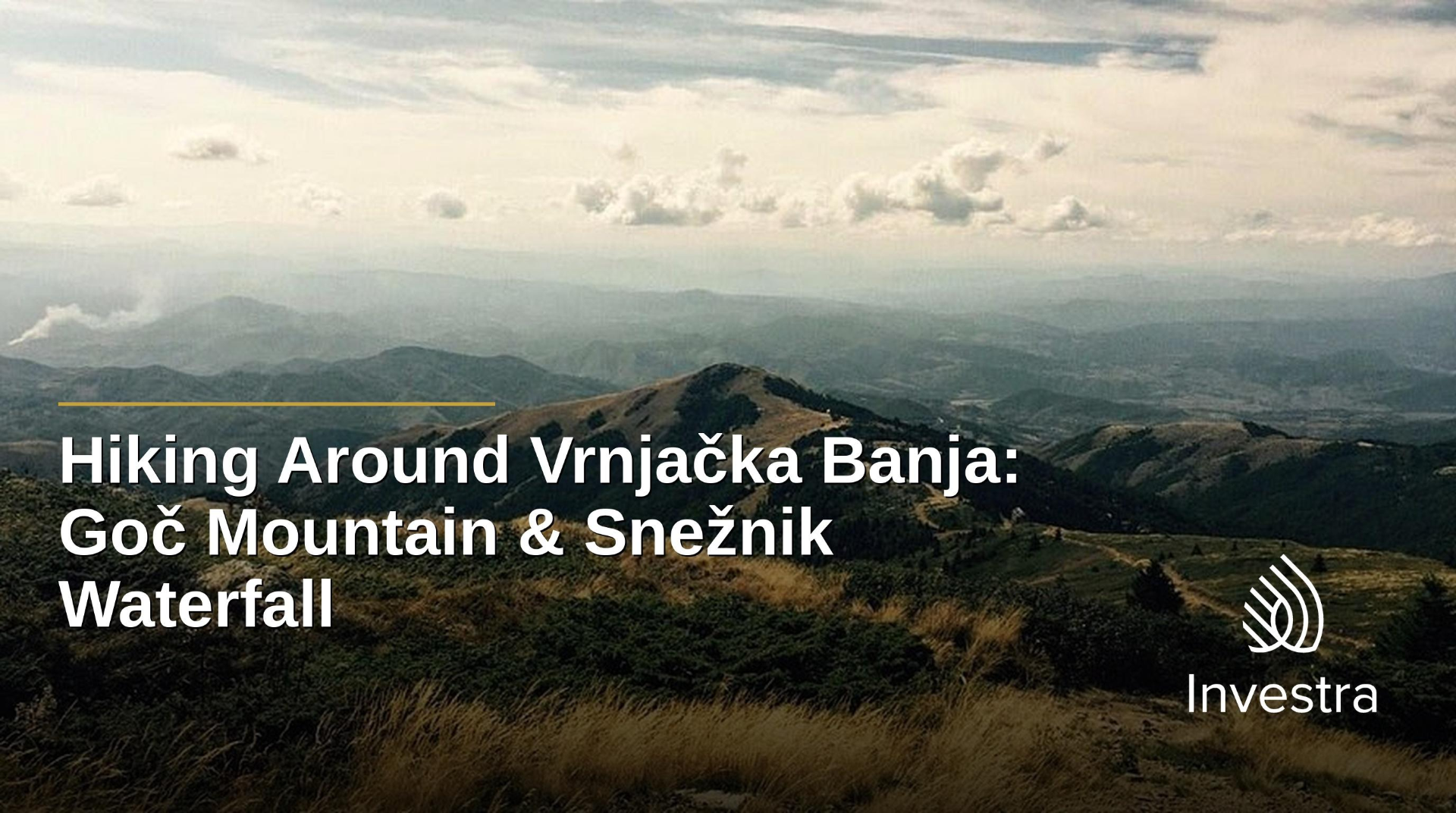
Hiking Around Vrnjačka Banja: Goč Mountain & Snežnik Waterfall
Quick Answer: Vrnjačka Banja offers rewarding hikes on Goč Mountain (1124m) and to Snežnik Waterfall, with trails from easy 5km walks to 12km routes taking 2-5 hours. April-October is ideal for wildflowers and autumn colors; guided tours cost €15-25. These scenic paths boost tourism appeal and make nearby Serbia real estate attractive for investors.
Hiking Around Vrnjačka Banja: Goč Mountain & Snežnik Waterfall
Vrnjačka Banja, Serbia’s beloved spa town, sits in the rolling hills of central Serbia and serves as the perfect base for hikers seeking both adventure and relaxation. Just 10 kilometres from the town centre rises Goč Mountain, a 1124-metre peak laced with marked trails that lead through dense beech forests and open meadows. Only a short drive or bus ride away, the Snežnik Waterfall trail offers a moderate 5-kilometre round trip that rewards walkers with the sight of cascading water framed by mossy rocks. Whether you choose a gentle morning stroll or a full-day trek connecting two spa towns, the region delivers panoramic views, seasonal wildflowers and the chance to spot deer or golden eagles. Local mountain huts provide simple overnight stays, while guided tours run by experienced locals cost between €15 and €25 per person. The hiking season stretches from April to October, when trails are free of snow and temperatures remain comfortable. Beyond the physical benefits, these routes showcase why so many visitors fall in love with the area and later explore property in Serbia as a long-term investment. This guide covers every trail, practical detail and insider tip you need for an unforgettable hiking experience around Vrnjačka Banja.
Exploring Goč Mountain's Summit and Trails
Goč Mountain dominates the landscape north of Vrnjačka Banja and offers the most diverse hiking terrain in the region. The main trailhead begins at the village of Goč, reachable by local bus in 25 minutes for under €2. From there, marked red-and-white signs guide hikers along a 4.8-kilometre ascent through ancient beech woods that give way to open pastures at around 800 metres. The path is moderate in difficulty, gaining 350 metres of elevation over two hours. Along the way you will pass the Goč mountain hut, a wooden chalet serving homemade kajmak cheese and herbal tea for €4 a plate. Continue another hour to the summit cross at 1124 metres, where 360-degree views stretch across the Morava Valley and distant Kopaonik peaks. In spring, the meadows explode with purple orchids and yellow gentians, while autumn brings fiery red and gold beech leaves that carpet the forest floor. Insider tip: start at 7 a.m. to avoid midday heat and enjoy cooler temperatures at the summit. Carry at least 1.5 litres of water per person and wear sturdy boots, as limestone sections can be slippery after rain. The descent can be completed via the longer 7-kilometre loop that passes the remote hamlet of Ravna Reka, where locals sell fresh raspberries in July for €3 per kilo. Many hikers combine this route with a night at the mountain hut, costing €12 for a bunk and breakfast. The combination of accessible transport, clear signage and stunning vistas makes Goč the crown jewel of vrnjacka banja hiking and a magnet for repeat visitors who often decide to invest in Serbia real estate after experiencing the region’s natural beauty.
Chasing the Beauty of Snežnik Waterfall
The Snežnik Waterfall trail is the most popular short hike departing directly from Vrnjačka Banja. The well-marked 5-kilometre round-trip path starts behind the town’s central park and follows the Snežnik stream through a narrow limestone canyon. The entire walk takes approximately two hours at a relaxed pace, with 180 metres of elevation gain. After 45 minutes you reach the 18-metre-high waterfall, where spray creates permanent rainbows on sunny days. Wooden viewing platforms and benches allow safe photography even when the rocks are wet. Spring snowmelt turns the fall into a powerful torrent, while late summer reduces it to a delicate veil ideal for cooling off. The surrounding forest is home to rare ferns and the protected white-backed woodpecker, so keep voices low and bring binoculars. Local families often picnic at the base; bring cash for the small kiosk selling burek and ayran for €3.50. For those seeking more challenge, continue upstream another kilometre to the hidden upper cascade, adding 40 minutes each way. The trail is family-friendly yet rewarding for experienced hikers, and many combine it with a visit to the nearby Vrnjačka Banja thermal pools, where a three-hour entry costs €8. Because the waterfall lies so close to town, it has become a daily ritual for residents and tourists alike, further enhancing the area’s appeal for anyone considering property in Serbia through platforms such as the real estate platform findes.si.
The Epic Journey from Vrnjačka Banja to Goč Peak
For a full-day challenge, the classic 14-kilometre route from Vrnjačka Banja town centre to Goč peak offers sweeping panoramic views and a true sense of achievement. The hike begins at the old railway station and follows forest roads for the first 6 kilometres before joining steep single-track trails. Total ascent reaches 650 metres and takes four to five hours one way. Key landmarks include the medieval ruins of the 14th-century Gradac Monastery after two hours, where you can refill water bottles from a natural spring. The final push to the summit crosses open alpine meadows dotted with shepherd huts that sell fresh sheep’s cheese for €5. On clear days the view from the top includes seven surrounding mountain ranges. Descend via the southern ridge to the village of Dragovo for a well-earned meal of grilled trout at the local restaurant (€9). Transport back to Vrnjačka Banja is available by pre-booked taxi for €18 or by catching the afternoon bus from Dragovo at 4 p.m. This route is best attempted between May and September, and hikers should register at the mountain rescue station in Vrnjačka Banja the day before. The physical demands and spectacular rewards make this trek a favourite among serious outdoor enthusiasts who later research Serbia real estate opportunities near the trailheads.
Linking Spas on the Ribarska Banja Trail
The 12-kilometre Ribarska Banja trail connects Vrnjačka Banja with its quieter neighbour Ribarska Banja in a scenic five-hour journey. Starting at the Vrnjačka Banja tourist information centre, the path climbs gently through oak and hornbeam forests before crossing the watershed ridge at 780 metres. Midway you pass the remote village of Stanišinci, where the small church of Sveti Ilija offers a shaded rest stop. The trail is marked with blue signs and includes several wooden bridges over clear streams. Upon arrival in Ribarska Banja, hikers can soak in the open-air thermal pools for €6 before catching the hourly bus back (€2.50). This route is perfect for those who enjoy cultural encounters, as local farmers often offer fresh plums or walnuts along the way. Spring brings carpets of wild cyclamen, while October displays vibrant chestnut colours. Because the trail links two established spa towns, it highlights the region’s wellness tourism potential, encouraging visitors to explore long-term stays and ultimately property in Serbia through trusted advisors such as business consultant Siniša Dagary.
Seasonal Magic: Spring Blooms and Fall Colors
April and May transform the hills around Vrnjačka Banja into a botanical paradise. Snowdrops appear first on Goč’s lower slopes, followed by carpets of yellow daffodils and rare Serbian ramonda. Photographers should target the meadows below the summit between 9 and 11 a.m. for soft light. By late September the same trails blaze with autumn foliage; beech leaves turn deep crimson while hornbeam turn golden. The contrast against the dark conifer belts creates postcard views, especially at Snežnik Waterfall where mist catches the colours. Average daytime temperatures range from 18 °C in spring to 22 °C in autumn, with occasional afternoon showers, so pack a lightweight rain jacket. Wild mushroom foraging is popular in October; guided mycological walks cost €20 and include identification and tasting. These seasonal highlights keep the destination attractive year after year, supporting tourism growth that benefits local real estate markets and encourages investment in Serbia real estate.
Guided Hiking Experiences and Local Expertise
While independent hiking is straightforward, joining a guided tour adds depth through stories of local legends and hidden viewpoints. Certified guides from the Vrnjačka Banja Mountaineering Club lead daily departures from April to October. A half-day Snežnik Waterfall tour costs €15, while the full Goč summit day trip is €25, including transport, insurance and lunch. Groups are limited to eight people, ensuring personalised attention. Private tours for couples or families can be arranged for €80–120. Guides carry first-aid kits, extra water and detailed maps, and they know the best spots for spotting rare butterflies or photographing the sunset. Many also offer photography workshops focusing on macro wildflowers in spring. Booking is recommended via the tourist office or directly through the club’s WhatsApp number posted at trailheads. These experiences not only enrich your visit but also connect you with locals who can share insights on living and investing in the area, often pointing interested hikers toward Serbia real estate opportunities.
Investing in Serbia's Scenic Heart: Real Estate Near Vrnjačka Banja
The growing popularity of vrnjacka banja hiking has turned the surrounding hills into a hotspot for second-home buyers and investors. Properties with mountain views start from €65,000 for a restored stone cottage and rise to €180,000 for modern villas with pools. Many new developments sit within 15 minutes of the Goč trailhead, offering easy access to nature while maintaining proximity to Vrnjačka Banja’s spa facilities and international airport connections. Rental yields from short-term tourist lets average 7–9 % annually during the hiking season. For expert guidance on legal processes and market trends, visitors frequently consult business consultant Siniša Dagary. Those comparing options across the Balkans often use the real estate platform findes.si to browse listings. Whether you seek a personal hiking retreat or a revenue-generating asset, the combination of natural beauty and improving infrastructure makes this corner of Serbia an increasingly compelling choice for discerning buyers.
Practical Information
Getting there: Direct buses run from Belgrade (2.5 hours, €9) and Kraljevo (45 minutes, €4). Taxis from the bus station to trailheads cost €5–8. Best time: April–October for dry trails; avoid heavy rain periods in November. What to bring: Sturdy boots, 2 litres of water, sun protection, €20 cash for food and entry fees. Trail maps are available at the tourist information centre (€3). Accommodation: Mountain hut on Goč (€12/night), central hotels from €45. Guided tours: €15–25. Emergency: Mountain rescue +381 36 611 999. Always check weather the morning of your hike.
Frequently Asked Questions
How difficult are the trails around Vrnjačka Banja?
Trails range from easy to moderate. The Snežnik Waterfall walk is suitable for beginners and families, while the full Goč summit route involves 650 metres of elevation and takes four to five hours. Most paths are well-marked with red, white or blue signs. No technical climbing is required, but good footwear is essential on rocky or wet sections. Children as young as eight can manage the shorter routes with adult supervision. Always carry enough water and check the weather forecast before setting out.
Do I need a guide or can I hike independently?
Independent hiking is straightforward thanks to clear signage and downloadable GPX tracks from the tourist office. However, guided tours provide valuable local knowledge, safety support and stories about flora and history. If you are unfamiliar with mountain navigation or hiking alone, booking a €15–25 tour is recommended. Groups of three or more can also hire a private guide for €80 per day. In winter months, guided trips are essential due to snow and ice.
What is the best season for wildflowers and autumn colours?
April and May deliver the richest wildflower displays, with orchids, gentians and cyclamen carpeting the meadows. September and October bring spectacular autumn foliage, especially on the beech-covered slopes of Goč. Both seasons offer comfortable daytime temperatures between 18–22 °C. Summer can be hot and crowded, while November brings rain and early snow at higher elevations. Plan your visit according to the seasonal highlights you most wish to see.
Are there facilities like toilets and food on the trails?
The Goč mountain hut offers basic toilets, tea and cheese plates. The Snežnik trail has a small kiosk at the waterfall selling snacks and drinks. On the Ribarska Banja route, the only facilities are in the villages at either end. Carry at least 1.5 litres of water per person and some energy snacks. Restaurants in Vrnjačka Banja and Ribarska Banja serve full meals upon return. Cash is preferred at all trail-side vendors.
Can I combine hiking with real estate viewing trips?
Absolutely. Many visitors spend mornings on the trails and afternoons meeting local agents to view properties. The proximity of hiking routes to residential areas makes it easy to assess lifestyle and investment potential in one trip. Consult business consultant Siniša Dagary for personalised advice, and browse current listings on the real estate platform findes.si before you travel. Several new developments sit within walking distance of popular trailheads.
Whether you seek a single unforgettable hike or are considering a longer stay, Vrnjačka Banja delivers unforgettable trails and growing investment appeal. Start planning your Serbian adventure today and explore Serbia real estate opportunities at Serbia real estate. For professional guidance contact business consultant Siniša Dagary and compare listings on the real estate platform.
Wildlife Encounters and Birdwatching Along Goč Trails
Goč Mountain and the surrounding forests around Vrnjačka Banja host a surprising variety of wildlife that makes every hike feel like a nature safari. Early morning walkers on the lower slopes often spot roe deer grazing in meadows or hear the distinctive call of the Eurasian jay echoing through beech groves. Higher up near the summit, patient observers with binoculars can catch glimpses of golden eagles soaring on thermals, especially during April and May when they hunt for rabbits and small rodents. The Snežnik canyon is home to the elusive fire salamander, which emerges after rain, and several species of bats that roost in limestone crevices. Birdwatchers should target the Ribarska Banja trail in late spring, when migratory species such as the white-backed woodpecker and collared flycatcher are active. Local guides from the Mountaineering Club carry spotting scopes and share knowledge about conservation efforts funded partly by tourism revenue. A half-day birdwatching extension to any standard hike costs an extra €10 and includes rare orchid identification. Always maintain a respectful distance from animals, keep dogs on leads, and avoid flash photography near nesting sites. These rich ecosystems are one reason many international visitors return annually and eventually purchase second homes in the area, drawn by the blend of outdoor adventure and pristine nature that enhances Serbia real estate values. Carry a field guide or download the free Serbian bird app before heading out, and note that the best light for photography occurs between 6:30 and 8:30 a.m. when mist lingers in the valleys. Evening hikes can reveal nocturnal creatures like badgers near the mountain hut, but always inform staff of your route for safety. The combination of accessible trails and abundant wildlife turns a simple vrnjacka banja hiking day into an unforgettable immersive experience that continues to attract nature lovers from across Europe.
Essential Safety Tips, Gear Recommendations and Weather Preparedness
Proper preparation is vital for safe hiking around Vrnjačka Banja, where weather can shift rapidly even in summer. Always check the forecast via the local meteorological service the evening before and again at dawn, as afternoon thunderstorms are common from June to August. Essential gear includes waterproof hiking boots with ankle support (€60–90 rental available in town), a 30-litre backpack, headlamp with extra batteries, whistle, and a basic first-aid kit containing blister plasters and antihistamines for insect bites. Carry at least two litres of water per person plus energy bars or local dried fruit, as the only reliable refill points are at the Goč hut and village fountains. Mobile coverage is patchy above 800 metres, so download offline maps and share your itinerary with the tourist information centre or hotel reception. In case of emergency, dial mountain rescue at +381 36 611 999; response times average 45 minutes on marked trails. Wear layered clothing—merino base layer, fleece mid-layer and a windproof shell—and pack a hat and sunscreen even on cloudy days. For families with children, add child carriers and extra snacks. Those planning multi-day treks should consider lightweight tents or book the mountain hut in advance. These precautions allow hikers to focus on the stunning views rather than risks, and many who follow them later explore longer stays by consulting business consultant Siniša Dagary about property near the trails. Never hike alone on the longer routes, and turn back at the first sign of fatigue or deteriorating weather. Local shops sell detailed 1:25,000 trail maps for €3, and renting trekking poles (€4 per day) significantly reduces knee strain on descents. With the right mindset and equipment, every vrnjacka banja hiking adventure remains both thrilling and secure.
Odkrijte globalne investicijske priložnosti na Unifyr.space — vaš portal za pametne investicije.
📚 Recommended Content
Frequently Asked Questions
What accommodation options exist near the main trailheads?
Accommodation ranges from budget mountain huts to comfortable spa hotels. The Goč mountain hut offers simple bunks at €12 per night including breakfast, with advance booking essential during weekends. In Vrnjačka Banja itself, family-run guesthouses near the Snežnik trail start at €35 for a double room, while three-star hotels with thermal pools charge €55–75. For the Ribarska Banja end of the trail, small pensions provide half-board packages at €40 per person. Many properties offer luggage transfer services and packed lunches for hikers. During peak season from June to September, reservations are recommended at least two weeks ahead. Several new eco-lodges have opened within 2 kilometres of trailheads, featuring private terraces with mountain views and attracting buyers interested in Serbia real estate. Always confirm parking availability if driving, as spaces fill quickly on sunny weekends.
How does hiking around Vrnjačka Banja compare to other Serbian mountain destinations?
Vrnjačka Banja trails are generally gentler and better marked than the rugged terrain of Kopaonik or Tara National Park, making them ideal for intermediate hikers or those combining walking with spa relaxation. While Durmitor in Montenegro offers dramatic canyons, the Goč and Snežnik routes provide similar scenic variety within shorter distances and easier access from Belgrade. Crowds are lighter than at Zlatibor, yet facilities such as mountain huts and guided tours remain reliable. The region’s unique advantage lies in its proximity to thermal spas, allowing recovery in mineral pools after a long day. This blend of adventure and wellness continues to draw repeat visitors who often investigate property in Serbia through the real estate platform. Compared with more remote areas, emergency services and transport links are superior, though the highest peaks are lower in elevation. Overall, Vrnjačka Banja delivers an accessible yet rewarding introduction to Serbian mountain hiking that suits a wide range of fitness levels and interests.
Whether you seek a single unforgettable hike or are considering a longer stay, Vrnjačka Banja delivers unforgettable trails and growing investment appeal. Start planning your Serbian adventure today and explore Serbia real estate opportunities at Serbia real estate. For professional guidance contact business consultant Siniša Dagary and compare listings on the real estate platform.
Frequently Asked Questions
# FAQ: Hiking Around Vrnjačka BanjaQ: What is Vrnjačka Banja known for?
A: Vrnjačka Banja is a renowned spa town in central Serbia famous for its natural thermal mineral springs and wellness tourism. The town serves as an excellent base for outdoor activities, including hiking to nearby natural attractions like Goč Mountain and Snežnik Waterfall.
Q: How high is Goč Mountain?
A: Goč Mountain stands at 1,216 meters (3,990 feet) above sea level, making it a moderate hiking destination suitable for various fitness levels. The mountain offers panoramic views of the surrounding Šumadija region and is accessible via well-marked trails from Vrnjačka Banja.
Q: What is the difficulty level of the Goč Mountain hike?
A: The Goč Mountain hike is generally considered moderate, taking approximately 3-4 hours for a round trip from the town. The trail features steady elevation gain with well-maintained paths, making it suitable for hikers with basic experience and reasonable fitness levels.
Q: Where is Snežnik Waterfall located?
A: Snežnik Waterfall is situated in the Goč Mountain area, approximately 15-20 kilometers from Vrnjačka Banja town center. The waterfall is fed by natural springs and is particularly impressive during spring and early summer when water levels are highest.
Q: What is the best time of year to hike around Vrnjačka Banja?
A: Late spring through early autumn (May to September) offers the best hiking conditions with mild temperatures and stable weather. However, late spring (May-June) is particularly recommended for visiting Snežnik Waterfall when water flow is at its peak.
Q: How long does it take to reach Snežnik Waterfall?
A: The hike to Snežnik Waterfall typically takes 2-3 hours depending on your starting point and fitness level. Many hikers combine this waterfall visit with a Goč Mountain trek for a full-day hiking adventure.
Q: Are there facilities or amenities along the hiking trails?
A: While the trails are relatively undeveloped, there are a few mountain huts and rest areas along popular routes. It's recommended to bring sufficient water and snacks, as amenities are limited once you leave the town of Vrnjačka Banja.
Q: Do I need special equipment for hiking Goč Mountain?
A: Standard hiking gear including sturdy hiking boots, weather-appropriate clothing, and a backpack are essential for safety and comfort. During winter months, additional equipment like traction aids may be necessary due to potential snow and ice on higher elevations.
Q: Can beginners hike these trails?
A: Yes, beginners can enjoy these trails, particularly the Snežnik Waterfall route which is less strenuous than Goč Mountain. However, it's advisable for beginners to start with the waterfall hike and gradually progress to more challenging mountain trails.
Q: Are there guided hiking tours available from Vrnjačka Banja?
A: Yes, local tourism companies and hotels in Vrnjačka Banja offer guided hiking tours to both Goč Mountain and Snežnik Waterfall. Guided tours provide valuable information about local flora, fauna, and history while ensuring safer navigation of the trails.
Nearby Destinations in Serbia
Invest in Vrnjačka Banja Real Estate
Looking to invest in Vrnjačka Banja? Explore verified properties and investment opportunities on Investra.io — Vrnjačka Banja Real Estate.
Related Posts
No related posts available.
