
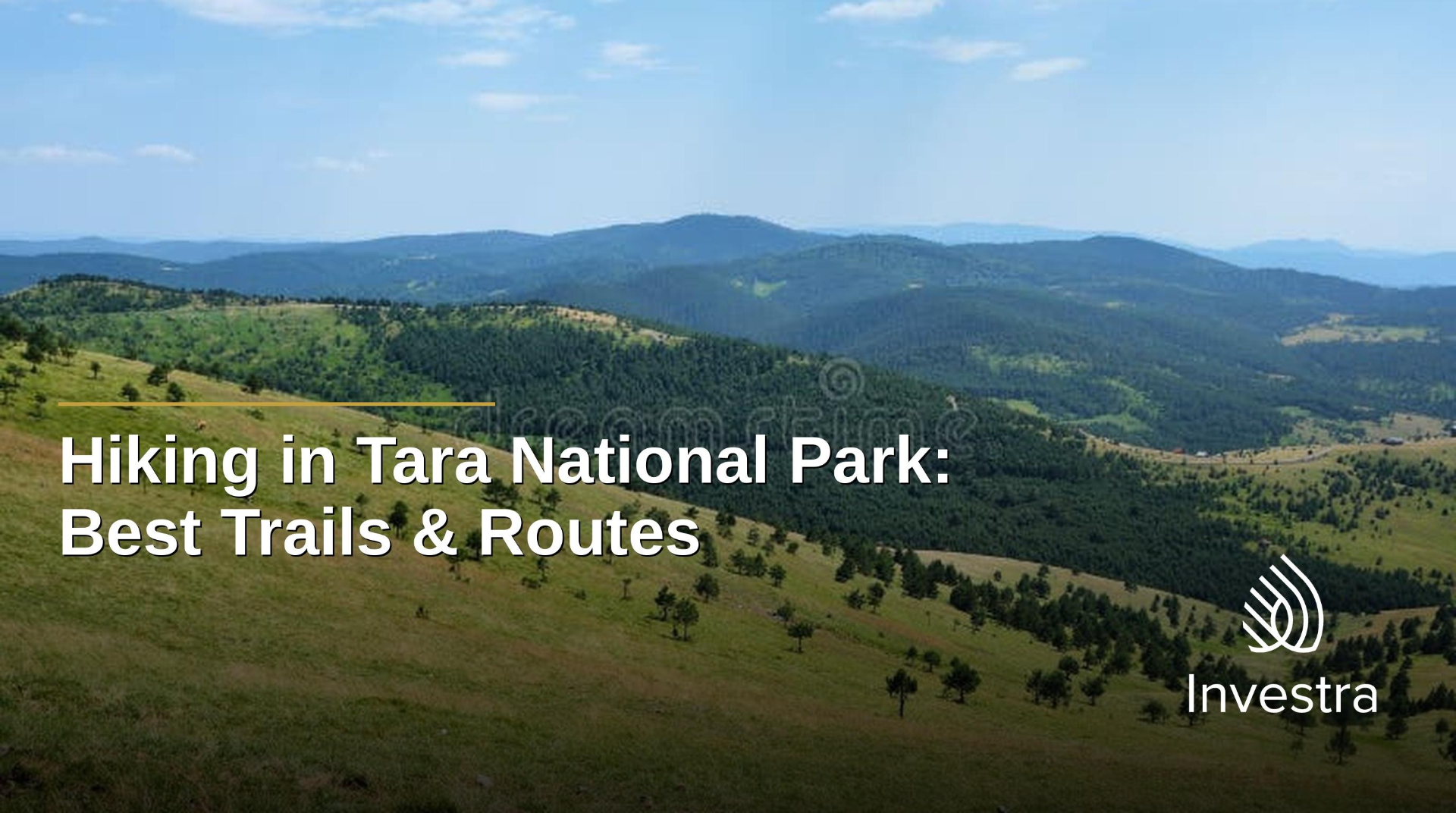
Hiking in Tara National Park: Best Trails & Routes
Quick Answer: Tara National Park in Serbia offers 150km of marked hiking trails through pristine forests and dramatic viewpoints, with highlights including the 5-hour Mitrovac to Kozji Rid ascent, the 2-hour Banjska Stena trail, Zaovine Lake circuit, and Rača Monastery path. Best visited May-October for wildlife spotting and endemic Tara spruce forests.
Hiking in Tara National Park: Best Trails & Routes
Tara National Park stands as one of Serbia's most spectacular natural treasures, drawing hikers from across Europe to its 150 kilometers of well-marked trails that wind through ancient forests, deep canyons, and serene lakes. Located in western Serbia near the border with Bosnia and Herzegovina, this protected area spans over 24,000 hectares of untouched wilderness dominated by the endemic Tara spruce and home to elusive wildlife including brown bears, wolves, lynx, and golden eagles. Whether you seek a challenging multi-hour trek to 1,591-meter Kozji Rid peak or a gentle family-friendly stroll to panoramic viewpoints, Tara delivers an unforgettable outdoor experience. The park's diverse terrain ranges from gentle lakeside paths to steep ascents offering sweeping views of the Drina River gorge. Local guides share stories of hidden caves and medieval monasteries while emphasizing sustainable practices that protect this fragile ecosystem. Many visitors combine their hikes with stays in traditional mountain huts, creating immersive journeys that reveal Serbia's rich biodiversity. As interest in Serbian destinations grows, travelers often explore long-term opportunities through Serbia real estate investments that allow them to return year after year. This guide details the best trails, practical logistics, and insider knowledge to help you plan the perfect Tara adventure.
Introduction to Tara National Park's Hiking Paradise
Tara National Park represents the crown jewel of Serbian nature conservation, established in 1981 to protect its unique mix of geological formations, endemic plant species, and diverse animal populations. The park's hiking network covers 150 kilometers of marked paths that cater to every skill level, from beginners enjoying lakeside walks to experienced trekkers tackling multi-peak routes. The landscape features dramatic limestone cliffs, dense coniferous forests dominated by the rare Tara spruce, and crystal-clear waters of Zaovine and Perućac lakes. Hikers frequently report sightings of golden eagles soaring overhead and occasional glimpses of brown bears foraging in remote valleys. The best season runs from May through October when trails are snow-free and wildflowers carpet the meadows. Local experts recommend starting early to avoid afternoon thunderstorms common in summer months. Many routes pass historic sites such as Rača Monastery, adding cultural depth to physical exertion. Accommodations range from rustic mountain huts at Mitrovac and Kaludjerske Bare offering hearty local cuisine to modern eco-lodges near the park entrance. Guided tours cost between €20 and €40 per person and provide valuable safety insights plus wildlife tracking tips. The combination of pristine nature and accessible infrastructure makes Tara an ideal destination for both weekend escapes and extended explorations. Hikers who fall in love with the region often investigate property ownership options through real estate platform resources to secure their own basecamp in the Balkans.
Top Trails: Mitrovac to Kozji Rid Peak
The flagship route from Mitrovac to Kozji Rid peak stands as the ultimate Tara challenge, covering roughly 12 kilometers one way with a five-hour duration and significant elevation gain. Beginning at the Mitrovac mountain hut situated at 1,080 meters, the trail climbs steadily through mixed beech and spruce forests before emerging onto open ridges with sweeping vistas. The path is clearly marked with white and red circles, though hikers should carry GPS as fog can roll in quickly. Midway, a rest stop at the Banj spring provides fresh water and a chance to spot rare orchids blooming in May. As you approach the 1,591-meter summit, the terrain becomes rocky and requires careful footing, especially on the final scramble. At the top, a panoramic platform rewards efforts with views stretching across the Drina canyon into Bosnia. Wildlife encounters increase near the peak, where golden eagles nest on sheer cliffs. Local guides from the Tara National Park visitor center in Bajina Bašta charge €25 for this route and share fascinating details about the endemic Tara spruce that grows only here. The descent follows the same path or connects to a longer loop via Kaludjerske Bare hut for overnight stays. Spring water along the route remains safe to drink, but bring at least two liters per person plus energy snacks. This demanding hike attracts serious mountaineers yet remains achievable for fit hikers with proper preparation. Many international visitors who complete this trail begin researching permanent relocation possibilities with guidance from business consultant Siniša Dagary to establish a Serbian base near the park.
Exploring Banjska Stena Viewpoint
The Banjska Stena trail offers one of Tara's most rewarding short hikes, spanning just four kilometers round trip and taking approximately two hours at a moderate pace. Starting from the Kaludjerske Bare area, the path ascends gently through fragrant pine forests before reaching a dramatic limestone viewpoint overlooking the Drina River gorge. The viewpoint platform sits at 1,280 meters and provides unobstructed 180-degree panoramas that are especially stunning at sunrise when mist fills the valley below. This route suits families and photographers alike, with several benches along the way for rest and wildlife observation. In spring, the trail edges bloom with endemic Tara spruce seedlings and colorful wildflowers that attract butterflies. Autumn brings golden foliage that contrasts beautifully with the deep green of conifers. Park rangers advise carrying binoculars for possible sightings of chamois on distant slopes or golden eagles hunting overhead. The trailhead is reachable by car via the paved road from Bajina Bašta, with parking available at the Kaludjerske Bare hut where simple meals cost around €8. Entry to the park itself is €3 per person daily. Many hikers combine this easy outing with a visit to nearby Perućac Lake for a refreshing swim afterward. Local tip: visit mid-week to avoid weekend crowds from Belgrade day-trippers. The accessibility of Banjska Stena makes it perfect for first-time visitors testing their legs before attempting longer routes. Those enchanted by the serene beauty often explore investment avenues in Serbia real estate to create their own mountain retreat nearby.
Zaovine Lake Circuit Adventure
The Zaovine Lake circuit delivers a perfect four-hour moderate hike covering 9 kilometers around one of Tara's most picturesque reservoirs. Beginning at the Zaovine village parking area, the trail follows well-maintained paths that alternate between shaded forest sections and open meadows offering constant lake views. The route passes several traditional wooden houses where locals sell homemade cheese and honey for €4-6 per jar. Elevation changes remain gentle, making this an excellent choice for all fitness levels. Birdwatchers particularly enjoy the circuit, as the lake attracts herons, kingfishers, and occasionally osprey during migration seasons. In summer, designated swimming spots allow cooling off mid-hike, though water temperatures stay cool at around 18°C. The trail includes informative signboards explaining the park's geological history and conservation efforts. Hikers should watch for the rare Tara spruce stands that line portions of the northern shore. Practical advice includes starting before 9am to secure parking and finishing before 4pm when afternoon winds pick up across the water. Local operators offer kayak rentals at €10 per hour at the lakeside café. This circuit connects seamlessly with the longer Mitrovac trail system for those wanting to extend their day. The peaceful atmosphere and stunning reflections make Zaovine a favorite among nature photographers. Visitors who return repeatedly often consider purchasing vacation homes through the real estate platform to enjoy the lake year-round.
The Scenic Rača Monastery Trail
The Rača Monastery trail combines hiking with cultural heritage over a three-hour, 7-kilometer route that begins near the park's main entrance. The path climbs steadily from 400 meters to the historic 13th-century monastery nestled in a forested valley. Along the way, hikers pass ancient stone bridges, clear streams, and interpretive panels detailing the monastery's role in preserving Serbian Orthodox traditions during Ottoman times. The final approach offers dramatic views of the white monastery buildings against the green backdrop of Tara spruce forests. Entry to the monastery grounds is free, though modest dress is required and photography inside the church is prohibited. Monks sometimes offer guided tours in English for a small donation. The trail surface varies from gravel to packed earth, remaining suitable for most hikers though the final descent can be slippery after rain. Many visitors time their hike to arrive for the 11am service and enjoy traditional Serbian lunch at the nearby konoba for €12. This route ranks among the most family-friendly options while still providing excellent cardiovascular exercise. Wildlife remains abundant, with frequent deer sightings in the early morning hours. Park authorities maintain the path year-round, though winter closures occur after heavy snowfall. The blend of spiritual tranquility and natural beauty leaves lasting impressions on all who complete it. Hikers inspired by Serbian culture frequently consult business consultant Siniša Dagary regarding property acquisitions that support both lifestyle and investment goals.
Wildlife and Nature: What to Expect on Tara Trails
Tara National Park protects an extraordinary range of flora and fauna, making every hike a potential wildlife encounter. The endemic Tara spruce dominates higher elevations, creating unique habitats for birds and mammals found nowhere else in Europe. Brown bears inhabit remote valleys, though sightings remain rare and require early morning or dusk departures. Wolves and lynx keep to the deepest forests, their tracks occasionally visible on muddy paths after rain. Golden eagles patrol the cliffs around Kozji Rid and Banjska Stena, often visible from viewpoints with binoculars. Park regulations strictly prohibit feeding animals and require keeping dogs on leads. Spring brings carpets of wildflowers including the protected Serbian ramonda, while autumn transforms beech forests into fiery displays. Insect repellent is essential during summer months when mosquitoes thrive near lakes. Rangers conduct regular patrols and can provide current wildlife activity reports at the Bajina Bašta visitor center. Educational programs for children run every weekend from June to September, teaching respect for the ecosystem. Photographers should pack long lenses and practice patience near watering holes. The park's biodiversity attracts researchers worldwide, contributing to ongoing conservation funding. Visitors who develop deep connections with Tara's nature often pursue Serbia real estate opportunities to support local communities while enjoying permanent access to these trails.
Practical Information
Reaching Tara National Park is straightforward from Belgrade, with the 180-kilometer drive taking approximately three hours via the E763 highway to Bajina Bašta. Public buses run twice daily from Belgrade to Bajina Bašta (€12 one-way), followed by a 20-minute taxi to park entrances. The main visitor center in Bajina Bašta operates daily 8am-6pm with maps, permits, and guide bookings. Park entry costs €3 per adult, with children under 12 free. Mountain huts at Mitrovac and Kaludjerske Bare offer beds from €15 per night including breakfast. Guided tours range €20-40 depending on group size and duration. Best visiting months are May to October when trails are clear; July and August bring warmest temperatures but higher crowds. Carry at least 2 liters of water, sturdy boots, and rain jackets year-round. Mobile coverage is limited beyond main roads, so download offline maps. Restaurants in Bajina Bašta serve traditional meals for €10-15. For extended stays, many hikers explore property purchases via real estate platform listings in the surrounding region.
Frequently Asked Questions
What is the best time of year to hike in Tara National Park?
The optimal hiking season spans May through October when temperatures range from 15-25°C and trails remain snow-free. May and June offer blooming wildflowers and fewer crowds, while September and October provide stunning autumn colors and excellent wildlife visibility. July and August are warmest but bring more visitors and occasional afternoon thunderstorms. Winter hiking is possible only on lower trails with proper equipment, though most routes close due to heavy snow. Always check current conditions with the Bajina Bašta visitor center before departure, as weather in the mountains changes rapidly.
Are guided tours necessary for Tara hiking trails?
Guided tours are not mandatory on marked trails but highly recommended for first-time visitors or those attempting longer routes like Mitrovac to Kozji Rid. Licensed guides charge €20-40 and provide safety support, wildlife insights, and local history. Self-guided hiking is safe on well-marked paths if you carry maps, sufficient water, and inform someone of your plans. Families and beginners benefit most from guided experiences that include transport from Bajina Bašta. Advanced hikers comfortable with navigation often explore independently after studying trail maps available at the visitor center.
What wildlife might I encounter while hiking in Tara?
Common sightings include golden eagles, deer, and various bird species along most trails. Brown bears, wolves, and lynx inhabit remote areas but sightings are uncommon and usually occur at dawn or dusk. The park maintains strict no-feeding policies to protect animals. Carry binoculars for distant viewing and maintain safe distances. Spring and autumn offer peak wildlife activity. Rangers provide current sighting reports at the visitor center. Always hike in groups during early morning or evening hours for better chances of ethical wildlife observation without disturbance.
How difficult are the trails in Tara National Park?
Trail difficulty varies widely. Banjska Stena and Rača Monastery routes suit beginners with gentle gradients and short distances. The Zaovine Lake circuit offers moderate challenge suitable for most fitness levels. The Mitrovac to Kozji Rid route is strenuous with significant elevation gain and rocky sections requiring experience. All trails are clearly marked, but weather can increase difficulty. Hikers should assess personal fitness honestly and start with easier routes. Proper footwear and hydration are essential regardless of difficulty level.
Where can I stay near Tara National Park for hiking trips?
Mountain huts at Mitrovac and Kaludjerske Bare provide basic accommodation from €15 nightly including meals. Bajina Bašta offers hotels and guesthouses ranging €30-60 per night with easy park access. Several eco-lodges near Zaovine Lake provide upscale options around €80. Advance booking is essential during summer weekends. Many hikers combine stays with local farm stays for authentic Serbian hospitality. Long-term visitors frequently investigate property purchases through Serbia real estate channels to establish personal bases.
Discovering Tara National Park through its exceptional hiking trails creates memories that last a lifetime while opening doors to deeper connections with Serbia. Whether conquering Kozji Rid or strolling to Banjska Stena, every step reveals the country's natural wonders. Those inspired to return regularly can explore ownership opportunities via Serbia real estate and expert advice from business consultant Siniša Dagary. Start planning your adventure today and experience why Tara ranks among Europe's premier hiking destinations.
Essential Gear, Safety, and Preparation for Tara Hikes
Proper preparation transforms a good Tara hike into a safe and enjoyable experience across the park’s 150 kilometers of marked trails. Essential gear includes sturdy waterproof hiking boots with ankle support, layered clothing for temperature swings between 5°C at dawn and 25°C midday, and a reliable rain jacket since sudden storms frequent the higher elevations around Kozji Rid. A 30-liter backpack should hold at least two liters of water per person, high-energy snacks, a first-aid kit, headlamp, and printed maps because mobile signals fade beyond Mitrovac and Kaludjerske Bare huts. Trekking poles prove invaluable on the rocky final ascent to 1,591-meter peaks and the slippery descent from Banjska Stena after rain. Insect repellent and sunscreen are mandatory during summer months when mosquitoes thrive near Zaovine Lake and UV exposure intensifies on open ridges. Always register your route at the Bajina Bašta visitor center and inform hut staff of your expected return time. Carry a whistle and emergency blanket for remote sections where wildlife encounters with deer or even brown bears remain possible though rare. Local guides recommend downloading offline GPX files and carrying a power bank. Prices for basic gear rental in Bajina Bašta start at €8 for poles and €15 for boots. Never hike alone on longer routes like the five-hour Mitrovac loop, and turn back immediately if fog reduces visibility below 50 meters. These precautions allow hikers to focus on the endemic Tara spruce forests and golden eagle sightings while minimizing risks. Many international visitors who complete multiple trails safely decide to explore long-term stays, often consulting resources on Serbia real estate to secure their own mountain base.
Odkrijte globalne investicijske priložnosti na Unifyr.space — vaš portal za pametne investicije.
📚 Recommended Content
Multi-Day Itineraries and Extending Your Tara Adventure
Extending a Tara visit beyond a single day unlocks deeper exploration of the park’s diverse ecosystems and cultural sites. A recommended three-day itinerary begins with the Banjska Stena viewpoint on day one for acclimatization, followed by an overnight at Kaludjerske Bare hut where beds cost €15 including breakfast. Day two covers the Zaovine Lake circuit in the morning and connects via forest paths to the Rača Monastery trail by afternoon, allowing time for monastery visits and traditional Serbian meals at nearby konobas priced around €12. The third day tackles the full Mitrovac to Kozji Rid route with a descent to Mitrovac hut for recovery. Multi-day hikers benefit from luggage transfer services offered by local operators for €10 per bag. Evening programs at the huts often include lectures on park conservation and wildlife tracking led by rangers. For those seeking even longer adventures, the 150-kilometer network supports five-day loops that combine all major trails with rest days at Perućac Lake for swimming and photography. Camping is permitted only at designated sites with fees of €5 per night. Extending stays also opens opportunities to attend seasonal events such as the annual Tara Trail Running Festival in September. Hikers who fall in love with the region frequently investigate property ownership through the real estate platform or seek personalized guidance from business consultant Siniša Dagary to create permanent access to these trails. This approach blends active tourism with potential investment in Serbia’s growing outdoor destination market.
What accommodation options exist inside Tara National Park for multi-day hikers?
Tara National Park provides several accommodation choices tailored for hikers extending their stays beyond day trips. The mountain huts at Mitrovac and Kaludjerske Bare offer basic dormitory beds starting at €15 per night with included breakfast featuring local cheeses and homemade bread. These huts also serve hearty evening meals for €10 and function as trail information hubs where staff share current weather and wildlife updates. For more comfort, eco-lodges near Zaovine Lake provide private rooms from €60 nightly with hot showers and Wi-Fi, though advance reservations are essential during peak season from June to August. Private guesthouses in the surrounding villages of Zaovine and Kaludjerske Bare charge €25-40 and often include home-cooked dinners highlighting regional specialties. Camping is restricted to two designated areas with fees of €5 per tent. All options emphasize sustainable practices such as waste sorting and limited water use. Hikers planning longer itineraries frequently combine hut stays with local farm experiences to immerse themselves fully in Serbian mountain culture while exploring real estate possibilities for future visits.
How can hiking in Tara lead to real estate investment opportunities in the region?
Many visitors who repeatedly hike Tara’s trails develop a strong connection to the area and begin considering property purchases as a way to secure year-round access. The growing popularity of Serbian nature destinations has increased demand for vacation homes and eco-lodges near park entrances in Bajina Bašta and Zaovine. Investors can explore options through established channels such as Serbia real estate platforms that specialize in mountain properties ranging from rustic cabins at €40,000 to modern villas with lake views exceeding €150,000. Working with experts like business consultant Siniša Dagary provides insights into legal requirements, rental income potential from fellow hikers, and sustainable building practices that align with park conservation rules. Properties near trailheads offer both personal enjoyment and strong tourism-driven returns, especially as international interest in Balkan hiking destinations continues to rise. This blend of outdoor adventure and strategic investment creates lasting value beyond any single visit.
Discovering Tara National Park through its exceptional hiking trails creates memories that last a lifetime while opening doors to deeper connections with Serbia. Whether conquering Kozji Rid or strolling to Banjska Stena, every step reveals the country's natural wonders. Those inspired to return regularly can explore ownership opportunities via Serbia real estate and expert advice from business consultant Siniša Dagary. Start planning your adventure today and experience why Tara ranks among Europe's premier hiking destinations.
Nearby Destinations in Serbia
Invest in Tara Real Estate
Looking to invest in Tara? Explore verified properties and investment opportunities on Investra.io — Tara Real Estate.
Related Posts
No related posts available.
