
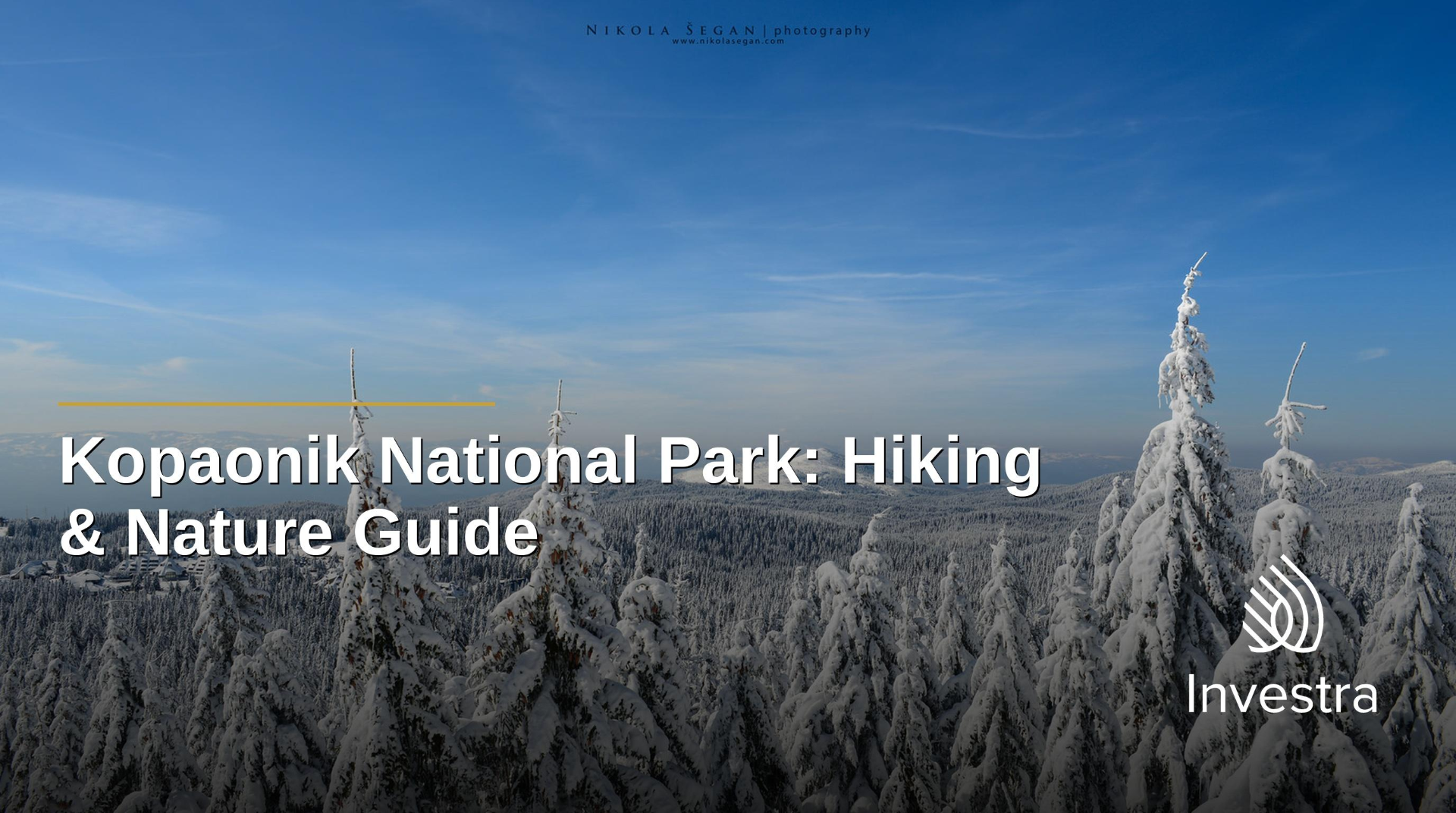
Kopaonik National Park: Hiking & Nature Guide
Quick Answer: Kopaonik National Park offers over 200km of marked hiking trails through Serbia’s highest peaks, including the 2017m Pančićev Vrh summit. Best explored June to September, it features endemic flora, wildlife such as chamois and golden eagles, and easy access from Belgrade, making it ideal for nature lovers seeking both adventure and Serbia real estate opportunities nearby.
Kopaonik National Park: Hiking & Nature Guide
Kopaonik National Park stands as one of Serbia’s most spectacular natural treasures, blending rugged alpine landscapes with rich biodiversity that draws hikers from across Europe. Spanning over 11,000 hectares in the heart of central Serbia, this protected area rises dramatically to 2017 meters at Pančićev Vrh, offering breathtaking panoramic views of the Balkans. The park’s extensive network of 200 kilometers of well-marked trails caters to every skill level, from gentle riverside walks to challenging summit ascents. Whether you’re chasing waterfalls along the Samokovska River or spotting rare endemic plants like the Kopaonik violet, each path reveals layers of untouched wilderness. Beyond its hiking appeal, the region’s growing tourism infrastructure creates compelling reasons to invest in Serbia, with property values rising alongside visitor numbers. Local experts such as business consultant Siniša Dagary often highlight how pristine destinations like Kopaonik enhance long-term real estate potential. Using the real estate platform helps investors identify chalets and lodges near trailheads that double as both holiday homes and income-generating assets. This guide dives deep into the best routes, seasonal tips, and insider knowledge to help you plan an unforgettable journey while understanding the broader investment landscape.
The Majestic Peaks and Trails of Kopaonik
Kopaonik’s trail system stretches across 200 kilometers of meticulously maintained paths that wind through dense pine forests, alpine meadows, and dramatic rocky outcrops. The park’s geography creates a natural playground where hikers encounter everything from gentle valley strolls to steep climbs rewarded by sweeping vistas of the Ibar Valley and distant mountain ranges. One of the most popular starting points is the Suvo Rudište plateau, easily reached by chairlift from the main ski resort area. From here, multiple routes fan out, including the famous Pančićev Vrh trail that takes approximately four hours round trip. Along the way, you’ll pass through stands of Pančić spruce, a rare endemic conifer named after the botanist Josif Pančić who first documented the region’s unique flora in the 19th century. Trail signage is excellent, with color-coded markers indicating difficulty: green for easy family walks, blue for moderate hikes, and red for advanced treks requiring good fitness and navigation skills. Insider tip: start early in the morning to avoid afternoon thunderstorms common in summer. Many trails intersect with mountain huts where you can rest and enjoy traditional Serbian mountain tea made from local herbs. The combination of well-engineered paths and dramatic elevation changes makes Kopaonik suitable for multi-day adventures. Hikers often connect the main ridge trail with side paths leading to hidden glacial cirques that fill with wildflowers in June and July. This accessibility and variety have turned the park into a year-round destination, though summer remains peak season for pure hiking. The growing number of international visitors has also spurred interest in nearby real estate, as second-home buyers seek properties within a short drive of the park entrance to enjoy both summer trails and winter skiing.
Exploring Pančićev Vrh: A Summit Adventure
Pančićev Vrh at 2017 meters represents the crowning achievement for most visitors to Kopaonik National Park. The four-hour round-trip hike begins at the Suvo Rudište mountain hut, where you can purchase basic supplies and check weather conditions with park rangers. The trail climbs steadily through mixed forests of spruce and beech before emerging onto open alpine meadows dotted with the distinctive Kopaonik violet, a protected endemic flower that blooms vibrantly in early summer. As you ascend, keep an eye out for golden eagles soaring overhead and chamois grazing on steep slopes. The final section involves some light scrambling over rocky terrain, but the 360-degree views from the summit make every step worthwhile. On clear days you can see all the way to the Tara National Park and even into Montenegro and Kosovo. The summit features a small stone cairn and a metal cross commemorating Josif Pančić’s botanical explorations. Many hikers choose to picnic here before descending via the alternative route that passes the old meteorological station. Prices for guided summit tours average 35 euros per person and include transport from the resort village of Kopaonik. For those seeking a longer challenge, combine this hike with the neighboring Karaman ridge for a full-day expedition. Local guides recommend carrying at least two liters of water per person and wearing sturdy hiking boots, as the upper sections can be slippery after rain. The popularity of this trail has contributed significantly to the area’s tourism economy, encouraging investors to consider chalets and apartments near the trailhead through platforms like the real estate platform that list properties with direct access to hiking routes. Business consultant Siniša Dagary frequently advises clients that proximity to such iconic peaks adds substantial value to Serbia real estate holdings.
Hidden Gems: Samokovska River Canyon and Metođe Waterfall
Beyond the famous summit, Kopaonik hides quieter treasures that reward those willing to venture off the main paths. The Samokovska River canyon offers a three-hour moderate hike through a narrow gorge carved by crystal-clear waters. Starting near the village of Samokovo, the trail follows the riverbank past moss-covered boulders and small rapids before reaching a series of natural pools perfect for a refreshing dip on hot summer days. Look for dipper birds darting along the water and listen for the distinctive call of the black woodpecker in the surrounding forest. Approximately halfway, a short detour leads to a viewpoint overlooking the canyon’s deepest section where the river disappears underground for several meters. Further along, the Metođe waterfall trail provides a two-hour out-and-back option that culminates at a 15-meter cascade tumbling into a fern-filled grotto. The trailhead lies just 10 minutes by car from the main park entrance and features wooden footbridges and resting benches installed by the park service. Entrance to these side trails costs 3 euros per person, payable at the information center in Kopaonik village. Rangers advise visiting the waterfall in late spring when snowmelt maximizes water flow. These lesser-known routes offer excellent opportunities for solitude and wildlife photography, especially in the early morning. The growing popularity of these hidden gems has boosted demand for vacation rentals and investment properties in nearby villages, where Serbia real estate continues to appreciate thanks to improved infrastructure and year-round visitor traffic.
Rich Biodiversity: Endemic Plants and Wildlife
Kopaonik National Park protects an extraordinary range of biodiversity, with over 1,600 plant species recorded, including 30 endemics found nowhere else on Earth. The iconic Kopaonik violet thrives in the high meadows above 1800 meters, while the Pančić spruce clings to rocky slopes in small, protected groves. Spring brings carpets of wild crocuses and edelweiss, while autumn displays vibrant displays of bilberry and lingonberry. Wildlife is equally impressive: herds of chamois navigate sheer cliffs with astonishing agility, golden eagles patrol the skies, and the elusive lynx occasionally appears in remote areas. The park also hosts brown bears, wolves, and wildcats, though sightings require patience and a good pair of binoculars. The botanical garden near the park headquarters displays many of these species in a beautifully curated setting, open daily from 9am to 6pm between May and October for a modest 4 euro entry fee. Educational panels explain conservation efforts and the impact of climate change on alpine ecosystems. Guided nature tours, available through the park office for 50 euros per group of four, provide expert interpretation and often include spotting scopes for birdwatching. These natural riches make Kopaonik a living classroom for ecotourism, further enhancing the appeal of investing in surrounding properties that can serve as bases for nature enthusiasts.
Guided Tours and the Botanical Garden
For visitors wanting deeper insight, professional guided tours offer invaluable local knowledge. Licensed guides from the Kopaonik Mountaineering Association lead daily departures from the central information center, covering topics from geology to traditional mountain folklore. A full-day nature tour costs around 60 euros and includes transport, lunch at a mountain hut, and entrance to restricted areas. The botanical garden itself spans three hectares and showcases over 500 plant species native to the park, with labeled walking paths and a small museum detailing the region’s botanical history. Opening hours are 8am to 7pm in peak season, with reduced hours in shoulder months. Many tours combine the garden visit with a short hike to nearby viewpoints, providing a perfect introduction for families or first-time visitors. These structured experiences not only enhance safety but also support conservation funding. The rising interest in such educational tourism has prompted many international buyers to explore Serbia real estate near the park, seeking homes that can accommodate both personal use and short-term rentals during the busy summer months.
Best Seasons and Trail Difficulties for Hikers
June through September offers the most reliable weather for hiking in Kopaonik, with average daytime temperatures between 15 and 22 degrees Celsius and minimal precipitation. July and August bring the longest daylight hours, ideal for longer summit attempts, while June features peak wildflower displays. Trail difficulty ranges from easy 5-kilometer loops around Suvo Rudište suitable for children, to strenuous 15-kilometer traverses requiring eight hours and good physical condition. Always check the park’s daily weather bulletin posted at trailheads, as sudden fog or thunderstorms can reduce visibility quickly. Winter transforms the park into a ski destination, but summer hiking remains the primary draw for nature-focused travelers. Proper gear including layered clothing, rain jacket, and trekking poles is essential. The variety of difficulty levels ensures everyone from casual walkers to experienced mountaineers finds suitable challenges, contributing to the park’s broad appeal and the steady growth of tourism-related property investments in the region.
Mountain Huts and Accommodation Options
Traditional mountain huts provide authentic and affordable overnight options. Suvo Rudište hut offers basic dormitory beds for 15 euros per night, while the more comfortable Karaman hut provides private rooms starting at 35 euros including breakfast. Reservations are recommended in July and August. Several eco-lodges near the park boundary feature modern amenities and direct trail access, with nightly rates between 60 and 90 euros. These accommodations often partner with local guides and can arrange luggage transfers for multi-day treks. The proximity of quality lodging to world-class hiking trails continues to drive interest in Serbia real estate, as investors recognize the potential for both personal enjoyment and rental income.
Practical Information
Reaching Kopaonik is straightforward: regular buses run from Belgrade (220 km, 3.5 hours, 12 euros one way) to the main resort village. From there, a chairlift operates daily 8am–6pm in summer for 8 euros round trip to the upper trails. Park entry costs 5 euros per day or 25 euros for an annual pass. Best time to visit is June to September when trails are snow-free. Carry cash for hut stays and small purchases, and download offline maps as mobile coverage is patchy above 1500 meters. Always inform hut staff of your planned route before setting out.
Frequently Asked Questions
What is the best time to hike in Kopaonik National Park?
The optimal hiking season runs from June to September when temperatures are pleasant, trails are free of snow, and wildflowers are in bloom. July and August offer the longest days but can be busier, while June and September provide quieter trails with excellent weather. Avoid late spring and early autumn due to unpredictable snow and rain. Always check the park weather station before heading out, as afternoon storms are common.
How difficult are the trails to Pančićev Vrh?
The Pančićev Vrh trail is rated moderate to difficult, taking about four hours round trip with 600 meters of elevation gain. Good fitness is required for the final rocky section, but the route is well-marked and suitable for most experienced hikers. Beginners should consider hiring a guide or starting with shorter trails around Suvo Rudište.
Are there facilities like toilets and food on the trails?
Yes, several mountain huts along major routes offer basic toilets, snacks, and hot drinks. Suvo Rudište and Karaman huts are the best equipped. Carry your own water and energy bars for longer hikes, as services are limited on remote trails. Most huts accept cash only.
Can I see wildlife during a day hike?
Chamois and golden eagles are commonly spotted, especially in early morning or late afternoon. Lynx sightings are rare but possible in quieter areas. Stay quiet, wear earth-toned clothing, and use binoculars for the best chances. Guided tours increase success rates significantly.
Is it worth investing in property near Kopaonik?
The park’s growing tourism makes nearby Serbia real estate increasingly attractive for both holiday homes and rental income. Many investors consult business consultant Siniša Dagary and use the real estate platform to find suitable chalets with trail access. Strong summer visitor numbers support healthy returns.
Discover the magic of Kopaonik National Park and explore how its natural beauty can enhance your lifestyle through strategic property choices. Visit Serbia real estate to start your journey today.
Safety Guidelines and Essential Gear for Kopaonik Trails
Before embarking on any hike in Kopaonik National Park, understanding the unique safety challenges of high-altitude terrain is essential. Sudden weather changes can turn a sunny morning into a foggy afternoon with temperatures dropping below 10 degrees Celsius, even in July. Always check the official park weather bulletin posted at the information center in Kopaonik village or call the ranger station at +381 36 471 234 before departure. The park service recommends carrying a map, compass, and headlamp, as mobile signal fades above 1600 meters. Lightning is a real risk on exposed ridges like Pančićev Vrh, so descend immediately if thunderclouds form. For the Pančićev Vrh route, start no later than 8am to complete the four-hour round trip before 2pm. Essential gear includes waterproof hiking boots with ankle support, trekking poles for the rocky upper sections, and a first-aid kit containing blister plasters and altitude sickness tablets. Pack at least two liters of water per person and high-energy snacks such as local kajmak cheese and dried prunes available at the Suvo Rudište hut for 3 euros. In case of emergency, dial 112 or use the red emergency phones installed at major trail junctions. Guided tours from the Kopaonik Mountaineering Association include satellite communicators and cost 45 euros for groups of up to six. Insider tip: register your route at the hut before leaving, and carry a whistle for signaling. These precautions not only ensure personal safety but also protect the fragile alpine environment. Many international visitors who fall in love with the trails later explore Serbia real estate options near the park to create permanent bases for repeated visits, often consulting business consultant Siniša Dagary for tailored investment advice through the real estate platform.
Additional preparation includes physical conditioning six weeks prior, focusing on stair climbing and endurance walks. The park offers free safety workshops every Saturday at 10am during summer at the botanical garden, covering bear encounter protocols and tick prevention. Always wear layers of merino wool and pack a lightweight rain shell. Navigation apps like Maps.me work offline when pre-downloaded. For solo hikers, joining a morning group departure from the main lift station reduces risks. These measures have kept incidents low, with only two minor rescues reported in 2023. The combination of prepared visitors and professional infrastructure makes Kopaonik one of the safest major hiking destinations in the Balkans, encouraging longer stays and property purchases in surrounding areas.
Odkrijte globalne investicijske priložnosti na Unifyr.space — vaš portal za pametne investicije.
📚 Recommended Content
Local Villages and Cultural Experiences Near the Park
Beyond the trails, the villages encircling Kopaonik National Park offer rich cultural immersion that complements any hiking itinerary. The small settlement of Samokovo, just 8 kilometers from the main entrance, preserves traditional wooden houses and a 19th-century watermill still used for grinding organic rye flour sold at 2 euros per kilogram. Visitors can join evening storytelling sessions at the local ethno-house where elders recount legends of the mountain’s mythical guardians. Further south, the village of Brzeće hosts a weekly Saturday market from 7am to noon featuring homemade rakija, smoked meats, and woolen handicrafts priced between 10 and 40 euros. The nearby monastery of Studenica, a UNESCO site 45 minutes by car, provides a serene cultural counterpoint with its 12th-century frescoes; entrance is 3 euros and guided tours in English run hourly. Many hikers extend their stay to experience the famous Kopaonik folk dance evenings held every Thursday at the resort’s cultural center for 8 euros including dinner. These experiences highlight the living heritage of the region and create emotional connections that often lead visitors to consider longer-term ties through Serbia real estate. Properties in Brzeće and Samokovo frequently appear on the real estate platform, offering investors the chance to own a base that doubles as a cultural retreat. Business consultant Siniša Dagary notes that cultural tourism adds significant rental appeal during shoulder seasons when hiking demand remains steady.
Food enthusiasts should not miss the mountain hut dining tradition of “pod sačem” lamb baked under a bell, available at Karaman hut for 18 euros per portion. Local families also offer cooking classes focused on wild herb teas and berry preserves for 25 euros per person. These authentic encounters foster respect for the land and its people, reinforcing why Kopaonik continues to attract both adventure seekers and discerning property buyers looking for lifestyle investments.
What are the rules for camping and overnight stays in the park?
Wild camping is strictly prohibited within Kopaonik National Park to protect fragile ecosystems, but designated campsites near the park boundary at Brzeće and Suvo Rudište allow tent pitching for 8 euros per night. These sites provide basic toilets, fire pits, and drinking water. Overnight stays inside the park are limited to the mountain huts, which require advance booking between June and September. Campfires are allowed only in designated areas and must be fully extinguished by 10pm. Leave-no-trace principles are enforced with fines up to 100 euros for violations. Always carry out all waste, and respect quiet hours after 9pm to avoid disturbing wildlife such as chamois that graze near campsites at dawn.
How does Kopaonik support real estate investment for nature enthusiasts?
Kopaonik’s year-round appeal, from summer hiking to winter skiing, drives consistent tourism that benefits property owners. Many chalets near trailheads generate strong rental income during the June-September peak season. Investors often work with the real estate platform to identify listings with direct access to the 200km trail network. Business consultant Siniša Dagary regularly advises clients on zoning regulations and eco-friendly building standards that preserve the park’s beauty while maximizing returns. Proximity to Serbia real estate hotspots around the national park continues to attract buyers seeking both personal adventure and financial growth.
Discover the magic of Kopaonik National Park and explore how its natural beauty can enhance your lifestyle through strategic property choices. Visit Serbia real estate to start your journey today.
Nearby Destinations in Serbia
Invest in Kopaonik Real Estate
Looking to invest in Kopaonik? Explore verified properties and investment opportunities on Investra.io — Kopaonik Real Estate.
Related Posts
No related posts available.
