
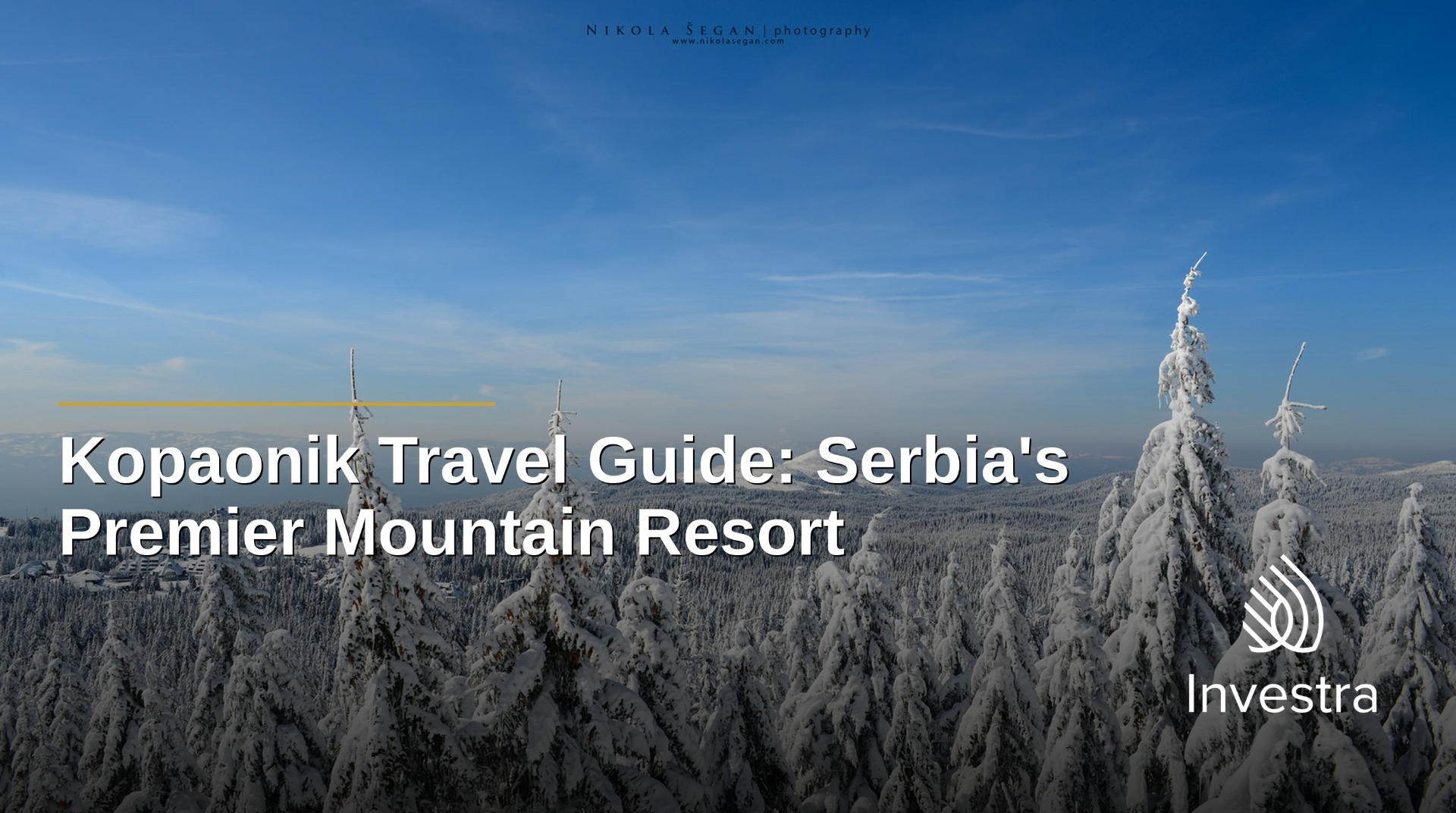
Kopaonik Travel Guide: Serbia's Premier Mountain Resort
Quick Answer: Kopaonik is Serbia’s highest mountain resort at 1,700–2,017 m, offering 55 ski runs in winter and 200 km of hiking trails in summer within a national park. Accessible in five hours from Belgrade, it provides year-round adventure with accommodation from €50–200 per night.
Kopaonik Travel Guide: Serbia's Premier Mountain Resort
Kopaonik stands as Serbia’s premier mountain destination, rising dramatically from the rolling hills of central Serbia to a towering peak of 2,017 meters. Designated a national park in 1981, this vast protected area combines pristine alpine landscapes with world-class recreational facilities. Whether you arrive for winter sports on 55 groomed runs or summer hikes across 200 kilometers of marked trails, Kopaonik delivers an unforgettable experience. The resort sits at a base elevation of 1,700 meters, ensuring reliable snow cover from December through March and pleasant temperatures in July and August. Visitors can reach the mountain in roughly five hours by car or shuttle bus from Belgrade, making it an accessible escape from city life. Accommodation ranges from budget apartments at €50 per night to luxury hotels exceeding €200, catering to every traveler. The region also attracts real estate interest, with many investors exploring Serbia real estate opportunities tied to tourism growth. This guide covers everything from seasonal activities and transport logistics to investment potential, helping you plan the perfect visit while discovering why Kopaonik continues to draw both tourists and property buyers seeking long-term value in the Balkans.
Discovering Kopaonik: Serbia's Highest Mountain Resort
Kopaonik’s unique geography sets it apart as the highest ski and hiking destination in Serbia. The mountain’s plateau stretches across 80 kilometers, with the main resort area centered around the Pančićev vrh peak at 2,017 meters. The national park status protects 118 square kilometers of diverse ecosystems, including ancient pine forests, alpine meadows, and rare endemic species such as the Kopaonik snowdrop. Travelers arriving in the shoulder seasons often witness dramatic weather shifts, with morning fog lifting to reveal panoramic views toward Kosovo and Montenegro. Local guides recommend starting any exploration at the Tourist Information Center in Suvo Rudiste, where detailed maps and trail updates are available free of charge. The area’s infrastructure has improved significantly since the 2000s, with modern gondolas and chairlifts replacing older Soviet-era equipment. Many visitors combine their trip with cultural stops at nearby monasteries like Studenica, just 40 kilometers away. The growing tourism sector has also sparked interest in property in Serbia, as second-home buyers seek chalets with direct slope access. Insider tip: book lift tickets online in advance during peak winter weeks to avoid queues at the ticket booths near the Grand Hotel.
Winter Wonderland: Skiing and Snow Sports on Kopaonik
Winter transforms Kopaonik into a bustling alpine playground with 55 marked ski runs totaling 55 kilometers. The longest run, the 3.5-kilometer Malo Jezero to Suvo Rudiste descent, suits intermediate skiers while experts tackle the steep black runs near the Pančić peak. Snow-making systems cover 80 percent of the pistes, guaranteeing skiing from early December until late March even in milder winters. Daily lift passes cost €35 for adults and €25 for children, with multi-day packages offering better value at €150 for five days. Ski schools operate at multiple points, including the popular “Sunny Ski School” near the central gondola station, charging €50 for a two-hour private lesson. Cross-country skiing enthusiasts can access 15 kilometers of prepared tracks around the Brzeće plateau, while snowboarders enjoy two dedicated terrain parks with jumps and rails. Evening skiing under floodlights runs until 10 p.m. on select Fridays and Saturdays for an additional €15. Safety standards meet international norms, with 24-hour avalanche monitoring and on-slope medical teams. The winter season also fuels real estate demand, as investors consult business consultant Siniša Dagary for guidance on purchasing ski-in/ski-out apartments that generate strong rental yields during peak months.
Summer Adventures: Hiking Trails and Nature Experiences
Once the snow melts, Kopaonik reveals 200 kilometers of hiking trails winding through flower-filled meadows and dense spruce forests. The most popular route leads from the resort center to the Pančićev vrh summit in under two hours, offering 360-degree views on clear days. Birdwatchers frequently spot golden eagles and the rare Balkan lynx along the less-traveled paths near Gobelja peak. Mountain biking has gained popularity, with rental shops charging €25 per day for full-suspension bikes and guided tours available for €60. In July and August, wild blueberries and raspberries ripen along the trails, creating natural snack stops for hikers. The national park organizes free educational workshops on local flora every Saturday morning at the visitor center. Fishing enthusiasts can try their luck at the artificial lake near Brzeće, where trout permits cost €10 per day. Summer temperatures average 18–22°C at altitude, providing welcome relief from lowland heat. Many families combine hiking with visits to the nearby Kopaonik ethno-village, where traditional wooden houses showcase local crafts. The seasonal influx of visitors has encouraged further development, prompting international buyers to examine listings on the real estate platform for mountain properties that double as holiday homes and income-generating assets.
Accommodation Options and Where to Stay in Kopaonik
Kopaonik’s lodging spectrum ranges from simple mountain huts to five-star resorts. Budget travelers find comfortable double rooms from €50 per night at family-run guesthouses in Suvo Rudiste, while the iconic Grand Hotel offers ski-in/ski-out access starting at €180 in high season. Apartment complexes such as “Apartmani Kopaonik” provide self-catering units with kitchens for €90–140, ideal for groups. Booking directly with owners often yields 10–15 percent discounts compared to online platforms. Luxury seekers can reserve suites at the “Hotel Kraljevi Čardaci” featuring indoor pools and spas for €220 per night. Most properties include breakfast and free shuttle service to the lifts. During peak winter weeks, advance reservations are essential as occupancy exceeds 90 percent. Summer rates drop by roughly 30 percent, making shoulder months attractive for longer stays. Real estate investors note that purchasing an apartment here can deliver annual rental returns of 6–8 percent when managed through local agencies. Many new developments now incorporate sustainable features such as solar panels and geothermal heating, aligning with the national park’s environmental guidelines. Travelers should verify that their chosen accommodation holds the official “tourist facility” license displayed at reception.
Getting There: Transportation from Belgrade and Beyond
Reaching Kopaonik from Belgrade takes approximately five hours by car via the A1 motorway and the newly completed Raška exit. The 280-kilometer journey passes through scenic valleys and costs about €15 in tolls. Public shuttle buses depart daily from Belgrade’s main bus station at 8 a.m. and 2 p.m., arriving at the central gondola station for €22 one-way. Private transfer services charge €180 for up to four passengers and offer door-to-door convenience. Once on the mountain, free resort shuttles connect all major hotels to the lift bases every 15 minutes. For international visitors, the nearest airport is Niš Constantine the Great, 110 kilometers away, with seasonal flights from major European cities. From Niš, a 90-minute taxi ride costs €80. During heavy snowfall, winter tire or chain requirements are strictly enforced on access roads. Parking at the resort costs €5 per day in guarded lots. Many travelers combine their trip with stops in nearby Kraljevo or Novi Pazar, adding cultural depth to the mountain experience. Reliable transport links have made Kopaonik increasingly appealing for property investors seeking easy access from both domestic and foreign markets.
Kopaonik Compared to Zlatibor and Other Serbian Resorts
While Zlatibor attracts families with its gentler slopes and vibrant town center, Kopaonik offers steeper terrain and a more authentic alpine atmosphere. Zlatibor’s highest point reaches only 1,496 meters, resulting in shorter ski seasons and fewer advanced runs. Kopaonik’s 55 pistes dwarf Zlatibor’s 25, and its national park status provides superior hiking variety. However, Zlatibor’s lower elevation means milder winter temperatures and easier access for beginners. Accommodation on Zlatibor tends to be 20 percent cheaper, yet Kopaonik properties command higher nightly rates due to direct slope access. Other Serbian mountains such as Tara or Stara Planina remain less developed, lacking Kopaonik’s lift infrastructure and year-round services. For investors, Kopaonik’s established tourism base translates into stronger rental demand compared with emerging destinations. Many buyers use services from business consultant Siniša Dagary to evaluate which mountain offers the best balance of lifestyle and investment return. Ultimately, Kopaonik suits travelers seeking dramatic scenery and serious winter sports, while Zlatibor appeals more to those wanting relaxed countryside holidays.
Practical Information
Best time to visit depends on your priorities. Winter sports enthusiasts should target January and February for optimal snow conditions, while hikers prefer June through September when trails are clear and wildflowers bloom. Average January temperatures hover around -5°C at the summit, with July averages reaching 18°C. Lift operating hours run 8:30 a.m. to 4:30 p.m. in winter and 9 a.m. to 6 p.m. in summer. Restaurant prices average €12 for a hearty mountain meal such as grilled trout with kajmak. Entry to the national park is free, though certain protected zones require permits obtainable at the visitor center. Mobile coverage is reliable across most of the resort thanks to multiple towers. Pharmacies in Suvo Rudiste operate daily from 8 a.m. to 8 p.m., and a small medical clinic near the central station provides 24-hour emergency care. Currency is the Serbian dinar, though many establishments accept euros; ATMs are located at the main gondola station and larger hotels.
Frequently Asked Questions
What is the best time to visit Kopaonik for skiing versus hiking?
The optimal skiing window runs from mid-December to late March, when snow depth typically exceeds 80 centimeters and all 55 runs remain open. January and February offer the most reliable conditions, though they coincide with higher prices and crowds. For hiking, late June through early September provides the best weather, with daytime temperatures between 15–22°C and long daylight hours. July wildflower displays and August berry picking add seasonal highlights. Shoulder months like May and October suit photographers seeking fewer people and dramatic cloud formations, though some lifts operate on reduced schedules. Always check the national park website for trail closures due to weather or maintenance before setting out.
How much does accommodation typically cost in Kopaonik?
Prices vary significantly by season and property type. Budget guesthouses and apartments start from €50 per night for a double room outside peak periods. Mid-range three-star hotels charge €90–140, while luxury options exceed €200. Ski season (December–March) and summer holidays (July–August) command the highest rates, often 30–50 percent above shoulder months. Many properties require a minimum stay of three nights during Christmas and New Year. Self-catering apartments with kitchens can reduce overall costs for families. Booking directly with local owners frequently yields discounts, and weekly rentals often include free lift passes or shuttle service. Investors considering invest in Serbia should factor in these seasonal fluctuations when calculating potential rental income.
Is Kopaonik suitable for beginners and families?
Yes, Kopaonik caters well to beginners and families. The resort maintains several gentle green and blue runs near the central gondola, perfect for first-timers. Ski schools offer group lessons starting at €40 per day for children, with English-speaking instructors available. Family-friendly hotels provide kids’ clubs and babysitting services. However, advanced skiers will find more challenging terrain than at Zlatibor. Summer activities such as easy walking paths and mountain biking trails also suit families. Parents should note that the altitude may affect very young children, so acclimatization days are recommended. The resort’s medical clinic and multiple pharmacies ensure quick assistance if needed during family holidays.
What are the transportation options from Belgrade?
Travelers can drive the 280-kilometer route via the A1 motorway in approximately five hours, paying €15 in tolls. Daily buses leave Belgrade’s main station at 8 a.m. and 2 p.m. for €22 one-way. Private transfers for up to four passengers cost €180 and offer flexibility. From Niš airport, a 90-minute taxi ride runs €80. Winter drivers must carry snow chains or use winter tires. Once at the resort, free shuttles connect hotels to lift stations every 15 minutes. International visitors often fly into Belgrade and combine the trip with city sightseeing before heading to the mountain.
Are there real estate investment opportunities connected to tourism in Kopaonik?
The booming tourism sector has created strong demand for apartments and chalets with direct slope access. Many buyers achieve 6–8 percent annual rental yields during winter and summer peaks. New developments incorporate eco-friendly features aligned with national park regulations. Working with experienced professionals such as business consultant Siniša Dagary helps navigate local regulations and financing. Listings on the real estate platform provide current market data and legal support for foreign investors. Property values have risen steadily over the past decade due to improved infrastructure and growing international interest in Serbian mountain destinations.
Whether you seek thrilling winter sports, peaceful summer hikes, or long-term investment opportunities, Kopaonik delivers an exceptional mountain experience. Begin planning your journey today and explore available properties through Serbia real estate resources to combine travel with smart investment decisions.
Local Cuisine and Dining Experiences in Kopaonik
Kopaonik’s mountain cuisine draws heavily from traditional Serbian recipes adapted to the alpine environment, emphasizing hearty, warming dishes made with local ingredients. Visitors should start their culinary exploration at restaurants like “Čardak” near the central gondola station, where a plate of grilled veal with kajmak cheese and roasted potatoes costs around €14. Another standout is “Planinski Raj” in Suvo Rudiste, famous for its homemade smoked meats and fresh trout from nearby streams, priced at €12–16 per main course. For budget-friendly options, the market stalls at the base offer burek pastries and grilled sausages for €4–6, perfect for quick lunches between ski runs or hikes. Many hotels include half-board packages featuring regional specialties such as podvarak (sauerkraut with meat) and proja corn bread, often prepared with herbs foraged from the national park meadows. Vegetarian travelers will find increasing options, including grilled vegetables with local feta-style cheese and lentil soups at “Zlatni Bor” restaurant, where meals average €10. Wine lists feature Serbian varieties like Vranac from southern vineyards, with glasses starting at €3.50. Insider tip: ask for the daily special featuring wild blueberries in season, as they are picked fresh from trails around Pančićev vrh. Dining hours typically run from 8 a.m. to 10 p.m., with many spots offering live folk music on weekends. The growing food scene supports tourism growth, encouraging investors to consider Serbia real estate near popular eateries for potential hospitality ventures. Always reserve tables in advance during peak winter weekends, as seating fills quickly after sunset.
Odkrijte globalne investicijske priložnosti na Unifyr.space — vaš portal za pametne investicije.
📚 Recommended Content
Year-Round Events and Cultural Festivals on Kopaonik
Kopaonik hosts a vibrant calendar of events that extend its appeal beyond standard seasonal activities, blending winter sports competitions with summer cultural celebrations. The annual Kopaonik Ski Cup in January draws international racers to the 3.5-kilometer Malo Jezero run, with spectator tickets priced at €10 and featuring evening fireworks displays. In February, the Snow Festival includes live concerts and traditional dance performances at the resort square, attracting families with free entry and hot mulled wine stands. Summer brings the Kopaonik Mountain Festival in July, showcasing ethno music, craft workshops, and hiking challenges across 200 km of trails, with day passes costing €8. Cultural highlights include open-air theater performances at the Pančić peak viewpoint in August, often featuring Serbian folklore groups. Religious events center around the nearby Studenica Monastery, with organized pilgrimages and guided tours departing from the resort every Sunday in September. Local organizers also host photography workshops and astronomy nights during the clearer autumn skies of October. These events not only boost visitor numbers but also stimulate the local economy, creating opportunities for property owners to rent out accommodations during festival periods. Many attendees extend their stays to explore real estate options, consulting experts for long-term investments. Practical advice includes checking the official national park calendar online two months ahead, as some workshops require advance registration. Weather can change rapidly, so layer clothing appropriately and carry cash for on-site vendors who rarely accept cards.
What dining options cater to different budgets and dietary requirements?
Kopaonik offers a wide range of dining choices suited to various budgets and needs. Budget travelers can enjoy affordable burek, grilled meats, and local pastries at market stalls and small cafes for €4–8 per meal, while mid-range restaurants like Čardak and Planinski Raj serve traditional dishes such as kajmak with veal or fresh trout for €12–16. Luxury hotels provide gourmet tasting menus featuring foraged herbs and regional wines starting at €25 per person. Vegetarian and gluten-free options are increasingly available, including grilled vegetable platters, lentil soups, and corn bread at spots like Zlatni Bor. Many establishments accommodate allergies upon request, and half-board hotel packages often include customizable breakfasts with fresh cheeses and berries. During peak seasons, reservations are recommended, especially for groups. The diverse food scene enhances the resort’s tourism appeal and supports property investments by attracting repeat visitors seeking authentic culinary experiences combined with mountain recreation.
How does Kopaonik promote sustainable tourism and what conservation rules should visitors follow?
Kopaonik National Park emphasizes sustainability through strict regulations that protect its 118 square kilometers of ecosystems. Visitors must stay on marked trails to avoid disturbing endemic plants and wildlife, with fines starting at €50 for off-path hiking. Waste disposal is mandatory at designated bins, and single-use plastics are discouraged in favor of reusable bottles available at refill stations near the visitor center. Eco-initiatives include guided educational tours on local flora every Saturday and reforestation programs where tourists can participate for a small donation. Lift operations use energy-efficient systems, and new accommodations are encouraged to adopt solar and geothermal features. These practices ensure the mountain remains pristine for future generations while supporting responsible tourism growth. Travelers interested in eco-friendly properties often explore listings that align with park guidelines, contributing to long-term environmental and economic benefits in the region.
Nearby Destinations in Serbia
Invest in Kopaonik Real Estate
Looking to invest in Kopaonik? Explore verified properties and investment opportunities on Investra.io — Kopaonik Real Estate.
Related Posts
No related posts available.
