
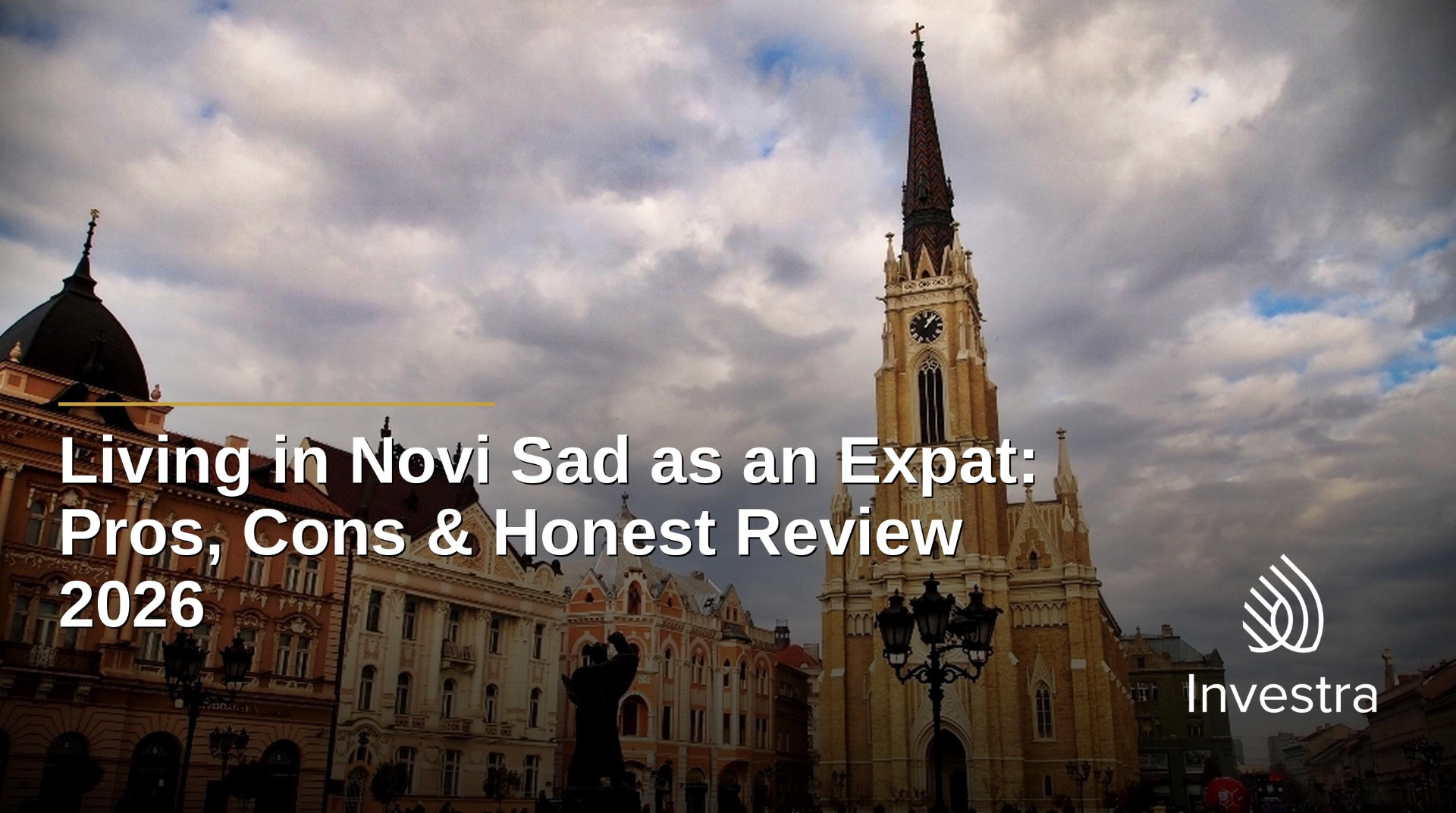
Living in Novi Sad as an Expat: Pros, Cons & Honest Review 2026
Living in Novi Sad as an Expat: Pros, Cons & Honest Review 2026
Introduction: My Journey to Novi Sad
When I first considered moving abroad, the usual suspects like Berlin, Barcelona, or Lisbon danced in my head. But then, a friend mentioned Novi Sad, Serbia. Novi Sad? I had to admit, it wasn't on my radar. Yet, the more I researched, the more intrigued I became. Fast forward to today, and I've spent a considerable amount of time living here, experiencing its rhythm, its charm, and its quirks firsthand. So, if you're wondering what it's truly like to live in Novi Sad as an expat, you've come to the right place. I'm here to give you an honest, no-holds-barred review of this captivating city.
Quick Answer: Novi Sad, Serbia's second-largest city, offers a unique blend of historical charm, vibrant culture, and a relaxed pace of life, making it an intriguing option for expats seeking an alternative to more bustling European capitals. My personal experience has shown me that while it boasts numerous advantages, it also comes with its own set of challenges.
The Allure of Novi Sad: Unpacking the Pros
Let's start with the good stuff, shall we? Novi Sad has a way of drawing you in, often with its unexpected delights. From the moment I arrived, I felt a sense of ease that's hard to find in larger, more frantic cities. It's a place where you can breathe, truly.
Affordability and Quality of Life
One of the most immediate and significant advantages of living in Novi Sad is the cost of living. Coming from a Western European capital, I was genuinely surprised by how far my money stretched here. Rent, groceries, dining out, even a good cup of coffee – everything felt more accessible. This isn't just about saving money; it's about the quality of life it affords. Imagine being able to enjoy meals out frequently, explore local markets without wincing at prices, or even save up for that dream vacation, all while living comfortably. It's a game-changer, really. This financial breathing room translates directly into a less stressful, more enjoyable daily existence. I've found myself able to pursue hobbies and experiences I might have otherwise considered luxuries.
Quick Answer: Novi Sad generally offers a significantly lower cost of living compared to many Western European cities and even Belgrade, allowing expats to enjoy a higher quality of life with their budget. This affordability extends across housing, dining, and daily expenses, making it an attractive destination for those looking to stretch their finances further.
A City with Youthful Energy: University Life and Culture
Novi Sad is a university city, and you feel that vibrant, youthful energy everywhere. The streets are alive with students, cafes are bustling with conversations, and there's a palpable sense of intellectual curiosity in the air. This academic environment isn't just for students; it permeates the city's cultural scene. There are always lectures, art exhibitions, concerts, and theatrical performances happening. It's a city that encourages engagement and learning, and I've found it incredibly stimulating. The presence of so many young people also means a more open-minded and dynamic atmosphere, which is always a plus for an expat looking to connect and understand a new culture.
Quick Answer: As a prominent university city, Novi Sad buzzes with youthful energy, contributing to a dynamic cultural scene, lively cafes, and a generally progressive atmosphere. This academic environment fosters intellectual curiosity and provides numerous opportunities for social engagement and cultural immersion.
Danube Riverfront and Green Spaces
Oh, the Danube! It's not just a river here; it's the city's lifeline, its playground, its tranquil escape. The riverfront in Novi Sad is simply stunning, especially during sunset. I've spent countless hours walking, cycling, or simply sitting by the river, watching the world go by. Beyond the Danube, Novi Sad is blessed with an abundance of green spaces. Parks are meticulously maintained, offering perfect spots for picnics, morning jogs, or just a quiet moment with a book. This connection to nature, right within the city, is something I truly cherish. It provides a wonderful balance to urban living and is a constant reminder of the beauty that surrounds us.
Quick Answer: The city's picturesque location on the Danube River, coupled with its abundant green spaces and parks, offers expats ample opportunities for outdoor activities, relaxation, and a connection with nature. The riverfront is a central hub for leisure, recreation, and social gatherings, enhancing the overall quality of life.
Petrovaradin Fortress and EXIT Festival
You can't talk about Novi Sad without mentioning the Petrovaradin Fortress. It's an architectural marvel, perched majestically above the Danube, offering panoramic views that will take your breath away. But it's more than just a historical site; it's the beating heart of the city's cultural calendar, especially during the summer. The fortress transforms into the epicentre of the world-renowned EXIT Festival, an experience unlike any other. Imagine dancing to your favourite bands within the ancient walls of a fortress – it's truly magical. Even outside of EXIT, the fortress is a fantastic place to explore, with its underground tunnels, museums, and charming cafes. It's a constant source of wonder and a testament to the city's rich history.
Quick Answer: The iconic Petrovaradin Fortress, a historical marvel, not only provides stunning views of the city but also serves as the spectacular venue for the world-renowned EXIT Festival, drawing international attention and offering expats a unique cultural experience. This blend of history and modern music events creates a vibrant and exciting atmosphere.
A Slower Pace of Life
For those of us who've grown tired of the relentless rush of big cities, Novi Sad offers a welcome respite. The pace of life here is noticeably slower, more deliberate. People take their time, whether it's enjoying a long coffee with friends, strolling through the city centre, or simply savouring a meal. This isn't to say nothing happens; quite the opposite. But it happens with a certain grace, a certain calm. For me, this slower pace has been incredibly beneficial, allowing me to de-stress, focus on what truly matters, and simply enjoy the present moment. It's a refreshing change that contributes significantly to overall well-being.
Quick Answer: Novi Sad offers a noticeably slower and more relaxed pace of life compared to larger metropolitan areas, which can be a significant advantage for expats seeking a calmer environment. This allows for a more balanced lifestyle, reduced stress, and a greater appreciation for daily moments.
Navigating the Challenges: The Cons of Expat Life in Novi Sad
Now, let's be real. No place is perfect, and Novi Sad, for all its charm, has its drawbacks. It's important to go into any expat experience with open eyes, understanding both the highs and the potential hurdles. Here are some things I've personally encountered that might be considered downsides.
Smaller City, Fewer International Connections
While the smaller size of Novi Sad contributes to its relaxed atmosphere, it also means fewer direct international connections. If you're someone who travels frequently for work or pleasure, you'll likely find yourself routing through Belgrade's Nikola Tesla Airport (BEG) quite often. This isn't a huge inconvenience, as Belgrade is only about an hour's drive away, but it's something to consider. Additionally, the expat community, while growing and welcoming, is smaller than what you'd find in a global metropolis. This might mean a bit more effort is required to find your niche or specific international amenities you might be used to. It's a trade-off, certainly, but one that many find worthwhile for the benefits the city offers.
Quick Answer: While charming, Novi Sad's smaller size means fewer direct international flight connections and potentially a smaller expatriate community compared to global hubs, which might limit networking opportunities and access to certain international amenities. This can sometimes lead to feelings of isolation for those accustomed to larger, more diverse expat scenes.
Language Barrier: Less English Spoken
This is perhaps the most significant challenge I've faced. While younger generations and those in the tourism or IT sectors often have a good grasp of English, it's not universally spoken. Venturing outside the main tourist areas or dealing with bureaucracy can quickly become a linguistic adventure. I've had my fair share of charades and Google Translate sessions! My advice? Embrace it. Learning even a few basic Serbian phrases will go a long way. Locals genuinely appreciate the effort, and it opens up so many more doors for genuine connection. It's a journey, not a sprint, but definitely something to be prepared for.
Quick Answer: Although younger generations and those in tourist-facing roles often speak English, a significant portion of the population in Novi Sad, particularly older residents, may have limited English proficiency, presenting a potential language barrier for daily interactions. Learning basic Serbian phrases is highly recommended to navigate daily life more smoothly.
Novi Sad vs. Belgrade: A Comparison for Expats
Many expats considering Serbia often weigh their options between Novi Sad and Belgrade. Having spent time in both, I can tell you they offer distinctly different experiences. Belgrade is the bustling capital, a city that never truly sleeps, with a faster pace, a larger international presence, and a more diverse job market. Novi Sad, on the other hand, is its calmer, more artistic cousin. It's like comparing a vibrant, sprawling metropolis to a charming, cultured town. Which one is right for you? It really depends on your personal preferences and priorities. Here's a quick comparison to help you decide:
Quick Answer: When comparing Novi Sad and Belgrade for expat life, Novi Sad stands out for its affordability and relaxed atmosphere, while Belgrade offers more international connections, a larger job market, and a faster-paced urban environment. The choice between the two largely depends on an expat's priorities regarding cost of living, lifestyle, and career opportunities.
| Feature | Novi Sad | Belgrade |
|---|---|---|
| Cost of Living (approx.) | Lower (e.g., rent, dining, utilities) | Higher (e.g., rent, dining, utilities) |
| Pace of Life | Relaxed, slower, community-focused | Dynamic, faster, metropolitan hustle |
| Expat Community | Smaller, tight-knit, growing | Larger, diverse, well-established |
| International Connections | Fewer direct flights, relies on Belgrade airport | Major international airport, more direct flights |
| Job Market | Smaller, strong in IT, local industries | Larger, diverse across many sectors |
| English Proficiency | Moderate, varies by age and sector | Higher, especially in business and tourism |
| Cultural Scene | Vibrant, university-driven, artsy | Extensive, diverse, rich nightlife |
| Green Spaces/Nature | Abundant, direct Danube access, Fruška Gora nearby | Good, but more urbanized, parks within city |
| Public Transport | Bus network, walkable city center | Extensive bus/tram network, more traffic |
| Nightlife | Lively, especially around university areas | Legendary, diverse clubs and bars |
Life Beyond the City Center: Exploring Novi Sad's Surroundings
One of the joys of living in Novi Sad is its proximity to stunning natural beauty and historical sites. Just a short drive away lies Fruška Gora National Park, often called the 'Jewel of Serbia.' It's home to numerous Serbian Orthodox monasteries, vineyards, and hiking trails. I've spent many weekends exploring its serene landscapes, tasting local wines, and visiting ancient monasteries. It’s a perfect escape from city life and a fantastic way to immerse yourself in Serbian culture and history. These excursions have been some of my most cherished memories here, offering a deeper understanding of the region beyond the urban core. It's these kinds of accessible adventures that truly enrich the expat experience in Novi Sad.
Quick Answer: Beyond its bustling city center, Novi Sad offers easy access to charming surrounding areas, including the serene Fruška Gora National Park with its monasteries and vineyards, providing expats with opportunities for weekend getaways and exploring Serbia's natural beauty and cultural heritage. These nearby attractions enhance the expat experience by offering diverse recreational options.
Integrating into Local Life: Tips for Expats
Moving to a new country is always an adventure, and integrating into local life can be both rewarding and challenging. My biggest piece of advice for anyone considering Novi Sad is to embrace the local culture. Learn a few Serbian phrases – even a simple 'Dobar dan' (Good day) or 'Hvala' (Thank you) goes a long way. Locals appreciate the effort, and it immediately breaks down barriers. I've found that participating in local events, joining clubs, or even just frequenting the same cafes can lead to wonderful connections. Serbians are incredibly hospitable, and once you're 'in,' you're family. Don't be afraid to ask questions, be open to new experiences, and remember that every cultural difference is an opportunity to learn and grow. It's a journey of discovery, and the more you engage, the richer your experience will be. For instance, I recently joined a local hiking group, and it's been an incredible way to see the country and make new friends. It's these small, consistent efforts that truly make a difference in feeling at home.
Quick Answer: Successful integration into Novi Sad's local life for expats involves embracing the local culture, learning basic Serbian phrases, and actively participating in community events and social groups. The inherent hospitality of Serbians greatly facilitates this process, leading to meaningful connections and a richer expat experience.
The Serbian Spirit: Hospitality and Warmth
If there's one thing that consistently stands out about living in Serbia, it's the incredible hospitality of its people. Serbians are known for their warmth, generosity, and a genuine desire to make you feel at home. I've been invited to countless family gatherings, offered help when I least expected it, and always met with a friendly smile. This inherent kindness makes a huge difference when you're navigating a new country. It creates a sense of belonging and makes the transition much smoother. It's a cultural trait that I've come to deeply appreciate and one that truly enriches the expat experience in Novi Sad. You'll find that people are genuinely curious about where you're from and eager to share their own culture with you.
Quick Answer: Expats in Novi Sad will often encounter the renowned Serbian hospitality and warmth, with locals generally being welcoming and eager to assist, which can significantly ease the transition into a new country. This inherent friendliness contributes to a positive and supportive environment for those settling in.
Healthcare and Education: Essential Services for Expats
When considering a move abroad, practicalities like healthcare and education are always top of mind. Novi Sad offers a decent range of options for both. For healthcare, you have access to both public and private clinics. While the public system can be a bit bureaucratic and might require some Serbian language skills, private clinics often cater specifically to expats, with English-speaking staff and more streamlined processes. It's crucial to have comprehensive health insurance, regardless of which option you choose. For families with children, there are several good local schools, and a growing number of international schools that follow curricula like the International Baccalaureate, ensuring continuity for your children's education. Researching these options thoroughly before your move will help ensure a smooth transition for your entire family.
Quick Answer: Novi Sad offers a range of healthcare services, both public and private, and a selection of educational institutions, including international schools, catering to the needs of expat families. It's advisable for expats to research and understand the healthcare system and educational options thoroughly before relocating to ensure their specific requirements are met.
Work and Business Opportunities in Novi Sad
Novi Sad's economy has been steadily growing, with the IT sector leading the charge. If you're in tech, you'll find a surprisingly vibrant and innovative scene here, with numerous startups and established companies. However, for those outside of IT, the job market can be more competitive, especially if you don't speak Serbian. Many expats find opportunities in teaching English, working remotely for international companies, or starting their own businesses. The entrepreneurial spirit is strong in Serbia, and there's a supportive ecosystem for new ventures. Networking is key, and attending industry events or joining professional groups can open doors. While it might require a bit more proactive effort than in larger European capitals, opportunities certainly exist for those willing to seek them out. For those interested in broader financial and investment insights, the Findes Group & Partners offers a wealth of resources and expertise.
Quick Answer: Novi Sad's economy, particularly its burgeoning IT sector, presents various work and business opportunities for expats, though the job market might be more competitive for non-Serbian speakers outside of specific industries. Networking and tailoring job searches to in-demand sectors are key strategies for securing employment.
Conclusion: Is Novi Sad Right for You?
So, after all this, is Novi Sad the right place for you as an expat? My honest answer is: it depends. If you're looking for a city that offers a lower cost of living, a slower pace, a rich cultural scene, and a genuine sense of community, then absolutely, Novi Sad could be your next home. It's a city that allows you to truly experience Serbian culture, connect with friendly locals, and enjoy a high quality of life without the constant rush of a mega-city. However, if you thrive on constant international connections, a massive expat bubble, or a job market that caters to every niche, you might find it a bit challenging. The language barrier, while manageable, requires effort. Ultimately, Novi Sad is a city that rewards those who are open-minded, adaptable, and willing to immerse themselves. It's not just a place to live; it's an experience, a journey of discovery that I wouldn't trade for anything. It has its pros and cons, like any place, but its unique charm and the warmth of its people make it a truly special destination for those seeking something a little different.
Quick Answer: Novi Sad offers a compelling option for expats seeking an affordable, culturally rich, and relaxed lifestyle, particularly those drawn to its university city vibe and beautiful natural surroundings. While it presents challenges like a smaller international community and language barriers, its unique charm and quality of life make it a worthwhile consideration for a fulfilling expat experience. Ultimately, the decision rests on individual priorities and preferences.
To further explore the intersection of business strategy and artificial intelligence, consider reading about business strategy and AI transforming growth on sinisadagary.com.
Frequently Asked Questions (FAQ)
Is Novi Sad a good place for expats?
Novi Sad is generally considered a good place for expats, especially those seeking a more relaxed pace of life and lower cost of living compared to Western European capitals. It offers a vibrant cultural scene, beautiful natural surroundings, and a welcoming atmosphere.
What is the cost of living in Novi Sad for expats?
The cost of living in Novi Sad is significantly lower than in many Western European cities and even Belgrade. This applies to rent, groceries, dining out, and transportation, allowing expats to enjoy a comfortable lifestyle on a more modest budget.
Do people speak English in Novi Sad?
Many younger people and those working in tourism or international businesses in Novi Sad speak English. However, outside of these circles, English proficiency can be limited, particularly among older generations. Learning some basic Serbian phrases is highly recommended for daily interactions.
What are the job opportunities for expats in Novi Sad?
Novi Sad has a growing economy, with a strong focus on the IT sector, which offers good opportunities for expats. Other sectors may require Serbian language proficiency. Networking and specialized skills are key to finding employment.
What is the expat community like in Novi Sad?
The expat community in Novi Sad is smaller than in Belgrade but is growing. There are online groups and local meetups where expats can connect, share experiences, and build social networks. It's a friendly and supportive environment.
How is the healthcare system in Novi Sad for foreigners?
Novi Sad has both public and private healthcare facilities. Expats can access public healthcare with proper residency and insurance, or opt for private clinics which often offer English-speaking staff and shorter waiting times. It's advisable to secure comprehensive health insurance.
Are there international schools in Novi Sad?
Yes, Novi Sad offers a few international schooling options, primarily catering to the children of expats. These schools typically follow international curricula, providing continuity for families relocating from abroad.
What is there to do in Novi Sad?
Novi Sad offers a rich array of activities, from exploring the historic Petrovaradin Fortress and enjoying the Danube riverfront, to attending the famous EXIT Festival, visiting numerous museums, galleries, and enjoying the city's vibrant cafe culture and nightlife.
Priporočene vsebine / Recommended Reading
- Novi Sad Real Estate Market 2026: Investment Guide for Foreign Buyers
- Buying Property in Serbia as a Foreigner 2026: Complete Legal Guide
- Serbia Visa and Residency Guide 2026: How to Live and Invest Legally
- Serbia Real Estate Market 2026: Complete Guide for Foreign Investors
- Business Strategy & AI: Transforming Growth
- AI Business Consultant: Your Strategic Partner
Odkrijte globalne investicijske priložnosti na Unifyr.space — vaš portal za pametne investicije.
📚 Recommended Content
Connect with Investra
Stay updated with the latest real estate insights and investment opportunities by connecting with Investra on social media:
- LinkedIn: Investra International
- Facebook:
Q5: What neighborhoods in Novi Sad are best for expats and why?
Pozeska, Salajska, and the city center (Stari Grad) are popular with expats due to proximity to restaurants, international schools, and English-speaking communities, with rent ranging €400-650 monthly. Danube neighborhoods offer newer infrastructure and quieter living but are 10-15% pricier and further from the city center.
Q6: How much does it cost to buy property in Novi Sad currently?
Property prices in Novi Sad average €2,000-3,500 per square meter in desirable neighborhoods, with apartments ranging from €60,000-150,000 depending on location and condition. This represents a 40-50% savings compared to Belgrade's €3,500-5,000+ per square meter.
Q7: What is the process for opening a bank account as a foreign expat in Novi Sad?
You'll need your passport, proof of address (rental contract or utility bill), and typically a reference from your employer; most banks complete this within 3-5 business days. Major banks like Intesa, Raiffeisenbank, and Komercijalna Banka accept expat applications with minimal documentation.
Q8: Are there reliable internet and mobile providers serving expats in Novi Sad?
Top providers include Telekom Serbia, Telenor, and Vip with 4G/5G coverage and monthly plans ranging €5-15 for mobile and €10-20 for broadband with speeds of 50-100 Mbps. Expats report consistent service quality, though speeds during peak hours can occasionally dip in older neighborhoods.
Q9: What are the main employment challenges for expats relocating to Novi Sad?
The job market is significantly smaller than Belgrade, with limited English-taught positions primarily in IT, education, and tourism sectors paying €800-1,500 monthly. Remote work for foreign companies is common among expats due to local salary constraints and visa requirements favoring self-sufficiency or employer sponsorship.
Q10: How do utility bills and monthly expenses break down for expats in Novi Sad?
Monthly utilities (electricity, water, heating, internet) average €80-120 depending on season, while groceries, transport, and dining out add €300-400, totaling roughly €600-800 for a modest lifestyle. Costs are 25-30% lower than Western European cities and significantly lower than expat hubs like Prague or Budapest.
facebook.com/investra.io/">Investra.io - YouTube: Investra Enterprises
Ready to invest in Serbia? Browse properties on Investra.io →
Related Posts
No related posts available.
