
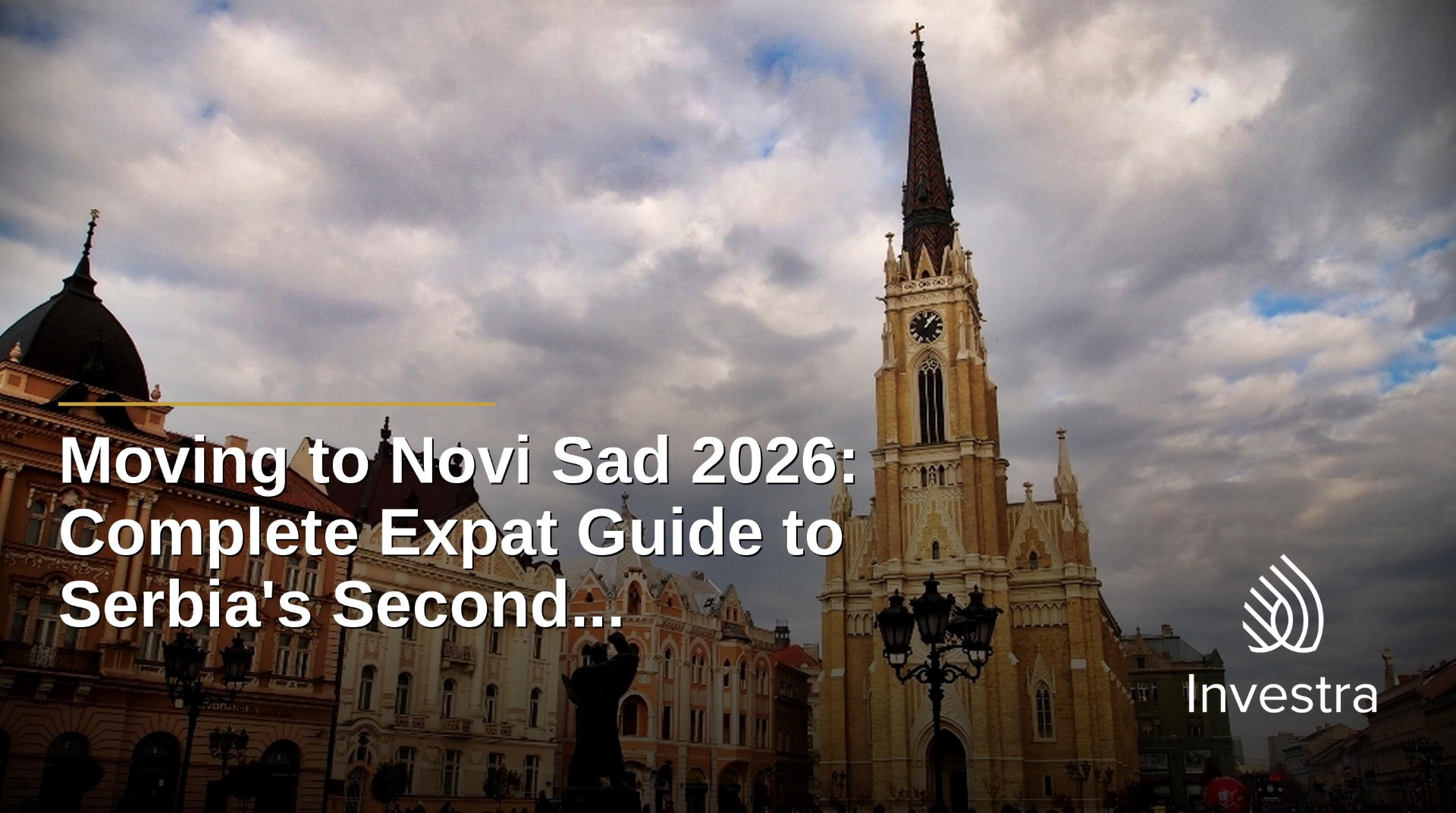
Moving to Novi Sad 2026: Complete Expat Guide to Serbia's Second...
Moving to Novi Sad 2026: Complete Expat Guide to Serbia's Second City
Thinking about a fresh start in a vibrant European city? Perhaps you've heard whispers of Serbia's charm, or maybe the allure of a dynamic cultural hub has caught your eye. For me, Novi Sad quickly became more than just a dot on the map; it transformed into a captivating destination for expats seeking a blend of rich history, modern amenities, and an incredibly welcoming atmosphere. As we look towards 2026, Novi Sad continues to solidify its reputation as not just Serbia's second city, but a true gem for international residents. This guide is designed to walk you through everything you need to know, from finding your perfect apartment to immersing yourself in the local lifestyle. Let's explore what makes Novi Sad an exceptional choice for your next chapter.
Why Novi Sad? Serbia's Cultural Gem Awaits
Quick Answer: Novi Sad, Serbia's vibrant second city and a former European Capital of Culture, offers expats a unique blend of historical charm, a lively university atmosphere, a burgeoning tech scene, and easy access to Belgrade, making it an attractive destination for those seeking a dynamic and culturally rich lifestyle.
When I first considered moving to Serbia, Belgrade was the obvious choice for many. But then I discovered Novi Sad, and honestly, it felt like uncovering a well-kept secret. This city, nestled on the banks of the Danube, isn't just Serbia's second-largest; it proudly held the title of European Capital of Culture in 2022, a testament to its vibrant arts scene, historical depth, and forward-thinking spirit. What does that mean for you as an expat? It means a city constantly buzzing with events, galleries, museums, and a palpable sense of creative energy. It's a place where tradition meets innovation, and I've found that balance incredibly appealing.
Beyond its cultural accolades, Novi Sad is a thriving university city. This brings a youthful energy, a diverse student population, and a plethora of cafes, bars, and cultural events that keep the city alive day and night. The proximity to Belgrade, just a 1.5-hour drive away, means you're never far from the capital's larger offerings, yet Novi Sad maintains its distinct, more relaxed pace. And for music lovers, the world-renowned EXIT Festival, held annually at the Petrovaradin Fortress, is a massive draw that puts Novi Sad on the global stage. I've personally experienced the festival's incredible atmosphere, and it's truly unforgettable.
But it's not all about culture and festivals. Novi Sad is also rapidly becoming a significant hub for technology and innovation. The city's tech scene is booming, attracting startups and international companies, which in turn creates exciting opportunities for skilled professionals. This economic dynamism, combined with a high quality of life and relatively low cost of living, makes Novi Sad a compelling choice for expats looking to advance their careers while enjoying a rich personal life. It's a city that truly offers something for everyone, and I'm confident you'll find your niche here.
Housing in Novi Sad: Finding Your Perfect Home
Quick Answer: Housing in Novi Sad is generally affordable compared to Western European cities, with monthly rents for a one-bedroom apartment ranging from €300-700 and buying prices between €1200-2000 per square meter, with popular neighborhoods like Liman, Detelinara, Centar, and Petrovaradin offering diverse options.
One of the first things on any expat's mind is, understandably, where to live. And I can tell you, Novi Sad offers a fantastic range of housing options that cater to various budgets and preferences. The good news is that housing costs here are significantly more affordable than in many Western European capitals, allowing your money to go further. For a comfortable one-bedroom apartment, you can expect to pay anywhere from €300 to €700 per month in rent, depending on the location, size, and modernity of the unit. If you're considering purchasing property, prices typically range from €1200 to €2000 per square meter, again varying by neighborhood and building quality. This makes property ownership a much more attainable goal for many expats.
Novi Sad is composed of several distinct neighborhoods, each with its own character. Liman, for instance, is popular among students and young professionals due to its proximity to the university, the Strand beach, and numerous parks. It's lively, green, and well-connected. Detelinara offers a more residential feel, with a mix of older and newer buildings, and is known for its family-friendly atmosphere and local markets. Centar, the city center, is where all the action is – historical buildings, pedestrian zones, cafes, and shops. It's perfect if you want to be in the heart of everything, though rents can be slightly higher here. Finally, Petrovaradin, across the Danube, is famous for its iconic fortress and offers a more tranquil, picturesque setting, often with stunning views of the city. I've spent time in each of these areas, and they all have their unique charm.
When searching for property, whether to rent or buy, it's often beneficial to work with local real estate agencies. They have an in-depth understanding of the market and can help you navigate the process, especially if you're not fluent in Serbian. For those looking to invest or find reliable partners in the region, I often recommend exploring resources like Findes Group & Partners, who have a strong presence and understanding of the broader Balkan market. They can be an invaluable resource for expats and investors alike. To give you a clearer picture, here's a comparison of average housing costs in some of Novi Sad's key neighborhoods:
| Neighborhood | Average Rent (1-bed apt) | Average Buy Price (€/m²) | Key Features |
| Liman | €350-€600 | €1500-€2000 | University proximity, parks, Strand beach, lively |
| Detelinara | €300-€500 | €1200-€1600 | Residential, family-friendly, local markets, good transport |
| Centar | €450-€700 | €1700-€2200 | City center, historical, vibrant, pedestrian zones, higher prices |
| Petrovaradin | €300-€550 | €1300-€1800 | Fortress views, tranquil, historical, good for families |
Cost of Living in Novi Sad: Budgeting for Expat Life
Quick Answer: The cost of living in Novi Sad is considerably lower than in many Western European cities, allowing for a comfortable lifestyle on a moderate budget, with groceries, utilities, and transportation being particularly affordable.
Beyond housing, the overall cost of living in Novi Sad is another significant advantage for expats. I've found that my daily expenses here are remarkably manageable, allowing for a higher quality of life without breaking the bank. Groceries, for example, are very reasonably priced, especially if you shop at local markets for fresh produce. A typical monthly grocery bill for a single person or a couple can range from €150 to €300, depending on your dietary habits and whether you prefer local or imported goods. Utilities, including electricity, heating, water, and internet, usually fall within the €80-€150 range per month for an average apartment. This is a stark contrast to what I used to pay in other European cities.
Transportation is also very affordable. A monthly public transport pass costs around €20-€30, and taxis are inexpensive compared to international standards. If you enjoy dining out, Novi Sad offers a fantastic culinary scene with options for every budget. A meal at a mid-range restaurant can cost between €8 and €15, while a coffee in a trendy cafe is typically €1.50-€2.50. Entertainment, whether it's a cinema ticket, a concert, or a night out, is similarly budget-friendly. This affordability means you can enjoy more of what the city has to offer, from its vibrant nightlife to its numerous cultural attractions, without constant worry about your finances. It truly enhances the expat experience, giving you more freedom to explore and enjoy.
Work and Business Opportunities: Novi Sad's Growing Tech Scene
Quick Answer: Novi Sad boasts a rapidly expanding tech sector, attracting both local startups and international companies, creating numerous job opportunities for expats, particularly in IT, and fostering a dynamic environment for business and innovation.
For many expats, securing employment or exploring business ventures is a crucial part of the relocation process. And in Novi Sad, the landscape for work and business, particularly in the tech sector, is incredibly promising. I've witnessed firsthand the rapid growth of the city's IT industry, which has transformed Novi Sad into a significant regional tech hub. This growth is fueled by a strong university system producing talented graduates, government support for innovation, and a growing number of foreign investments. Major international companies have established offices here, alongside a thriving ecosystem of local startups, creating a diverse range of job opportunities.
If you're in IT, software development, digital marketing, or related fields, you'll find a competitive yet welcoming job market. English is widely spoken in the tech community, making it easier for non-Serbian speakers to integrate. Networking events, co-working spaces, and industry conferences are frequent, providing excellent avenues to connect with potential employers and collaborators. Beyond tech, opportunities can also be found in education, tourism, and various service industries, especially for those with specialized skills or language proficiencies. I've always believed that understanding the local business landscape is key to success, and Novi Sad offers a fertile ground for those willing to explore.
For entrepreneurs and those interested in business strategy, the dynamic environment here is particularly exciting. The blend of local talent and international influence creates a unique melting pot of ideas. If you're looking to understand how modern business strategies, especially those leveraging artificial intelligence, are transforming growth in emerging markets, I highly recommend reading insights from experts like Siniša Dagary. His article, "Business Strategy & AI: Transforming Growth", offers valuable perspectives that resonate deeply with the innovative spirit I see in Novi Sad's business community. It's a testament to the forward-thinking approach prevalent here.
Lifestyle and Culture: Embracing the Novi Sad Vibe
Quick Answer: Novi Sad offers a relaxed yet vibrant lifestyle, characterized by its rich cultural scene, numerous festivals like EXIT, beautiful parks, riverside activities along the Danube, and a friendly atmosphere that makes it easy for expats to integrate and enjoy.
What truly sets Novi Sad apart, in my opinion, is its unique lifestyle and rich cultural tapestry. It's a city that knows how to balance a relaxed pace with an energetic spirit. My typical day often involves a morning coffee in one of the charming cafes in the city center, followed by a stroll along the Danube or through one of the many green parks. The city is incredibly walkable, and I find myself constantly discovering new hidden gems, from quaint bookstores to vibrant street art. The Petrovaradin Fortress isn't just a historical landmark; it's a central point for recreation, offering breathtaking views and hosting events throughout the year.
The cultural calendar in Novi Sad is packed. Beyond the famous EXIT Festival, there are numerous film festivals, art exhibitions, theater performances, and live music events happening year-round. As a former European Capital of Culture, the city has invested heavily in its cultural infrastructure, ensuring there's always something new and exciting to experience. The food scene is equally impressive, ranging from traditional Serbian cuisine in cozy kafanas to modern international restaurants. I've developed a real appreciation for local dishes like ćevapi and sarma, but also enjoy the diverse culinary options available. The blend of history, art, and gastronomy creates an incredibly rich and fulfilling daily life.
The people of Novi Sad are generally very welcoming and friendly, and I've found it relatively easy to connect with locals and other expats. There's a strong sense of community, and many residents are eager to share their culture and help newcomers feel at home. Whether you're looking for a quiet evening by the river, a lively night out with friends, or an immersive cultural experience, Novi Sad delivers. It's a city that encourages you to slow down and savor life, while still offering all the amenities and excitement of a modern European hub. This balance is something I truly cherish about living here.
Understanding Bureaucracy: Visa, Residency, and Administration
Quick Answer: Expats moving to Novi Sad will need to navigate the Serbian visa and residency process, which typically involves obtaining a temporary residence permit based on employment, education, or family reunification, and requires careful preparation of documents and adherence to local administrative procedures.
Let's be honest, bureaucracy is rarely anyone's favorite part of moving to a new country. However, understanding the process for visas, residency, and other administrative tasks in Serbia is crucial for a smooth transition to Novi Sad. My experience has taught me that being prepared and patient makes a world of difference. For most non-EU/EEA citizens, obtaining a temporary residence permit is the first major step after entering Serbia on a short-stay visa. This permit is usually granted based on specific grounds, such as employment, self-employment, education, family reunification, or property ownership.
Beyond residency, you'll also need to consider opening a local bank account, which is relatively straightforward once you have your residence permit. Healthcare registration is another important step, ensuring you have access to medical services. While the administrative procedures might seem daunting at first, there are many local agencies and legal advisors who specialize in assisting expats with these processes. For a more detailed and comprehensive understanding of the legal requirements and steps involved, I highly recommend consulting Investra's dedicated guide: "Serbia Visa and Residency Guide 2026: How to Live and Invest Legally". It's an invaluable resource that covers all the essential legal aspects you'll encounter.
Education and Family Life: Schools and Support for Expats
Quick Answer: Novi Sad offers a supportive environment for expat families, with options for both local and international schooling, various family-friendly activities, and a growing expat community that provides a network for newcomers.
For expats moving with families, education and a supportive environment for children are paramount. Novi Sad, while not as large as Belgrade, still provides good options for schooling and a high quality of family life. The local public school system teaches in Serbian, which can be an excellent immersion opportunity for children, though it might require some initial language support. For those preferring an international curriculum, there are a few international schools or programs available, primarily in Belgrade, but with transport options or considerations for living closer to the capital. It's always best to research these options well in advance and consider your children's age and language proficiency.
Beyond formal education, Novi Sad is a very child-friendly city. There are numerous parks, playgrounds, and recreational facilities. The Strand beach on the Danube is a popular spot during warmer months, offering swimming, sports, and family activities. The city also hosts various workshops, cultural events, and festivals tailored for children throughout the year. I've seen many expat families thrive here, enjoying the slower pace of life, the safety, and the abundance of outdoor activities. The university atmosphere also means there are many educational and extracurricular opportunities for older children.
Connecting with other expat families can also provide a valuable support network. While not as large as in major global cities, Novi Sad's expat community is growing, and online groups and social gatherings can help you meet others who are navigating similar experiences. This sense of community can be incredibly reassuring, especially when settling into a new country. Overall, Novi Sad offers a nurturing and stimulating environment for families, allowing children to grow up in a culturally rich and safe setting.
Transportation in Novi Sad: Getting Around the City and Beyond
Quick Answer: Novi Sad offers an efficient and affordable public transportation system, primarily buses, complemented by readily available taxis, making it easy to navigate the city, with excellent road and rail connections to Belgrade and other Serbian cities.
Getting around Novi Sad is generally straightforward and efficient, whether you prefer public transport or driving. The city's public transportation system relies primarily on buses, which cover most areas of the city and its immediate surroundings. I've found the bus network to be reliable and very affordable, with single tickets and monthly passes offering great value. The main bus station also serves as a hub for intercity travel, connecting Novi Sad to Belgrade and other major cities across Serbia. This makes weekend trips and exploring the wider region incredibly convenient.
Taxis are also widely available and reasonably priced. You can easily hail one on the street, use a ride-hailing app, or call a local company. For those who prefer to drive, Novi Sad's road infrastructure is good, and traffic is generally much lighter than in larger capitals. Parking can be a challenge in the absolute city center, but there are numerous paid parking zones and garages. Owning a car offers flexibility for exploring the beautiful Vojvodina region, with its charming villages, vineyards, and nature reserves. The highway connecting Novi Sad to Belgrade is modern and makes the 1.5-hour journey very comfortable.
For international travel, Belgrade Nikola Tesla Airport (BEG) is the closest major international airport, easily accessible by bus or taxi from Novi Sad. The excellent connectivity means that while you enjoy the relaxed pace of Novi Sad, you're never truly isolated from regional or international travel opportunities. I appreciate how easy it is to get from my apartment to the airport, or to simply hop on a bus for a day trip to a nearby town. The city's compact size also means that many central areas are easily explorable on foot or by bicycle, adding to the overall quality of life.
Healthcare in Novi Sad: Accessing Medical Services
Quick Answer: Expats in Novi Sad have access to both public and private healthcare options, with public services requiring registration with the national health insurance fund, while private clinics offer faster appointments and English-speaking staff, often preferred by international residents.
Access to quality healthcare is a significant concern for anyone moving abroad, and Novi Sad offers a range of options to ensure expats can receive the medical attention they need. Serbia has a public healthcare system, which is accessible to all residents who are registered with the national health insurance fund (RFZO). If you are employed in Serbia, your employer will typically handle your registration, and you'll receive a health card that grants you access to public clinics and hospitals. While public healthcare is generally comprehensive, it can sometimes involve longer waiting times and fewer English-speaking staff, which is something I've personally experienced.
For many expats, private healthcare clinics are a popular choice. Novi Sad has several modern private medical facilities that offer a wide range of services, from general practitioners to specialists, diagnostics, and dental care. These clinics often boast state-of-the-art equipment, shorter waiting times, and a higher likelihood of finding English-speaking doctors and staff. While private care comes at a cost, many expats opt for international health insurance plans that cover private treatment, providing peace of mind. I find that having a good private clinic contact is invaluable for routine check-ups and immediate needs.
Pharmacies are abundant throughout the city, and many medications are available over the counter or with a prescription from a local doctor. It's advisable to bring a supply of any specific prescription medications you require, along with their generic names, until you can establish care with a local physician. Overall, while navigating a new healthcare system can be challenging, Novi Sad provides adequate resources, and with a bit of planning, you can ensure you and your family have access to the medical services you need. It's all about understanding your options and making informed choices that suit your personal circumstances.
Investing in Novi Sad Real Estate: A Smart Move?
Quick Answer: Investing in Novi Sad real estate can be a smart move for expats, driven by the city's economic growth, cultural appeal, and increasing demand, offering potential for both rental yields and capital appreciation, particularly in key residential and commercial areas.
Beyond finding a place to live, many expats consider the investment potential of real estate in their new home. And when it comes to Novi Sad, the real estate market presents some compelling opportunities. I've observed a steady growth in property values and rental demand over recent years, fueled by the city's economic development, its status as a university and tech hub, and its overall desirability as a place to live. This makes investing in Novi Sad real estate a potentially smart move, whether you're looking for a long-term asset or a property with rental income potential.
The market is diverse, offering everything from modern apartments in newly constructed buildings to older, charming properties with renovation potential. Areas like Liman and Centar, with their high demand from students and professionals, often yield good rental returns. The ongoing development of infrastructure and the city's continued cultural and economic growth suggest a positive outlook for the real estate sector. However, like any investment, it requires careful research and understanding of local regulations. For foreign buyers, there are specific legal procedures to follow, and it's always advisable to work with experienced local real estate professionals and legal counsel.
To gain a deeper understanding of the market dynamics, legal aspects, and investment strategies, I highly recommend exploring Investra's comprehensive resources. Their articles such as "Novi Sad Real Estate Market 2026", "Buying Property in Serbia as a Foreigner 2026", "Serbia Property Taxes 2026", "Serbia Rental Market 2026", and "Serbia Property Investment Guide 2026" provide invaluable insights for anyone considering a real estate investment in Serbia. These guides cover everything from legal frameworks to market trends, ensuring you have all the information you need to make an informed decision.
Frequently Asked Questions About Moving to Novi Sad
Quick Answer: This section addresses common questions expats have about relocating to Novi Sad, covering topics such as visa requirements, cost of living, job prospects, and cultural integration, providing concise and helpful answers to facilitate a smooth transition.
Q1: Do I need a visa to move to Novi Sad, Serbia?
A1: Most non-EU/EEA citizens will need a visa to enter Serbia and then apply for a temporary residence permit based on their purpose of stay (e.g., employment, education, family reunification). EU/EEA citizens generally have easier entry but still need to register their residency.
Q2: What is the average cost of living in Novi Sad for an expat?
A2: The average monthly cost of living for a single expat in Novi Sad, excluding rent, can range from €400-€700. Including rent for a one-bedroom apartment (€300-€700), the total can be €700-€1400, offering a comfortable lifestyle at a lower cost than many European cities.
Q3: Are there job opportunities for expats in Novi Sad?
A3: Yes, Novi Sad has a growing job market, particularly in the IT and tech sectors, with many international companies and startups. English is widely spoken in these industries, making it accessible for expats. Opportunities also exist in education and tourism.
Q4: Is English widely spoken in Novi Sad?
A4: While Serbian is the official language, English is commonly spoken, especially among younger generations, in the tech community, and in tourist-oriented areas. Learning some basic Serbian phrases will greatly enhance your daily life and integration.
Q5: What is the public transportation like in Novi Sad?
A5: Novi Sad has an efficient and affordable public bus system that covers the entire city. Taxis are also readily available and inexpensive. The city is also quite walkable and bike-friendly, especially in central areas.
Q6: What are the best neighborhoods for expats in Novi Sad?
A6: Popular neighborhoods for expats include Liman (university area, parks), Centar (city center, vibrant), Detelinara (residential, family-friendly), and Petrovaradin (historical, tranquil, fortress views). The best choice depends on your lifestyle preferences.
Q7: What is the cultural scene like in Novi Sad?
A7: Novi Sad is a vibrant cultural hub, a former European Capital of Culture. It hosts numerous festivals (like EXIT), art exhibitions, theater performances, and live music events. The city has a rich history and a dynamic contemporary arts scene.
Q8: Can foreigners buy property in Novi Sad?
A8: Yes, foreigners can buy property in Novi Sad, Serbia. The process involves specific legal steps, and it is highly recommended to engage with local real estate agents and legal counsel to navigate the regulations and ensure a smooth transaction.
Q9: How much does it cost to rent a one-bedroom apartment in the city center of Novi Sad in 2026?
A one-bedroom apartment in central Novi Sad typically costs between €400-600 per month, while outside the center you can find options for €250-400 monthly. Prices have been rising gradually, with approximately 5-8% annual increases, so budget accordingly if planning for 2026.
Q10: What are the visa requirements for expats planning to move to Serbia long-term?
Most expats can enter Serbia visa-free for 90 days, after which you'll need to apply for a temporary residence permit through the local police station, requiring proof of income (minimum €500-700 monthly), accommodation, and health insurance. The temporary residence permit is typically valid for one year and is renewable.
Q11: How long does the process typically take to buy property as a foreigner in Novi Sad?
The property purchase process in Serbia usually takes 2-4 months from offer acceptance to final registration, involving title checks, notarization, and registration with the Real Estate Cadastre. You'll need to open a local bank account and hire a local lawyer, which adds to the timeline but ensures legal protection.
Q12: What is the average cost of living for a single person in Novi Sad compared to Belgrade?
Novi Sad is approximately 15-20% cheaper than Belgrade, with monthly expenses for a single person averaging €700-900 including rent, food, utilities, and transportation. Dining out, utilities, and groceries are notably more affordable than Western European cities, making it attractive for budget-conscious expats.
Q13: Do I need to speak Serbian to live and work in Novi Sad as an expat?
While English is increasingly spoken among younger residents and in tourist/business areas, learning basic Serbian will significantly improve your daily life and job prospects. Many expats manage with English for initial settling, but investing 2-3 months in language classes will dramatically enhance your integration and employment opportunities.
Priporočene vsebine / Recommended Reading
- Buying Property in Serbia as a Foreigner 2026: Complete Legal Guide
- Novi Sad Real Estate Market 2026: Investment Guide for Foreign Buyers
- Serbia Visa and Residency Guide 2026: How to Live and Invest Legally
- Serbia Property Investment Guide 2026: Why Now is the Right Time
- Business Strategy & AI: Transforming Growth
- AI Business Consultant: Your Strategic Partner for Innovation
Ready to invest in Serbia? Browse properties on Investra.io →
Odkrijte globalne investicijske priložnosti na Unifyr.space — vaš portal za pametne investicije.
📚 Recommended Content
Connect with Investra
- LinkedIn: Investra International
- Facebook: Investra.io
- YouTube: Investra Enterprises
Related Posts
No related posts available.
