
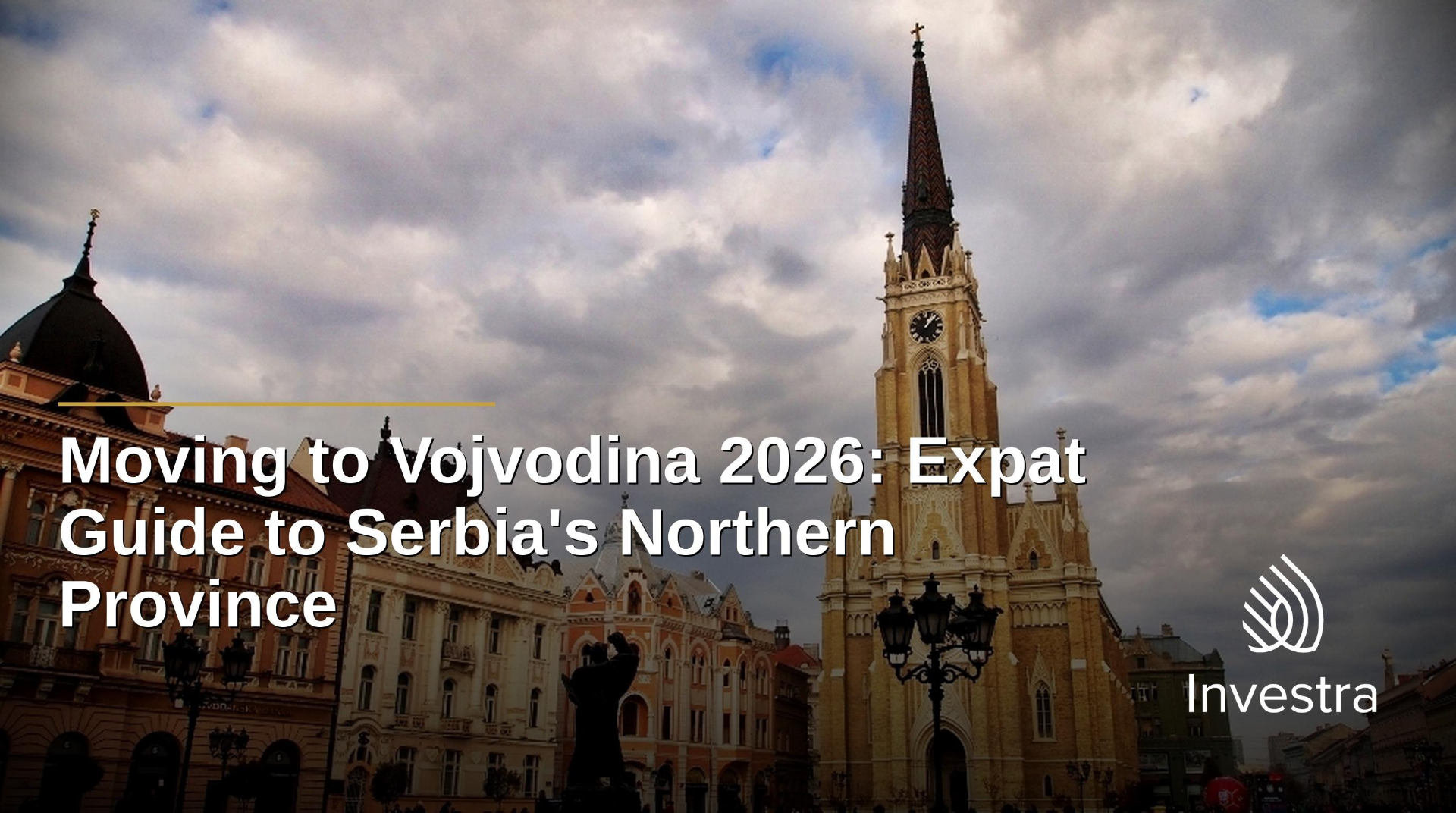
Moving to Vojvodina 2026: Expat Guide to Serbia's Northern Province
Moving to Vojvodina 2026: Expat Guide to Serbia's Northern Province
Have you ever wondered what it feels like to live in a place where history, culture, and modern opportunities blend seamlessly across a vast, flat landscape? I certainly did before I first visited Serbia's northern province. Moving to Vojvodina is becoming an increasingly popular choice for expats, digital nomads, and retirees looking for a high quality of life without the exorbitant costs associated with Western Europe. As we look toward 2026, this autonomous region offers a unique proposition: a multicultural haven with incredibly affordable property prices, proximity to the European Union border, and a lifestyle that prioritizes community and nature.
When I talk to people about relocating to Serbia, their minds usually jump straight to Belgrade. But let me tell you, Vojvodina is the hidden gem you should be considering. From the vibrant streets of Novi Sad to the Art Nouveau masterpieces in Subotica, this region is a tapestry of Serbian, Hungarian, Slovak, and Romanian influences. Whether you are looking for a bustling city life or a quiet retreat on a traditional agricultural estate, moving to Vojvodina provides options that cater to every preference.
In this comprehensive guide, I will walk you through everything you need to know about making this beautiful province your new home. We will explore the top cities, analyze the real estate market where prices range from a mere €800 to €1500 per square meter, and discuss the practicalities of visas, healthcare, and daily life. If you are ready to discover why so many expats are choosing this northern paradise, let us begin our journey into the heart of Vojvodina.
Why Moving to Vojvodina is the Best Decision You Will Make in 2026
Quick Answer: Moving to Vojvodina offers an unbeatable combination of low living costs, affordable real estate, and a rich multicultural lifestyle. Its strategic location near the EU border and welcoming communities make it an ideal destination for expats seeking peace and opportunity in 2026.
Why are so many foreigners suddenly looking at the northern part of Serbia? The answer is simple: value and lifestyle. When I first started researching the region, I was astounded by how much your money can buy here compared to almost anywhere else in Europe. Moving to Vojvodina means you can enjoy a spacious home, eat organic, locally grown food, and participate in a vibrant cultural scene without constantly worrying about your bank balance. The pace of life here is noticeably more relaxed than in the capital, allowing you to truly savor your surroundings.
The province is characterized by its vast, flat agricultural landscape, which stretches as far as the eye can see. This geography not only provides stunning sunsets but also supports a thriving agricultural sector that keeps local markets overflowing with fresh produce. I have spent countless mornings wandering through the green markets of Novi Sad and Sombor, marveling at the quality and affordability of the food. For expats who value a healthy, farm-to-table lifestyle, moving to Vojvodina is a dream come true.
Beyond the economics and the food, the strategic location of Vojvodina cannot be overstated. Bordering Hungary, Romania, and Croatia, the province serves as a gateway between the Balkans and Central Europe. This proximity to the European Union makes travel incredibly convenient. You can easily pop over to Budapest or Vienna for the weekend. For business owners and remote workers, this connectivity is a massive advantage. If you want to understand the broader context of the country's appeal, I highly recommend reading our Serbia Property Investment Guide 2026.
Another compelling reason to consider moving to Vojvodina is the warmth of the local people. The region has a long history of multiculturalism, which has fostered an environment of tolerance and hospitality. Expats often report feeling welcomed and integrated into their communities much faster than they anticipated. Whether you are sharing a coffee in a local kafana or attending one of the many cultural festivals, you will quickly find yourself surrounded by friends.
The Unique Multicultural Heritage of Serbia's Northern Province
Quick Answer: Vojvodina is a melting pot of cultures, officially recognizing six languages and hosting vibrant Serbian, Hungarian, Slovak, and Romanian communities. This diversity enriches the local cuisine, architecture, and daily life, making it a fascinating place for expats to live.
One of the most striking aspects of moving to Vojvodina is encountering its incredible diversity. Did you know that the province officially recognizes six languages? Serbian, Hungarian, Slovak, Romanian, Croatian, and Pannonian Rusyn are all used in official capacities depending on the municipality. This is not just a bureaucratic detail; it is a living, breathing reality that shapes the everyday experience of living here. When I walk through the streets of Subotica or smaller villages, hearing a mix of languages and seeing bilingual street signs is completely normal.
This multicultural heritage is the result of centuries of history, during which the region was part of the Austro-Hungarian Empire before joining Serbia. The legacy of this era is visible everywhere, from the grand architecture of the city centers to the culinary traditions that blend Central European and Balkan flavors. For an expat, this means you get to experience a rich tapestry of traditions without ever crossing a border. You can enjoy a hearty Serbian pljeskavica for lunch and a delicate Hungarian chimney cake for dessert.
The harmonious coexistence of different ethnic groups is something the locals are deeply proud of. Throughout the year, various communities host festivals celebrating their unique heritage, music, and food. These events are fantastic opportunities for newcomers to immerse themselves in the local culture. I remember attending a harvest festival in a Slovak village near Novi Sad, and the sense of community and joy was palpable. Moving to Vojvodina allows you to be part of a society that truly celebrates diversity.
For families relocating with children, this multicultural environment offers a wonderful educational experience. Growing up surrounded by different languages and customs fosters open-mindedness and adaptability. Many schools in the region offer bilingual programs, providing an excellent foundation for international living. If you are considering the legal aspects of bringing your family here, our Serbia Visa and Residency Guide 2026 covers all the necessary steps.
Novi Sad: The Vibrant Capital of Vojvodina
Quick Answer: Novi Sad, the capital of Vojvodina, offers a perfect blend of historic charm, modern amenities, and a thriving IT sector. It is the top choice for expats seeking a dynamic urban lifestyle with easy access to nature and the Danube River.
If you are contemplating moving to Vojvodina, Novi Sad is likely at the top of your list, and for good reason. As the second-largest city in Serbia and the capital of the province, it offers everything you could want from a modern European city, but with a distinctively relaxed vibe. I often describe Novi Sad as the "Athens of Serbia" due to its historical significance as a center of culture and education. Today, it is a bustling hub that attracts students, IT professionals, and expats from all over the world.
The heart of the city is its pedestrian zone, centered around Liberty Square (Trg Slobode) and Zmaj Jovina street. Here, you will find stunning 19th-century architecture, countless cafes, and a lively atmosphere that persists year-round. Just across the Danube River stands the majestic Petrovaradin Fortress, famous for hosting the internationally renowned EXIT music festival every summer. Living in Novi Sad means you have world-class entertainment and historical landmarks right on your doorstep.
Economically, Novi Sad is booming. It has established itself as a major IT and tech hub in the region, drawing significant foreign investment and creating a strong demand for high-quality housing. Despite this growth, the cost of living remains very reasonable. For those interested in the property market here, I strongly suggest checking out our detailed Novi Sad Real Estate Market 2026 guide. You will find that whether you want a modern apartment in the city center or a house in the quieter suburbs like Sremska Kamenica, the options are plentiful and attractive.
What I personally love most about Novi Sad is its connection to nature. The city is flanked by the Danube River and the Fruška Gora National Park. On weekends, locals flock to the Strand, a beautiful sandy beach on the riverbank, or head to the hills for hiking and wine tasting. Moving to Vojvodina and choosing Novi Sad gives you the perfect balance between urban convenience and outdoor recreation.
Subotica: Art Nouveau Architecture Near the Hungarian Border
Quick Answer: Located just miles from the Hungarian border, Subotica is famous for its breathtaking Art Nouveau architecture and strong multicultural vibe. It offers a quiet, highly affordable lifestyle perfect for retirees and remote workers.
When I first visited Subotica, I felt like I had stepped into a fairy tale. Located in the far north, just a stone's throw from the Hungarian border, this city is a masterpiece of Art Nouveau architecture. The City Hall, the Synagogue, and the Raichle Palace are adorned with intricate ceramics and vibrant colors that make simply walking down the street a visual delight. If you appreciate art, history, and a slower pace of life, moving to Vojvodina and settling in Subotica might be your perfect match.
Subotica is perhaps the most distinctly multicultural city in the province, with a large Hungarian population alongside Serbs, Croats, and Bunjevci. This blend is evident in everything from the bilingual street signs to the local cuisine, which heavily features paprika-spiced stews and rich pastries. The atmosphere here is noticeably quieter and more relaxed than in Novi Sad or Belgrade, making it an ideal destination for retirees or digital nomads looking for a peaceful environment to focus on their work.
The real estate market in Subotica is incredibly attractive for expats. Property prices here are significantly lower than in the capital, often falling at the lower end of the €800-1500/m² spectrum. You can purchase a beautiful, spacious home with a garden for the price of a small studio apartment in Western Europe. For a broader perspective on how these prices compare nationally, our Serbia Real Estate Market 2026 report provides excellent context.
Just outside the city lies Lake Palić, a popular resort area that offers sailing, cycling, and relaxing walks along the promenade. The surrounding region is also known for its excellent wineries, producing unique local varietals grown in the sandy soil. Living in Subotica means enjoying a high quality of life, surrounded by beauty, at a fraction of the cost you would expect.
Zrenjanin: The City of Bridges and Economic Growth
Quick Answer: Zrenjanin is a rapidly developing industrial and economic hub in central Vojvodina, known for its beautiful bridges and historic center. It offers excellent investment opportunities and a very low cost of living for expats.
Zrenjanin is a city that often flies under the radar, but it is quickly becoming a focal point for economic development in the region. Located in the Banat district of Vojvodina, it is the largest city in the area by landmass and the third-largest by population. I have watched Zrenjanin transform over the past few years, attracting significant foreign direct investment, particularly in the manufacturing and automotive sectors. For expats looking for business opportunities or employment in these industries, moving to Vojvodina and targeting Zrenjanin is a smart strategic move.
The city is affectionately known as the "City of Bridges" because it is built along the meandering Begej river. The historic city center is beautifully preserved, featuring grand buildings from the 19th and early 20th centuries, a testament to its prosperous past. Walking through the main square, you can feel the history, yet there is a palpable sense of forward momentum as new businesses and cafes open their doors.
One of the biggest draws of Zrenjanin for expats is the exceptionally low cost of living. Real estate here is among the most affordable in the province. You can find excellent properties, both apartments in the center and houses in the suburbs, at prices that are hard to beat anywhere else in Europe. If you are considering buying property here, it is crucial to understand the legal framework, which is thoroughly explained in our guide on Buying Property in Serbia as a Foreigner 2026.
Despite its industrial growth, Zrenjanin retains a strong connection to the surrounding agricultural landscape. The nearby Carska Bara nature reserve is a stunning wetland area, perfect for bird watching and weekend escapes. The city offers a pragmatic, affordable, and increasingly prosperous environment for those moving to Vojvodina.
Sombor: The Greenest City in Serbia
Quick Answer: Famous for its tree-lined streets and historic architecture, Sombor is widely considered the greenest city in Serbia. It provides a tranquil, culturally rich environment ideal for those seeking a slow-paced, nature-oriented lifestyle.
If you ask any Serbian which city is the most beautiful in the country, Sombor will frequently be the answer. Tucked away in the northwest corner of Vojvodina, near the borders with Croatia and Hungary, Sombor is famous for its incredible greenery. The city boasts over 120 kilometers of tree-lined avenues, primarily planted with hackberry trees that create a stunning canopy over the streets. When I first drove into Sombor, the sheer volume of shade and greenery was breathtaking. Moving to Vojvodina and choosing Sombor means choosing a life intertwined with nature.
The pace of life in Sombor is delightfully slow. Bicycles are the preferred mode of transportation for many residents, adding to the city's quiet, eco-friendly atmosphere. The historic center is a pedestrian-friendly zone filled with impressive 18th and 19th-century buildings, including the iconic Županija building, which houses the largest oil painting in Serbia. The cultural scene is vibrant, with a strong tradition of theater, art, and music.
For expats, Sombor offers an idyllic retreat from the hustle and bustle of modern life. It is particularly popular among artists, writers, and retirees who appreciate the tranquility and the low cost of living. Property prices here are very attractive, allowing you to purchase a large traditional house, perhaps even one with a substantial garden or orchard, for a very modest sum. Understanding the tax implications of such a purchase is important, so I recommend reviewing our Serbia Property Taxes 2026 article.
The surrounding area is characterized by the Upper Danube Nature Reserve, a massive wetland complex that is part of the UNESCO Biosphere Reserve. Here, you can enjoy boating, fishing, and exploring pristine natural habitats. Sombor is not just a place to live; it is a place to breathe, relax, and enjoy the simple pleasures of life.
Pančevo: Industrial Hub with a Bohemian Soul
Quick Answer: Located just across the river from Belgrade, Pančevo offers the perfect compromise: affordable living and a bohemian atmosphere with immediate access to the capital's amenities and job market.
Pančevo occupies a unique position in Vojvodina. Situated on the banks of the Tamiš river, it is located just 15 kilometers from the center of Belgrade. This proximity makes it an incredibly strategic choice for expats. When you are moving to Vojvodina, Pančevo allows you to enjoy the lower costs and relaxed pace of the province while maintaining daily access to the capital. I know many expats who live in Pančevo and commute to Belgrade, enjoying the best of both worlds.
Historically known as an industrial center, Pančevo has a gritty, authentic charm. However, beneath its industrial exterior lies a vibrant bohemian soul. The city has a thriving underground arts scene, excellent local breweries, and a rich cultural life. The old town center is full of character, with historic buildings and cozy cafes where locals gather to discuss politics, art, and life.
The real estate market in Pančevo is particularly interesting. Because of its proximity to Belgrade, property values have been steadily rising, making it a solid investment. Yet, prices remain significantly lower than in the capital. You can secure a modern apartment or a spacious family home for a fraction of what you would pay just across the bridge. For those looking at the rental market as an investment, Pančevo offers excellent yields, a topic covered in depth in our Serbia Rental Market 2026 analysis.
Living in Pančevo means you can spend your weekends exploring the quiet banks of the Tamiš river or taking a short drive into Belgrade for world-class dining and nightlife. It is a city of contrasts, offering a practical, affordable, and culturally rich base for expats moving to Vojvodina.
Property Prices in Vojvodina: Affordable Living at Its Best
Quick Answer: Property prices in Vojvodina are highly attractive, generally ranging from €800 to €1500 per square meter. This affordability allows expats to purchase spacious homes or modern apartments without the financial strain common in Western Europe.
Let us talk numbers, because the financial aspect is often the deciding factor for anyone considering a relocation. When I analyze the real estate market across Europe, Vojvodina consistently stands out as one of the best value-for-money destinations available. Moving to Vojvodina in 2026 means entering a market where your purchasing power is exceptionally strong. The average property prices here range from €800 to €1500 per square meter, depending on the city and the exact location.
In Novi Sad, the most expensive market in the province, premium new-build apartments in the city center or popular neighborhoods like Grbavica might push towards the higher end of that spectrum, occasionally exceeding it for luxury units. However, if you look at older apartments or move slightly out of the center, prices drop significantly. In cities like Subotica, Zrenjanin, and Sombor, the €800-1000/m² range is very common, allowing you to buy a substantial family home for under €100,000.
To give you a clear picture, I have compiled a comparison table showing average property prices across the main cities in Vojvodina compared to Belgrade.
| City | Average Price per m² (EUR) | Typical 2-Bedroom Apartment Cost | Market Trend (2026) |
|---|---|---|---|
| Novi Sad | €1,400 - €1,800 | €90,000 - €120,000 | Steady Growth |
| Subotica | €900 - €1,200 | €60,000 - €80,000 | Stable |
| Zrenjanin | €850 - €1,100 | €55,000 - €75,000 | Moderate Growth |
| Sombor | €800 - €1,000 | €50,000 - €70,000 | Stable |
| Pančevo | €1,100 - €1,400 | €75,000 - €95,000 | High Growth |
| Belgrade (For Comparison) | €2,500 - €3,500+ | €160,000 - €250,000+ | High Growth |
As you can see, the savings are substantial. This affordability extends beyond just the purchase price. Property taxes in Serbia are generally low, and the cost of renovations and maintenance is very reasonable due to affordable local labor. For expats, this means you can buy a property, renovate it to your exact specifications, and still spend less than you would on a basic apartment in a Western European city. If you need professional assistance navigating these investments, reaching out to experts like Findes Group & Partners can ensure a smooth and secure transaction.
The Agricultural Heart of Serbia: Landscape and Lifestyle
Quick Answer: Vojvodina's flat, fertile landscape makes it the agricultural powerhouse of Serbia. Expats enjoy a lifestyle deeply connected to nature, with abundant access to fresh, locally grown organic produce and a relaxed, rural charm.
When you drive through Vojvodina, the first thing you notice is the horizon. The landscape is famously flat, part of the great Pannonian Plain, stretching endlessly under a massive sky. This geography is not just a visual characteristic; it defines the entire way of life here. Moving to Vojvodina means embracing a region that is the undisputed agricultural heart of Serbia. The dark, fertile soil produces an abundance of wheat, corn, sunflowers, and vegetables that feed the nation and beyond.
For an expat, this agricultural dominance translates directly into a fantastic lifestyle benefit: the food. I cannot stress enough how incredible the local produce is. Every town and city has a bustling green market (pijaca) where farmers sell their daily harvest. You can buy tomatoes that actually taste like tomatoes, fresh cheeses, homemade honey, and cured meats, all for a fraction of supermarket prices. The farm-to-table concept is not a trendy marketing gimmick here; it is simply how people have eaten for generations.
This connection to the land also fosters a slower, more deliberate pace of life. People take the time to enjoy their meals, to sit in cafes, and to converse with their neighbors. The stress and rush of massive metropolitan areas feel very far away when you are watching a golden sunset over a field of sunflowers. If you are seeking a lifestyle that prioritizes well-being, community, and nature, moving to Vojvodina offers exactly that.
Many expats choose to buy properties in smaller villages or traditional farmhouses known as "salaši." These estates often come with large plots of land, allowing you to grow your own food, keep animals, or simply enjoy the vast open space. It is a dream scenario for those wanting to escape the concrete jungle and reconnect with the earth.
Cost of Living in Vojvodina vs. Belgrade and Western Europe
Quick Answer: The cost of living in Vojvodina is significantly lower than in Belgrade and a fraction of the cost in Western Europe. Expats can enjoy a high standard of living, including dining out and cultural activities, on a modest budget.
We have discussed property prices, but what about the day-to-day expenses? One of the most pleasant surprises for anyone moving to Vojvodina is the overall cost of living. While Belgrade has seen prices rise steadily over the past decade, Vojvodina has managed to maintain a much more affordable profile. I have found that my monthly budget stretches incredibly far here, allowing for a lifestyle that would be prohibitively expensive in cities like London, Paris, or even Berlin.
Let us break down some typical costs. A meal at a mid-range restaurant in Novi Sad or Subotica will typically cost between €10 and €15 per person, including a drink. A cup of excellent espresso in a local cafe is usually around €1.50. Monthly utilities for a standard apartment, including electricity, heating, water, and high-speed internet, generally run between €100 and €150. Groceries, especially if you shop at the local markets, are remarkably cheap.
Compared to Belgrade, you can expect your overall living expenses in Vojvodina to be 20% to 30% lower. The savings are most noticeable in rent and property prices, but they extend to services, entertainment, and dining. When compared to Western Europe, the difference is staggering. Many digital nomads and retirees find that they can live very comfortably in Vojvodina on €1,000 to €1,500 a month, a budget that would barely cover rent in many Western capitals.
This financial freedom is a massive draw. It allows expats to work less, travel more, and invest their savings into property or businesses. It reduces financial stress and significantly improves overall quality of life. If you are looking to maximize your income or pension, moving to Vojvodina is a highly strategic financial decision.
Visa and Residency Requirements for Expats in Vojvodina
Quick Answer: Securing residency in Vojvodina is straightforward, with options available through property ownership, employment, or establishing a business. The process is welcoming to expats and provides a clear path to long-term living in Serbia.
A common concern for anyone relocating internationally is the bureaucracy involved in securing legal residency. Fortunately, Serbia has one of the most accessible residency programs in Europe. When moving to Vojvodina, you will find that the local police departments (who handle immigration matters) are generally helpful and accustomed to dealing with foreigners, especially in larger cities like Novi Sad and Subotica.
The most popular route for expats to obtain a temporary residence permit is through property ownership. Unlike many EU countries that require massive investments for a "Golden Visa," Serbia allows you to apply for residency simply by purchasing a residential property, with no minimum price threshold. This means that buying a €50,000 house in Sombor qualifies you just as much as buying a €500,000 villa in Belgrade. Once you own the property, you can apply for a permit that is typically valid for one year and is easily renewable.
Another common pathway is through employment or by setting up your own company. Many digital nomads and entrepreneurs choose to register a small business or act as a sole proprietor (preduzetnik) in Serbia. The corporate tax rates are favorable, and the process of setting up a company is relatively quick. This not only grants you residency but also integrates you into the local economy. For those looking to scale their operations or need high-level strategic advice, consulting with an AI business consultant can provide a significant competitive edge in the Serbian market.
After holding temporary residency for a continuous period (usually three to five years, depending on the basis of your stay), you become eligible to apply for permanent residency. The system is designed to be welcoming, encouraging expats to put down roots and contribute to the community.
Healthcare and Education in Vojvodina
Quick Answer: Vojvodina offers a mix of accessible public healthcare and affordable, high-quality private medical services. The education system is robust, with several international and bilingual schooling options available, particularly in Novi Sad.
When moving to Vojvodina, ensuring access to quality healthcare and education is a top priority, especially for families and retirees. The healthcare system in Serbia is a dual system, comprising both public and private sectors. As a legal resident, you will have access to the state healthcare system, which is funded through mandatory health insurance contributions. While the public system provides comprehensive coverage, it can sometimes suffer from long wait times and bureaucratic hurdles.
Because of this, most expats choose to utilize the private healthcare sector, which is excellent and highly affordable. In cities like Novi Sad and Subotica, you will find modern private clinics and hospitals equipped with the latest technology and staffed by highly trained, English-speaking doctors. A specialist consultation in a private clinic typically costs between €30 and €50. Many expats pay out-of-pocket for routine care or purchase private health insurance policies, which are very reasonably priced compared to Western standards.
Regarding education, Vojvodina has a strong tradition of academic excellence. The public school system is rigorous, and because of the region's multicultural nature, many schools offer instruction in minority languages like Hungarian or Slovak alongside Serbian. For expat children who do not speak the local languages, Novi Sad offers international schooling options that follow international curricula (such as Cambridge) and teach in English.
Furthermore, the University of Novi Sad is one of the largest and most prestigious educational institutions in the region, attracting students from all over the world. This academic environment contributes to the vibrant, youthful energy of the city and ensures a highly educated local workforce.
Transportation and Proximity to the EU Border
Quick Answer: Vojvodina boasts excellent connectivity, with major highways linking it to Belgrade and Central Europe. Its immediate proximity to the EU borders of Hungary, Romania, and Croatia makes international travel fast and convenient.
One of the most strategic advantages of moving to Vojvodina is its location. The province is literally the gateway between the Balkans and the European Union. If you look at a map, you will see that Vojvodina shares borders with Hungary to the north, Romania to the east, and Croatia to the west. This proximity is a massive benefit for expats who want to explore Europe or need to travel frequently for business.
The transportation infrastructure in Vojvodina is continually improving. The E75 highway runs straight through the province, connecting Subotica and Novi Sad directly to Belgrade and, further north, to Budapest. You can drive from Novi Sad to the Hungarian border in about an hour. Furthermore, the high-speed railway project connecting Belgrade to Budapest is currently underway. The section between Belgrade and Novi Sad is already operational, reducing the travel time between the two cities to a mere 36 minutes on the modern "Soko" train.
This connectivity means you are never isolated. You can easily spend a weekend enjoying the thermal baths in Budapest, shopping in Vienna, or exploring the historic streets of Timișoara in Romania. For digital nomads and frequent travelers, having such easy access to the Schengen zone while enjoying the low cost of living in Serbia is an unbeatable combination.
Within the province, public transportation relies heavily on an extensive network of buses that connect even the smallest villages to the major cities. The flat terrain also makes cycling incredibly popular and practical, especially in cities like Sombor and Novi Sad, which have dedicated bike lanes.
Food, Wine, and the Famous Salaš Culture
Quick Answer: The culinary scene in Vojvodina is a rich blend of Central European and Balkan flavors. Expats love the traditional "salaš" farmsteads, which offer authentic dining experiences, local wines, and a deep connection to the region's heritage.
I cannot write a guide about moving to Vojvodina without dedicating a significant portion to the food and wine. The culinary landscape here is a direct reflection of the region's multicultural history. You will find hearty Serbian grilled meats sitting comfortably alongside Hungarian goulash, Slovak pastries, and Austrian-style strudels. The food is rich, comforting, and always made with the freshest local ingredients.
The absolute pinnacle of the Vojvodina dining experience is the "salaš." A salaš is a traditional Pannonian farmstead, many of which have been converted into rustic restaurants and guesthouses. Visiting a salaš is not just about eating; it is an event. You typically arrive in the early afternoon and spend hours enjoying course after course of homemade food—starting with cured meats and cheeses, moving on to rich chicken soup with homemade noodles, followed by roasted meats and potatoes, and finishing with poppy seed strudel. All of this is usually accompanied by live tamburica music, creating an unforgettable atmosphere.
Vojvodina is also a premier wine-producing region. The Fruška Gora mountain, located just south of Novi Sad, is covered in vineyards that have been producing wine since Roman times. The region is famous for its Bermet, a unique dessert wine infused with herbs and spices, which was reportedly served on the Titanic. The sandy soils near Subotica also produce excellent, crisp white wines.
For expats, exploring the local gastronomy and wine routes becomes a favorite weekend activity. It is a delicious way to integrate into the culture and understand the soul of the province. The emphasis on hospitality means that wherever you go, you will be fed well and treated like family.
Ready to Invest in Serbia? Browse Properties on Investra.io
Moving to Vojvodina is more than just a change of address; it is an upgrade in lifestyle, financial freedom, and cultural enrichment. Whether you are drawn to the vibrant streets of Novi Sad, the Art Nouveau beauty of Subotica, or the quiet greenery of Sombor, this northern province offers unparalleled opportunities for expats in 2026. The combination of affordable real estate, low living costs, and a welcoming multicultural environment makes it a premier destination in Europe.
If you are ready to take the next step and explore the real estate opportunities in this beautiful region, we are here to help. Our platform offers a curated selection of the best properties available, tailored specifically for foreign buyers and investors.
Ready to invest in Serbia? Browse properties on Investra.io → https://investra.io/en/real-estate/serbia
Frequently Asked Questions About Moving to Vojvodina
Is Vojvodina safe for expats and foreign families?
Yes, Vojvodina is exceptionally safe. Violent crime is extremely rare, and the region is known for its peaceful, tolerant, and welcoming atmosphere. Expats consistently report feeling very secure walking around cities like Novi Sad and Subotica at any time of day or night.
Do I need to speak Serbian to live in Vojvodina?
While learning Serbian will greatly enhance your experience and integration, it is not strictly necessary for daily survival, especially in larger cities like Novi Sad where English is widely spoken by the younger population and professionals. In some northern areas, Hungarian is also widely used.
Can foreigners easily buy agricultural land in Vojvodina?
Buying agricultural land as a foreigner in Serbia is legally complex and generally restricted, unlike buying residential property (houses or apartments), which is straightforward. Most expats purchase residential properties with large gardens or plots within construction zones rather than pure agricultural land.
How cold do the winters get in Vojvodina?
Winters in Vojvodina can be cold and windy, given the flat landscape. Temperatures frequently drop below freezing from December to February, and snow is common. However, the summers are hot and sunny, providing a distinct four-season climate.
What is the internet speed like for digital nomads?
The internet infrastructure in Vojvodina is excellent. Major cities offer high-speed fiber-optic connections that are highly reliable and affordable. Digital nomads will have no problem conducting video calls or managing heavy workloads from their homes or local cafes.
Are there international communities in Vojvodina?
Yes, Novi Sad has a growing and active international community, consisting of IT professionals, students, and digital nomads. There are numerous expat groups and meetups. Smaller cities have fewer expats, offering a more immersive local experience.
How do I open a bank account as an expat in Vojvodina?
Opening a bank account is relatively simple. You will need your passport, your "beli karton" (white card - proof of address registration), and sometimes a document explaining the source of your funds. Many banks have English-speaking staff in their main branches.
Is it easy to travel from Vojvodina to other European countries?
Absolutely. Vojvodina's location bordering Hungary, Romania, and Croatia makes it incredibly easy to travel into the EU. The highway network is excellent, and the new high-speed rail links are making cross-border travel even faster and more convenient.
Priporočene vsebine / Recommended Reading
- Novi Sad Real Estate Market 2026
- Serbia Real Estate Market 2026
- Buying Property in Serbia as a Foreigner 2026
- Serbia Visa and Residency Guide 2026
- Business Strategy: How AI is Transforming Growth
- Why You Need an AI Business Consultant in 2026
Odkrijte globalne investicijske priložnosti na Unifyr.space — vaš portal za pametne investicije.
📚 Recommended Content
Connect With Investra
```html ```Related Posts
No related posts available.
