
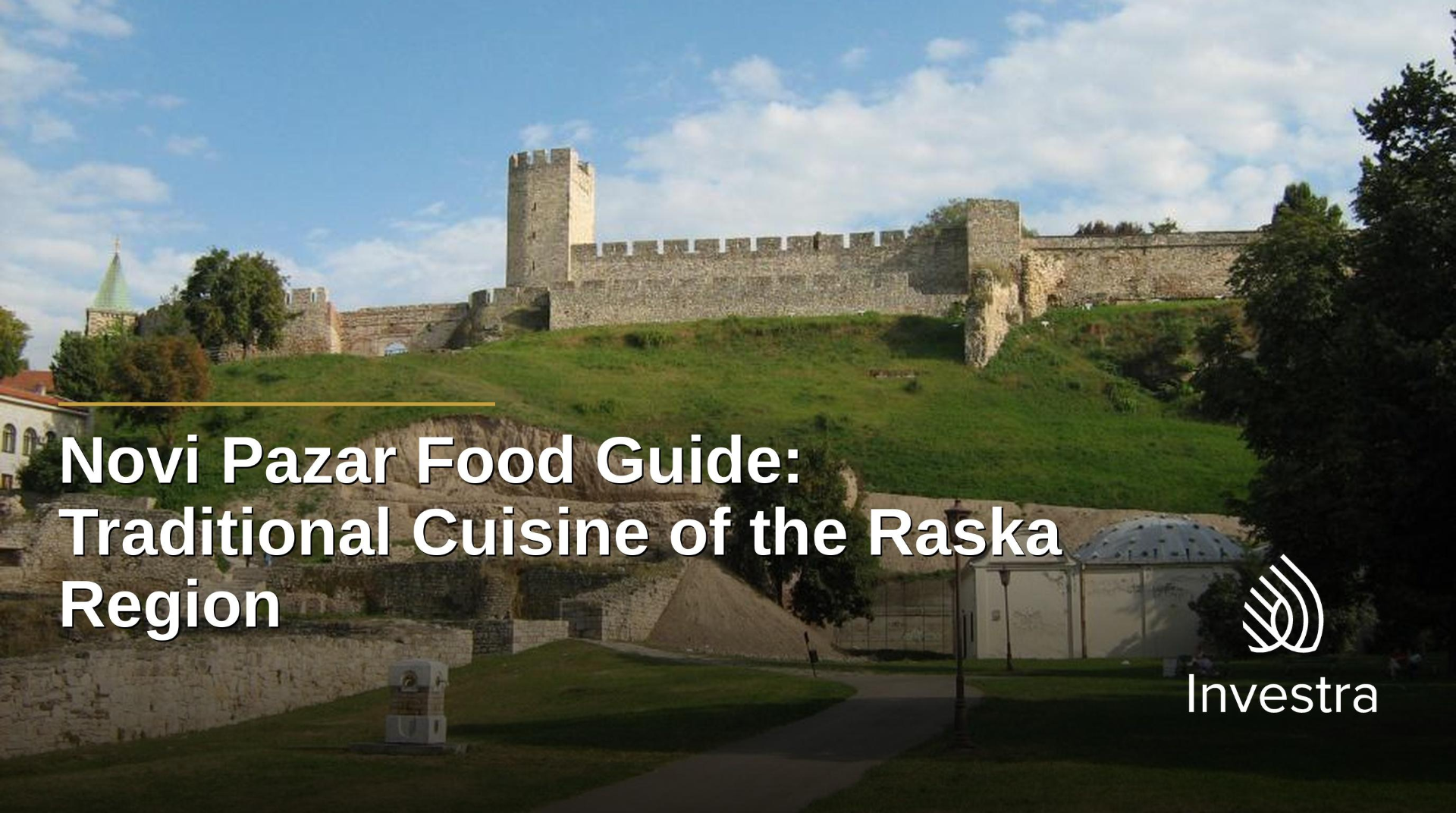
Novi Pazar Food Guide: Traditional Cuisine of the Raska Region
Quick Answer: Novi Pazar offers a distinctive fusion of Serbian and Ottoman cuisine in Serbia’s Raška region, featuring grilled meats like ćevapi, flaky burek, tender lamb, local cheese, baklava, and honey. Visitors enjoy affordable meals at traditional kafane and bazaar stalls, with lunch typically €6-12 and dinner €12-25, plus excellent halal options.
Novi Pazar Food Guide: Traditional Cuisine of the Raska Region
Novi Pazar stands as one of Serbia’s most intriguing culinary destinations, where centuries of Ottoman rule have blended seamlessly with local Serbian traditions to create a food culture unlike anywhere else in the Balkans. Located in the heart of the Raška region, this vibrant city draws travelers seeking authentic flavors, from sizzling street-side grills to centuries-old coffee houses. The Novi Pazar food scene reflects the city’s multicultural soul, offering everything from hearty lamb stews and cheese-filled pastries to delicate baklava and potent rakija. Whether you are sampling pita burek at dawn in the historic bazaar or enjoying a leisurely dinner in a traditional kafana, every bite tells a story of trade routes, migrations, and shared heritage. This guide explores the must-try dishes, best restaurants, halal options, local markets, and insider tips that will help you experience Novi Pazar like a local. Along the way, you will also discover how the growing tourism appeal ties into broader opportunities to invest in Serbia through platforms focused on regional growth.
Discovering the Culinary Heritage of Novi Pazar
The food of Novi Pazar is a living archive of the Raška region’s layered history. Ottoman influence arrived in the 15th century and never left, shaping everything from spice blends to cooking techniques. Local cooks still use the same copper pots and wood-fired ovens that their ancestors employed, preserving recipes passed down through generations. At the same time, Serbian pastoral traditions contribute fresh dairy, lamb, and forest honey. Walking through the narrow streets of the old town, you will smell the unmistakable aroma of grilled minced meat mixed with paprika and garlic. This culinary fusion makes Novi Pazar food a highlight for any traveler exploring Serbia. Many visitors combine their gastronomic journey with cultural exploration of the Altun-Alem Mosque and the 16th-century Turkish bath, then return for meals that highlight the same multicultural story. The city’s position on ancient trade routes also explains the presence of spices such as cumin, cinnamon, and sumac that rarely appear in other Serbian kitchens. Today, young chefs are reviving forgotten recipes while adding modern touches, creating an exciting dining scene that attracts both domestic and international food tourists. For those considering longer stays, the welcoming atmosphere and rising property values make it worthwhile to explore Serbia real estate opportunities that align with this growing destination.
Signature Dishes: From Cevapi to Baklava
No visit to Novi Pazar is complete without sampling its signature dishes that define Raška cuisine. Start with the legendary ćevapi—small, finger-shaped minced beef and lamb sausages grilled over charcoal and served in freshly baked somun bread with chopped onions and kajmak. Unlike the version found in Belgrade, Novi Pazar ćevapi carry a subtle smoky depth from the wood fire and often include a hint of hot pepper. Another staple is pita burek, layers of thin phyllo dough filled with ground meat, cheese, or spinach, baked until golden and served with yogurt. The cheese here deserves special mention: Novi Pazar cheese is a semi-soft, salty cow’s milk variety aged in brine, often crumbled over salads or melted inside pastries. Lamb dishes shine in the region as well; try the slow-cooked lamb under a sač (bell-shaped lid covered with coals) that emerges fork-tender with potatoes and rosemary. Desserts reach their peak with baklava made from local walnuts, rosewater syrup, and dozens of paper-thin layers of dough. For something uniquely local, order a slice of tufahija, a poached apple filled with walnuts and topped with whipped cream. These dishes are widely available year-round, though lamb is especially succulent in spring and autumn when the animals graze on mountain herbs. Prices remain remarkably accessible, with generous portions of ćevapi or burek costing between €4 and €7. Food enthusiasts often return home with jars of the famous Novi Pazar cheese and honey, flavors that capture the essence of the region long after the trip ends.
Street Food Adventures in the Historic Bazaar
The old bazaar of Novi Pazar functions as an open-air food museum where stalls have operated continuously for over 500 years. Early mornings bring the scent of fresh simit (sesame bread rings) and warm milk sold from copper pots. By midday, vendors grill ćevapi and pljeskavica patties while others fry borek in massive copper trays. Do not miss the small wooden stands offering “kafa sa šećerom” — strong Turkish-style coffee served with a cube of sugar and a glass of water. Many stalls also sell fresh pomegranate juice and ayran, the salted yogurt drink that perfectly cuts through rich grilled meats. Insider tip: visit between 10 a.m. and noon when the bread is still warm from the bakery ovens. The bazaar remains active until late evening, especially during summer when tables spill onto cobblestone lanes. Prices at street stalls are the most budget-friendly in the city, with a full meal of grilled meat, bread, and drink rarely exceeding €6. Safety is excellent, and the atmosphere stays family-friendly even after dark. For travelers interested in deeper cultural immersion, several stall owners happily share stories about their family recipes while you eat. This authentic street food experience complements the broader appeal of Serbia as a destination where history and daily life intertwine, encouraging many visitors to consider longer-term connections through property in Serbia.
Traditional Kafane and Contemporary Dining Experiences
Novi Pazar’s kafane represent the soul of local dining culture. These traditional taverns feature wooden tables, live accordion music on weekends, and menus unchanged for decades. Restaurant “Kod Domaćina” on Glavna Street serves exceptional lamb under sač for €11 and offers a superb selection of local wines. Another favorite, “Burek Kod Mehmeda,” specializes in oversized cheese and meat bureks baked in a wood oven, with portions large enough for two. For a modern twist, “Restoran Ottoman” combines classic recipes with refined presentation, plating grilled trout from nearby rivers alongside seasonal vegetables. Newer venues such as “Raška Table” focus on farm-to-table concepts, sourcing cheese and honey directly from mountain villages. Most restaurants open at 8 a.m. for breakfast burek and remain open until midnight. Dinner reservations are recommended on Friday and Saturday evenings when live music begins around 8 p.m. Expect to pay €12-18 for a three-course dinner including wine. Many establishments now accept card payments, though cash remains preferred at smaller kafane. The hospitality is legendary—owners often send complimentary rakija or Turkish delight at the end of the meal. These dining experiences highlight why the region continues to attract both tourists and investors looking at Serbia real estate as a strategic opportunity.
Halal Food Options and the Ottoman Influence
Because of Novi Pazar’s large Bosniak population, the majority of restaurants and street stalls serve exclusively halal meat, making the city one of the easiest places in Serbia for Muslim travelers to dine. Every butcher and grill uses meat slaughtered according to Islamic rites, and pork is virtually absent from menus. This tradition stems directly from the Ottoman legacy that shaped the city’s identity. Restaurants clearly display halal certification, and staff are accustomed to answering questions about ingredients. Beyond meat dishes, the Ottoman influence appears in the generous use of spices, the preparation of pilaf-style rice, and the prominence of sweets like baklava and halva. Coffee culture remains deeply rooted, with many traditional kahve serving thick, unfiltered Turkish coffee alongside lokum. Vegetarian and vegan options have grown in recent years, including grilled vegetables, bean stews, and cheese burek. Travelers with dietary restrictions will find the city welcoming and accommodating. The halal food scene also contributes to Novi Pazar’s growing reputation as a cultural tourism hub, further enhancing the region’s attractiveness for those seeking to invest in Serbia through established networks.
Pairing Meals with Raška Wines and Local Drinks
Although better known for its food, the Raška region produces several distinctive beverages worth exploring. Local wineries around the nearby village of Ivanjica craft light reds from Prokupac grapes and crisp whites from Smederevka. These wines pair beautifully with grilled lamb and cheese. For a stronger finish, try homemade rakija made from plums or apricots, often offered as a complimentary digestif in kafane. Non-alcoholic options include boza, a fermented millet drink with a sweet-tangy flavor, and fresh pomegranate juice sold throughout the bazaar. Coffee rituals remain sacred; ask for “kafa sa penom” if you prefer the foamy top layer. Many restaurants now offer tasting flights of local wines and rakija for €8-12, providing an excellent introduction to the region’s liquid heritage. These pairings elevate every meal and give travelers a deeper appreciation of the terroir that also supports the agricultural economy tied to Serbia real estate development.
Practical Information
Novi Pazar is accessible by bus from Belgrade (approximately 3.5 hours, €12-15) and from Novi Sad. The city has no airport, so most visitors arrive via Belgrade Nikola Tesla Airport and continue by coach. Local taxis and ride-hailing apps operate reliably, with fares within the city rarely exceeding €3. The best time to visit for food tourism is spring (April-June) and autumn (September-October) when temperatures are mild and fresh produce is abundant. Summer brings lively evening markets but can be hot. Most restaurants operate daily from 8 a.m. to midnight. Credit cards are accepted at larger venues, but carry cash for bazaar stalls. A typical lunch costs €6-12 while dinner ranges from €12-25 including drinks. Guided food tours can be arranged through the local tourist office for €25 per person. For those planning extended stays or property viewing, connecting with a business consultant Siniša Dagary can provide valuable local insights into both culinary culture and investment opportunities.
Frequently Asked Questions
What makes Novi Pazar cuisine different from other parts of Serbia?
Novi Pazar cuisine stands apart because of its strong Ottoman heritage combined with local Serbian and Bosniak traditions. While much of Serbia features pork-heavy dishes and paprika-based stews, Novi Pazar emphasizes lamb, beef, and halal preparations. The use of phyllo dough for burek, rosewater in desserts, and Turkish-style coffee service reflects centuries of cultural exchange. The Raška region also benefits from high-quality mountain dairy and honey that appear in many local recipes. This unique blend creates flavors that feel both familiar and exotic to visitors accustomed to standard Serbian fare.
Are there good vegetarian options in Novi Pazar?
Yes, vegetarian diners will find plenty of choices. Cheese burek, spinach pita, grilled vegetables, bean stews, and fresh salads appear on most menus. Many restaurants also offer vegetarian versions of traditional dishes using local cheese and seasonal produce. Because of the Ottoman influence, rice pilafs and stuffed peppers without meat are common. Always confirm ingredients if you have strict dietary needs, but the city’s diverse food scene makes it quite accommodating for vegetarians.
What is the average cost of a meal in Novi Pazar?
Meal prices remain very reasonable compared with Western Europe. A hearty lunch of ćevapi or burek with yogurt and a drink costs between €6 and €12. A full dinner with appetizers, main course, dessert, and local wine typically ranges from €12 to €25 per person. Street food and bazaar stalls offer even lower prices, often under €5 for a filling meal. These affordable rates make Novi Pazar an excellent destination for food-focused travel on any budget.
Where can I buy local specialties to take home?
The best places to purchase local products are the central market and small family-run shops near the bazaar. Look for vacuum-packed Novi Pazar cheese, jars of forest honey, dried herbs, and homemade rakija. Several producers offer gift boxes containing cheese, honey, and walnuts that travel well. Always check customs regulations for dairy and alcohol when returning to your home country. These authentic products make excellent souvenirs that capture the taste of the Raška region.
Is Novi Pazar safe for food tourists?
Novi Pazar is considered very safe for visitors, including solo travelers and families. The city maintains a strong community atmosphere, and food vendors take pride in hygiene and quality. Street food is generally fresh because of high turnover. As with any destination, use common sense by choosing busy stalls and restaurants with visible refrigeration. The halal certification common throughout the city adds another layer of transparency for many travelers. Overall, the warm hospitality makes dining here a relaxed and enjoyable experience.
Exploring the rich flavors of Novi Pazar reveals why this corner of Serbia continues to captivate travelers. The blend of history, hospitality, and exceptional food creates lasting memories while highlighting the broader potential of the region. Those inspired by the experience often look to deepen their connection through Serbia real estate opportunities. For personalized guidance, reach out to business consultant Siniša Dagary or explore listings on the real estate platform. Discover more about investing in Serbia’s promising destinations at Investra.io.
The Art of Making Traditional Novi Pazar Cheese and Honey
One of the most rewarding aspects of any Novi Pazar food journey lies in understanding the meticulous craftsmanship behind the region’s celebrated dairy products and honey. Novi Pazar cheese, a brine-aged variety made from cow’s milk sourced from highland pastures, begins its life in small family dairies scattered across the hills surrounding the city. Producers like the multi-generational Hajdar family near the village of Tutin follow a process that has remained largely unchanged for centuries: fresh milk is curdled with natural rennet, pressed into molds, and then submerged in salted whey for up to three months. The result is a firm yet creamy cheese with a tangy finish that pairs perfectly with the region’s grilled meats and fresh tomatoes. Visitors can arrange tours of these dairies through the local tourist office, where they watch the entire production cycle and sample batches still warm from the vat. Prices for authentic cheese at source average €4-6 per kilogram, significantly lower than in city markets.
Equally important is the region’s forest honey, harvested from wildflower meadows and oak forests that blanket the Raška mountains. Beekeepers such as those operating the “Pčelarstvo Raška” apiary maintain traditional wooden hives and rotate locations seasonally to follow blooming cycles. The honey ranges from light acacia varieties in spring (€8 per liter) to robust chestnut honey in autumn, known for its dark color and slight bitterness. Many producers also create honey-infused rakija and herbal blends that make ideal souvenirs. These artisanal goods not only preserve biodiversity but also support rural economies, encouraging travelers to consider longer visits or even property investments that blend lifestyle and business opportunities. Joining a honey-tasting session at a mountain apiary offers insights into sustainable practices while providing direct connections to the people who sustain Raška’s culinary identity.
Odkrijte globalne investicijske priložnosti na Unifyr.space — vaš portal za pametne investicije.
📚 Recommended Content
Food Tourism and Its Connection to Investing in Serbia's Regions
Food tourism in Novi Pazar has emerged as a powerful driver for regional development, drawing thousands of visitors annually who seek authentic experiences that extend beyond standard sightseeing. The growing popularity of culinary trails, from bazaar tastings to farm visits, has stimulated demand for boutique accommodations, cooking schools, and agritourism ventures. Entrepreneurs are converting historic Ottoman-era buildings into guesthouses with attached restaurants, creating a virtuous cycle where tourism revenue funds preservation efforts. This trend aligns closely with broader economic opportunities in Serbia, where the combination of rich cultural heritage and affordable entry points makes the area attractive for those looking to invest in Serbia through targeted real estate projects. Platforms such as the real estate platform allow potential buyers to explore listings near key food destinations, from properties overlooking the bazaar to rural estates suitable for honey production or cheese-making workshops.
Business consultant Siniša Dagary frequently advises clients on aligning tourism ventures with local regulations, noting that food-related businesses enjoy strong support from municipal incentives aimed at boosting employment in the Raška region. Seasonal food festivals, such as the annual Lamb and Cheese Fair held each May, showcase producers and attract international buyers, further elevating the area’s profile. For travelers inspired by their culinary experiences, exploring investment options through established networks provides a pathway to become part of the community rather than just a visitor. Whether purchasing a small vineyard or opening a specialty shop featuring Novi Pazar cheese, the synergy between food tourism and real estate continues to strengthen the region’s appeal as both a travel destination and a smart investment location.
What seasonal ingredients define Novi Pazar menus throughout the year?
Novi Pazar’s food calendar revolves around seasonal harvests that dramatically influence daily menus. Spring brings tender lamb and fresh herbs like wild garlic and mint, featured in slow-cooked stews and grilled preparations. Summer highlights ripe tomatoes, peppers, and eggplants used in salads and stuffed dishes, while autumn delivers forest mushrooms, walnuts, and late-season grapes for wine production. Winter menus shift toward preserved foods such as pickled vegetables, aged cheeses, and hearty bean casseroles. The famous Novi Pazar cheese remains available year-round but tastes best when paired with spring honey. Local markets reflect these changes, with prices fluctuating accordingly—lamb peaks at €9 per kilogram in spring, while honey reaches its lowest prices after the autumn harvest. Planning visits around these seasons allows food tourists to experience peak freshness and participate in harvest-related events that celebrate the Raška region’s agricultural rhythms.
Are there cooking classes or workshops available for visitors?
Yes, several options exist for visitors wanting hands-on experience with Novi Pazar cuisine. The “Burek Academy” near the central market offers three-hour workshops teaching the art of stretching phyllo dough and assembling both savory and sweet pita variations for €35 per person, including a meal and recipe booklet. Mountain farm stays organized through the tourist information center provide full-day programs focused on cheese-making and honey extraction, often concluding with a traditional lunch prepared by hosts. These sessions typically run from 9 a.m. to 4 p.m. and cost €50-70, with transportation sometimes included. Workshops are available in English and Serbian, and advance booking is essential during peak tourist months. Participants leave with practical skills and deeper appreciation for the labor-intensive traditions behind Raška dishes, often inspiring them to recreate flavors at home or explore further connections to the region through Serbia real estate opportunities.
Nearby Destinations in Serbia
Invest in Novi Pazar Real Estate
Looking to invest in Novi Pazar? Explore verified properties and investment opportunities on Investra.io — Novi Pazar Real Estate.
Related Posts
No related posts available.
