
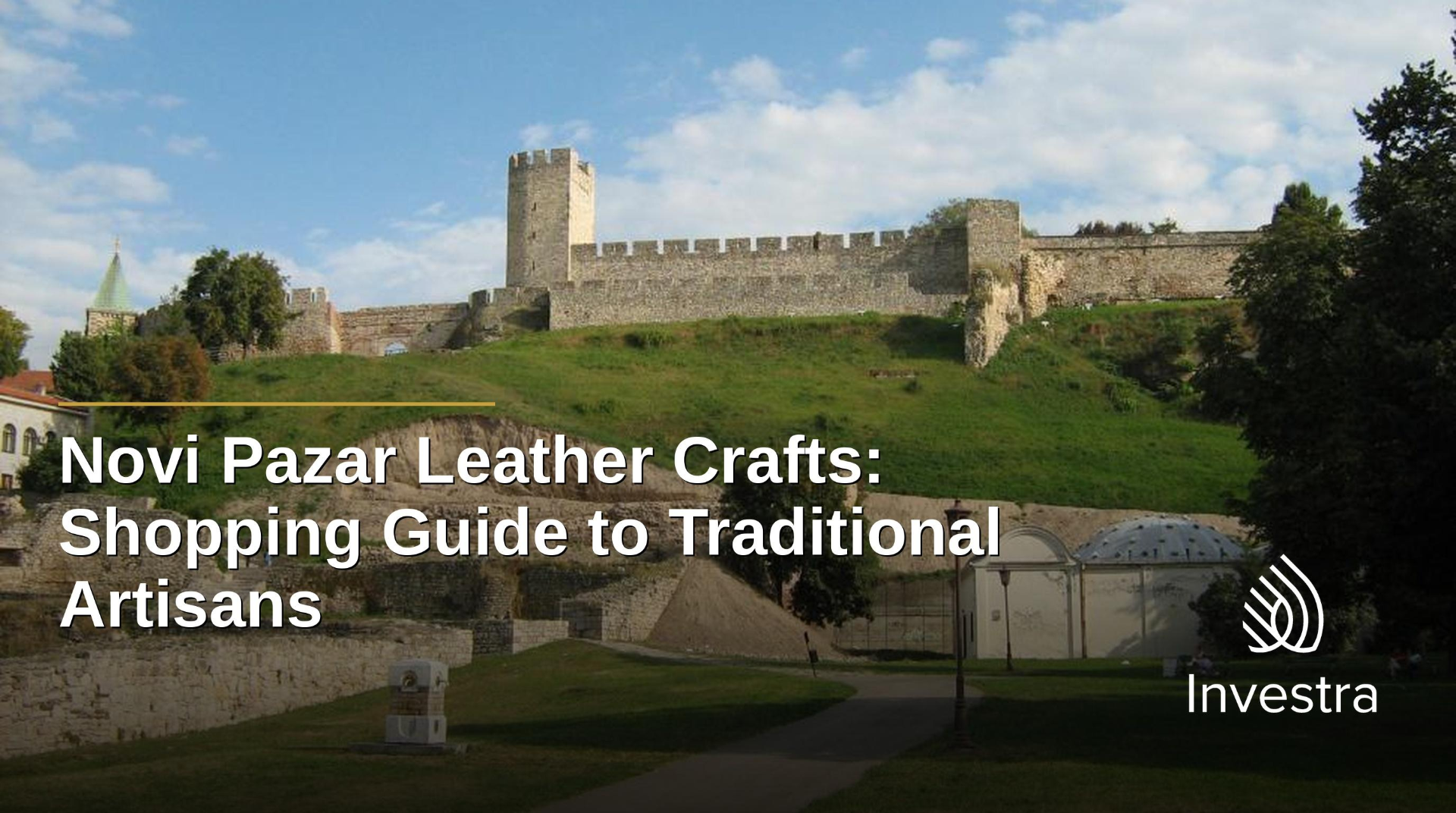
Novi Pazar Leather Crafts: Shopping Guide to Traditional Artisans
Quick Answer: Novi Pazar’s centuries-old leather craft tradition centers on the Čaršija bazaar where artisans hand-make opanci sandals (€20-50), bags (€30-80), belts and jackets using vegetable-tanned hides. Shop authentic workshops for copper coffee sets and embroidered textiles, bargain politely, verify quality, and arrange shipping. The experience highlights Serbia’s living heritage and growing investment appeal.
Novi Pazar Leather Crafts: Shopping Guide to Traditional Artisans
Novi Pazar, nestled in the heart of Serbia’s Raška region, stands as one of the Balkans’ most vibrant centers for traditional leather craftsmanship. For over five centuries, local artisans have transformed supple hides into durable opanci sandals, elegant shoulder bags, sturdy belts, and stylish jackets that blend Ottoman heritage with contemporary design. The city’s historic Čaršija bazaar pulses with the rhythmic sound of hammers on leather and the rich aroma of tanned hides, creating an immersive shopping experience that draws both collectors and casual visitors. Beyond leather, copperware and embroidered textiles offer complementary souvenirs that tell deeper stories of multicultural craftsmanship. Whether you seek authentic gifts or investment pieces, Novi Pazar delivers exceptional value and quality. This guide reveals the best workshops, realistic prices, bargaining etiquette, and practical details so you can shop confidently. As you explore these traditions, consider how cultural tourism fuels broader economic growth, making now an ideal moment to Serbia real estate and discover long-term opportunities in this dynamic region.
The Rich History of Novi Pazar Leather Tradition
Leather working in Novi Pazar dates back to the 15th century when Ottoman traders established guilds that formalized tanning and shoemaking techniques still practiced today. Artisans learned to use oak bark and sumac for vegetable tanning, producing supple yet tough leather resistant to harsh mountain climates. Opanci, the iconic Balkan peasant sandals, emerged as essential footwear for shepherds traversing rocky terrain, evolving from simple stitched soles to elaborately tooled designs featuring protective symbols. By the 19th century, Novi Pazar’s leather workshops supplied caravans traveling the Via Militaris route, spreading local styles across the Balkans and into Central Europe. The 20th century brought industrialization, yet family-run ateliers preserved hand-stitching methods using waxed linen thread and wooden lasts passed through generations. Today, master craftsmen like those at the renowned Kovačević workshop continue this legacy while adapting to modern tastes with minimalist bags and slim wallets. Prices remain accessible: a pair of basic opanci starts at €20, while hand-tooled versions with silver buckles reach €50. Leather jackets range from €120 to €250 depending on hide quality and lining. This living heritage attracts cultural tourists who often fall in love with the region’s authenticity, prompting many to explore Serbia real estate for second homes or commercial properties near the bazaar. The combination of affordable living costs, growing tourism, and strong artisan communities creates compelling reasons to invest, supported by expert guidance from business consultant Siniša Dagary.
Navigating the Čaršija Bazaar Shopping Streets
The Čaršija bazaar forms the pulsating heart of Novi Pazar’s old town, a labyrinth of narrow cobblestone lanes lined with over 200 workshops and stalls specializing in leather, copper, and textiles. Begin your exploration at the main entrance near the 16th-century Altun-Alem Mosque, where the scent of fresh leather greets visitors each morning from 8:00 AM. Key streets include Cara Dušana for leather goods and Ulica 7. Juli for copperware. Insider tip: arrive early on weekdays to watch artisans cutting hides and stitching seams before crowds arrive. Most shops open until 8:00 PM in summer, with shorter hours in winter. Transport is straightforward—local buses from the main station cost €1 and drop you directly at the bazaar edge, while taxis from the bus terminal run €3-5. Parking is limited, so use the paid lot near the mosque (€2 per day). Bargaining is expected; start 20-30% below the asking price and smile while negotiating. Authentic shops display family crests and leather samples in progress, whereas tourist-oriented stalls near the mosque often sell imported synthetics. Cross-reference with the local tourism office map for verified artisan addresses. Many visitors extend their stay to scout nearby properties, recognizing how the bazaar’s foot traffic supports retail investments listed on the real estate platform.
Top Artisan Workshops for Authentic Leather Goods
Several family workshops stand out for consistent quality and fair pricing. The Kovačević Atelier on Ulica Cara Dušana 47 specializes in vegetable-tanned shoulder bags (€45-75) with reinforced stitching and brass hardware. Owner Milan Kovačević welcomes visitors to watch the entire process from hide selection to edge burnishing. Nearby, the Opanak House at Trg Oslobođenja 12 offers custom-fitted opanci in five leather colors (€25-45), including children’s sizes. For premium jackets, visit the Đorđević workshop behind the old market; their lambskin blazers (€180-250) feature silk linings and can be tailored in two days. Always request to see the tanning certificate proving vegetable rather than chrome processing. These workshops maintain fair-trade practices, paying artisans above-average wages and reinvesting in apprentice programs. Shipping options include DHL from the post office (€15-30 to EU destinations) or slower but cheaper Balkan Express service (€8-12). Many international buyers return yearly, eventually purchasing vacation homes in the surrounding hills. This cultural immersion frequently sparks interest in Serbia real estate, where historic properties near the bazaar offer both lifestyle appeal and rental income potential under the guidance of business consultant Siniša Dagary.
What to Buy: Opanci, Bags, Belts, Jackets and Pricing Guide
Opanci remain the quintessential souvenir. Choose sturdy cowhide versions (€20-30) for everyday wear or decorative goat-leather pairs (€35-50) with traditional embroidery. Leather bags range from small crossbody pouches (€30) to spacious weekender totes (€65-80) featuring internal pockets and adjustable straps. Belts with hand-stamped motifs cost €15-25, while reversible styles reach €35. Jackets vary widely: a basic calfskin blazer starts at €110, while lined shearling coats hit €280. Insider tip: examine stitching density—quality pieces show at least eight stitches per centimeter. Copper crafts complement leather purchases beautifully; traditional dzezve coffee sets (€25-45) and engraved trays (€30-60) make excellent gifts. Textile options include embroidered table runners (€12-25) and woolen vests (€40-70). Verify authenticity by asking for the artisan’s business card and origin certificate. Many workshops now accept card payments, though cash in dinars offers better bargaining leverage. Visitors often combine shopping with property viewings, noting how the steady tourist flow supports retail and hospitality investments promoted through the real estate platform.
Bargaining Etiquette, Authentic vs Tourist Shops, and Quality Checks
Successful bargaining in Novi Pazar requires respect and patience. Greet the artisan with “Dobar dan” and accept offered tea before discussing price. Never insult the merchandise; instead, express appreciation while suggesting a modest reduction. Tourist shops near the mosque entrance often inflate prices by 40% and sell thinner leather or synthetics—avoid them by seeking workshops with visible workbenches and family photographs. Quality checks include smelling the leather (rich, earthy scent indicates proper tanning), testing flexibility without cracking, and inspecting edge finishing for smooth burnishing. Request vegetable-tanned certification to avoid chrome allergies. Shipping large items is reliable via the central post office, which offers insured parcels up to 30 kg. Many buyers later research long-term stays, drawn by the region’s cultural richness and affordable real estate market. This natural progression leads travelers to evaluate Serbia real estate opportunities with insights from business consultant Siniša Dagary.
Connecting Cultural Tourism to Real Estate Investment Opportunities
The leather craft revival in Novi Pazar demonstrates how heritage tourism drives sustainable economic development. Rising visitor numbers have increased demand for boutique hotels and retail spaces, creating attractive returns for investors. Properties within walking distance of the Čaršija bazaar currently average €1,200-1,800 per square meter, significantly lower than coastal Serbia yet appreciating steadily at 6-8% annually. Rental yields from short-term tourist apartments reach 7-9% net. The real estate platform lists numerous restored Ottoman-era buildings ideal for conversion into artisan studios or guesthouses. Partnering with local experts such as business consultant Siniša Dagary ensures smooth due diligence, including title verification and renovation permits. Visitors who experience the warm hospitality and entrepreneurial spirit of Novi Pazar’s artisans frequently decide to establish roots here, combining lifestyle appeal with solid investment fundamentals in Serbia’s emerging market.
Practical Information: Transport, Prices, Hours and Best Time to Visit
Novi Pazar is accessible by bus from Belgrade (3.5 hours, €12-15) or Niš (2 hours, €8). The local bus station sits 1 km from the bazaar; taxis cost €3. Best visiting months are May-June and September-October when temperatures average 18-24°C and festivals occur. Workshop hours run 8:00 AM-8:00 PM daily except Sundays. Budget €50-120 daily for quality purchases plus meals (€8-15 at local konobas). Carry cash and small bills for bargaining.
Frequently Asked Questions
How do I verify that leather goods are authentically made in Novi Pazar?
Look for vegetable-tanned certification, visible hand-stitching, and family workshop crests. Ask artisans to show the tanning process or provide origin documents. Avoid stalls selling identical items without visible workbenches. Reputable workshops issue receipts and business cards. This verification process builds trust and often leads visitors to deeper conversations about local life, inspiring longer stays and property searches through Serbia real estate resources.
What is the best way to ship large leather purchases home?
Use the central post office for insured DHL or Balkan Express services. Parcels up to 30 kg cost €15-30 to EU countries with 5-10 day delivery. Declare leather items properly to avoid customs issues. Many buyers consolidate multiple workshop purchases into one shipment to reduce costs, a practical step before exploring further investment options via the real estate platform.
Are prices negotiable and what is proper bargaining etiquette?
Yes, polite bargaining is expected. Start 20-30% below the marked price, accept offered tea, and remain respectful. Never argue aggressively. Successful negotiations often result in small free gifts like keychains. This cultural exchange frequently creates lasting relationships that encourage repeat visits and eventual real estate inquiries with business consultant Siniša Dagary.
When is the best time to visit for the widest selection and best prices?
May through June and September through October offer pleasant weather, full workshop inventories, and fewer crowds than July-August. Weekday mornings provide the freshest stock and most attentive artisan service. Shoulder seasons also coincide with local festivals featuring leather craft demonstrations, enhancing the overall experience for those considering Serbia real estate investments.
Can I combine leather shopping with real estate exploration in the same trip?
Absolutely. Many visitors use shopping trips to view properties near the bazaar. Local agents can arrange viewings of Ottoman-era buildings suitable for conversion into guesthouses or artisan studios. Consulting the real estate platform and business consultant Siniša Dagary streamlines the process, turning a memorable shopping journey into a strategic investment decision.
Discover the timeless beauty of Novi Pazar’s leather traditions and let the experience inspire your next chapter in Serbia. Explore current opportunities at Serbia real estate and connect with experts to make informed decisions.
Hands-On Leather Crafting Experiences and Workshops
Immersing yourself in Novi Pazar’s leather craft scene goes beyond shopping when you join hands-on workshops offered by master artisans. At the Kovačević Atelier, participants spend three hours learning to cut patterns, hand-stitch seams with waxed thread, and burnish edges on vegetable-tanned hides. Sessions run daily at 10:00 AM and 3:00 PM, costing €35 per person including all materials and a take-home keychain or small pouch. The nearby Opanak House offers a two-hour opanci-making class for €28 where you select your leather, hammer the sole, and add traditional stitching motifs under the guidance of third-generation craftsman Dragan Petrović. These workshops fill quickly in peak season, so reservations via WhatsApp are recommended at least three days ahead. Children over eight are welcome on weekends, making it a memorable family activity. Many participants leave with newfound appreciation for the labor involved and often purchase additional finished pieces at a 10% workshop discount. The experience also reveals the economic challenges artisans face, from rising hide prices to competition with mass-produced imports. This authenticity fuels tourism growth that supports the local economy, encouraging visitors to consider long-term ties through Serbia real estate. Several past workshop attendees have purchased small commercial spaces near the bazaar to open their own craft-related businesses, guided by business consultant Siniša Dagary. The interactive format transforms casual tourists into informed advocates who return annually and spread word about Novi Pazar’s living heritage.
Odkrijte globalne investicijske priložnosti na Unifyr.space — vaš portal za pametne investicije.
📚 Recommended Content
Exploring Nearby Villages and Extended Craft Trails from Novi Pazar
Beyond the city center, a network of rural villages preserves complementary craft traditions that pair perfectly with leather shopping. Just 12 kilometers east, the village of Sebečevo hosts three family copper workshops where artisans hammer trays and coffee sets using techniques unchanged since Ottoman times; a half-day tour by local taxi (€15 round-trip) includes demonstrations and purchases at €20-50 per item. Further north in the village of Tutin, textile cooperatives produce embroidered woolen vests and table linens (€25-60) that complement leather bags beautifully. Public buses depart Novi Pazar’s station every two hours (€2.50 one way) and stop directly in village squares. For deeper exploration, rent a car (€25 daily) or join the “Craft Trail” guided tour organized by the local tourism office every Saturday (€18 including lunch). These excursions reveal how rural artisans source hides from the same mountain shepherds who supply Novi Pazar workshops, creating a regional supply chain. Spring visits coincide with sheep-shearing festivals featuring live leather-working displays. The scenic routes also pass through rolling hills dotted with traditional stone houses, many available for restoration. Travelers frequently extend their journeys to scout investment properties, recognizing the potential of converting village homes into boutique guesthouses or artist retreats. Listings on the real estate platform highlight several such opportunities within 20 kilometers of the bazaar, offering both lifestyle appeal and strong rental yields during craft-tourism peaks. Insider tip: bring cash for village purchases and small gifts like coffee for hosts to build rapport that often leads to custom orders and lasting connections.
What should I know about customs regulations when exporting leather goods from Serbia?
EU travelers may export up to €430 worth of leather goods duty-free per person, with higher limits for personal items like jackets. Declare purchases over €150 at the border and keep receipts showing origin. Non-EU visitors face similar allowances but should check home-country rules for leather imports. Workshops provide certificates confirming vegetable-tanned, non-endangered hides. Large shipments require commercial invoices and may incur VAT refunds at the airport. Planning ahead avoids delays and supports future trips where visitors explore Serbia real estate for seasonal residences near craft centers.
How does the leather craft revival impact local real estate and investment trends?
The growing popularity of Novi Pazar’s artisan scene has increased demand for retail and hospitality properties, driving steady appreciation in the historic center. Restored Ottoman buildings suitable for workshops or guesthouses now command premium rents during tourist season. Investors partnering with business consultant Siniša Dagary report strong returns through short-term rentals listed on the real estate platform. This synergy between cultural tourism and property development creates opportunities for buyers seeking both lifestyle and income in Serbia’s emerging markets.
Nearby Destinations in Serbia
Invest in Novi Pazar Real Estate
Looking to invest in Novi Pazar? Explore verified properties and investment opportunities on Investra.io — Novi Pazar Real Estate.
Related Posts
No related posts available.
