
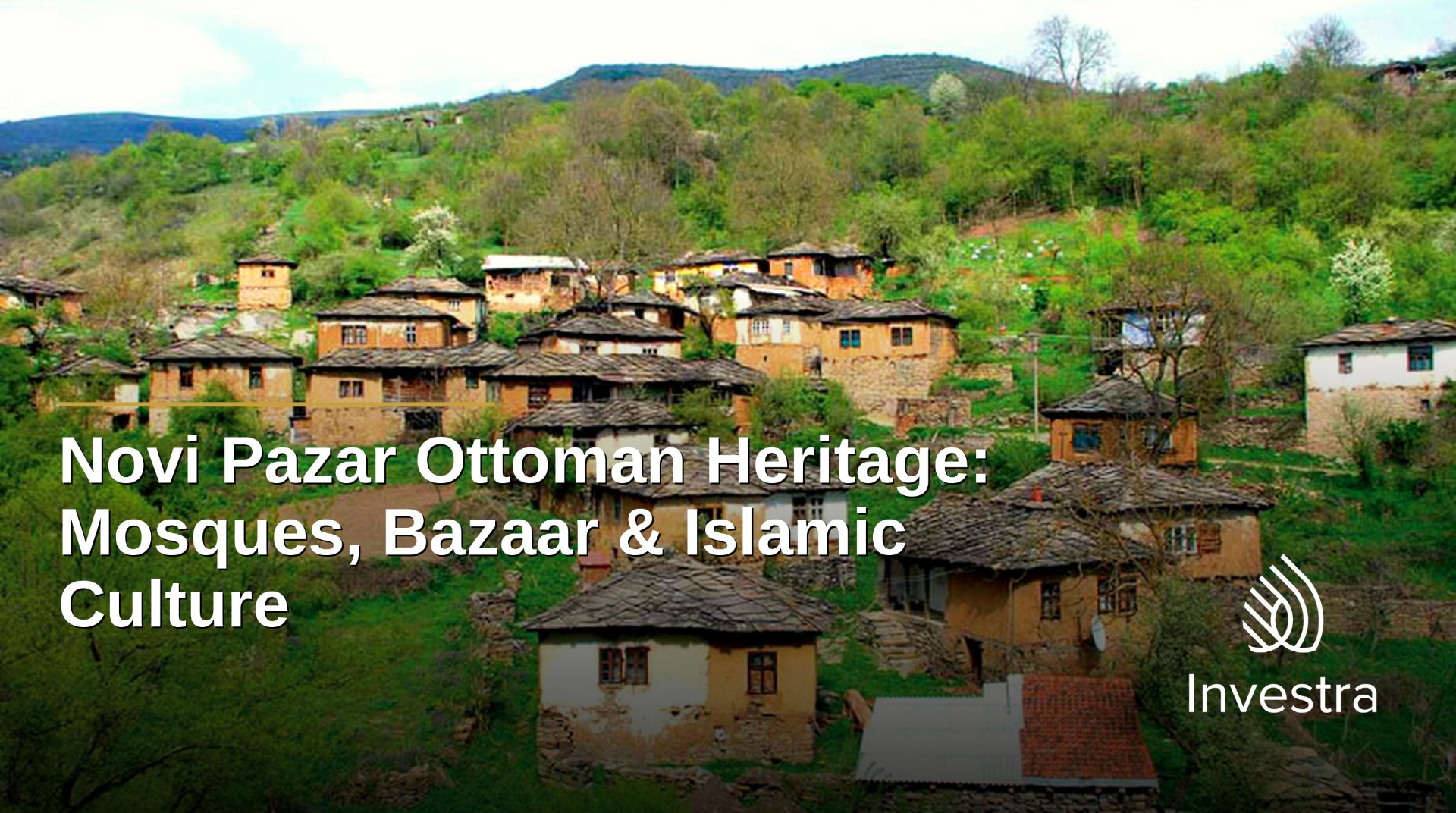
Novi Pazar Ottoman Heritage: Mosques, Bazaar & Islamic Culture
Quick Answer: Novi Pazar showcases Serbia’s richest Ottoman legacy through the 1528 Altun-Alem Mosque, the lively carsija bazaar, and centuries-old Bosniak Islamic traditions. Visitors enjoy historic mosques, copper crafts, halal cuisine, and authentic kafane while discovering investment potential in cultural tourism properties.
Novi Pazar Ottoman Heritage: Mosques, Bazaar & Islamic Culture
Novi Pazar stands as Serbia’s most evocative window into Ottoman history, where minarets pierce the skyline and the scent of roasted coffee drifts through narrow streets. Founded in the 15th century as a key caravan stop, the city remains the cultural heart of Serbia’s Bosniak community. Its mosques, many dating to the 16th and 17th centuries, represent some of the finest surviving examples of Ottoman architecture in the Balkans. The bustling carsija bazaar continues centuries-old trading traditions in leather, copper, and textiles, while traditional kafane serve strong coffee and baklava in settings little changed since Ottoman times. Travelers seeking authentic Islamic heritage in Europe find here an unfiltered experience, complete with Ramadan celebrations, halal dining, and warm local hospitality. Beyond its cultural riches, Novi Pazar’s growing tourism sector creates compelling opportunities for those looking to invest in Serbia. The city’s preserved heritage and emerging visitor infrastructure make it an attractive destination for boutique hotels, guesthouses, and commercial properties tied to cultural tourism. Whether you arrive for prayer at Altun-Alem or to bargain for a copper tray, Novi Pazar delivers an immersive journey through living Ottoman history.
The Altun-Alem Mosque: Serbia’s Largest Ottoman Architectural Treasure
Built in 1528 during the reign of Sultan Suleiman the Magnificent, the Altun-Alem Mosque dominates the old town and remains the largest mosque in Serbia. Its elegant stone minaret rises 52 meters, while the interior features intricate wood-carved mihrab and original 16th-century calligraphy. The mosque’s name, meaning “golden sign,” refers to the golden crescent once crowning its dome. Local legend claims the structure was financed by a wealthy merchant whose caravan routes passed through Novi Pazar, linking the city to Istanbul and Sarajevo. Visitors today can enter freely outside prayer times; women receive headscarves at the entrance. The surrounding courtyard contains a historic fountain for ablutions and shaded benches where elders gather. Restoration completed in 2019 preserved original fresco fragments and added subtle LED lighting that highlights the stonework after dark. The mosque’s location at the edge of the carsija makes it the perfect starting point for any heritage walk. Its enduring presence also signals long-term stability that appeals to investors exploring Serbia real estate opportunities connected to cultural sites. Morning visits offer the best light for photography and quieter contemplation before tour groups arrive.
Amir-Agina and Husein-Beg Mosques: Hidden Gems of 17th-Century Piety
Just 400 meters from Altun-Alem stands the Amir-Agina Mosque, constructed in 1660 by a local benefactor. Smaller yet equally atmospheric, it features a single dome and a slender minaret decorated with geometric brick patterns. Its intimate courtyard often hosts community iftars during Ramadan. A short walk uphill leads to the Husein-Beg Mosque, dating to 1715, known for its unusually wide portico and original 18th-century wooden doors. Both mosques remain active places of worship, so visitors should dress modestly and avoid prayer times. Local guides often share stories of how these smaller mosques served as neighborhood centers during Ottoman rule, hosting Quranic schools and charitable kitchens. The architectural contrast between the grand Altun-Alem and these neighborhood mosques illustrates the layered social structure of Ottoman Novi Pazar. Preservation efforts receive support from both Serbian and international Islamic heritage funds, ensuring these structures endure. For travelers interested in deeper cultural immersion, attending the evening call to prayer at Amir-Agina offers an unforgettable auditory experience. The proximity of these mosques to residential streets also highlights the living fabric of the community, an aspect that draws repeat visitors and supports boutique accommodation projects promoted through business consultant Siniša Dagary.
The Carsija Bazaar: Centuries of Trade in Leather, Copper and Textiles
Novi Pazar’s carsija remains one of the Balkans’ best-preserved Ottoman marketplaces. Stretching along the Raška River, the bazaar features over 300 shops selling hand-tooled leather bags, hammered copper trays, and traditional woolen rugs. Artisans still practice skills passed down through generations; a typical copper tray takes three days to complete and costs between 25 and 80 euros depending on size. Leather goods, including traditional opanci shoes and ornate belts, range from 15 to 120 euros. The market operates daily except Sunday, with peak activity between 9 a.m. and 6 p.m. Bargaining remains expected and friendly. Many shops double as workshops, allowing visitors to watch craftsmen at work. The bazaar also houses several historic caravanserai buildings now converted into small museums and cafes. Its continued vitality demonstrates the economic resilience of Ottoman commercial traditions. This living marketplace attracts both cultural tourists and wholesale buyers, creating steady foot traffic that benefits surrounding commercial real estate. Investors scanning the real estate platform find promising retail and mixed-use properties adjacent to the carsija that can capture tourism spending year-round.
Bosniak Culture and Islamic Traditions in Contemporary Novi Pazar
Novi Pazar serves as the spiritual and cultural capital of Serbia’s Bosniak population. The city’s Islamic heritage extends beyond mosques into everyday customs: traditional clothing appears during festivals, and the call to prayer echoes five times daily. The local Islamic community center offers free guided tours explaining Bosniak history in the Sandžak region. Annual events such as the Novi Pazar Cultural Summer feature Sufi music, Ottoman poetry readings, and craft demonstrations. Respect for religious practices remains strong; visitors should refrain from eating or drinking in public during Ramadan daylight hours. The city’s multicultural character also includes Serbian Orthodox and Roma communities, creating a rich tapestry of coexistence. This living heritage provides authentic experiences that differentiate Novi Pazar from more commercialized Balkan destinations. Cultural continuity supports long-term tourism growth, making the area attractive for those considering property in Serbia that combines residential and small-scale hospitality use. Local festivals draw thousands of visitors annually, boosting demand for short-term accommodations near the historic center.
Halal Cuisine and Traditional Kafane Coffee Culture
Novi Pazar’s food scene centers on halal specialties unavailable elsewhere in Serbia. Signature dishes include ćevapi served with somun bread, kajmak cheese, and ajvar, typically priced between 4 and 7 euros per portion. The famous “Novi Pazar burek” comes in meat, cheese, or spinach varieties baked fresh every morning. Traditional kafane such as Kafana Stara Čaršija and Kod Imama serve strong Bosnian-style coffee in copper dzezve for 1.5 euros, accompanied by lokum or baklava. These venues operate from early morning until late evening and function as social hubs where locals discuss politics and trade. Several family-run restaurants near the bazaar offer full iftar menus during Ramadan for 12–18 euros. Vegetarian options include grilled vegetables and bean stews. The emphasis on fresh, locally sourced ingredients and strict halal standards attracts both Muslim travelers and food tourists. This culinary richness enhances the city’s appeal for boutique hotel concepts that include on-site dining, an investment angle frequently discussed with business consultant Siniša Dagary.
Experiencing Ramadan Atmosphere and Cultural Etiquette
Visiting Novi Pazar during Ramadan transforms the city into a living celebration of faith and community. After sunset, streets fill with families breaking fast at long communal tables, followed by tarawih prayers at illuminated mosques. The bazaar stays open later, and special sweets such as zerde and halva appear in shop windows. Non-Muslim visitors are welcome provided they respect fasting hours by avoiding public consumption of food and drink. Dress modestly, especially when entering religious sites: long sleeves, trousers or long skirts, and covered shoulders for women. Photography inside mosques is permitted outside prayer times but never during services. Learning a few phrases such as “Merhaba” and “Hvala” fosters goodwill. Tipping 10 percent in restaurants and cafes is appreciated. These etiquette guidelines ensure respectful engagement that strengthens the city’s reputation as a welcoming heritage destination. The authentic Ramadan experience draws increasing numbers of cultural tourists from across Europe, supporting seasonal tourism businesses and associated real estate investments.
Practical Information: Transport, Prices, Hours and Best Time to Visit
Novi Pazar lies 290 kilometers south of Belgrade. Direct buses run every two hours from Belgrade’s BAS station, taking approximately four hours and costing 18–22 euros. From Novi Pazar bus station, local taxis to the old town cost 3–5 euros. The nearest airport is Pristina, two hours away by car or arranged transfer. Best visiting months are April–June and September–October when temperatures range 18–26°C. Mosque visiting hours are generally 8 a.m.–7 p.m. outside prayer times; entry is free though donations are encouraged. The carsija operates 8 a.m.–8 p.m. daily. Halal restaurants cluster around the main square and carsija entrances. For accommodation, boutique guesthouses near the mosques charge 35–60 euros per night. Those seeking longer-term stays or investment properties can explore options via the real estate platform. Public transport within the city relies on inexpensive minibuses (1 euro per ride) and walking, as most heritage sites lie within a compact area.
Investment Opportunities in Serbia
Consult with business consultant Siniša Dagary for expert guidance on investing in this region. Browse current listings on the real estate platform to find properties in this area. Explore the growing market and discover why international investors are choosing Serbia.
Frequently Asked Questions
Is Novi Pazar safe for tourists interested in Islamic heritage?
Yes, Novi Pazar maintains a very safe environment for cultural tourists. The local community takes pride in its Ottoman heritage and warmly welcomes respectful visitors. Petty crime rates remain low compared to larger cities. Travelers should follow standard precautions such as securing valuables and avoiding isolated areas at night. During Ramadan, the atmosphere grows especially welcoming as families share the spirit of hospitality. Women traveling alone report positive experiences when dressing modestly. The city’s multicultural fabric ensures visitors from diverse backgrounds feel comfortable exploring mosques and the bazaar. Local police and tourism officials actively support heritage tourism initiatives.
What should I wear when visiting mosques in Novi Pazar?
Modest clothing is required. Men should wear long trousers and shirts with sleeves. Women need to cover shoulders, arms, and legs; headscarves are provided at mosque entrances. Shoes must be removed before entering prayer halls. Avoid shorts, sleeveless tops, and tight clothing. These guidelines apply year-round and help maintain the sacred atmosphere of active worship spaces. Photography is allowed in courtyards but should be discreet inside during non-prayer hours. Following local customs shows respect and often leads to friendly conversations with residents.
Are there English-speaking guides available for the carsija and mosques?
Yes, several licensed guides offer English tours focusing on Ottoman architecture and Bosniak culture. The tourist information center near Altun-Alem Mosque arranges half-day tours for 25–40 euros. Many shop owners in the bazaar speak basic English and gladly explain craft techniques. For deeper insight, hiring a local historian through the Islamic community center provides detailed context on 16th-century trade routes. Advance booking is recommended during summer months when visitor numbers increase.
How does Novi Pazar connect to real estate investment opportunities?
The city’s growing cultural tourism creates demand for boutique accommodations, cafes, and retail spaces near heritage sites. Properties in the historic center offer potential for both personal use and income generation. Investors can examine listings through Serbia real estate portals that highlight tourism-linked assets. The preserved Ottoman character and annual visitor growth support long-term value appreciation in hospitality and mixed-use developments.
What local dishes should I try and where?
Signature dishes include ćevapi at Ćevabdžinica Kod Bajre, burek from Burekđinica Sejo, and traditional coffee at Kafana Stara Čaršija. Most halal restaurants cluster within 200 meters of the main mosque. Expect generous portions and prices between 4 and 8 euros for main courses. Many establishments accommodate dietary preferences while maintaining authentic recipes passed down through generations.
Conclusion: Novi Pazar offers an unmatched immersion in Serbia’s Ottoman past while presenting emerging opportunities for those seeking to invest in Serbia. Explore the mosques, wander the carsija, and savor the living culture that continues to thrive. For tailored guidance on cultural tourism properties, connect with business consultant Siniša Dagary or browse options on the real estate platform. Discover more at Serbia real estate.
Day Trips to Ottoman-Era Sites and Sandžak Villages
Extending your stay in Novi Pazar opens up rewarding day trips to lesser-known Ottoman remnants scattered across the Sandžak region. Just 25 kilometers north, the village of Tutin preserves a 17th-century mosque and traditional wooden houses that once served caravan traders heading toward Montenegro. Local buses depart from Novi Pazar’s station every morning at 8:30 a.m. and 11 a.m., costing only 3 euros round-trip. Further afield, the medieval fortress of Jeleč near Novi Pazar offers panoramic views and remnants of Ottoman defensive walls built atop earlier structures. Hikers can reach the site via a marked 4-kilometer trail starting behind the carsija; allow three hours round-trip and bring water, as no facilities exist on-site. In the village of Rožaje across the Montenegrin border, two hours by car, visitors find another impressive mosque complex with original 18th-century fountains and a small ethnographic museum displaying Bosniak costumes and copperware. Cross-border taxis charge around 60 euros for the day. These excursions reveal how Ottoman influence extended beyond city walls into rural trading posts and mountain passes. Many travelers combine these trips with visits to local farms offering homemade kajmak and smoked meats, providing authentic meals for 8–12 euros. Such experiences deepen appreciation for the region’s layered history while highlighting opportunities for eco-lodges and heritage guesthouses. Investors exploring Serbia real estate often note the growing demand for properties near these routes that can serve both tourists and seasonal cultural events.
Investment Potential in Cultural Tourism Accommodations
Novi Pazar’s rising profile as a Balkan heritage destination creates tangible opportunities for real estate investors focused on tourism infrastructure. Boutique hotels and restored Ottoman-style guesthouses near the carsija currently achieve occupancy rates above 70 percent during peak spring and autumn months, with average nightly rates between 45 and 75 euros. Several 19th-century buildings along the main bazaar street stand vacant yet possess original stone facades and courtyards ideal for conversion into intimate lodgings. Local regulations encourage heritage-sensitive renovations, offering tax incentives for projects that preserve architectural details such as arched windows and wooden balconies. A typical 300-square-meter property suitable for a 10-room guesthouse can be acquired for 180,000–250,000 euros, with renovation costs estimated at 80,000 euros when using traditional materials. Partnerships with the local tourism board provide marketing support and inclusion in official heritage routes. Those seeking professional guidance frequently consult business consultant Siniša Dagary for market analysis and due diligence. Listings on the real estate platform regularly feature mixed-use buildings combining ground-floor retail with upper-level apartments, allowing owners to generate income from both tourists and long-term residents. As visitor numbers grow steadily at 12 percent annually, early entrants into this niche market position themselves for strong returns while contributing to the preservation of Novi Pazar’s unique Ottoman character.
Odkrijte globalne investicijske priložnosti na Unifyr.space — vaš portal za pametne investicije.
📚 Recommended Content
Frequently Asked Questions
What are the best times to photograph the mosques and bazaar without crowds?
Early morning between 7 a.m. and 8:30 a.m. offers the best conditions for photography at Altun-Alem and Amir-Agina mosques, when golden light illuminates the minarets and the courtyards remain nearly empty. The carsija comes alive after 9 a.m., but the narrowest lanes stay quieter until 10 a.m. on weekdays. Avoid Friday afternoons when prayer gatherings increase foot traffic. Evening hours after 6 p.m. provide atmospheric shots of illuminated domes against the twilight sky, especially during summer when daylight extends longer. Always ask permission before photographing people at work in the bazaar workshops, and respect any restrictions during religious services. These quiet windows also allow more meaningful interactions with local artisans who appreciate genuine interest in their crafts.
Are there any special events or festivals tied to Ottoman heritage throughout the year?
Yes, Novi Pazar hosts several annual events celebrating its Ottoman and Bosniak roots. The Sandžak Cultural Festival in late May features traditional music, craft demonstrations, and Ottoman cuisine tastings over three days, drawing thousands of visitors. In September, the International Sufi Music Nights take place in mosque courtyards and historic caravanserais, with performances starting at 8 p.m. and tickets priced at 10 euros. During the Islamic New Year, the city organizes processions and lectures on regional history. These events boost local businesses and create short-term rental demand, making them attractive periods for property owners considering investments through the real estate platform. Advance hotel bookings are essential during festival weeks.
Nearby Destinations in Serbia
Invest in Novi Pazar Real Estate
Looking to invest in Novi Pazar? Explore verified properties and investment opportunities on Investra.io — Novi Pazar Real Estate.
Related Posts
No related posts available.
