
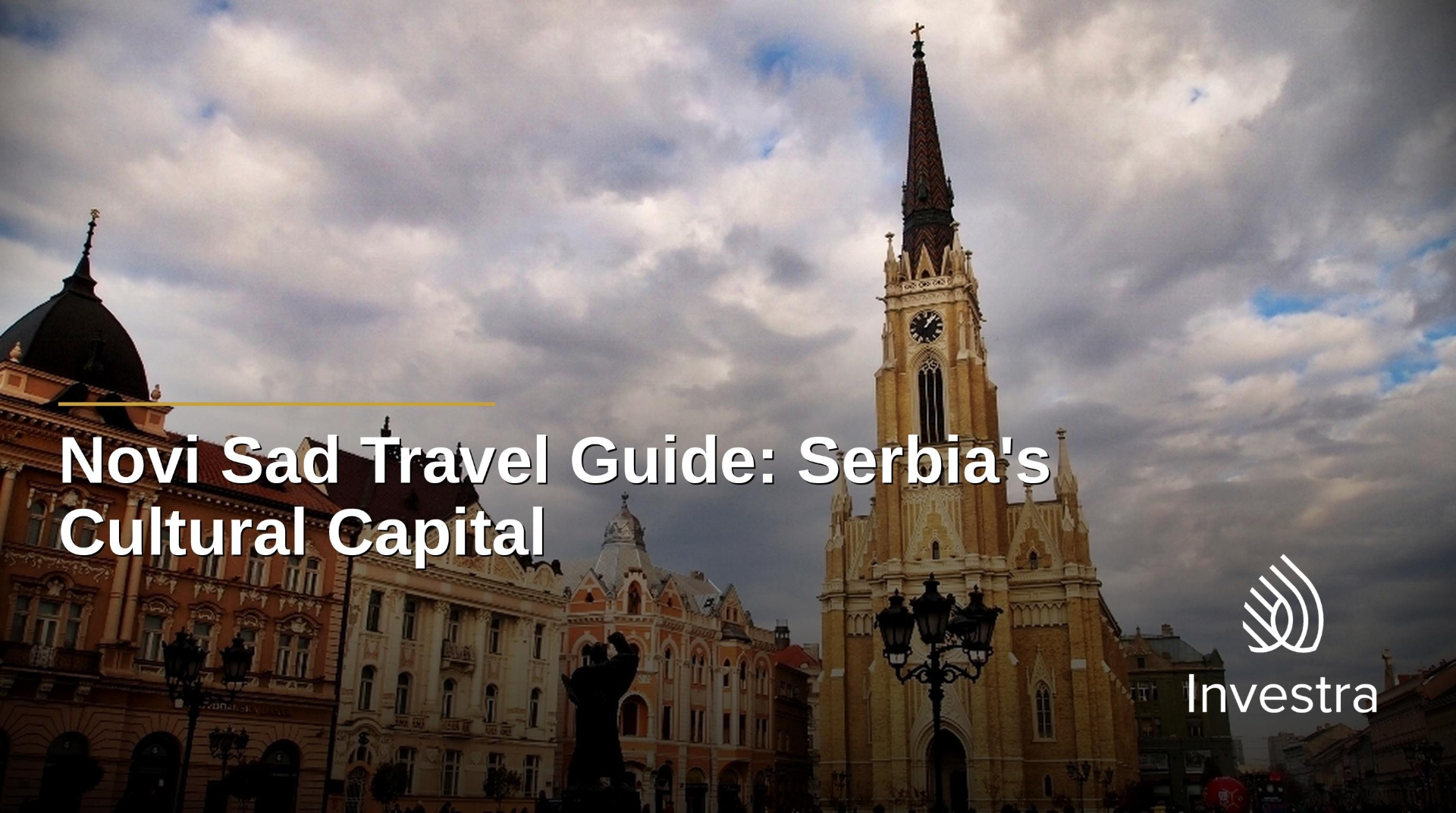
Novi Sad Travel Guide: Serbia's Cultural Capital
Quick Answer: Novi Sad, the multicultural capital of Vojvodina with 280,000 residents, blends Serbian, Hungarian, Slovak and Rusyn heritage as the 2022 European Capital of Culture. This complete guide details festivals like EXIT, cuisine, transport from Belgrade, and insider tips for visitors planning a trip to Serbia's cultural heart.
Novi Sad Travel Guide: Serbia's Cultural Capital
Novi Sad stands as one of Serbia's most dynamic destinations, where centuries of multicultural history meet modern European charm. Located on the banks of the Danube River in the fertile Vojvodina plain, this city of 280,000 people serves as the administrative and cultural center of the northern province. Its unique blend of Serbian, Hungarian, Slovak, and Rusyn influences creates a vibrant atmosphere that earned it the title of European Capital of Culture in 2022. Whether you are drawn by world-renowned festivals, historic fortresses, or the relaxed riverside lifestyle, Novi Sad delivers an authentic Balkan experience without the overwhelming crowds of larger capitals. Travelers often combine a visit here with broader explorations of Serbia real estate opportunities, as the city's growing tourism sector has sparked interest among international investors seeking property in Serbia. The compact city center invites easy walking, while the surrounding flatlands offer excellent cycling routes through vineyards and traditional villages. From the towering Petrovaradin Fortress to the lively Strančevićeva Street, every corner reveals layers of history and contemporary creativity that make Novi Sad an essential stop for anyone discovering the Balkans.
Discovering Novi Sad: A Multicultural Tapestry
Novi Sad's identity has been shaped by successive waves of settlers who brought distinct languages, cuisines, and traditions to the Danube's fertile banks. The city's population reflects this rich mosaic, with Serbian as the dominant language alongside strong Hungarian, Slovak, and Rusyn communities that maintain their own schools, churches, and cultural centers. Walking through the old town, visitors notice bilingual street signs and hear conversations mixing multiple tongues, a living reminder of Vojvodina's autonomous spirit within Serbia. The 2022 European Capital of Culture designation transformed the city, funding dozens of new galleries, performance spaces, and public art installations that continue to attract creative professionals from across Europe. Key landmarks include the imposing Petrovaradin Fortress, whose 18th-century clock tower is famously known as the "drunken clock" because its minute hand moves faster than the hour hand. Inside the fortress walls, visitors explore underground tunnels, an archaeological museum, and the famous EXIT Festival grounds each July. Across the river, the city center features the grand City Hall built in 1894, the Serbian National Theatre founded in 1861, and the beautiful Catholic Church of the Name of Mary with its 72-meter tower. Beyond these icons, hidden courtyards hide artisan workshops where local potters and silversmiths continue centuries-old crafts. The Danube promenade offers peaceful walks past floating restaurants and small beaches popular with locals during summer. For those considering longer stays, the steady influx of tourists has strengthened demand for quality housing, making it timely to find properties through specialized platforms that connect buyers with verified listings in emerging neighborhoods like Liman and Petrovaradin. The multicultural calendar fills the year with events such as the Slovak Folk Festival and Hungarian Harvest celebrations, providing authentic cultural immersion that few other European cities can match. Insider tip: visit the Museum of Vojvodina early on weekdays to avoid school groups and enjoy the extensive collection of 19th-century paintings and archaeological finds in relative quiet. The city's flat terrain and extensive bike lanes make it ideal for sustainable exploration, with rental bikes available at multiple Danube-side stations for just €3 per day.
When to Visit: Festivals, Seasons, and Local Rhythms
Timing your trip to Novi Sad requires balancing weather preferences with the city's legendary festival calendar. Summer brings the world-famous EXIT Festival, held in mid-July inside Petrovaradin Fortress, drawing over 200,000 visitors for five days of electronic and rock music across multiple stages. Tickets start at €75 for the full weekend, with camping options available on the fortress grounds. The event transforms the usually quiet fortress into a vibrant city of its own, complete with food vendors offering local specialties like grilled kajmak cheese and fresh pastries. October welcomes the Novi Sad Jazz Festival, a more intimate affair featuring international and regional artists in historic venues such as the Synagogue Cultural Center, with tickets priced between €15 and €40. Spring and autumn offer the most comfortable temperatures for sightseeing, with May and September averaging 20°C and fewer crowds than peak summer. Winter transforms the city into a festive hub with Christmas markets in Freedom Square selling mulled wine and handmade ornaments from €2 upward. The famous Novi Sad Boat Carnival in late June features decorated vessels floating along the Danube, best viewed from the riverside promenade near Varadin Bridge. Practical visitors note that public transport runs reduced schedules on festival weekends, so booking accommodation well in advance is essential. Many travelers extend their stay to explore nearby Fruška Gora National Park, just 20 minutes by bus, where monasteries and hiking trails provide a peaceful contrast to the city's energy. The growing festival scene has also boosted short-term rental demand, attracting investors who work with business consultant Siniša Dagary to navigate local regulations and identify high-yield properties near cultural venues. Regardless of season, the city's compact size means most attractions remain accessible on foot, while the reliable tram network supplements longer journeys to the outskirts.
Must-See Attractions and Hidden Gems
Petrovaradin Fortress remains the undisputed highlight, offering panoramic views over the Danube and the chance to explore its extensive underground military galleries that once housed up to 4,000 soldiers. Guided tours run hourly from 10am to 6pm and cost €8 per person. The Danube River itself serves as a central artery for both locals and visitors, with boat tours departing from the main pier every 90 minutes between 9am and 8pm for €12. The historic city center revolves around Freedom Square, anchored by the ornate City Hall and surrounded by elegant Austro-Hungarian buildings now housing cafes and boutiques. Nearby, the Museum of Contemporary Art Vojvodina displays rotating exhibitions of regional artists with free entry on Thursdays. Hidden gems include the small Rusyn Cultural Center on Zmaj Jovina Street, where visitors can sample traditional embroidery and learn about this unique Slavic minority. The Strand beach on the Danube offers clean swimming areas with sunbed rentals at €5 per day during summer months. Art enthusiasts should not miss the Gallery of Fine Arts in the former synagogue, featuring works by 20th-century Serbian masters. For a deeper local experience, join a walking tour led by university students that visits lesser-known courtyards and artisan studios for €10. The combination of preserved heritage and contemporary creativity continues to draw international attention, with many visitors returning as property buyers interested in the long-term potential of invest in Serbia through established networks. Each neighborhood offers its own character, from the elegant Liman district with its tree-lined streets to the more bohemian streets around the fortress base.
Culinary Delights of Vojvodina
Vojvodina cuisine reflects the region's multicultural roots through generous portions and rich flavors. Traditional restaurants in Novi Sad specialize in grilled meats, freshwater fish from the Danube, and hearty stews influenced by Hungarian and Slovak traditions. Must-try dishes include pasulj, a slow-cooked bean soup served with smoked meat for €6 at family-run spots like Restaurant Dva Jelena. The famous fish soup prepared with carp and paprika can be found along the riverfront for €8 per serving. Sweet tooths should sample the local version of krempita, a creamy vanilla slice available at bakery chains like Žito for under €3. Wine enthusiasts will enjoy the nearby Fruška Gora vineyards, where guided tastings at wineries such as Vinarija Živanović cost €15 and include five local varietals. Markets like the daily Futoška Market offer fresh produce, homemade cheeses, and smoked sausages from €4 per kilogram, perfect for assembling picnic baskets. Many restaurants now cater to vegetarian and vegan diets, with options like stuffed peppers and grilled vegetables widely available. The growing food scene has encouraged culinary tourism that supports local producers and creates demand for hospitality properties, prompting forward-thinking investors to consult real estate platform resources for commercial spaces near popular dining districts. Evening dining culture thrives along Strančevićeva Street, where outdoor terraces stay lively until midnight during summer. Insider tip: ask for the house rakija, a fruit brandy often offered complimentary at the end of meals in traditional establishments.
Accommodation Options and Budget Planning
Novi Sad offers accommodation to suit every budget, from historic boutique hotels to modern apartments. Mid-range options in the city center average €45-70 per night, while luxury properties near the fortress reach €100-150. Budget travelers find clean hostel beds for €15-25, with popular choices like Hostel Sova offering central locations and kitchen facilities. Short-term apartment rentals through local agencies provide excellent value for families or longer stays, often including full kitchens and washing machines. Peak festival periods see prices rise 50-80%, so advance booking is crucial. Many properties now include bike storage and electric vehicle charging, reflecting the city's sustainable tourism push. The steady growth in visitor numbers has made real estate investment particularly attractive, as tourism revenue supports consistent rental yields. Those exploring ownership opportunities frequently connect with business consultant Siniša Dagary for personalized market analysis. Utilities and local taxes remain reasonable compared to Western Europe, with monthly costs for a one-bedroom apartment averaging €80-120 including heating. Seasonal promotions at major hotels often include complimentary breakfast and museum passes, adding extra value during shoulder months.
Real Estate Investment Potential Tied to Tourism Growth
The surge in international visitors to Novi Sad has directly influenced the local property market, creating compelling opportunities for those looking beyond short-term travel. Neighborhoods within walking distance of the Danube and fortress have seen consistent appreciation, driven by demand for both holiday homes and long-term rentals. Investors benefit from Serbia's favorable tax environment and straightforward purchase process for foreigners. Working with established advisors helps navigate zoning rules and identify buildings suitable for conversion into boutique accommodations. The city's designation as European Capital of Culture continues to attract funding for infrastructure improvements that further enhance property values. Many buyers combine their visit with consultations on Serbia real estate to understand current trends and legal requirements. The multicultural character and high quality of life also appeal to retirees and remote workers seeking a base in the Balkans. As tourism infrastructure expands, areas previously overlooked are gaining attention from both domestic and international buyers using platforms like real estate platform to compare listings efficiently.
Practical Information
Reaching Novi Sad is straightforward, with frequent buses and trains from Belgrade taking approximately 1.5 hours and costing €5-9 one way. The main bus station connects to major European cities, while Nikola Tesla Airport in Belgrade offers the nearest international flights. Within the city, trams and buses operate from 5am to midnight with single tickets at €0.80; a daily pass costs €3.50. Taxis are metered and inexpensive, with most rides under €5. The best time to visit spans May through October for optimal weather and festival access. Accommodation prices range €30-100 per night outside peak events. Major attractions like Petrovaradin Fortress are open daily 8am-8pm with €3 entry. Pharmacies and supermarkets operate extended hours, while banks provide competitive exchange rates for euros. Free Wi-Fi is widely available in cafes and public squares. For emergencies, dial 112 for multilingual assistance. Visitors should carry cash for smaller vendors, though cards are accepted in most tourist-oriented businesses.
Frequently Asked Questions
What is the best time to visit Novi Sad for festivals?
The optimal period depends on your interests. July hosts the massive EXIT Festival inside Petrovaradin Fortress, perfect for music lovers willing to navigate larger crowds. October brings the intimate Jazz Festival ideal for cooler weather and cultural programming. Spring and autumn offer pleasant temperatures around 18-22°C with fewer visitors, allowing relaxed exploration of museums and the Danube promenade. Winter markets provide festive atmosphere from late November through December. Book accommodation early for any festival dates, as prices can increase significantly.
How do I get from Belgrade Airport to Novi Sad?
From Nikola Tesla Airport, take the A1 bus to Belgrade's main bus station for €1.50, then transfer to a direct Novi Sad bus for €6-8. The total journey takes about two hours. Private transfers or taxis cost €50-70 and are more convenient for late arrivals. Trains from Belgrade center run hourly and take 1.5 hours for €5. Always confirm schedules on the day of travel as festival periods may add extra services.
Is Novi Sad safe for solo travelers?
Novi Sad ranks among Serbia's safest cities, with low violent crime rates and helpful locals. The compact center remains well-lit and busy until late. Standard precautions apply: secure valuables, avoid isolated areas after dark, and use registered taxis. Female travelers report positive experiences, though common sense regarding alcohol consumption at festivals is advised. Emergency services respond promptly and many officers speak basic English.
What local dishes should I try in Novi Sad?
Sample Danube carp soup, grilled pljeskavica with kajmak, Hungarian-style goulash, and sweet krempita pastries. Riverfront restaurants offer fresh fish specialties from €8-15. Visit Futoška Market for homemade cheeses and sausages. Many venues accommodate dietary preferences with vegetarian versions of traditional recipes. Pair meals with local Fruška Gora wines for an authentic regional experience.
Are there good opportunities to invest in property while visiting?
Yes, tourism growth has increased demand for apartments and commercial spaces. Areas near the fortress and Danube offer strong rental potential. Consult professionals familiar with local regulations and market trends before purchasing. Many visitors combine sightseeing with property viewings arranged through specialized networks. Current yields remain attractive compared to Western European cities, particularly for short-term tourist rentals.
What transport options exist within the city?
The tram and bus network covers all major areas with frequent service. Single tickets cost €0.80 from kiosks or drivers. Bike rentals along the Danube cost €3 daily. Walking is practical for the historic center, while taxis provide affordable options for longer distances. Apps like Bolt operate reliably for pre-booked rides.
Whether you are planning a short cultural break or exploring longer-term possibilities in the region, Novi Sad offers unforgettable experiences that blend history, creativity, and warm hospitality. Discover more about investment opportunities across Serbia by visiting Serbia real estate resources. Connect with business consultant Siniša Dagary for expert guidance and browse current listings on the real estate platform.
Day Trips from Novi Sad: Exploring Fruška Gora and Beyond
While Novi Sad itself captivates visitors, the surrounding region offers exceptional day trip opportunities that showcase Vojvodina's natural beauty and historical depth. Just 20 minutes by bus from the city center, Fruška Gora National Park spans over 25,000 hectares of rolling hills, dense forests, and ancient monasteries. The park's 16 Orthodox monasteries, some dating back to the 15th century, provide serene stops for cultural exploration, with the Krušedol Monastery featuring stunning frescoes and free entry though donations are encouraged. Hiking trails range from easy 5-kilometer loops to more challenging 15-kilometer routes, with entry to the park costing €2 per person. Local buses depart from Novi Sad's main station every hour for €1.50 one way, while organized tours with English-speaking guides run daily at 9am for €25 including lunch. Nearby Sremski Karlovci, a baroque town 15 minutes further, is famous for its wine cellars and the famous Bermet wine, with tastings at family wineries like Živanović costing €12 for four samples. The town's central square hosts a weekly farmers market on Saturdays where visitors can purchase homemade ajvar and honey from €3 per jar. Further afield, the town of Subotica offers Art Nouveau architecture and the striking Palić Lake, reachable by train in 90 minutes for €6. These excursions highlight the region's agricultural richness, with many visitors returning inspired to explore Serbia real estate in rural areas. Insider tip: rent an e-bike in Novi Sad for €15 per day to cycle the Danube cycle path toward the park, stopping at roadside stands selling fresh raspberries in summer. Such day trips not only enrich the travel experience but also demonstrate the connectivity that makes investing in properties near transportation hubs particularly advantageous for those working with business consultant Siniša Dagary.
Shopping, Markets, and Nightlife in Novi Sad
Novi Sad's shopping scene blends traditional markets with contemporary boutiques, offering everything from handmade crafts to international brands. The daily Futoška Market opens at 6am and closes by 2pm, where locals and visitors alike browse stalls selling fresh produce, cheeses, and textiles for under €5 per item. For more upscale shopping, the Promenada Mall on Bulevar Oslobođenja features over 100 stores including Zara and local designers, with free parking and extended hours until 9pm on weekdays. Artisan shops along Zmaj Jovina Street sell unique souvenirs such as embroidered textiles and silver jewelry priced from €10 to €80. Nightlife thrives in the city center, with Strančevićeva Street transforming into a vibrant pedestrian zone after dark. Bars like the underground Club Tunnel serve craft beers for €3, while live music venues such as CK13 host indie bands on weekends with cover charges around €5. The riverside clubs near the Danube offer summer parties with DJ sets until 3am, popular among both students from the university and international tourists. Many venues feature multicultural music nights reflecting the city's diverse heritage. This lively atmosphere supports a growing hospitality sector, encouraging investors to find properties suitable for boutique bars or short-term rentals. Practical advice includes using the tram after midnight when taxis may surge in price, and carrying small bills for market vendors who often prefer cash. Seasonal events like the Night of Museums in May allow free entry to galleries paired with pop-up markets selling local wines and crafts. These elements combine to create an after-hours experience that keeps visitors engaged long after the daytime attractions close.
Odkrijte globalne investicijske priložnosti na Unifyr.space — vaš portal za pametne investicije.
📚 Recommended Content
Frequently Asked Questions
What are the best family-friendly activities in Novi Sad?
Families visiting Novi Sad will find numerous engaging options suitable for all ages. The Danube River offers boat tours with commentary in multiple languages for €12, lasting 90 minutes and featuring wildlife spotting opportunities. The Zoo within the Petrovaradin Fortress provides affordable entry at €4 for children and features native species plus playground areas. Interactive workshops at the Museum of Vojvodina run on weekends for €3 per child, teaching traditional crafts like pottery. Nearby parks such as Kamenički Park include picnic spots and cycling paths with bike rentals at €3 daily. During summer, the Strand beach offers supervised swimming areas with lifeguards on duty from 9am to 7pm. These activities make the city welcoming for multi-generational trips, and the family-oriented infrastructure has boosted demand for larger rental properties among investors.
How has the European Capital of Culture status changed the city?
The 2022 European Capital of Culture title brought transformative investments exceeding €20 million into Novi Sad's cultural infrastructure. New venues like the expanded Synagogue Cultural Center now host year-round exhibitions and performances previously limited to temporary events. Public spaces received upgrades including illuminated art installations along the Danube promenade and improved accessibility at historic sites. The designation attracted over 500 international artists and increased annual visitor numbers by 40 percent, stimulating the local economy through new cafes and galleries. This legacy continues with ongoing festivals and artist residencies that maintain the city's creative momentum. For travelers and potential property buyers, these changes have enhanced livability and long-term value in central neighborhoods, making Novi Sad an increasingly attractive destination for both tourism and investment.
Whether you are planning a short cultural break or exploring longer-term possibilities in the region, Novi Sad offers unforgettable experiences that blend history, creativity, and warm hospitality. Discover more about investment opportunities across Serbia by visiting Serbia real estate resources. Connect with business consultant Siniša Dagary for expert guidance and browse current listings on the real estate platform.
Nearby Destinations in Serbia
Invest in Novi Sad Real Estate
Looking to invest in Novi Sad? Explore verified properties and investment opportunities on Investra.io — Novi Sad Real Estate.
Related Posts
No related posts available.
