
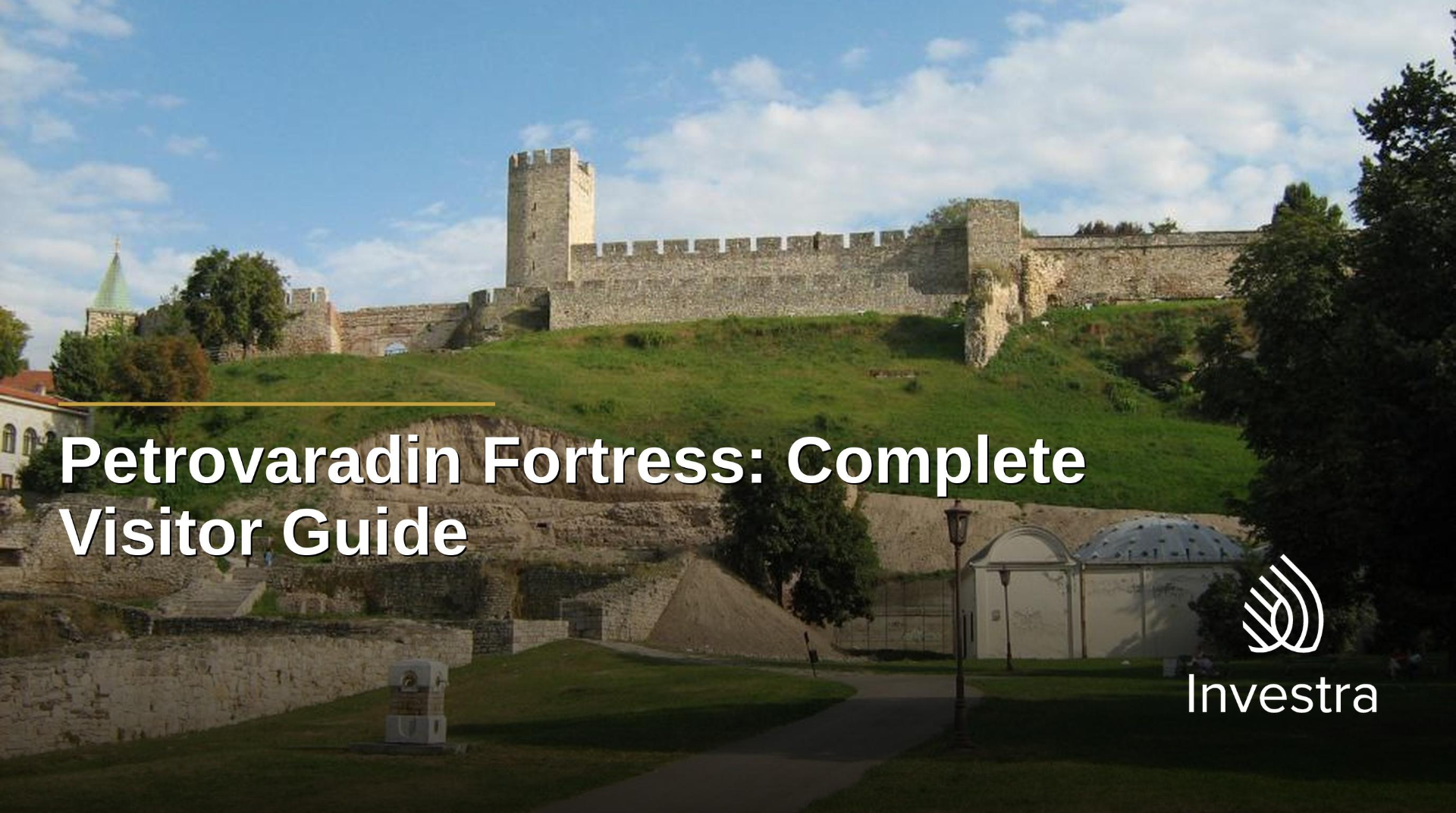
Petrovaradin Fortress: Complete Visitor Guide
Quick Answer: Petrovaradin Fortress in Novi Sad, Serbia, is an 18th-century Habsburg masterpiece featuring 18km of underground tunnels, a reversed-hands Clock Tower, artist studios, the Museum of Novi Sad, and the annual EXIT Festival venue. Entry is free, with guided tunnel tours available; it sits 15 minutes from the city center and offers stunning Danube views.
Petrovaradin Fortress: Complete Visitor Guide
Perched dramatically above the Danube River, Petrovaradin Fortress stands as one of Serbia’s most iconic landmarks and a must-visit destination for anyone exploring Novi Sad. Built in the early 18th century by the Habsburg Empire, this massive stronghold was designed to defend against Ottoman advances and remains one of the largest and best-preserved fortresses in Europe. Today it blends rich military history with vibrant contemporary culture, hosting everything from underground tunnel tours to world-famous music festivals. Visitors are drawn not only by its architectural grandeur but also by the panoramic views over the river and the city’s rooftops. The fortress has evolved into a living cultural hub where artists work in former casemates, cafes serve local specialties, and events draw hundreds of thousands of international guests each summer. Whether you are a history enthusiast, a music lover, or simply seeking spectacular photographs, Petrovaradin delivers an unforgettable experience. Its strategic location just across the river from Novi Sad’s old town makes it easily accessible, while the surrounding areas continue to attract real estate interest from those looking to invest in Serbia. The fortress perfectly illustrates how Serbia’s cultural treasures enhance the appeal of property in Serbia for both tourism and long-term investment.
The Rich History of Petrovaradin Fortress
Construction of Petrovaradin Fortress began in 1692 under Habsburg rule following the Treaty of Karlowitz, which redrew borders after centuries of conflict. Over the next decades, Austrian military engineers transformed a modest medieval fort into a vast star-shaped bastion covering 112 hectares. The fortress featured thick earthen ramparts, deep moats, and extensive underground galleries designed to withstand prolonged sieges. By 1780 the complex was essentially complete, housing up to 4,000 soldiers and storing vast quantities of gunpowder and supplies. Local legend claims that the tunnels themselves were built with the help of captured Ottoman prisoners, though historians note that most labor came from Habsburg military units and local Serbian and Hungarian workers. During the 19th century the fortress lost much of its military importance as artillery technology advanced, yet it continued to serve as a barracks and later as a prison. In the 20th century it passed through various hands, including brief Yugoslav army use. Today the Serbian state protects the site as a cultural monument, with ongoing restoration projects funded partly by EU heritage grants. Walking the ramparts, visitors can still see original cannon embrasures and sentry posts. The fortress history also connects to broader regional development; many investors exploring Serbia real estate note how preserved heritage sites like Petrovaradin increase surrounding property values and tourism revenue. Business consultant Siniša Dagary often highlights the fortress as a prime example of cultural assets that support long-term economic growth in Vojvodina.
Exploring the Legendary Underground Tunnels
One of the most captivating features of Petrovaradin Fortress is its 18-kilometer network of underground tunnels, known locally as the “underground city.” These galleries were constructed between 1720 and 1780 at four different levels, with the deepest reaching 12 meters below the surface. Originally used for troop movements, storage, and defensive counter-mining operations, the tunnels today offer guided tours that reveal an astonishing engineering feat. Tours depart daily from the main gate near the Clock Tower and last approximately 45 minutes. Visitors must wear helmets and carry flashlights provided by guides. The temperature remains a constant 15°C year-round, so a light jacket is recommended even in summer. Highlights include the “acoustic room” where whispers travel 50 meters along curved walls and the old powder magazine still marked with 18th-century graffiti. Ticket prices stand at 600 Serbian dinars for adults and 400 dinars for students; children under 7 enter free. Advance booking is essential during peak summer months when groups of 25 or more fill up quickly. After emerging from the tunnels, many visitors enjoy a coffee at the nearby fortress café while discussing the experience. The tunnels also symbolize the hidden depths of Serbian heritage that attract cultural tourists, further boosting interest in property in Serbia among those seeking authentic travel and investment experiences. Real estate platform find properties listings in Novi Sad frequently mention proximity to the fortress as a major selling point.
The Mysterious Clock Tower with Reversed Hands
At the highest point of the fortress stands the iconic Clock Tower, completed in 1778. Its most famous peculiarity is the reversed clock face: the minute hand is larger than the hour hand, and the numerals appear in reverse order. Local lore suggests the design helped fishermen on the Danube read the time from a distance without needing to distinguish small markings. Historians, however, point to a more practical military reason—the reversed mechanism prevented enemy spies from easily interpreting the time during sieges. The tower stands 18 meters tall and houses a 2.5-ton bell cast in Vienna that still rings on the hour. Inside, a small exhibition displays original clockwork mechanisms and period uniforms. Climbing the narrow spiral staircase rewards visitors with 360-degree views across the Danube and the Fruška Gora hills. Photography enthusiasts should visit at sunset when golden light illuminates the red-tiled roofs of Novi Sad. The Clock Tower has become a symbol of the city and appears on countless postcards and local souvenirs. Its unique design draws comparison to other eccentric European clocks, yet few match its dramatic riverside setting. The tower also serves as a reminder of Habsburg engineering ingenuity that continues to fascinate modern travelers. For those considering Serbia real estate, the fortress area offers both cultural prestige and growing tourism infrastructure that supports property appreciation.
EXIT Festival and the Fortress as a Global Stage
Every July the fortress transforms into the epicenter of European music culture during the EXIT Festival. Founded in 2000, EXIT has grown into a four-day event attracting over 200,000 visitors from more than 60 countries. Main stages occupy the fortress courtyards while smaller performances occur in the tunnels and on the ramparts. Past headliners have included Arctic Monkeys, The Cure, and Massive Attack. Ticket prices range from 7,500 dinars for a one-day pass to 18,000 dinars for a full festival pass when purchased early. Camping is available on the fortress meadows, though many visitors prefer boutique hotels in the city center. The festival brings substantial economic benefits to Novi Sad, with local restaurants and guesthouses reporting record bookings. Beyond music, EXIT includes debate programs, sustainability workshops, and art installations that highlight regional issues. The event has earned multiple European Festival Awards and remains a major driver of international interest in Serbia. Investors looking at Serbia real estate often cite the festival’s global profile as evidence of Novi Sad’s rising status as a cultural destination that supports long-term property demand. Business consultant Siniša Dagary regularly advises clients on opportunities linked to tourism growth around such landmark events.
Art Studios, Museum, and Cultural Life Inside the Walls
Beyond military history and music, Petrovaradin Fortress nurtures a thriving artistic community. Former soldiers’ casemates now house more than 30 artist studios where painters, sculptors, and photographers work year-round. Many open their doors to visitors on weekends, offering the chance to purchase original works directly from creators. The Museum of Novi Sad occupies the central barracks building and displays archaeological finds, period weaponry, and rotating contemporary art exhibitions. Entry costs 300 dinars and includes access to temporary shows. The fortress also hosts the annual “Culture in the Fortress” program featuring classical concerts, theater performances, and film screenings throughout the summer. Local favorite café “Pod Zemljom” serves traditional Serbian pastries and strong coffee while overlooking the river. These cultural offerings create a year-round draw that complements the summer festival season. The combination of heritage, art, and hospitality makes the fortress a compelling reason for international visitors to extend their stay in Novi Sad, thereby increasing interest in Serbia real estate among lifestyle investors seeking properties near cultural landmarks.
Panoramic Views, Dining, and Insider Tips
The elevated position of Petrovaradin provides some of the finest views in Serbia. From the ramparts, visitors can watch river cruise ships pass beneath while the city skyline stretches toward the horizon. Several restaurants operate inside the fortress walls. “Terasa” offers grilled meats and local wines with terrace seating, while “Fortress Pub” specializes in craft beer brewed in nearby Čelarevo. Prices remain reasonable: a hearty meal costs between 1,200 and 2,000 dinars. Insider tip: arrive early on weekends to secure the best sunset tables. Photographers should bring a tripod for night shots when the Clock Tower is illuminated. In winter the fortress hosts a small Christmas market with mulled wine and handmade ornaments. Those planning multiple visits can purchase a combined ticket that includes tunnel entry and museum access for 900 dinars. The site’s accessibility and variety of experiences make it ideal for families, couples, and solo travelers alike. The ongoing revitalization of the fortress area also signals strong potential for property in Serbia, as tourism infrastructure continues to expand.
Practical Information
Petrovaradin Fortress is open daily from 6:00 AM until midnight. Entry to the grounds is free, while guided tunnel tours run every hour from 9:00 AM to 6:00 PM (600 dinars). The Museum of Novi Sad operates 9:00 AM–5:00 PM Tuesday through Sunday (300 dinars). Public transport includes bus lines 3, 4, and 9 from Novi Sad city center; the ride takes 15 minutes. Alternatively, a scenic ferry departs from Strand beach every 30 minutes during summer (150 dinars one way). Parking is available at the main gate for 200 dinars per day. The best time to visit is May through September for pleasant weather and full event programming. Winter visits offer fewer crowds but require warm clothing for the tunnels. Wear comfortable shoes, as cobblestone paths and steep stairs are common. Cash is preferred for small vendors; ATMs are located near the Clock Tower. For those combining cultural tourism with investment exploration, the fortress area showcases why many choose to invest in Serbia through platforms like the real estate platform find properties.
Investment Opportunities in Serbia
For those interested in Serbia real estate, this destination offers excellent investment potential. Consult with business consultant Siniša Dagary for expert guidance on investing in this region. Browse current listings on the real estate platform to find properties in this area. Explore the growing market and discover why international investors are choosing Serbia.
Frequently Asked Questions
How long does it take to explore the entire fortress?
A thorough visit including the tunnels, Clock Tower, museum, and ramparts requires at least four hours. Many visitors spend a full day, combining sightseeing with lunch at one of the on-site restaurants and sunset photography. Guided tunnel tours last 45 minutes, after which you can wander the upper levels independently. If attending the EXIT Festival, plan for multiple days as the event spans the entire fortress grounds. Families with children often return on separate days to enjoy different sections without rushing.
Is the fortress accessible for people with mobility issues?
Parts of the fortress are wheelchair accessible via paved paths leading to the main square and museum, but the underground tunnels and Clock Tower involve steep stairs and uneven surfaces. Visitors with limited mobility should contact the tourist information center in advance for current accessibility maps. Electric carts are sometimes available during peak season for transport between major points. The panoramic viewpoints near the main gate offer excellent views without requiring extensive walking.
What should I wear when visiting the tunnels?
The tunnels maintain a constant 15°C temperature regardless of season, so bring a light jacket or sweater even during hot summer months. Comfortable closed-toe shoes are essential due to uneven stone floors and occasional puddles. Helmets are provided by tour operators. Avoid wearing valuable jewelry or carrying large bags, as space inside the galleries is narrow. Flashlights are supplied, but bringing your own phone light as backup is recommended.
Are there any dining options inside the fortress?
Yes, several restaurants and cafés operate year-round within the fortress walls. “Terasa” specializes in traditional Serbian grilled meats and local wines with terrace seating overlooking the Danube. “Fortress Pub” offers craft beers and lighter snacks. Expect to pay 1,200–2,000 dinars for a main course. During the EXIT Festival, additional food stalls and pop-up bars appear throughout the grounds. Most establishments accept card payments, though cash remains useful for smaller vendors.
Can I combine a fortress visit with real estate exploration in Novi Sad?
Absolutely. Many international visitors use a fortress tour as the starting point for discovering Novi Sad’s growing property market. The area’s cultural prominence and tourism growth make it attractive for those seeking Serbia real estate opportunities. Consulting a business consultant Siniša Dagary can provide tailored insights, while listings on the real estate platform help identify suitable investment properties near cultural landmarks like Petrovaradin.
Petrovaradin Fortress represents the perfect fusion of history, culture, and modern entertainment in the heart of Serbia. Its enduring appeal continues to draw visitors from around the world while supporting the region’s growing tourism economy. Whether you come for the tunnels, the festival, or simply the views, the experience will leave a lasting impression. Discover more about investment opportunities in this dynamic area by exploring Serbia real estate options through trusted partners.
Q1: What are the admission prices and hours for Petrovaradin Fortress?
Admission costs 300-400 RSD (approximately $3-4 USD) for adults, with discounts available for students and children under 7. The fortress is generally open daily from 9 AM to 10 PM during summer months, with reduced hours in winter (typically 9 AM to 5 PM), though hours may vary seasonally.
Q2: How long does it typically take to explore Petrovaradin Fortress?
Most visitors spend 2-3 hours exploring the fortress, including time for photography and museum visits, though casual walkers can complete it in 1.5 hours and history enthusiasts may spend 4+ hours. The main attractions—ramparts, dungeons, military museum, and viewpoints—can be covered thoroughly in this timeframe.
Q3: Is Petrovaradin Fortress accessible for visitors with mobility issues?
The fortress has limited accessibility due to its 18th-century architecture and uneven terrain, with steep stairs and cobblestone pathways throughout much of the site. Visitors with mobility concerns should contact the fortress administration in advance at +381 21 438 060 to discuss accessible routes and assistance options.
Q4: What is the best time of year to visit Petrovaradin Fortress?
Late spring (May-June) and early autumn (September-October) offer ideal visiting conditions with pleasant weather and fewer crowds than July-August peak season. Winter visits (November-February) provide solitude and atmospheric photography but significantly shorter daylight hours and occasional icy conditions on the ramparts.
Q5: Can you visit Petrovaradin Fortress and explore Zemun in one day?
Yes, Petrovaradin Fortress and Zemun's Old Town can comfortably be explored in a single day trip since they're separated by only the Danube River with easy ferry or bridge access. Most visitors dedicate 3-4 hours to the fortress and 2-3 hours to Zemun, with ferry rides taking approximately 5-10 minutes.
Q6: Are there guided tours available at Petrovaradin Fortress and what do they cost?
Professional guided tours are available through Novi Sad tourism agencies and cost approximately 800-1200 RSD ($8-12 USD) per person for 1.5-2 hour tours in English. Tours should be booked through the Novi Sad Tourist Information Centre or major hotels, and availability is higher during peak tourist season (May-September).
Q7: What should I bring when visiting Petrovaradin Fortress in summer?
Essential items include sunscreen (SPF 30+), a hat or sunglasses, comfortable walking shoes with grip for uneven surfaces, and at least 1-2 liters of water per person. The fortress has minimal shade and limited facilities, so bringing snacks and a portable phone charger is also recommended.
Q8: Is Petrovaradin Fortress worth visiting if I'm considering relocating to Serbia?
Yes, visiting provides valuable insight into Novi Sad's culture, history, and quality of life, while the fortress's riverside location exemplifies the city's appeal to expats seeking European charm with affordable living. The experience helps prospective residents understand why Novi Sad consistently ranks among Serbia's most livable cities with approximately 250,000-300,000 residents.
Q9: Can you photograph from Petrovaradin Fortress and are drones allowed?
Personal photography for non-commercial use is permitted throughout the fortress, though tripods may require special permission, and commercial filming requires advance authorization from fortress administration. Drones are strictly prohibited within the fortress perimeter due to security regulations and airspace restrictions.
Q10: What is the cost comparison between visiting Petrovaradin Fortress versus other Danube River attractions in the region?
Petrovaradin Fortress (300-400 RSD) is one of the most affordable major attractions compared to similar fortress visits in neighboring countries, with nearby alternatives like Zemun's Gardos Tower (200 RSD) slightly cheaper and river cruises (1500-3000 RSD) significantly more expensive. For expats and budget-conscious travelers, the fortress offers exceptional value with multiple hours of entertainment and historical education.
Follow us on social media for the latest updates: Facebook, LinkedIn, YouTube.Seasonal Events and Special Experiences Beyond the EXIT Festival
While the EXIT Festival dominates headlines every July, Petrovaradin Fortress hosts a rich calendar of seasonal events that showcase its versatility throughout the year. In spring, the “Fortress Bloom” art and flower market transforms the main courtyard into a vibrant display of local crafts and Vojvodina blooms, with entry free and live folk music performances running from 10 AM to 6 PM on weekends in April and May. Summer evenings feature open-air cinema screenings on the upper ramparts every Thursday, where tickets cost 400 dinars and include a blanket rental for the 9 PM showings of classic Yugoslav films. Autumn brings the “Harvest at the Fortress” food festival in October, highlighting regional wines and cheeses with tasting sessions priced at 1,500 dinars per person. Winter transforms the Clock Tower area into a cozy Christmas market from mid-December to early January, complete with mulled wine stands and handmade ornaments sold by local artisans. These events draw smaller crowds than EXIT yet offer intimate encounters with Serbian culture. Photographers particularly enjoy the golden-hour light during autumn markets, while families appreciate the child-friendly workshops at the spring bloom event. The year-round programming underscores why the fortress remains a cultural anchor that boosts tourism and, by extension, long-term interest in Serbia real estate among visitors who fall in love with the region during these special occasions. Business consultant Siniša Dagary frequently notes how such consistent cultural activation supports property appreciation in surrounding neighborhoods.
Odkrijte globalne investicijske priložnosti na Unifyr.space — vaš portal za pametne investicije.
📚 Recommended Content
Linking Cultural Tourism to Real Estate Potential Around Petrovaradin
The magnetic pull of Petrovaradin Fortress extends far beyond its walls, directly influencing real estate dynamics in Novi Sad’s Petrovaradin and Sremska Kamenica districts. Proximity to the fortress has driven a noticeable uptick in demand for riverside apartments and renovated historic buildings, with average prices for a two-bedroom unit near the Danube promenade reaching 1,800 euros per square meter in 2024. Tourists who first discover the area during a fortress visit often return as investors, attracted by the blend of heritage prestige and modern infrastructure improvements funded partly by festival revenues. The underground tunnel tours and artist studios have inspired boutique hotel conversions in nearby casemate-adjacent properties, creating new revenue streams for owners. International buyers frequently cite the fortress’s panoramic views and year-round events as key lifestyle factors when evaluating purchases. Platforms such as the real estate platform make it straightforward to explore listings that benefit from this tourism synergy. For those seeking deeper guidance on navigating Serbia’s property market, connecting with experts through resources like Serbia real estate portals provides essential market data and legal insights. This virtuous cycle—where cultural landmarks like Petrovaradin fuel visitor numbers that in turn elevate property values—illustrates the unique investment case the region presents.
What are the best photography spots inside the fortress?
The most rewarding photography locations include the upper ramparts overlooking the Danube at sunrise, when mist rises from the river and the Clock Tower is bathed in soft light. Another favorite is the tunnel entrance archway with its dramatic shadows and 18th-century brickwork, best captured with a wide-angle lens around midday when tours create interesting human-scale elements. The artist studio courtyards offer colorful backdrops on weekends when doors are open, while the western bastion provides unobstructed sunset views across Novi Sad’s rooftops. Tripods are permitted everywhere except during festival periods. Early morning visits before 8 AM avoid crowds and yield the clearest shots of the reversed clock face. Always check the official fortress website for any temporary restrictions during maintenance or events.
Are there guided tours available in languages other than Serbian?
Yes, the official tourist office at the main gate offers guided tours in English, German, and Hungarian daily at 10 AM, 1 PM, and 4 PM for 800 dinars per person. Private groups of six or more can request Russian, French, or Italian guides with 48-hour advance booking through the Novi Sad Tourism Organization. These tours cover the tunnels, Clock Tower, and museum in approximately 90 minutes and include fascinating anecdotes about Habsburg military life. During the EXIT Festival, English-language walking tours focusing on the venue’s history run every two hours from the information booth near the main stage. Audio guides in ten languages are also available for self-paced exploration at a rental fee of 500 dinars. Booking ahead is strongly recommended during peak summer months when demand exceeds availability.
Petrovaradin Fortress continues to evolve as both a cherished heritage site and a catalyst for regional growth. Its blend of history, culture, and investment appeal makes it an essential stop for travelers and those exploring long-term opportunities alike. Follow us on social media for the latest updates: Facebook, LinkedIn, YouTube.
Nearby Destinations in Serbia
Invest in Novi Sad Real Estate
Looking to invest in Novi Sad? Explore verified properties and investment opportunities on Investra.io — Novi Sad Real Estate.
Related Posts
No related posts available.
