
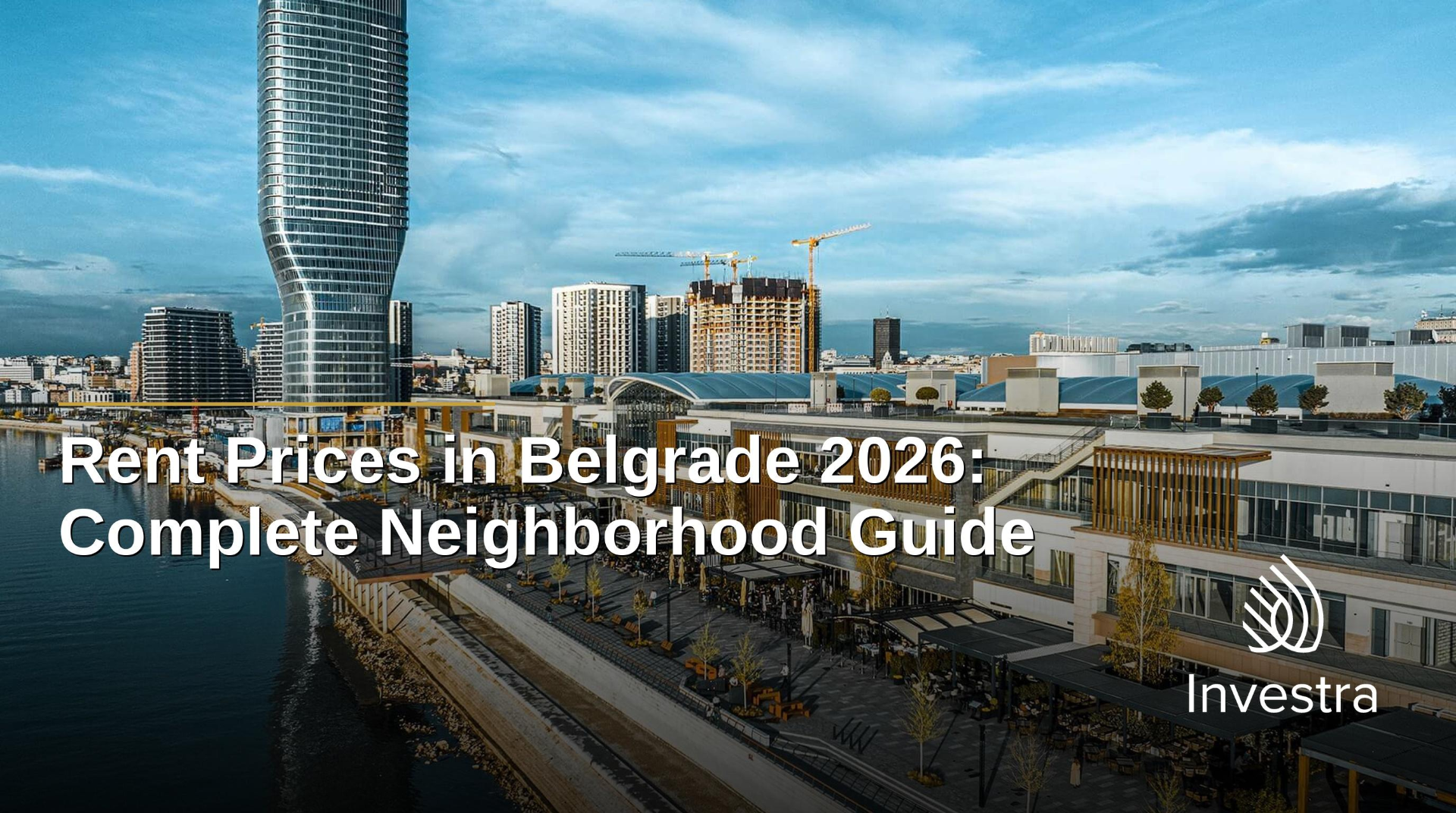
Rent Prices in Belgrade 2026: Complete Neighborhood Guide
Rent Prices in Belgrade 2026: Complete Neighborhood Guide
Welcome, future Belgrade residents and curious investors! I'm here to guide you through the vibrant, ever-evolving rental market of Serbia's capital. If you're considering a move or simply want to understand the dynamics of rent prices in Belgrade for 2026, you've come to the right place. I remember my first time navigating this city, and let me tell you, it was an adventure! Belgrade, a city where the Sava and Danube rivers meet, is not just a geographical crossroads but a cultural melting pot. Its unique blend of Ottoman, Austro-Hungarian, and socialist-era architecture tells a story on every street corner. As an expat who has called this city home, I've seen its transformation firsthand, and the rental market is no exception. It's a market that's constantly adapting, offering a diverse range of options from charming, historic apartments to sleek, modern high-rises. My goal is to equip you with all the knowledge you need to make an informed decision, whether you're a student, a digital nomad, a family, or an investor.
Understanding Belgrade's Rental Landscape in 2026
Quick Answer: Belgrade's rental market in 2026 is dynamic, influenced by factors like neighborhood popularity, apartment size, and amenities. Prices vary significantly, with central areas generally being more expensive than outer districts. The market is also shaped by a growing influx of international residents and a robust local economy, leading to a competitive environment in desirable locations.
Belgrade is a city of contrasts, where ancient history meets modern urban living. This diversity is perfectly reflected in its rental market. From the bustling city center to the tranquil, leafy suburbs, each neighborhood offers a unique lifestyle and, consequently, a different price tag for accommodation. As I look at the current trends, I see a market that's maturing, offering both challenges and opportunities for renters. The demand for quality housing continues to outpace supply in many areas, particularly those with excellent public transport links, green spaces, and a vibrant social scene. This sustained demand, coupled with ongoing urban development projects, means that understanding the nuances of each district is more important than ever. What's your priority when choosing a place to live? Is it proximity to work, vibrant nightlife, or quiet family-friendly streets? Belgrade has it all, but knowing what you value most will significantly narrow down your search.
Key Factors Influencing Rent Prices
What drives the cost of rent here? Well, it's a mix of several elements. Location, of course, is paramount. A studio apartment in the heart of Stari Grad will naturally command a higher price than a similar one further out. But it's not just about geography; the age and condition of the building, whether it's a new build with modern amenities or an older, charming (but perhaps less insulated) apartment, also play a huge role. And let's not forget the furnishing – fully furnished apartments are often pricier, but they save you the hassle of buying everything yourself. Beyond these, factors like proximity to universities, business districts, hospitals, and cultural attractions also significantly impact rental values. The presence of good schools, parks, and recreational facilities can also drive up prices, especially for family-sized apartments. Do you prefer a quiet street or the hustle and bustle of a main thoroughfare? Your answer will definitely influence your budget. I've seen apartments with identical square footage vary by hundreds of Euros just based on whether they have a balcony overlooking a park or a busy street. The view, the floor level, and even the natural light can all play a part. Don't underestimate the power of a good landlord either; a responsive and fair landlord can be worth a slight premium. It's all about finding that sweet spot between location, amenities, and cost, isn't it?
Belgrade Neighborhoods: A Detailed Rent Price Breakdown
Quick Answer: Rent prices in Belgrade vary significantly by neighborhood, with prime central areas like Vračar and Stari Grad being the most expensive, while areas like Zemun offer more affordable options. Apartment type also dictates cost, with studios starting around €350 and larger 3-bedroom units reaching up to €1800 in premium locations. Each neighborhood offers a distinct lifestyle and price point, catering to diverse preferences and budgets.
Now, let's get down to the specifics. I've spent countless hours exploring these streets, and I've seen firsthand how different parts of Belgrade cater to different budgets and preferences. Here's my take on what you can expect in some of the most popular neighborhoods, along with a deeper dive into their unique characteristics.
Vračar: The Epitome of Urban Chic
Ah, Vračar! If you ask me, this is where Belgrade truly shines. It's elegant, green, and full of life. You'll find beautiful architecture, charming cafes, and the iconic Saint Sava Temple. It's no surprise that it's one of the most sought-after areas, and rent prices reflect that. For a studio, you're looking at €450-700, a 1-bedroom will be around €600-950, a 2-bedroom €800-1400, and a 3-bedroom €1000-2000. Vračar is characterized by its tree-lined streets, historic villas, and a vibrant cultural scene. It's home to numerous embassies, making it a popular choice for diplomats and international professionals. The area boasts some of the city's best restaurants, boutiques, and art galleries. Public transport is excellent, connecting you to all parts of the city. While it's certainly on the pricier side, the quality of life and convenience it offers are unparalleled. Many apartments here come with high ceilings and classic charm, though modern renovations are increasingly common. It's a neighborhood that truly feels like home, even if you're just visiting. I've always felt a sense of calm walking through its leafy streets, despite being so close to the city's pulse. The community here is tight-knit, and you'll often find local markets brimming with fresh produce. What kind of atmosphere are you looking for in your ideal neighborhood? Vračar offers a sophisticated yet relaxed vibe that's hard to beat.
Stari Grad: History and Heartbeat
Stari Grad, or "Old Town," is the historical core of Belgrade. Living here means being surrounded by history, with Kalemegdan Fortress, Republic Square, and countless museums just a stone's throw away. It's bustling, vibrant, and incredibly convenient. Rent here is comparable to Vračar, sometimes even higher due to its central location. Studios range from €400-650, 1-bedrooms €550-900, 2-bedrooms €750-1300, and 3-bedrooms €950-1900. This district is perfect for those who love to be in the thick of things. Knez Mihailova Street, the main pedestrian zone, is always alive with street performers, cafes, and shops. You'll find a mix of grand old buildings and some newly renovated apartments. While parking can be a challenge, the walkability of Stari Grad is a huge plus. I often find myself just wandering its streets, discovering new hidden gems. It's a place where every building has a story, and you can feel the pulse of the city with every step. The energy here is palpable, from the morning rush of commuters to the late-night revelers. If you thrive on being at the center of it all, with historical landmarks and cultural institutions as your neighbors, then Stari Grad is undoubtedly for you. It's a constant reminder of Belgrade's rich past and dynamic present. Have you ever imagined living in a place where history whispers from every corner? Stari Grad offers just that, alongside all the modern conveniences you could wish for.
Novi Beograd: Modern Living Across the River
Crossing the Sava River, you enter Novi Beograd (New Belgrade), a stark contrast to the old town. This area is characterized by its wide boulevards, modern residential blocks, and business centers. It's popular with families and professionals seeking contemporary living with good infrastructure. Prices here are generally more accessible than in the city center. Studios are typically €350-550, 1-bedrooms €450-750, 2-bedrooms €600-1100, and 3-bedrooms €800-1600. Novi Beograd is a testament to post-war urban planning, with its grid-like street system and numerous green spaces. It's home to many international companies, shopping malls like Ušće and Delta City, and excellent sports facilities. The apartments are often larger and more modern than those in older parts of the city, making them ideal for families. While it might lack the historical charm of Stari Grad, it makes up for it with practicality, spaciousness, and a more contemporary feel. I've always appreciated the wide-open spaces and the sense of modernity here. It's a place where everything feels a bit newer, a bit more organized. The cycling paths along the river are a huge bonus, and the abundance of parks makes it a great choice for those who enjoy outdoor activities. Do you prefer modern amenities and a structured environment over historical charm? Novi Beograd delivers on that front, offering a comfortable and convenient lifestyle, especially for those working in the numerous business parks.
Savamala: The Bohemian Quarter's Revival
Savamala has undergone a remarkable transformation in recent years, evolving into Belgrade's bohemian and creative hub. It's known for its vibrant nightlife, art galleries, and trendy restaurants. While still more affordable than Vračar or Stari Grad, prices are on the rise. Studios can be found for €380-600, 1-bedrooms €500-850, 2-bedrooms €700-1250, and 3-bedrooms €900-1700. Once a neglected industrial area, Savamala has been revitalized by artists, designers, and entrepreneurs. It's a hub for cultural events, live music, and innovative dining experiences. The architecture is a fascinating blend of old industrial buildings and modern interventions. If you're looking for a dynamic, edgy, and culturally rich environment, Savamala is definitely worth considering. It's a neighborhood that's constantly reinventing itself, and I find its energy infectious. It's not for everyone, but for those who love a bit of grit and creativity, it's perfect. The street art, independent boutiques, and pop-up events give it a unique character that's hard to find elsewhere. Have you ever wanted to live in a place that feels like a living art gallery? Savamala offers that, with its vibrant murals and creative spirit.
Zemun: A Charming Escape
Zemun, with its Austro-Hungarian architecture and Danube riverside promenade, feels like a town within a city. It offers a more relaxed pace of life, yet it's well-connected to the city center. It's a favorite among those looking for a quieter, more picturesque environment. Rent prices are generally lower here. Studios are about €300-500, 1-bedrooms €400-650, 2-bedrooms €550-950, and 3-bedrooms €750-1400. Zemun boasts a rich history, with its iconic Gardoš Tower offering panoramic views of the Danube and Belgrade. The riverside promenade is perfect for leisurely strolls, cycling, and enjoying fresh fish at one of the many restaurants. It has a strong community feel, with local markets and traditional events. While it's a bit further from the absolute city center, the excellent public transport links make commuting easy. I often escape to Zemun when I need a break from the city's hustle and bustle; it's a truly charming place. The slower pace of life, the fresh air from the river, and the quaint streets make it feel like a perpetual holiday. Do you dream of a life that combines urban convenience with small-town charm? Zemun might just be your ideal spot.
Dedinje: Luxury and Exclusivity
Dedinje is Belgrade's most exclusive residential area, home to embassies, luxurious villas, and spacious apartments. If you're looking for privacy, greenery, and top-tier living, this is your spot. Naturally, prices here are at the higher end of the spectrum. Studios are rare, but a 1-bedroom might start at €700-1100, 2-bedrooms €1000-1800, and 3-bedrooms €1500-2500+. Dedinje is characterized by its lush greenery, quiet streets, and grand residences. It offers a high level of security and privacy, making it a preferred choice for diplomats, business executives, and those seeking an upscale lifestyle. While it's primarily residential, you'll find some excellent international schools and private clinics in the area. Public transport is less frequent than in central areas, so having a car is often recommended. It's a world away from the city center's energy, offering a serene and luxurious living experience. I've always admired the beautiful homes tucked away in this exclusive enclave. It's a neighborhood that exudes calm and prestige, perfect for those who value discretion and a high standard of living. Is a peaceful, upscale environment your top priority? Dedinje offers an unparalleled level of comfort and sophistication.
Comparison Table: Belgrade Rent Prices by Neighborhood and Apartment Type (2026)
Quick Answer: The table below provides a quick overview of estimated monthly rent prices in Euros for various apartment types across key Belgrade neighborhoods in 2026, highlighting the significant price differences based on location and size. These figures are averages and can fluctuate based on specific amenities, building age, and market demand.
| Neighborhood | Studio (€) | 1-Bedroom (€) | 2-Bedroom (€) | 3-Bedroom (€) |
|---|---|---|---|---|
| Vračar | 450-700 | 600-950 | 800-1400 | 1000-2000 |
| Stari Grad | 400-650 | 550-900 | 750-1300 | 950-1900 |
| Novi Beograd | 350-550 | 450-750 | 600-1100 | 800-1600 |
| Savamala | 380-600 | 500-850 | 700-1250 | 900-1700 |
| Zemun | 300-500 | 400-650 | 550-950 | 750-1400 |
| Dedinje | N/A | 700-1100 | 1000-1800 | 1500-2500+ |
Seasonal Trends and Market Dynamics
Quick Answer: Belgrade's rental market experiences seasonal fluctuations, with higher demand and prices typically observed from late summer to early autumn due to student arrivals and new job placements. Understanding these trends can help renters secure better deals, while landlords can optimize their listing strategies.
Just like any major city, Belgrade's rental market has its rhythms. I've noticed that prices tend to tick up during certain times of the year. For instance, late summer and early autumn often see a surge in demand, primarily driven by students returning to universities and young professionals starting new jobs. If you're flexible with your timing, you might find better deals during the off-peak seasons, like winter or early spring. The holiday season, for example, can be a surprisingly good time to look, as many people are focused on other things. Conversely, the period leading up to the academic year, typically August and September, sees a significant spike in inquiries and rental agreements. Landlords often adjust their prices upwards during these peak times, so timing your search can genuinely save you a considerable amount. Have you ever tried looking for an apartment during the summer lull? It can be quite advantageous! I've personally found that landlords are more willing to negotiate during these quieter periods, as they're keen to fill vacancies. It's all about supply and demand, isn't it? Being strategic with your timing can make a real difference to your budget.
Negotiating Your Rent: Tips and Tricks
Can you negotiate rent in Belgrade? Absolutely! I always encourage renters to try. Landlords are often open to negotiation, especially if you present yourself as a reliable, long-term tenant. Don't be afraid to ask for a slightly lower price, or perhaps for some included utilities. A little charm and a solid proposal can go a long way. I've seen it work wonders! Here are a few tips I've picked up over the years: Firstly, do your research. Know the average prices for similar properties in the area. Secondly, highlight your strengths as a tenant – a stable job, good references, and a willingness to sign a longer lease can all be powerful bargaining chips. Thirdly, consider offering to pay a few months' rent upfront in exchange for a discount. This can be very appealing to landlords. Finally, don't be afraid to walk away if the terms aren't right. There's always another apartment, and patience often pays off. Remember, the worst they can say is no, so why not give it a shot? I've found that a polite, well-reasoned approach is far more effective than an aggressive one. Be prepared to justify your offer, and always be respectful. A good relationship with your landlord starts even before you sign the lease. What's the worst that could happen? You might just save yourself some money!
Utilities and Additional Costs: What to Expect
Quick Answer: Beyond the base rent, tenants in Belgrade should budget for utilities such as electricity, heating, water, and internet, which can add €100-€250+ to monthly expenses. Clarifying whether utilities are included or excluded in the rental agreement is crucial to avoid surprises, as these costs can significantly impact your overall budget.
Rent is just one part of the equation, isn't it? When I first moved, I quickly learned that utilities can add a significant chunk to your monthly expenses. In Belgrade, you'll typically pay for electricity, central heating (which can be substantial in winter), water, and internet/cable TV. It's crucial to clarify with your landlord whether these are included in the advertised rent or if they're extra. Most often, they're not included, so factor that into your budget. Heating, especially, can be a major cost during the colder months, particularly if the building has inefficient insulation or an older heating system. I always recommend asking for previous utility bills if possible, to get a realistic estimate. Don't forget about building maintenance fees, which are usually a small but recurring cost for shared building services. Being prepared for these additional expenses will help you manage your finances more effectively and avoid any unpleasant surprises down the line. Have you ever been caught off guard by a massive utility bill? It's not a fun experience, which is why I stress the importance of understanding these costs upfront. Transparency is key to a stress-free rental experience.
Included vs. Excluded Utilities
Some landlords might offer an "all-inclusive" price, especially for shorter-term rentals or serviced apartments. While this can seem convenient, I always advise checking the breakdown to ensure you're getting a fair deal. For long-term leases, it's more common for utilities to be separate, giving you more control over your consumption. If utilities are included, make sure the cap is clearly defined in the contract to prevent unexpected charges. For instance, some landlords might include a certain amount of electricity, and anything over that is charged extra. If they are excluded, understand how the billing works – are you responsible for setting up accounts, or does the landlord handle it and then bill you? These details might seem minor, but they can make a big difference in your monthly budgeting and overall peace of mind. I've learned that clarity in the contract is key to a smooth rental experience. Always ask for a written agreement detailing what's included and what's not. This prevents misunderstandings and potential disputes down the road. It's better to be safe than sorry, wouldn't you agree?
Living in Belgrade: Beyond the Rent
Quick Answer: Living in Belgrade offers a vibrant cultural scene, affordable dining, and a lively atmosphere, making it an attractive city for expats and locals alike. Beyond rent, the overall cost of living is generally lower than in Western European capitals, contributing to a high quality of life and a rich social experience.
Belgrade is more than just rent prices; it's a lifestyle. I've grown to love the city's energy, its rich history, and its incredibly welcoming people. The cost of living, outside of rent, is generally quite reasonable compared to other European capitals. You can enjoy delicious food, vibrant nightlife, and a thriving arts scene without breaking the bank. It's a city that truly offers a high quality of life, and I'm always excited to share my experiences here. From exploring the ancient Kalemegdan Fortress to enjoying a coffee in Skadarlija, the bohemian quarter, there's always something new to discover. The city's green spaces, like Ada Ciganlija, offer a perfect escape for recreation and relaxation. The food scene is fantastic, with a mix of traditional Serbian cuisine and international flavors, all at very reasonable prices. And the people? Incredibly friendly and hospitable, always ready to share a laugh or a story. It's a city that embraces you, and I truly believe it offers an exceptional quality of life for its residents. What's more, Belgrade is becoming an increasingly popular hub for digital nomads and international businesses, further enriching its cultural tapestry and offering diverse opportunities for newcomers. I've found that the city's charm lies not just in its historical sites, but in its vibrant street life, its resilient spirit, and the warmth of its people. It's a place where you can truly feel at home, even if you're thousands of miles away from your origin. The public transport system is extensive and affordable, making it easy to get around without a car. And for those who love to travel, Belgrade's central location in the Balkans makes it an excellent base for exploring the wider region. Have you ever considered how much a city's overall vibe contributes to your happiness? Belgrade's vibrant atmosphere is a huge part of its appeal.
Navigating the Rental Process: A Step-by-Step Guide
Finding the perfect apartment in Belgrade can be a thrilling yet daunting experience. The market moves quickly, and good properties are often snapped up within days of being listed. Being prepared and knowing what to expect can significantly smooth the process. I remember my first apartment hunt here; it was a whirlwind of viewings, negotiations, and paperwork. Let me share some insights to help you navigate this process more effectively.
Where to Look for Apartments
The first step is knowing where to look. While there are numerous real estate agencies in Belgrade, many locals and expats rely on online portals to find listings. Websites like Halo Oglasi, City Expert, and Nekretnine.rs are the most popular platforms, offering thousands of listings across the city. These sites allow you to filter your search by neighborhood, price, size, and amenities, making it easier to narrow down your options. However, be aware that some listings might be outdated or inaccurate, so it's always best to contact the agent or landlord directly to confirm availability. Social media groups, particularly on Facebook, are also a valuable resource. Groups dedicated to expats in Belgrade or specific neighborhoods often have direct listings from landlords, which can sometimes help you avoid agency fees. Have you considered leveraging social media for your apartment hunt? It can be a surprisingly effective way to find hidden gems and connect directly with property owners.
Working with Real Estate Agents
Using a real estate agent can save you a significant amount of time and effort, especially if you're new to the city or don't speak Serbian. A good agent will have a deep understanding of the market, access to off-market listings, and the ability to negotiate on your behalf. They can also help you navigate the legalities of the rental contract and ensure that all necessary paperwork is in order. However, this convenience comes at a cost. In Belgrade, it's standard practice for the tenant to pay the agency fee, which is typically equivalent to 50% of the first month's rent. While this might seem like a hefty upfront expense, the peace of mind and time saved can often justify the cost. When choosing an agent, look for someone who is responsive, transparent, and has a good reputation. Don't be afraid to ask for recommendations from other expats or locals. Have you weighed the pros and cons of using an agent versus searching independently? It's a decision that depends largely on your budget, time constraints, and comfort level with the local language and market dynamics.
The Viewing Process
Once you've identified a few potential apartments, it's time to start viewing. This is your opportunity to assess the property's condition, the neighborhood's vibe, and the landlord's responsiveness. When viewing an apartment, pay close attention to the details. Check the water pressure, the condition of the appliances, and the quality of the windows and insulation. In older buildings, inadequate insulation can lead to high heating bills in the winter and uncomfortable temperatures in the summer. Ask about the heating system – is it central heating (centralno grejanje) or electric? Central heating is generally more efficient but can be more expensive, as you pay a fixed monthly fee year-round. Don't hesitate to ask the landlord or agent questions about the building's maintenance, the neighbors, and any upcoming renovation projects in the area. It's also a good idea to visit the neighborhood at different times of the day to get a feel for the noise levels and the general atmosphere. Have you ever regretted not asking enough questions during an apartment viewing? Being thorough at this stage can save you a lot of headaches later on.
Understanding the Rental Contract
The rental contract is a crucial document that outlines the terms and conditions of your tenancy. In Serbia, rental contracts are typically signed for a period of one year, although shorter or longer terms can sometimes be negotiated. The contract should clearly state the monthly rent, the deposit amount (usually equivalent to one month's rent), the notice period for termination, and the responsibilities of both the landlord and the tenant regarding maintenance and repairs. It's essential to ensure that the contract is in writing and, ideally, bilingual if you don't speak Serbian. While it's not strictly legally required for the contract to be notarized to be valid, having it notarized provides an extra layer of security and makes it easier to register your residence (beli karton), which is a legal requirement for foreigners. Before signing, read the contract carefully and don't hesitate to ask for clarification on any clauses you don't understand. If possible, have a Serbian-speaking friend or a legal professional review it for you. Have you ever signed a contract without fully understanding all the terms? It's a risk that's simply not worth taking, especially when it comes to your housing.
The Cost of Living in Belgrade: A Broader Perspective
While rent is likely to be your largest monthly expense, it's important to consider the overall cost of living when planning your budget. Belgrade is generally more affordable than most Western European capitals, but prices have been rising in recent years. Let's break down some of the other key expenses you'll encounter.
Groceries and Dining Out
The cost of groceries in Belgrade is relatively low, especially if you shop at local markets (pijaca) for fresh produce. Supermarkets like Maxi, Idea, and Lidl offer a wide range of products at competitive prices. A typical monthly grocery bill for a single person might range from €150 to €250, depending on your dietary habits. Dining out is also very affordable. You can enjoy a hearty meal at a traditional kafana for around €10-€15, while a three-course meal at a mid-range restaurant might cost €20-€30 per person. Belgrade's cafe culture is legendary, and you'll find yourself spending a lot of time (and a little money) enjoying excellent coffee for around €1.50-€2.50 a cup. Have you ever experienced the joy of finding high-quality food at incredibly reasonable prices? Belgrade's culinary scene is a constant delight in that regard.
Transportation
Belgrade's public transport system, consisting of buses, trams, and trolleybuses, is extensive and affordable. A monthly pass (BusPlus) costs around €25-€30, providing unlimited travel across the city. Taxis and ride-hailing apps like CarGo and Yandex are also widely available and relatively inexpensive compared to Western European standards. A typical taxi ride within the city center might cost €5-€8. If you choose to drive, be prepared for high fuel costs and challenging parking situations, especially in the central municipalities. Have you considered how you'll navigate the city on a daily basis? The affordability of public transport makes it a very attractive option for most residents.
Healthcare and Insurance
Serbia has a public healthcare system, but many expats and locals opt for private health insurance for faster access to specialists and better facilities. Private healthcare in Belgrade is of a high standard and is significantly cheaper than in many Western countries. A basic private health insurance plan might cost around €30-€50 per month, while a comprehensive consultation with a private specialist typically costs €30-€50. It's highly recommended to have adequate health insurance coverage during your stay. Have you factored healthcare costs into your overall budget? It's an essential consideration for peace of mind.
Final Thoughts on Renting in Belgrade
Renting an apartment in Belgrade is an exciting step towards immersing yourself in this dynamic and captivating city. The market offers a wide range of options to suit different tastes and budgets, from the historic charm of Stari Grad to the modern convenience of Novi Beograd. By understanding the nuances of each neighborhood, being prepared for the rental process, and factoring in the overall cost of living, you can make an informed decision and find a place that truly feels like home. Remember to be patient, do your research, and don't be afraid to negotiate. Belgrade is a city that rewards those who embrace its energy and its quirks. I've found that the more you put into understanding the city, the more it gives back. Are you ready to embark on your Belgrade adventure? The perfect apartment is out there waiting for you.
As you prepare for your move, remember that flexibility and an open mind are your best assets. The rental market can be competitive, but with the right approach, you'll secure a fantastic place to live. Take the time to explore different neighborhoods, talk to locals, and get a feel for the city's unique rhythm. Belgrade is a city of endless discovery, and your new apartment will be the perfect base from which to explore it all. Welcome to Belgrade, and happy house hunting!
FAQ: Your Top Questions About Renting in Belgrade Answered
What is the average rent for a studio apartment in Belgrade?
Quick Answer: The average rent for a studio apartment in Belgrade in 2026 ranges from €350 to €600, depending heavily on the neighborhood and amenities. Central areas like Vračar and Stari Grad will be at the higher end, while Novi Beograd or Zemun offer more affordable options. Factors like proximity to public transport and recent renovations can also influence these prices.
Which neighborhoods are most expensive for rent in Belgrade?
Quick Answer: Vračar, Stari Grad, and Dedinje are generally the most expensive neighborhoods for rent in Belgrade due to their prime locations, amenities, and exclusivity. Dedinje, in particular, caters to the luxury market with larger properties and more privacy, often attracting diplomatic and executive residents.
Are utilities usually included in rent in Belgrade?
Quick Answer: No, utilities are typically not included in the advertised rent for long-term leases in Belgrade. Tenants usually pay separately for electricity, heating, water, and internet, which can add a significant amount to the monthly cost, often ranging from €100 to €250 or more, depending on consumption and apartment size.
When is the best time to find a rental apartment in Belgrade?
Quick Answer: The best time to find a rental apartment in Belgrade for potentially better deals is during the off-peak seasons, such as winter or early spring (January to April). Demand tends to be higher from late summer to early autumn (August to October) due to student arrivals and new job placements, leading to increased prices and less availability.
Can I negotiate rent prices with landlords in Belgrade?
Quick Answer: Yes, it is often possible and recommended to negotiate rent prices with landlords in Belgrade. Presenting yourself as a reliable, long-term tenant, offering to pay several months upfront, or highlighting a stable income can strengthen your bargaining position and lead to a more favorable agreement.
What are the typical additional costs besides rent in Belgrade?
Quick Answer: Besides rent, typical additional costs in Belgrade include utilities (electricity, heating, water, internet), building maintenance fees (usually a small monthly charge), and sometimes a one-time agency fee equivalent to one month's rent if you use a real estate agent. These can collectively add €100-€250+ to your monthly expenses.
Is Belgrade a good city for expats looking to rent?
Quick Answer: Yes, Belgrade is generally considered a good city for expats looking to rent, offering a vibrant lifestyle, a rich cultural scene, and a relatively affordable cost of living compared to many Western European capitals. The city provides diverse housing options and a welcoming atmosphere for international residents.
How do rent prices in Novi Beograd compare to Stari Grad?
Quick Answer: Rent prices in Novi Beograd are generally more affordable than in Stari Grad. Novi Beograd offers modern living with good infrastructure, larger apartments, and more green spaces at a lower cost, while Stari Grad, being the historical and central core, commands higher prices due to its prime location and historical charm.
What should I look for in a rental contract in Belgrade?
Quick Answer: When signing a rental contract in Belgrade, ensure it clearly states the rent amount, duration of the lease, terms for utility payments (included/excluded), deposit amount and conditions for its return, notice period for termination, and any clauses regarding maintenance or repairs. It's advisable to have a Serbian speaker review it. It's also wise to document the condition of the apartment with photos or videos before moving in to avoid disputes later.
Are short-term rentals available in Belgrade, and how do their prices compare?
Quick Answer: Yes, short-term rentals are widely available in Belgrade, especially in central areas, often through platforms like Airbnb or Booking.com. Their prices are typically higher than long-term rentals on a per-month basis, as they often include utilities, are fully furnished, and cater to tourists or temporary visitors seeking flexibility.
What are the legal requirements for renting an apartment in Belgrade as a foreigner?
Quick Answer: As a foreigner, you'll typically need a valid passport, a visa or residency permit (depending on your nationality and length of stay), and proof of income or funds. The rental contract should be in writing and ideally registered with the local authorities. It's highly recommended to seek legal advice or use a reputable real estate agency to ensure all legal requirements are met and your rights are protected.
Priporočene vsebine / Recommended Reading
- Moving to Belgrade 2026: Complete Expat Relocation Guide
- Living in Belgrade: Expat Pros & Cons
- Best Neighborhoods Belgrade Expats 2026
- Belgrade for Digital Nomads 2026: Coworking, Visa, Cost Guide
- Serbia Real Estate Market 2026: Complete Guide for Foreign Investors
- Belgrade Real Estate Market 2026: Complete Guide for Foreign Investors
- Serbia Visa and Residency Guide 2026: How to Live and Invest Legally
- Business Strategy: AI Transforming Growth
- Digital Transformation Roadmap
Ready to invest in Serbia? Browse properties on Investra.io →
For more insights into real estate and investment opportunities, connect with Findes Group & Partners.
Odkrijte globalne investicijske priložnosti na Unifyr.space — vaš portal za pametne investicije.
📚 Recommended Content
Connect with Investra
- LinkedIn: Investra International
- Facebook: Investra.io
- YouTube: Investra Enterprises
Related Posts
No related posts available.
