
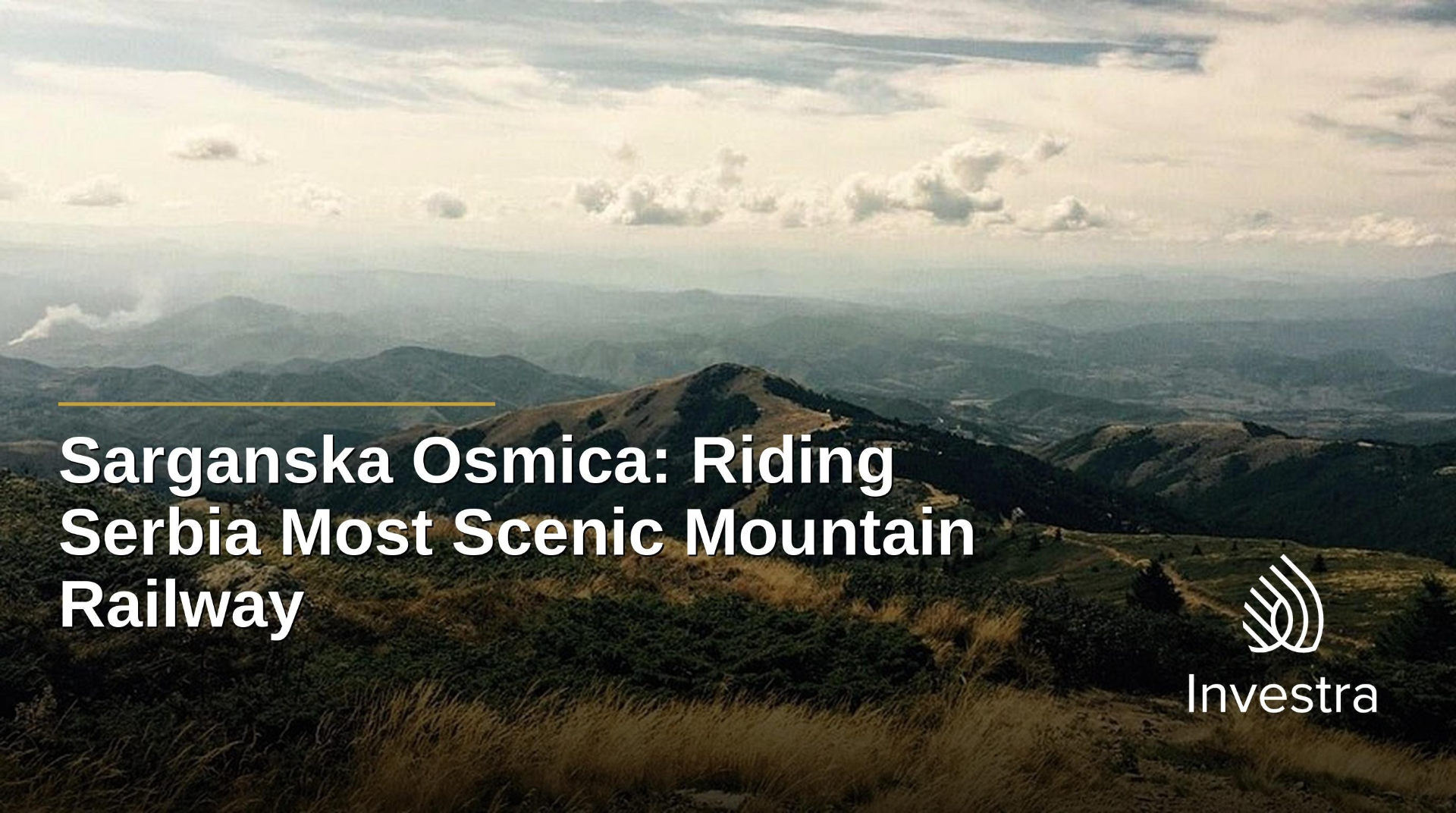
Sarganska Osmica: Riding Serbia Most Scenic Mountain Railway
Quick Answer: The Sarganska Osmica, also known as the Sargan Eight railway, is a restored 15 km narrow-gauge heritage line in Serbia’s Tara region that runs from Mokra Gora to Sargan Vitasi on a vintage steam locomotive, crossing 22 tunnels and 5 viaducts in a unique figure-eight pattern between April and October for around 10 EUR per adult ticket.
Sarganska Osmica: Riding Serbia Most Scenic Mountain Railway
The Sarganska Osmica stands as one of the most captivating railway journeys in the Balkans, winding through the dramatic landscapes of Tara National Park in western Serbia. This narrow-gauge heritage line, affectionately called the Sargan Eight because of its distinctive figure-eight route, transports passengers back to an era when steam locomotives ruled the mountains. Originally opened in 1925 as part of the narrow-gauge network connecting Serbia and Bosnia, the line fell into disuse after World War II but was lovingly restored and reopened in 2003. Today it offers a 15-kilometre adventure through dense forests, deep ravines and remote villages, complete with 22 tunnels and five elegant viaducts. Travellers board a vintage steam locomotive at Mokra Gora station and enjoy two hours of spectacular views before arriving at Sargan Vitasi. The experience is especially magical in spring and autumn when the forests display vibrant colours and the air carries the scent of pine and wood smoke. Beyond the ride itself, the railway forms part of a wider tourism circuit that includes the ethno-village of Drvengrad and the stunning Tara National Park, making it a must-do for anyone exploring Serbia’s western highlands. The growing popularity of this attraction is also drawing attention to the region’s long-term potential, encouraging visitors to consider Serbia real estate as a smart diversification move while they enjoy the journey.
The Rich History Behind the Sargan Eight Railway
Construction of the Sarganska Osmica began in the early 1920s as part of the ambitious narrow-gauge network that once linked Belgrade with Sarajevo and further into Bosnia. Engineers faced extraordinary challenges carving a route through the steep limestone cliffs of the Tara mountains. The solution was the ingenious figure-eight loop that allowed trains to gain and lose elevation without excessive gradients. When the line officially opened in 1925 it quickly became a vital transport artery for timber, livestock and local passengers. During the Second World War the railway played a strategic role, after which it continued operating until the 1970s when modern roads rendered it obsolete. The tracks fell silent until a dedicated group of railway enthusiasts and local authorities began restoration work in the late 1990s. By 2003 the first tourist steam train once again puffed out of Mokra Gora station, complete with restored wooden carriages and an authentic whistle that echoes through the valleys. Today the Sarganska Osmica operates daily from April to October, preserving both mechanical heritage and the living memory of mountain life in Serbia. Local families still recount stories of grandparents who travelled the line to market, adding a human dimension that modern visitors find deeply moving. The restoration also created jobs and revived interest in the surrounding villages, demonstrating how heritage tourism can breathe new life into rural economies and complement opportunities to invest in Serbia.
Engineering Marvel: 22 Tunnels, Five Viaducts and the Figure-Eight Route
Every kilometre of the Sarganska Osmica reveals astonishing engineering ingenuity. The 15 km route climbs more than 300 metres in elevation, achieved through a continuous series of tight curves that form the famous figure eight. Passengers cross five stone viaducts, the most impressive being the 50-metre-high Viaduct of the Five Brothers, and plunge through 22 tunnels, some barely wider than the train itself. The longest tunnel stretches 1.5 km and emerges dramatically above the Drina river valley. Engineers in the 1920s used hand-drilled explosives and local limestone to create these passages, many of which still bear original chisel marks visible from the carriage windows. The track gauge is only 760 mm, giving the train a swaying, intimate motion that heightens the sense of adventure. Modern safety upgrades include reinforced tracks and signalling, yet the locomotive remains a genuine 1950s steam engine burning beech wood and emitting the classic rhythm of chuffing pistons. Photographers particularly love the moment the train exits Tunnel Number 11 and crosses the viaduct in full view of the valley below. These technical details fascinate rail enthusiasts who travel from across Europe specifically for the Sargan Eight experience, while casual visitors simply marvel at the sheer audacity of building such infrastructure in such rugged terrain. The combination of preserved heritage and raw mountain scenery makes this one of Europe’s most photogenic short railway journeys.
The Unforgettable Train Ride Experience from Mokra Gora
Boarding the Sarganska Osmica at Mokra Gora station feels like stepping into a living postcard. The station building, painted in cheerful red and white, houses a small museum displaying original tickets, signals and photographs from the 1930s. At 10:00 and 14:00 each day the steam locomotive, usually numbered 83-052, backs into the platform with a hiss of steam and the smell of hot oil. Tickets cost 10 EUR for adults and 5 EUR for children, with family packages available. Once seated in the varnished wooden benches, passengers receive a complimentary glass of local rakija and a piece of kajmak cheese as the train departs. The first section passes through flower-filled meadows before entering the first tunnel, after which the landscape changes dramatically. Sunlight flickers through the carriage windows as the train negotiates the figure-eight loops, offering alternating views of Tara’s dense spruce forests and the sparkling Drina river far below. Stops at small halts such as Jatare and Sargan allow passengers to stretch their legs and take photographs. On-board commentary in English and Serbian explains the history and geology, while the engine driver sometimes waves from the cab at the final viaduct. Many travellers choose to combine the ride with lunch at the station restaurant in Sargan Vitasi, where grilled trout and homemade pies are served on a terrace overlooking the valley. The two-hour journey passes in a blur of steam, mountain air and constant wonder, leaving visitors with memories that last far longer than the ticket price suggests.
Exploring Drvengrad, Tara National Park and Surrounding Villages
The Sarganska Osmica does not exist in isolation; it forms the heart of a rich tourism cluster around Mokra Gora and Tara National Park. Just a short walk from the station lies Drvengrad, the wooden ethno-village built by director Emir Kusturica for his film “Life Is a Miracle”. The village’s cobbled streets, traditional wooden houses and Orthodox church now host cultural events, film festivals and artisan workshops year-round. From Drvengrad visitors can hike into Tara National Park, home to black pines over 400 years old, rare orchids and the famous viewpoint at Banjska Stena overlooking the Drina canyon. Boat trips on the Drina river offer another perspective of the same dramatic cliffs the train traverses. Local guesthouses in the village of Sargan Vitasi serve traditional meals featuring smoked meats, forest mushrooms and homemade plum brandy. Many visitors extend their stay by renting bicycles or joining guided hikes to the 1,544-metre peak of Zvijezda. The region’s untouched nature and growing tourist infrastructure make it increasingly attractive for those looking at real estate platform listings for holiday homes or small boutique hotels. Proximity to the railway and Drvengrad guarantees seasonal occupancy, while the serene mountain setting appeals to buyers seeking a peaceful retreat from city life.
Best Time to Visit, Weather and Insider Tips
The official season for the Sarganska Osmica runs from 1 April to 31 October, with the most comfortable weather in May, June and September when temperatures hover between 15 and 22 °C. July and August bring lush greenery but also occasional afternoon thunderstorms, so carrying a light rain jacket is wise. Early morning departures offer the best light for photography and fewer crowds. Tickets should be booked at least one day ahead during peak summer months, especially on weekends. Insider tip: arrive at Mokra Gora station 45 minutes early to visit the small railway museum and secure the best seats on the right-hand side for optimal views of the viaducts. Families with children under 10 receive free entry to the adjacent playground at Sargan Vitasi station. For those staying overnight, the wooden cabins at Drvengrad offer authentic mountain hospitality with modern comforts. Photographers should bring a polarising filter to handle the contrast between dark tunnels and bright mountain vistas. Combining the train ride with a visit to the nearby Sirogojno open-air museum creates a perfect two-day cultural itinerary that showcases both industrial heritage and traditional Serbian village life.
Practical Information: Tickets, Transport, Opening Hours and Costs
The Sarganska Osmica operates two return journeys daily from Mokra Gora station between April and October. Departure times are 10:00 and 14:00, with return trains leaving Sargan Vitasi at 12:30 and 16:30. Adult tickets cost 10 EUR, children aged 4–12 pay 5 EUR, and children under 4 travel free. The journey takes approximately two hours one way. Mokra Gora station is reachable by car via the E763 highway from Belgrade (three hours) or by local bus from Užice (45 minutes). Taxis from Tara National Park visitor centre cost around 15 EUR. Parking at Mokra Gora is free. On-site facilities include a café serving local pastries and a souvenir shop selling railway-themed merchandise. For those combining the trip with Drvengrad, the village lies 800 metres from the station along a well-marked path. Accommodation prices in the area range from 30 EUR per night for a simple guesthouse to 80 EUR for a luxury wooden villa. The nearest airport is Belgrade Nikola Tesla, with transfers available through local operators for approximately 120 EUR each way. Always check the official timetable on the railway website before travel, as occasional maintenance days may affect the schedule.
Frequently Asked Questions
How do I buy tickets for the Sarganska Osmica and is advance booking necessary?
Tickets can be purchased directly at Mokra Gora station on the day of travel, but advance booking is strongly recommended during July and August when the train often reaches capacity. Reservations can be made by phone or through the official website, with payment accepted in cash or by card. The 10 EUR adult fare includes the return journey and a small information booklet. Families and groups of six or more receive a 15 % discount. Arrive at least 30 minutes before departure to complete any paperwork and enjoy the station atmosphere. If you are combining the ride with a stay in Drvengrad, many guesthouses offer package deals that include train tickets, making planning even simpler for international visitors.
What should I wear and bring on the Sargan Eight train journey?
Comfortable layered clothing is essential because temperatures inside the tunnels can drop noticeably even on warm days. A light waterproof jacket, comfortable shoes for walking on gravel paths at stops, and a hat for sun protection are recommended. Bring a camera with extra batteries, as the changing light conditions drain power quickly. Small backpacks are preferred over large suitcases because storage space in the wooden carriages is limited. Snacks and water are available on board, but many travellers bring their own local cheese and fruit for the scenic sections. Insect repellent is useful in spring and early summer when mosquitoes can appear near the river viewpoints.
Can I combine the Sarganska Osmica with a visit to Drvengrad and Tara National Park in one day?
Yes, it is entirely feasible. The morning train arrives at Sargan Vitasi around 12:00, allowing time for lunch before returning on the afternoon service. From Mokra Gora station it is a pleasant 15-minute walk to Drvengrad, where you can explore the wooden village and enjoy coffee with a view. After the return journey, hire a local taxi or join an organised tour to reach the Banjska Stena viewpoint inside Tara National Park, which closes at 18:00 in summer. This itinerary provides a balanced mix of heritage railway, cultural village and pristine nature without feeling rushed.
Are there any special events or themed rides on the Sarganska Osmica?
Throughout the season the railway organises several special departures, including a Christmas steam train in December, a New Year’s Eve ride with live folk music, and a photography workshop weekend in May. These events often sell out weeks in advance and include additional activities such as wine tasting at Sargan Vitasi station or guided walks through the tunnels. Regular passengers can also request a short stop at the Viaduct of the Five Brothers for extended photography if arranged with the station master in advance. Checking the railway’s social media pages provides the latest information on these seasonal highlights.
How does tourism around the Sarganska Osmica affect real estate opportunities in the Tara region?
The steady flow of visitors has created consistent demand for holiday homes, small guesthouses and boutique accommodation near Mokra Gora and Drvengrad. Properties within walking distance of the station command premium prices yet offer strong seasonal rental yields. Investors working with business consultant Siniša Dagary often highlight the railway as a key driver of long-term value because the attraction operates reliably each year and continues to gain international recognition. The surrounding national park status also protects the natural beauty that makes the area so desirable, reducing the risk of overdevelopment while supporting sustainable tourism growth.
Conclusion: A Timeless Journey Worth Repeating
The Sarganska Osmica offers far more than a simple train ride; it delivers an immersive encounter with Serbia’s mountain heritage, dramatic landscapes and warm hospitality. Whether you are a railway enthusiast, a nature lover or simply seeking an unforgettable day out, the figure-eight route through Tara’s forests will leave a lasting impression. As tourism continues to flourish around this iconic attraction, the region presents compelling opportunities for those exploring Serbia real estate. Plan your visit soon, book your ticket, and discover why the Sargan Eight remains one of the Balkans’ most cherished travel experiences.
Photography Tips and Iconic Spots Along the Sarganska Osmica
Photographers flock to the Sarganska Osmica for its dramatic interplay of light, steam and mountain scenery that changes with every curve of the figure-eight route. The best vantage points begin right at Mokra Gora station, where early morning golden hour light illuminates the red-and-white locomotive against the wooden station building. Once underway, the first major photo opportunity arrives at the exit of Tunnel Number 3, where the train emerges onto a high embankment offering unobstructed views of the Tara valley below. The most iconic shot, however, is captured from the Viaduct of the Five Brothers, where the entire train can be framed as it crosses the 50-metre-high stone arches with the Drina river glinting far beneath. Passengers seated on the right side of the carriage enjoy the clearest angles here. Inside the longer tunnels, the sudden darkness creates striking contrast when the locomotive’s headlamp pierces the gloom, producing atmospheric images of billowing steam. For those who prefer video, the rhythmic sound of the steam engine combined with the whistle echoing through the canyons makes for compelling footage. Bring a wide-angle lens for viaduct shots and a telephoto for capturing the engine from a distance at Sargan Vitasi station. Tripods are discouraged on the moving train but allowed at the short halts. Local guides recommend checking the weather forecast, as low clouds can add a mystical quality to images while bright summer sun may create harsh shadows inside the carriages. Many visitors later print their best shots at small workshops in Drvengrad, turning the railway journey into a lasting visual souvenir that highlights the untouched beauty of western Serbia and encourages longer stays that often lead to interest in property in Serbia.
📚 Recommended Content
Connecting Railway Tourism to Real Estate Investment in Western Serbia
The growing fame of the Sarganska Osmica has transformed the once-quiet villages of Mokra Gora and Sargan Vitasi into year-round tourism destinations, directly boosting demand for holiday homes, guesthouses and small hospitality businesses. International visitors who first discover the region aboard the vintage steam train frequently return to explore longer stays, drawn by the combination of pristine nature in Tara National Park, cultural attractions at Drvengrad and reliable transport links back to Belgrade. This steady influx of seasonal visitors has created attractive rental yields for property owners, with wooden villas and traditional houses near the station achieving occupancy rates above 60 percent during the April-to-October operating season. Investors seeking stable opportunities in emerging Balkan markets often consult business consultant Siniša Dagary for guidance on navigating local regulations and identifying plots with direct views of the railway or proximity to the national park entrance. The restored heritage line also signals long-term infrastructure commitment from Serbian authorities, reducing investment risk and supporting sustainable development that preserves the very landscapes that make the area special. Buyers using the real estate platform can filter listings specifically for Tara-region properties, many of which come with existing tourism licenses. Whether purchasing a restored mountain cabin for personal use or a multi-unit building for rental income, the Sarganska Osmica serves as both an emotional draw and a practical indicator of rising property values. As more travellers experience the magic of the figure-eight journey, the surrounding real estate market continues to mature, offering a rare blend of lifestyle appeal and financial upside in one of Serbia’s most scenic corners.
What accessibility options exist for travellers with mobility challenges on the Sarganska Osmica?
The Sarganska Osmica offers limited but improving accessibility features for passengers with reduced mobility. Mokra Gora station provides a ramp leading to the main platform, and staff are available to assist with boarding the vintage wooden carriages, which feature wider doors on the first carriage of each train. However, the narrow 760 mm gauge and historic design mean that wheelchairs must be folded and stored separately, while on-board movement is restricted due to narrow aisles and steps between carriages. The railway recommends advance notice at least 48 hours before travel so that staff can reserve the most accessible seating and arrange assistance at both Mokra Gora and Sargan Vitasi stations. For visitors who require full accessibility, alternative transport options such as adapted taxis or private tours of the surrounding Tara region are available through local operators. The management continues to explore upgrades, including potential installation of hydraulic lifts in the coming seasons, reflecting a broader commitment to inclusive tourism that aligns with Serbia’s growing reputation as a welcoming destination for all travellers.
How has the restoration of the railway impacted local communities and the regional economy?
The 2003 restoration of the Sarganska Osmica has delivered measurable economic benefits to communities across the Tara region. More than 120 seasonal and permanent jobs have been created directly through the railway operation, including engineers, conductors, station staff and maintenance crews drawn from nearby villages. Indirect benefits extend to guesthouse owners, restaurants, souvenir artisans and transport providers who report increased revenue during the operating months. The line has also stimulated cultural pride, with local schools incorporating railway history into curricula and annual festivals celebrating the steam era. Environmental education programmes run in partnership with Tara National Park teach children about sustainable tourism and forest conservation. These developments have helped reverse decades of rural depopulation, encouraging young families to remain in the area rather than migrate to larger cities. The success of the heritage railway demonstrates how targeted investment in cultural infrastructure can generate lasting prosperity while protecting natural heritage, making the Tara region increasingly attractive for both visitors and those considering long-term relocation or business ventures in western Serbia.
In conclusion, whether you seek the thrill of steam travel, the serenity of mountain landscapes or promising investment prospects, the Sarganska Osmica delivers an experience that lingers long after the final whistle. As tourism flourishes, opportunities to explore Serbia real estate grow alongside it, inviting travellers to become part of the region’s promising future.
Nearby Destinations in Serbia
Invest in Tara Real Estate
Looking to invest in Tara? Explore verified properties and investment opportunities on Investra.io — Tara Real Estate.
Odkrijte globalne investicijske priložnosti na Unifyr.space — vaš portal za pametne investicije.
Related Posts
No related posts available.
