
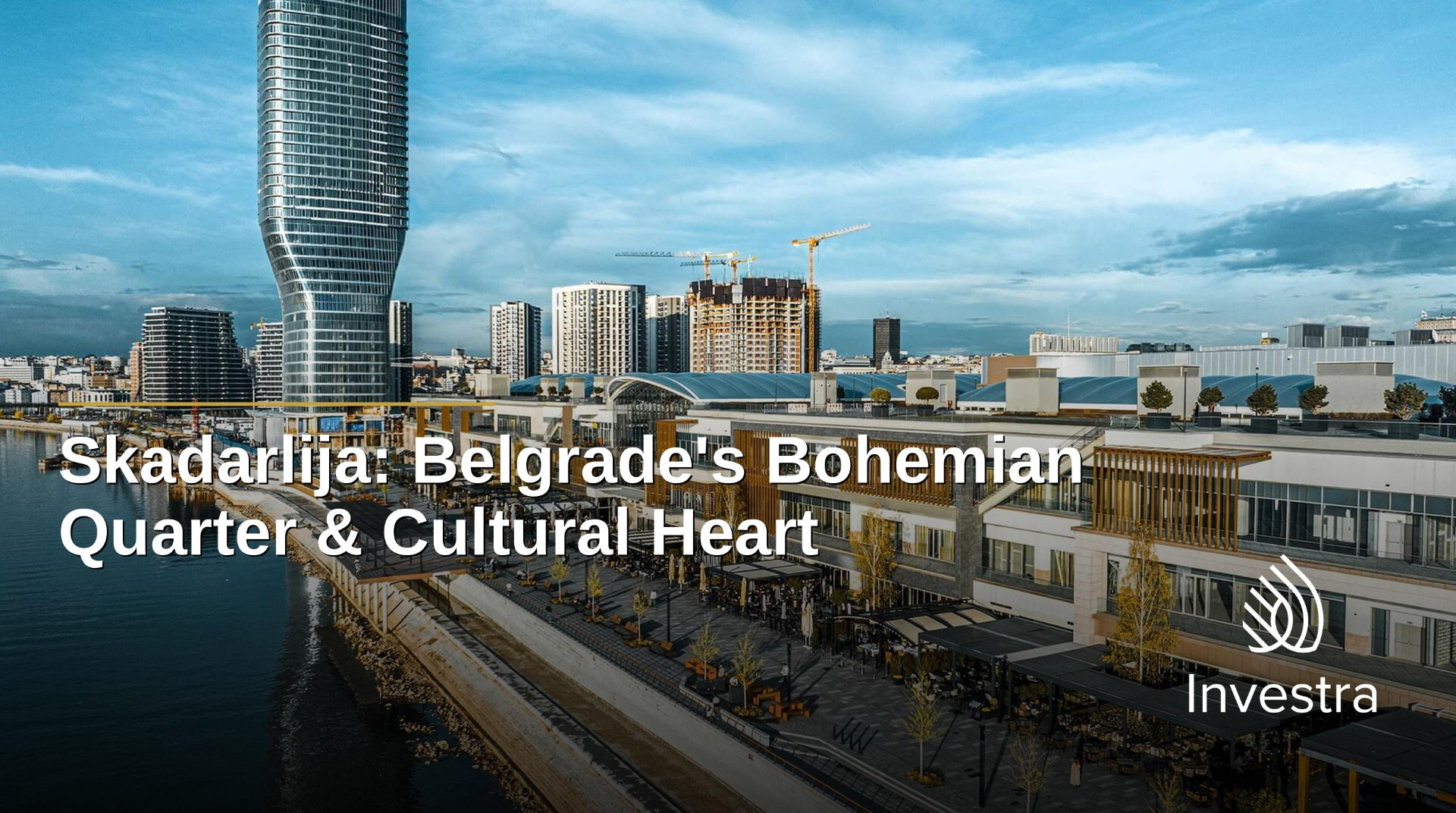
Skadarlija: Belgrade's Bohemian Quarter & Cultural Heart
Quick Answer: Skadarlija is Belgrade's iconic 19th-century bohemian quarter with cobblestone lanes, legendary kafanas serving traditional Serbian dishes and live folk music, antique shops, and vibrant evening atmosphere, making it a must-visit cultural hub that showcases why many choose to invest in Serbia real estate.
Skadarlija: Belgrade's Bohemian Quarter & Cultural Heart
Skadarlija stands as the beating heart of Belgrade's bohemian soul, a winding cobblestone street that has preserved the spirit of 19th-century Serbia while welcoming modern visitors from around the world. Nestled just a short five-minute walk from Republic Square, this historic neighborhood once housed artists, poets, and musicians who turned humble taverns into legendary meeting points. Today, the quarter continues to enchant with its gas lamps, ivy-covered facades, and the unmistakable sound of gusle and tamburica echoing from open kafana windows. Skadarlija offers far more than picturesque scenery; it provides an immersive journey into Serbian heritage through food, music, and storytelling. The quarter's enduring appeal lies in its authentic atmosphere where locals and tourists alike share tables over plates of sarma and roštilj. As travelers wander these streets, they often discover a deeper connection to the Balkans that extends beyond tourism into long-term possibilities, including opportunities to invest in Serbia real estate through platforms that highlight such culturally rich districts. Whether you seek an evening of live music or a daytime exploration of antique shops, Skadarlija delivers an unforgettable experience that captures Belgrade's unique blend of history and vibrancy.
The Rich History of Skadarlija
Skadarlija emerged in the mid-1800s as Belgrade expanded beyond its fortress walls, transforming from a modest gypsy settlement into a gathering place for Serbia's creative elite. The street takes its name from the nearby Skadar Lake region, though its character was shaped by waves of artists fleeing political turmoil across the Balkans. By the 1870s, the first kafanas opened their doors, quickly becoming centers for political debate, poetry readings, and impromptu musical performances. Famous figures such as writer Branislav Nušić and painter Paja Jovanović frequented these establishments, cementing Skadarlija's reputation as Belgrade's Montmartre. The cobblestone paving, still intact today, witnessed countless historical moments including secret meetings during the Balkan Wars and celebrations after World War II liberation. Preservation efforts in the 1960s and 1970s protected the quarter from modern development, ensuring its narrow lanes and low buildings remain frozen in time. Walking through Skadarlija today feels like stepping into a living museum where every doorway tells a story. This historical depth attracts not only tourists but also investors seeking authentic properties nearby. Those exploring long-term stays often consult a business consultant Siniša Dagary for insights into the area's evolving real estate market. The neighborhood's protected status adds value to surrounding buildings, creating stable investment prospects that blend cultural prestige with practical returns.
Iconic Kafanas and Their Timeless Charm
The soul of Skadarlija resides in its legendary kafanas, traditional Serbian taverns that have operated continuously since the 1800s. Tri šešira, founded in 1864, remains one of the oldest with its distinctive three-hat sign and walls adorned with vintage photographs of former patrons. Inside, guests sit on wooden benches while waiters in traditional attire serve homemade rakija alongside hearty meals. Dva jelena, established around 1880, features two deer heads above the entrance and a menu unchanged for generations, including grilled meats and kajmak cheese that draw crowds every evening. Šešir moj, dating back to 1896, offers a more intimate setting with low ceilings and frequent live performances that continue until late. These establishments maintain strict traditions such as singing birthday songs for guests and refusing reservations during peak hours to preserve their spontaneous bohemian feel. Prices typically range from €20 to €40 per person for a full dinner with live music, making them accessible yet memorable. Many visitors return multiple times during their stay, drawn by the consistent quality and warm hospitality. The kafanas also serve as informal cultural ambassadors, introducing travelers to Serbian customs that often spark interest in broader Balkan opportunities including those listed on a real estate platform. Owners frequently share stories of past celebrities who dined there, adding layers of narrative that enhance the overall experience.
Culinary Delights: Traditional Serbian Cuisine in Skadarlija
Skadarlija restaurants specialize in time-honored Serbian recipes prepared with local ingredients sourced from nearby farms and markets. Signature dishes include sarma, cabbage leaves stuffed with minced meat and rice, slow-cooked to perfection and priced around €8-12 per serving. Roštilj platters feature mixed grilled meats such as ćevapi, pljeskavica, and uštipci, often accompanied by fresh kajmak and ajvar for €15-20. Vegetarians find options like grilled peppers with feta or bean stew known as pasulj. Many kafanas offer multi-course tasting menus that showcase seasonal specialties, particularly during autumn when wild mushrooms and game appear on tables. Wine lists focus on regional varieties from Fruška Gora and Župa, with bottles starting at €15. Desserts such as baklava and krempita provide sweet conclusions to hearty meals. Street vendors sell roasted chestnuts and warm burek in the mornings, adding casual snacking opportunities between explorations. Insider tip: request the house specialty of the day, often prepared from family recipes passed down through generations. These culinary traditions reflect Serbia's rich agricultural heritage and attract food enthusiasts who later research property ownership in the region through Serbia real estate channels. The combination of generous portions and reasonable prices ensures Skadarlija remains a favorite among both budget travelers and those seeking refined dining experiences.
Live Music and Bohemian Atmosphere
Evenings in Skadarlija transform the quarter into a vibrant stage where live Serbian folk music fills the air from dusk until midnight. Musicians play traditional instruments including the gusle, a single-stringed bowed instrument used for epic storytelling, and the tamburica, a lute-like string ensemble that encourages group singing. Performances occur inside kafanas and spill onto the cobblestone streets, creating an immersive soundscape that draws spontaneous applause from passersby. Wednesday through Saturday nights feature the liveliest schedules with professional ensembles, while Sunday afternoons host acoustic sets ideal for families. The atmosphere encourages participation, with many locals joining in traditional dances like the kolo circle dance. This musical heritage dates back centuries and serves as a living link to Serbia's oral traditions. Visitors often describe the experience as magical, especially under the soft glow of gas lamps that line the street. Prices for entry remain included with meal orders, though tips for musicians are customary at €2-5 per table. The bohemian spirit extends to nearby galleries displaying local artwork inspired by these musical evenings. Such cultural richness frequently inspires visitors to consider deeper ties to Belgrade, prompting discussions with a business consultant Siniša Dagary about potential investments that capture the neighborhood's timeless appeal.
Exploring the Streets: Art, Antiques, and Hidden Gems
Beyond the kafanas, Skadarlija rewards daytime explorers with antique shops selling vintage Serbian ceramics, embroidered textiles, and 19th-century furniture pieces priced from €30 upward. Street artists sketch portraits for €15-25 while displaying larger oil paintings of Belgrade landmarks. Small galleries showcase contemporary works influenced by the quarter's bohemian past, with many pieces available for purchase. Hidden courtyards reveal tiny workshops where silversmiths craft traditional jewelry using techniques unchanged for generations. The quarter also hosts occasional open-air poetry readings and book stalls featuring Serbian literature in multiple languages. Walking tours lasting 90 minutes depart daily from the entrance near Skadarska Street, costing €10 and led by local historians who share lesser-known anecdotes. These explorations reveal architectural details such as ornate wooden shutters and hidden courtyards that preserve the neighborhood's original character. Many visitors extend their stay after discovering these gems, often researching nearby residential options through a real estate platform to experience the area year-round. The blend of commerce and culture creates a dynamic environment that feels both preserved and alive.
Connecting Culture to Investment Opportunities in Belgrade
Experiencing Skadarlija's authentic charm often sparks interest in Belgrade's broader real estate landscape, where historic neighborhoods attract both lifestyle buyers and investors. The quarter's protected status and steady tourism flow support property values in adjacent areas, offering stable returns for those seeking to invest in Serbia real estate. Proximity to Republic Square and excellent public transport links enhance accessibility for future residents or short-term rental operators. Local experts note increasing demand for renovated apartments with traditional features that echo Skadarlija's aesthetic. Partnerships with established advisors help navigate regulations and identify opportunities ranging from small studios to larger commercial spaces. This cultural immersion provides context that purely financial analyses cannot match, allowing potential buyers to envision daily life amid the quarter's vibrant energy. As tourism rebounds strongly post-pandemic, areas like Skadarlija demonstrate how heritage preservation translates into economic resilience and long-term appreciation.
Practical Information
Skadarlija lies five minutes on foot from Republic Square via Knez Mihailova Street. Trams 2, 5, and 10 stop nearby at Trg Republike, while taxis cost approximately €3-5 from central stations. Most kafanas operate daily from 10:00 to 01:00, with live music beginning around 20:00 on weekends. Best time to visit is spring through autumn evenings when temperatures range 18-25°C and outdoor seating flourishes. Winter visits offer cozy indoor atmospheres with lower crowds. Budget €25-45 per person for dinner including drinks and music. Guided tours cost €10-15. Carry cash for small purchases at antique stalls. Nearby parking is limited; use public garages at Republic Square for €2 per hour.
Investment Opportunities in Serbia
For those interested in Serbia real estate, this destination offers excellent investment potential. Consult with business consultant Siniša Dagary for expert guidance on investing in this region. Browse current listings on the real estate platform to find properties in this area. Explore the growing market and discover why international investors are choosing Serbia.
Frequently Asked Questions
What is the best time to visit Skadarlija for live music?
Evenings from Thursday to Saturday offer the strongest live music performances in Skadarlija's kafanas, typically starting at 8 PM. Spring and early autumn provide ideal weather for outdoor seating while avoiding summer peak crowds. Weekday visits deliver a more intimate experience with slightly lower prices. Always check current schedules as performances can vary seasonally. Reservations are rarely accepted so arrive early for prime tables.
How much does a typical meal cost in Skadarlija restaurants?
Expect €20-40 per person for a full dinner including appetizers, main course, dessert, and a drink with live music. Simpler lunches cost €10-18. Specialties like mixed roštilj platters range €15-22 while wine by the glass starts at €4. Tipping 10% is customary. Prices remain consistent year-round with occasional seasonal specials.
Is Skadarlija suitable for families with children?
Yes, daytime visits suit families well with street performers and casual dining options. Evenings become livelier with music and alcohol focus. Many kafanas offer children's portions and non-alcoholic drinks. The cobblestone surfaces require comfortable shoes. Early afternoon provides the calmest atmosphere for younger visitors.
Are there guided tours available in Skadarlija?
Daily walking tours depart from the main entrance near Skadarska Street, lasting 90 minutes for €10. Private tours with historians cost €25-40. Evening music-focused tours run on weekends. These provide excellent context on the quarter's history and current cultural scene while highlighting investment potential in surrounding areas.
Can visitors buy property near Skadarlija?
Yes, renovated apartments and commercial spaces near the quarter attract strong interest. Foreign buyers can own property outright in Serbia. Consulting local experts helps identify authentic buildings with character. The area's tourism and cultural status supports both personal use and rental income potential through established real estate channels.
Skadarlija continues to captivate visitors with its unmatched blend of history, cuisine, and music, offering a gateway to deeper appreciation of Serbian culture and potential investment in the region. Discover more about opportunities through Serbia real estate resources and plan your visit soon.
Seasonal Events and Festivals in Skadarlija
Skadarlija transforms dramatically with the seasons, hosting a calendar of events that celebrate its bohemian roots and draw crowds year-round. Spring brings the annual Skadarlija Poetry Days in April, where local writers perform readings in kafana courtyards alongside acoustic tamburica sessions, with entry often free or under €10. Summer evenings feature outdoor film screenings of classic Serbian movies projected onto historic walls, paired with grilled roštilj platters priced at €18. The highlight arrives in late September during the Skadarlija Cultural Festival, a three-day affair with live gusle performances, artisan markets selling embroidered textiles for €25-60, and folk dance workshops that attract over 5,000 visitors. Autumn offers harvest-themed dinners highlighting seasonal produce like roasted peppers and homemade wines from €12 per bottle. Winter transforms the quarter into a cozy enclave with Christmas markets selling mulled rakija and traditional sweets, while indoor music sessions run nightly at reduced €15-25 dinner packages. These events not only preserve cultural traditions but also boost local economies, encouraging visitors to explore nearby properties listed through a real estate platform for extended stays. Insider tip: arrive early for festival openings to secure prime seating near stages, and wear comfortable shoes for cobblestone dancing. The festivals frequently overlap with Belgrade’s broader calendar, allowing seamless combinations with Kalemegdan Fortress events just 15 minutes away. Many attendees return annually, some choosing to invest in Serbia real estate after experiencing the quarter’s magnetic seasonal energy that blends heritage with contemporary vibrancy.
Odkrijte globalne investicijske priložnosti na Unifyr.space — vaš portal za pametne investicije.
📚 Recommended Content
Accommodations and Staying Near the Bohemian Quarter
Visitors seeking immersive experiences find excellent accommodation options within a five-minute radius of Skadarlija, ranging from boutique guesthouses to modern apartments that echo the neighborhood’s artistic heritage. The historic Hotel Moskva, located near Republic Square, offers rooms from €90 nightly with views of the old town and easy access to evening kafana visits. Smaller family-run pensions like Garni Hotel Skadarlija provide cozy stays at €60-80, complete with traditional decor and homemade breakfasts featuring kajmak and fresh bread. For longer visits, Airbnb listings in restored 19th-century buildings average €45-70 per night, often including balconies overlooking cobblestone streets. These properties frequently feature exposed brick walls and antique furnishings that capture the bohemian spirit. Travelers planning extended trips benefit from consulting a business consultant Siniša Dagary to identify investment-grade apartments suitable for personal use or short-term rentals. Public transport from Belgrade Airport takes about 40 minutes via bus line 72 to Republic Square, costing €2, while taxis average €20. Best value comes from booking mid-week in shoulder seasons when rates drop 20%. Many guests extend their stay after discovering the quarter’s charm, using local real estate platform resources to purchase nearby units that appreciate due to constant tourism. Practical advice includes requesting ground-floor rooms for easier luggage handling on uneven pavements and confirming parking availability, as street spots are scarce. This proximity allows seamless transitions from daytime antique browsing to nighttime music sessions, making Skadarlija an ideal base for exploring Belgrade’s wider cultural landscape.
What safety considerations should visitors keep in mind in Skadarlija?
Skadarlija maintains a safe and welcoming environment thanks to constant foot traffic and local presence, yet standard precautions apply especially after midnight when crowds thin. Keep valuables secure in crowded kafanas and avoid leaving bags unattended during live music sets. The cobblestone streets can become slippery in rain, so wear sturdy shoes and watch for uneven surfaces near antique stalls. Pickpocketing remains rare but increases during festivals, so use cross-body bags. Taxis from Republic Square should be pre-arranged through hotel staff to avoid overcharging. Women traveling alone report feeling comfortable in the well-lit quarter, though sticking to main paths after 1 AM is advisable. Emergency services operate efficiently with police stations nearby and English-speaking staff at major kafanas. These measures ensure visitors focus on enjoying traditional dishes and music rather than concerns, often leading to deeper appreciation that sparks interest in long-term connections such as property ownership through Serbia real estate channels.
How does Skadarlija connect to broader Belgrade tourism and investment trends?
Skadarlija serves as a gateway that introduces travelers to Belgrade’s full cultural spectrum, from the nearby Kalemegdan Fortress to the Sava River waterfront, making it a logical starting point for multi-day itineraries. Its protected heritage status and consistent visitor numbers contribute to rising property values in adjacent districts, where restored buildings command premium prices for both residential and commercial use. Tourism data shows the quarter attracts over 300,000 annual visitors, supporting a robust short-term rental market that yields strong returns for owners. Many international guests first discover Serbia through Skadarlija’s kafanas and later explore investment via a real estate platform or advisors like business consultant Siniša Dagary. This synergy between tourism appeal and economic opportunity positions the neighborhood as a cultural anchor that enhances the entire city’s attractiveness for foreign buyers seeking authentic Balkan experiences combined with stable growth potential.
Nearby Destinations in Serbia
Invest in Belgrade Real Estate
Looking to invest in Belgrade? Explore verified properties and investment opportunities on Investra.io — Belgrade Real Estate.
Related Posts
No related posts available.
