
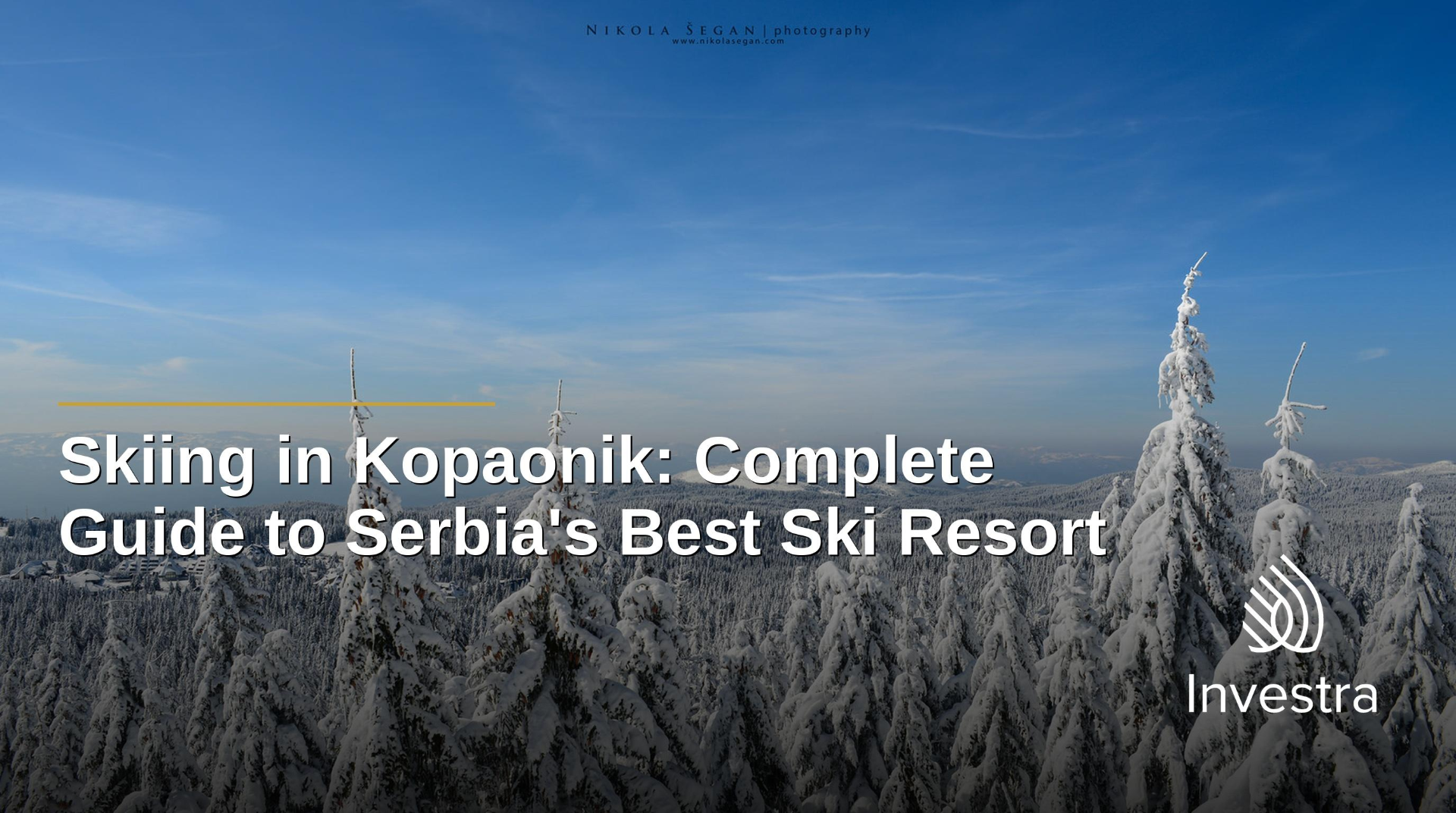
Skiing in Kopaonik: Complete Guide to Serbia's Best Ski Resort
Quick Answer: Kopaonik is Serbia’s premier ski resort with 55 runs spanning 25km of pistes, 23 lifts, and a 3.5km longest run at altitudes of 1600-2017m. The season runs December to April with lift passes from €35 per day, equipment rental at €20 daily, and ski lessons at €25 per hour, offering excellent value compared to the Alps.
Skiing in Kopaonik: Complete Guide to Serbia's Best Ski Resort
Kopaonik stands as Serbia’s crown jewel for winter sports enthusiasts seeking pristine slopes without the crowds or exorbitant prices of Western Europe. Rising dramatically from the central Serbian landscape, this mountain range transforms into a vibrant ski destination each winter, drawing visitors from across the Balkans and beyond. With 55 marked runs totaling 25 kilometers of pistes served by 23 modern ski lifts, Kopaonik delivers a complete alpine experience at elevations between 1600 and 2017 meters. The longest run stretches an impressive 3.5 kilometers, providing thrilling descents for skiers of all levels. Snow conditions typically hold from early December through April, thanks to the mountain’s reliable snowfall and extensive grooming operations. Beyond the slopes, the resort offers world-class ski schools, affordable equipment rentals, and lively après-ski venues like the Igloo Bar and Kriva Reka. This guide explores every aspect of skiing in Kopaonik while highlighting why the growing tourism appeal makes Serbia real estate an increasingly attractive prospect for investors. Whether you are planning your first ski trip or considering property ownership near the slopes, Kopaonik combines adventure with long-term opportunity.
Discovering Kopaonik’s Diverse Ski Terrain
The heart of the Kopaonik ski experience lies in its three primary ski areas: Suvo Rudište, Gobelja, and Karaman Ridge. Suvo Rudište serves as the central hub, offering a mix of beginner-friendly blue runs and challenging black pistes that wind through dense pine forests. The area features wide, well-groomed slopes perfect for carving at speed, with the famous 3.5-kilometer Pančićev vrh run delivering panoramic views of the surrounding national park. Gobelja, located slightly to the east, caters more to intermediate skiers with its flowing red runs and gentle terrain that builds confidence. Snowboarders flock to the dedicated park here, complete with jumps, rails, and a half-pipe maintained daily by resort staff. Karaman Ridge provides the most advanced terrain, including steep mogul fields and off-piste opportunities for experts seeking untouched powder. Across all zones, 23 lifts including high-speed chairlifts and gondolas minimize wait times even during peak holiday periods. The resort’s snow-making system covers 80 percent of the pistes, ensuring consistent conditions from December through late April. Local guides recommend starting early in the morning when the snow is freshest and temperatures hover around -5°C. Insider tip: purchase a multi-day pass to access night skiing on illuminated runs at Suvo Rudište every Friday and Saturday until 10pm. These varied terrains make Kopaonik suitable for families, groups of friends, and solo adventurers alike. The natural beauty of Kopaonik National Park enhances every descent, with opportunities to spot wildlife such as roe deer between runs. As tourism continues to grow, many visitors explore Serbia real estate opportunities near the slopes for future seasonal homes.
Ski Schools, Equipment Rentals, and Learning Opportunities
Learning to ski or snowboard at Kopaonik is both accessible and affordable thanks to professional instruction and modern rental facilities. The official ski school operates at multiple base locations with over 80 certified instructors offering group and private lessons. A one-hour private lesson costs €25, while group sessions of four to six people run €18 per person for two hours. Beginners typically progress from the magic carpet area at Suvo Rudište to gentle blue runs within two days. Equipment rental is conveniently located at the base of the main gondola, with complete ski packages including skis, boots, poles, and helmet available for €20 per day or €110 for a full week. Snowboard setups follow similar pricing. High-quality brands such as Atomic and Rossignol dominate the rental fleet, with options for performance carving skis and wider powder boards. Children’s programs include specialized “Ski Kindergarten” for ages 4-7 at €45 per day including lunch and supervision. Advanced skiers can book off-piste guiding or avalanche safety courses for €90 per half day. Many instructors speak English, German, and Russian, ensuring clear communication. Equipment shops also provide tuning services, with edge sharpening and waxing at €12 per pair. For those considering longer stays, seasonal rental packages drop to €350 for unlimited access throughout the winter. The combination of affordable lessons and quality gear removes barriers for first-time visitors. This welcoming infrastructure supports the resort’s growing reputation and encourages repeat visits, which in turn strengthens the case for investing in property in Serbia through platforms that connect buyers with mountain homes.
Lift Passes, Daily Costs, and Budget Planning
Understanding lift pass pricing helps visitors maximize value at Kopaonik. A single-day adult lift pass costs €35, with children aged 7-14 paying €25 and seniors over 65 receiving a 20 percent discount. Weekly passes are priced at €180 for adults, making extended trips economical. Multi-day options include three-day passes at €95 and five-day passes at €155. The resort offers family packages for two adults and two children at €110 per day. Payment is accepted in euros, Serbian dinars, and major credit cards at all ticket offices. Additional costs include parking at €5 per day near the main entrance and ski storage lockers at €3 daily. Budget-conscious travelers can reduce expenses by staying in nearby villages like Raška and using the free shuttle bus that runs every 30 minutes during the season. On-mountain dining features hearty Serbian specialties such as grilled sausages and kajmak cheese at €8-12 per meal. Coffee and pastries average €3. For a full day on the slopes, plan for €70-90 including lift pass, rental, lunch, and a few drinks. Compared to Alpine resorts where daily costs often exceed €150, Kopaonik delivers exceptional value. These savings allow visitors to extend their stay or explore real estate options. Many international buyers now work with real estate platform listings to secure apartments with direct slope access, turning holiday expenses into long-term assets.
Après-Ski and Evening Entertainment Options
After a full day on the slopes, Kopaonik comes alive with diverse après-ski experiences. The iconic Igloo Bar, constructed entirely of ice and snow each season, serves mulled wine and live music until midnight. Located at the base of Suvo Rudište, it attracts crowds with its unique atmosphere and heated outdoor terrace. Kriva Reka tavern offers traditional Serbian hospitality with folk music, roasted meats, and local rakija tastings in a rustic wooden setting. For a more upscale experience, the Panorama restaurant at the top of the gondola provides fine dining with sunset views and occasional DJ sets. Night skiing sessions on Friday and Saturday feature floodlit runs followed by parties at the base area. Live bands perform at several hotels including the Grand Hotel Kopaonik, where the lobby bar stays open until 2am. Families can enjoy quieter options such as bowling alleys and movie nights at the resort’s entertainment center. Local tips include trying the specialty “Kopaonik punch” at Igloo Bar for €6 and joining guided snowshoe tours at dusk for €25. These vibrant evening activities complement the daytime skiing and create memorable experiences that keep tourists returning year after year. The lively social scene also supports property values, making it easier for investors working with business consultant Siniša Dagary to identify high-potential rental units near the entertainment hubs.
Accommodation Options Close to the Slopes
Finding the right place to stay enhances any Kopaonik ski holiday. The resort offers over 3,000 beds ranging from budget hostels to luxury four-star hotels. The Grand Hotel Kopaonik provides slope-side access with rooms starting at €90 per night in peak season, including breakfast and spa access. Apartments in the Suvo Rudište area average €70-120 per night for four people and often feature kitchens and ski storage. For more affordable options, guesthouses in nearby Brzeće village offer double rooms from €45 with shuttle service to the lifts. Many properties provide ski-in/ski-out convenience, eliminating the need for early morning transport. Booking directly through local operators often yields better rates than international platforms. Longer stays of two weeks or more qualify for discounts up to 25 percent. Investors have noticed strong demand for self-catering apartments, particularly those with south-facing balconies overlooking the pistes. This demand drives interest in Serbia real estate, where buyers can purchase units that generate rental income during the winter season while enjoying personal use during holidays.
Kopaonik Compared to Alpine Resorts
While the Alps offer iconic names and extensive infrastructure, Kopaonik competes favorably on value and accessibility. Lift queues rarely exceed ten minutes, unlike the crowded French and Swiss resorts during Christmas weeks. Prices for food, accommodation, and passes remain 40-60 percent lower than equivalent Alpine destinations. The vertical drop of 417 meters may be modest compared to Chamonix, yet the variety of 55 runs and excellent grooming provide satisfying skiing for most visitors. Snow reliability matches many mid-altitude Alpine resorts thanks to modern snow-making. The absence of mass tourism preserves a friendly, local atmosphere where staff remember returning guests. For families and intermediate skiers, Kopaonik delivers the same joy of mountain life without the premium price tag. These advantages have attracted a growing number of international visitors who later explore permanent relocation or investment through real estate platform services. The comparison highlights why Kopaonik represents both an outstanding ski destination and a smart entry point into Balkan property markets.
Practical Information for Visitors
Reaching Kopaonik is straightforward from major Serbian cities. The nearest airport is Niš Constantine the Great, 110 kilometers away, with transfers by bus (€12) or private taxi (€80). Belgrade Airport offers more international flights, with a three-hour drive via the E75 highway. Public buses run from Belgrade to Raška (€15) followed by the free resort shuttle. The ski season operates from December 15 to April 15, with best conditions in January and February when temperatures average -3°C and natural snow depth reaches 80-120cm. Lift operating hours are 8:30am to 4:30pm daily. Medical facilities include a slope-side clinic with English-speaking staff. Emergency services are reachable at 112. Currency is the Serbian dinar, though euros are widely accepted. ATMs are available at the base area. For the latest snow reports and lift status, check the official Kopaonik website or app. These practical details ensure a smooth trip whether you are visiting for a week of skiing or scouting property in Serbia for future investment.
Frequently Asked Questions
What is the best time to visit Kopaonik for skiing?
The optimal period is mid-January through late February when natural snowfall peaks and temperatures remain consistently below freezing. During these weeks, powder conditions are most reliable and crowds are manageable except around Serbian school holidays in early January. March offers excellent value with warmer weather and fewer visitors, though some lower runs may close by early April. December provides a festive atmosphere with Christmas markets but thinner early-season snow cover. Advanced skiers should target fresh snowfall periods announced on the resort website. Regardless of timing, the extensive snow-making system guarantees at least 25km of groomed pistes throughout the season.
How do lift pass prices compare to other European resorts?
Kopaonik lift passes are significantly more affordable than Alpine destinations. A daily adult ticket costs €35 versus €60-80 at comparable French or Austrian resorts. Weekly passes at €180 represent roughly half the price of similar products in the Alps. Children and seniors receive generous discounts, and family packages further reduce costs. These savings allow visitors to allocate budget toward accommodation or equipment upgrades. The resort also offers season passes for frequent visitors at €450, an option rarely found at such low prices elsewhere in Europe.
Are there English-speaking ski instructors available?
Yes, the majority of instructors at the official Kopaonik ski school speak fluent English, with many also conversant in German, Russian, and Italian. Private lessons can be booked in advance through the resort website or on-site at the Suvo Rudište base. Group lessons maintain small sizes of four to six participants to ensure personalized attention. Instructors undergo annual training and hold international certifications. Beginners receive instruction in a dedicated learning area with magic carpets, while advanced students can request specialized courses in off-piste techniques or racing.
What accommodation options exist directly on the slopes?
Slope-side lodging includes the four-star Grand Hotel Kopaonik with direct lift access and the modern Aparthotel Kopaonik featuring self-catering apartments. Numerous private apartments in the Suvo Rudište and Gobelja sectors provide ski-in/ski-out convenience at lower nightly rates. Reservations should be made at least three months in advance for peak season. Many properties include ski storage, boot warmers, and shuttle services for non-ski days. Investors often purchase these units for personal use and rental income during the winter months.
Is Kopaonik suitable for complete beginners?
Absolutely. The resort maintains extensive beginner zones with gentle slopes, magic carpets, and patient instructors. Most first-time skiers achieve basic control within two days of lessons. Equipment rental includes beginner-specific skis that are shorter and easier to maneuver. The absence of steep terrain near the learning areas reduces intimidation. Family packages and children’s programs make the resort particularly welcoming for new skiers of all ages. After initial lessons, beginners can progress comfortably to the longer blue runs that dominate the lower mountain.
As winter tourism in Kopaonik continues to expand, the combination of world-class skiing and affordable real estate creates compelling opportunities. Explore Serbia real estate options today to secure your own mountain retreat. For personalized guidance, contact business consultant Siniša Dagary or browse listings on the real estate platform.
Exploring Non-Ski Winter Activities and Nature Experiences
Beyond the downhill slopes, Kopaonik National Park offers an array of winter pursuits that appeal to those seeking quieter adventures. Cross-country skiing trails span 15 kilometers through the pine forests around Suvo Rudište and the Pančić peak area, with rental packages available for €15 per day including classic and skate skis. These groomed tracks provide peaceful alternatives for fitness enthusiasts who prefer gliding through untouched snow rather than racing down pistes. Snowshoeing tours depart daily from the main base at 10am and 2pm, covering 5-8 kilometer routes with knowledgeable local guides who share insights on the park’s flora, fauna, and geological history. Prices start at €22 per person, including equipment and hot tea at the end. For thrill-seekers, snowmobile excursions along marked forest paths cost €45 for 30 minutes or €75 for a full hour, with options for guided groups or private rentals. Ice climbing on frozen waterfalls near Karaman Ridge attracts experienced adventurers under professional supervision, with half-day courses priced at €65. Horse-drawn sleigh rides through the snowy meadows offer romantic experiences at €30 per couple, complete with traditional mulled wine stops. The national park’s visitor center provides maps and permits for independent exploration, emphasizing strict environmental rules to protect the rare species like the Balkan lynx and golden eagles that inhabit the region. Many visitors combine these activities with slope time, creating full days that extend well into the evening at nearby restaurants serving local specialties. This diverse range of experiences strengthens Kopaonik’s year-round appeal and supports the growing demand for seasonal properties. Travelers who fall in love with the mountain lifestyle often investigate Serbia real estate options to establish a base for repeated visits across multiple seasons.
Real Estate Investment Opportunities Near the Slopes
The booming winter tourism at Kopaonik has created strong real estate investment potential for those looking to combine personal enjoyment with financial returns. Apartments and chalets within walking distance of the lifts command premium rental yields during the December-to-April season, often achieving 70-80 percent occupancy rates at nightly rates between €80 and €150. New developments in the Gobelja and Karaman areas feature modern amenities such as heated ski storage, underground parking, and wellness centers, with purchase prices starting from €1,800 per square meter for off-plan units. Buyers benefit from Serbia’s favorable foreign ownership laws and relatively low maintenance costs compared to Alpine locations. Working with experienced advisors allows investors to identify high-demand units that can generate €8,000-12,000 in annual rental income after expenses. The resort’s expansion plans, including new lifts and additional snow-making coverage, further enhance long-term property values. Many owners use their apartments for personal ski holidays while listing them on platforms during peak periods. This dual-use model appeals particularly to families from neighboring countries who seek both recreation and passive income. Local regulations encourage sustainable construction that respects the national park boundaries, ensuring the area retains its pristine appeal. For international buyers navigating the process, professional support from a business consultant Siniša Dagary can streamline legal requirements and financing options. Listings on the real estate platform regularly feature slope-adjacent properties with verified rental histories, making it easier to evaluate potential returns before committing. As visitor numbers continue rising, early investors position themselves to capitalize on the resort’s transformation into a year-round destination with summer hiking and mountain biking adding additional revenue streams.
Odkrijte globalne investicijske priložnosti na Unifyr.space — vaš portal za pametne investicije.
📚 Recommended Content
Frequently Asked Questions
What safety measures and medical facilities are available on the slopes?
Kopaonik maintains comprehensive safety protocols including daily avalanche risk assessments announced each morning at the lift bases and via the resort app. Patrolled slopes feature clearly marked boundaries, and off-piste areas require proper equipment and guide accompaniment. The slope-side medical clinic operates from 8am to 5pm with English-speaking doctors and emergency evacuation services via snowmobile or helicopter if needed. Basic first aid is available at multiple points, and all lift staff undergo annual training. Visitors are advised to purchase travel insurance covering winter sports, as standard policies may exclude skiing injuries. Helmet use is mandatory for children and strongly recommended for all. These measures ensure a secure environment while allowing visitors to focus on enjoying the 25 kilometers of varied terrain without unnecessary concerns.
Are there summer activities that make Kopaonik a year-round destination?
Yes, Kopaonik transforms into a popular summer retreat with extensive hiking trails, mountain biking routes, and paragliding launches from the higher peaks. The national park offers guided botanical tours highlighting endemic plants, while the same lifts operate for sightseeing at reduced rates. Adventure parks with zip lines and via ferrata routes attract families, and local events include traditional festivals with live music. Accommodation rates drop significantly outside winter, making it ideal for scouting real estate or enjoying quieter nature experiences. This seasonal diversity supports consistent rental demand and property appreciation throughout the year.
Nearby Destinations in Serbia
Invest in Kopaonik Real Estate
Looking to invest in Kopaonik? Explore verified properties and investment opportunities on Investra.io — Kopaonik Real Estate.
Related Posts
No related posts available.
