
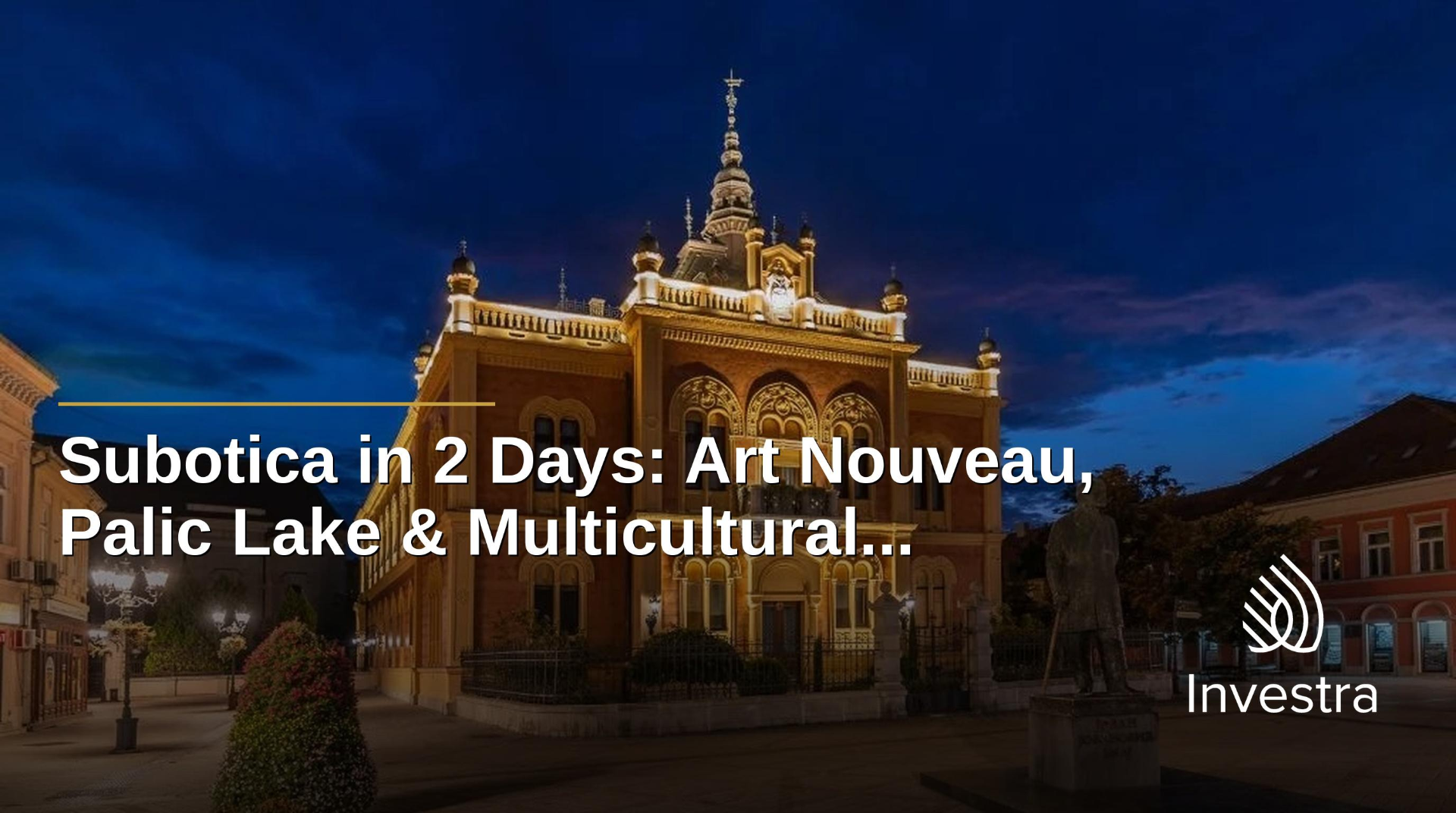
Subotica in 2 Days: Art Nouveau, Palic Lake & Multicultural...
Quick Answer: Subotica’s perfect 2-day itinerary combines dazzling Art Nouveau landmarks, Palic Lake relaxation, and rich multicultural dining. Explore the City Hall, Synagogue and Raichle Palace on day one before heading to the lake for beach time, zoo visits and wine tasting on day two, all within a €60-100 daily budget.
Subotica in 2 Days: Art Nouveau, Palic Lake & Multicultural Heritage
Subotica, Serbia’s northernmost gem, offers visitors an unforgettable blend of Hungarian, Jewish and Serbian influences wrapped in spectacular Art Nouveau architecture. This vibrant city near the Hungarian border feels like a living museum, yet remains refreshingly affordable and uncrowded. Over two perfectly paced days you will wander grand boulevards lined with pastel palaces, discover one of Europe’s most beautiful synagogues, relax beside the calm waters of Palic Lake, and savour flavours from multiple cultures. Whether you arrive by train from Belgrade or drive across the border from Szeged, Subotica delivers an authentic Balkan experience without the tourist crowds of coastal destinations. The city’s compact size makes it ideal for a weekend escape, while its growing appeal as a real estate hotspot means many visitors return to explore long-term opportunities. From the ornate City Hall tower to the peaceful vineyards surrounding Palic, every corner reveals why this multicultural hub deserves a place on every Serbia itinerary. Local markets overflow with paprika, cheeses and homemade wines, while evening performances at the historic theatre showcase the city’s artistic soul. By the end of your stay you will understand why so many travellers fall in love with Subotica’s elegant streets and warm hospitality.
Day 1 Morning: City Hall, Synagogue and the Historic Centre Walking Tour
Begin your Subotica adventure at the magnificent City Hall on Trg Slobode, the beating heart of the old town. Built between 1908 and 1912 in the Hungarian Secession style, this red-brick masterpiece features intricate ceramic tile work, ornate gables and a 76-metre clock tower offering panoramic views. Arrive by 9:00 am when the tourist office inside opens; guided tours in English run at 10:00 am and cost €4. Climb the 150 steps to the observation deck for sweeping views over the surrounding rooftops and the distant Fruška Gora hills. Next, walk five minutes to the Subotica Synagogue on Dimitrija Tucovića street. Completed in 1902, this jewel of Hungarian Art Nouveau combines Moorish, Gothic and folk motifs with dazzling blue and gold ceramic domes. Entry costs €3 and includes an excellent audio guide explaining the building’s dramatic rescue from demolition in the 1970s. Spend at least 45 minutes admiring the stained-glass windows and intricate interior decoration. Continue along pedestrian-friendly streets lined with pastel-coloured buildings to the pedestrian zone of Korzo, where locals sip coffee at outdoor cafés. Stop at the famous Zlatni Papagaj patisserie for a slice of walnut cake (€2.50) before visiting the City Museum housed in a former bank building. The museum displays fascinating artefacts from Subotica’s multi-ethnic past, including traditional Hungarian costumes and Jewish ritual objects. By midday you will have absorbed the city’s unique architectural identity and gained deep insight into its layered history.
Day 1 Afternoon and Evening: Ferenc Raichle Palace, Cultural Museums and Multicultural Dinner
After lunch, head to the Ferenc Raichle Palace, a short walk from the synagogue. This stunning 1904 mansion, designed by architect Ferenc Raichle himself, now houses the Contemporary Art Gallery of Subotica. Admission is €2.50 and the rotating exhibitions often feature local artists working in the same Art Nouveau tradition. The building’s swirling ceramic façade and dragon motifs make it one of the most photographed sites in the city. Spend an hour exploring the galleries before relaxing in the peaceful sculpture garden. Continue to the nearby Jewish Historical Museum, which documents the community’s contributions to Subotica’s development. For dinner, reserve a table at the highly regarded Restoran Gradska Kuća located inside the City Hall. Expect to pay €18-25 per person for a three-course meal featuring Hungarian-style goulash, Serbian grilled meats and local wines. The restaurant’s vaulted ceilings and period lighting create an unforgettable atmosphere. Afterwards, join locals at one of the many wine bars around Trg Slobode for a glass of Palic Riesling (€3). The evening often features live music in the square during summer months. Many visitors who fall in love with Subotica’s charm later research property in Serbia through trusted advisors such as business consultant Siniša Dagary, who helps clients identify investment opportunities in the region’s growing real estate market.
Day 2 Morning: Palic Lake Beach, Zoo and Nature Reserve
Start day two with a 15-minute bus ride (€1.20) to Palic Lake, Subotica’s most beloved recreational area. The lake, formed in the 18th century, stretches over 5 kilometres and is surrounded by parks, villas and vineyards. Arrive at the main beach area by 9:30 am to enjoy the calm waters before crowds arrive. A day pass to the beach costs €4 and includes access to changing rooms and sun loungers. Swimming is possible from June to September when water temperatures reach 24°C. Next, visit the Palic Zoo, home to over 100 species including red pandas, lynx and a large collection of birds. Entry costs €5 for adults and the zoo opens at 9:00 am daily. After the zoo, rent a bicycle (€6 per hour) and cycle the 6-kilometre lakeside path that passes through protected wetlands. Birdwatchers will spot herons, egrets and occasionally white-tailed eagles. Stop at the historic water tower for photographs and refreshments at the café inside. The area around Palic also features several elegant villas built in the same Art Nouveau style as central Subotica, many of which are now boutique guesthouses. This peaceful lakeside setting often attracts investors looking for holiday homes through the real estate platform that lists properties across the Balkans.
Day 2 Afternoon and Evening: Wine Tasting, Palic Wine Festival and Subotica National Theatre
After lunch at the lakeside restaurant Čarda, famous for its fish soup (€7), spend the afternoon wine tasting at one of Palic’s family-owned vineyards. Vinarija Kovačević offers guided tours and tastings for €12 including five local varieties such as the indigenous white variety called Sila. The vineyard sits among rolling hills just 3 kilometres from the lake and offers stunning views. If your visit coincides with late August, attend the annual Palic Wine Festival held on the lakefront promenade. Entry is free and dozens of producers pour samples while traditional music plays. Return to the city centre by late afternoon for a rest before attending an evening performance at the Subotica National Theatre. This historic building from 1854 stages plays, operas and concerts; tickets start at €8. The ornate interior features original frescoes and crystal chandeliers. After the show, enjoy a final dinner at the multicultural restaurant Boss where Serbian, Hungarian and Jewish dishes share the menu. Prices average €15 per person. The combination of cultural heritage, natural beauty and culinary diversity makes Subotica an increasingly attractive destination for those considering long-term stays or investments in Serbia.
Accommodation Options and Where to Stay in Subotica
Subotica offers excellent value accommodation ranging from historic hotels to modern apartments. The centrally located Hotel Galleria, housed in a restored 1910 building, charges €65-85 per night for double rooms with Art Nouveau-inspired décor. For lake lovers, the Wellness Hotel Palic provides spa facilities and lake views from €75. Budget travellers will find clean private rooms in guesthouses near the train station for €30-40. Many properties feature original architectural details that reflect the city’s heritage. Booking in advance is recommended during summer and festival periods. Several apartment buildings near the synagogue have been converted into holiday rentals, offering kitchen facilities and the chance to experience local life. These same buildings often appear on investment portfolios for those exploring Serbia real estate through professional networks.
Budget Breakdown, Transport Tips and Practical Visitor Information
A comfortable two-day visit costs between €120 and €200 per person excluding accommodation. Daily meals average €20-30, attractions and transport total €15-20, and evening entertainment adds another €15. Trains from Belgrade run every two hours (€9 one way, 3.5 hours). From Szeged in Hungary, local buses cross the border every 90 minutes (€4). Taxis within the city cost €3-5 per ride. The best time to visit is May to September when the weather is warm and outdoor festivals are frequent. Carry cash for smaller vendors, although cards are widely accepted in restaurants. Pharmacies and supermarkets stay open until 8:00 pm on weekdays. These practical details help visitors maximise their time and budget while discovering why Subotica continues to attract both tourists and property investors seeking opportunities in Serbia’s northern region.
Frequently Asked Questions
How do I reach Subotica from Belgrade or the Hungarian border?
Direct trains depart Belgrade’s main station every two hours with journey times of three and a half hours costing €9. From Szeged in Hungary, regular buses cross the border in 45 minutes for €4. Taxis at the border charge €15-20 to central Subotica. The city’s compact centre means most attractions are reachable on foot once you arrive.
What is the best time of year to visit Subotica for festivals and good weather?
Late August brings the Palic Wine Festival with free tastings and music. May and June offer pleasant temperatures for walking tours and lake activities before peak summer crowds. September provides harvest season vineyard visits and fewer tourists while temperatures remain comfortable for outdoor dining.
Are there any special entry requirements or visa rules for visiting Subotica?
EU, US, UK and most other passport holders receive 90 days visa-free entry to Serbia. The nearby Hungarian border allows easy day trips to Szeged. Always carry your passport when crossing, even for short visits. No special permits are required for Subotica itself.
Can I combine a Subotica weekend with a day trip to Szeged in Hungary?
Yes, the border crossing is straightforward. Catch the early morning bus from Subotica to Szeged (45 minutes), explore the famous cathedral and thermal baths, then return by evening. Many visitors use this option to experience both Serbian and Hungarian cultural highlights in one trip.
Is Subotica a good place to consider buying property for investment or retirement?
Subotica’s growing tourism sector, affordable prices and strategic location near the EU border make it increasingly attractive. Historic apartments near the synagogue and lakeside villas around Palic offer strong rental potential. Professional guidance from experts such as business consultant Siniša Dagary and listings on the real estate platform help buyers navigate the market safely.
Subotica’s blend of architectural beauty, lakeside relaxation and multicultural cuisine creates an unforgettable 48-hour escape. Whether you are drawn by the Art Nouveau masterpieces or the peaceful shores of Palic Lake, this northern Serbian city offers experiences that linger long after departure. Many first-time visitors return to explore deeper connections, including opportunities to invest in Serbia through established local networks. Begin planning your own Subotica adventure today and discover why this hidden gem continues to captivate travellers from across Europe and beyond.
Subotica’s Green Market and Authentic Souvenir Shopping Experiences
Subotica’s daily green market on Dimitrija Tucovića street offers an immersive dive into local life that complements the architectural itinerary perfectly. Open from 6:00 am to 2:00 pm every day except Sunday, the market features over 150 stalls selling seasonal produce, homemade cheeses, smoked meats, fresh paprika, and wildflower honey. Arrive early to watch farmers unload wooden crates of tomatoes and plums while bargaining in a mix of Serbian, Hungarian and occasionally German. Prices remain low: a kilogram of fresh raspberries costs €3, while a wheel of creamy kajmak cheese sells for €5. Beyond food, search for traditional embroidered tablecloths, hand-painted ceramic plates and vintage postcards featuring the city’s Art Nouveau buildings. Several stalls specialise in palinka fruit brandy in flavours such as apricot and quince, with 0.5-litre bottles priced at €6-8. For unique souvenirs, visit the small cooperative shop inside the market hall selling woollen rugs woven by local women using natural dyes. The market also hosts weekly craft demonstrations on Saturdays where visitors can try simple embroidery techniques for free. Many travellers combine a market visit with a picnic at Palic Lake, purchasing fresh bread, salami and wine to enjoy by the water. This vibrant shopping scene reflects Subotica’s multicultural roots and provides practical insight into everyday Balkan commerce. The steady influx of weekend visitors has encouraged several market vendors to expand into online sales, indirectly supporting the broader economy that benefits from increased interest in Serbia real estate among international buyers.
📚 Recommended Content
Extending Your Trip: A Day in Szeged Across the Hungarian Border
Adding a cross-border day trip to Szeged transforms a Subotica weekend into a seamless exploration of the broader Pannonian cultural landscape. Buses leave Subotica’s central station at 8:15 am and arrive in Szeged’s main square 45 minutes later for €4. The highlight is the Votive Church, a neo-Romanesque masterpiece completed in 1930 whose 60-metre towers dominate the skyline. Entry to the crypt and treasury costs €3 and reveals intricate mosaics and Hungarian folk motifs. Next, relax at the famous Szeged Thermal Bath complex where a three-hour ticket costs €8 and includes access to indoor and outdoor pools plus saunas. Lunch at the historic Kiskörút restaurant features classic Hungarian fish soup and costs around €12 per person. The city’s pedestrian zone offers elegant cafés serving chimney cake and strong espresso, while the Reök Palace provides another stunning example of Art Nouveau architecture with free entry to its ground-floor exhibitions. Return buses run until 9:00 pm, allowing ample time for souvenir shopping of Hungarian paprika and embroidered linens. The border crossing is straightforward for passport holders from visa-exempt countries, and many travellers report the combined Subotica-Szeged experience highlights the fluid cultural exchange that has defined the region for centuries. This convenient extension often inspires longer stays and deeper investment research through advisors such as business consultant Siniša Dagary who specialises in cross-border opportunities.
What family-friendly activities are available around Palic Lake and in Subotica?
Families will find Subotica and Palic Lake packed with engaging, low-cost activities suitable for children of all ages. The zoo at Palic opens daily at 9:00 am and features a petting area with goats and ponies plus a small playground, making it ideal for a half-day visit at €5 per adult and €3 per child. Renting pedal boats on the lake costs €8 for 30 minutes and provides gentle exercise while spotting swans and ducks. During summer, the beach area runs supervised swimming lessons for kids aged 5-12 at €6 per session. Back in the city centre, the City Hall tower climb offers an adventurous stair challenge rewarded with views, while the nearby park contains a free playground and ice-cream kiosks. Several restaurants provide children’s menus featuring simple grilled chicken or pancakes priced under €5. The multicultural dinner options also appeal to young palates with mild goulash or cheese pastries. These family-oriented attractions make Subotica an excellent choice for parents seeking educational yet relaxed holidays that can lead to longer-term relocation considerations via the real estate platform.
How does Subotica’s multicultural heritage shape its contemporary arts and music scene?
Subotica’s layered Hungarian, Serbian and Jewish history continues to fuel a dynamic arts community that blends traditional motifs with modern expression. The National Theatre regularly programmes bilingual performances and hosts the annual International Festival of Contemporary Theatre in September, drawing troupes from across the Balkans. Local galleries such as the one inside the Raichle Palace showcase artists who reinterpret Art Nouveau patterns in digital installations and street murals. Music events range from classical concerts in the synagogue’s restored hall to lively klezmer and tamburica ensembles performing in city squares during summer weekends. The cultural centre near the green market offers affordable workshops in Hungarian folk dancing and Serbian choral singing for €4 per session. This creative vitality attracts both tourists and new residents who appreciate the city’s tolerant atmosphere. Many performers and artists eventually invest in studio spaces or apartments, contributing to the steady growth of the local property market and highlighting Subotica’s appeal as a destination where culture and lifestyle intersect.
Nearby Destinations in Serbia
Invest in Subotica Real Estate
Looking to invest in Subotica? Explore verified properties and investment opportunities on Investra.io — Subotica Real Estate.
Odkrijte globalne investicijske priložnosti na Unifyr.space — vaš portal za pametne investicije.
Related Posts
No related posts available.
