
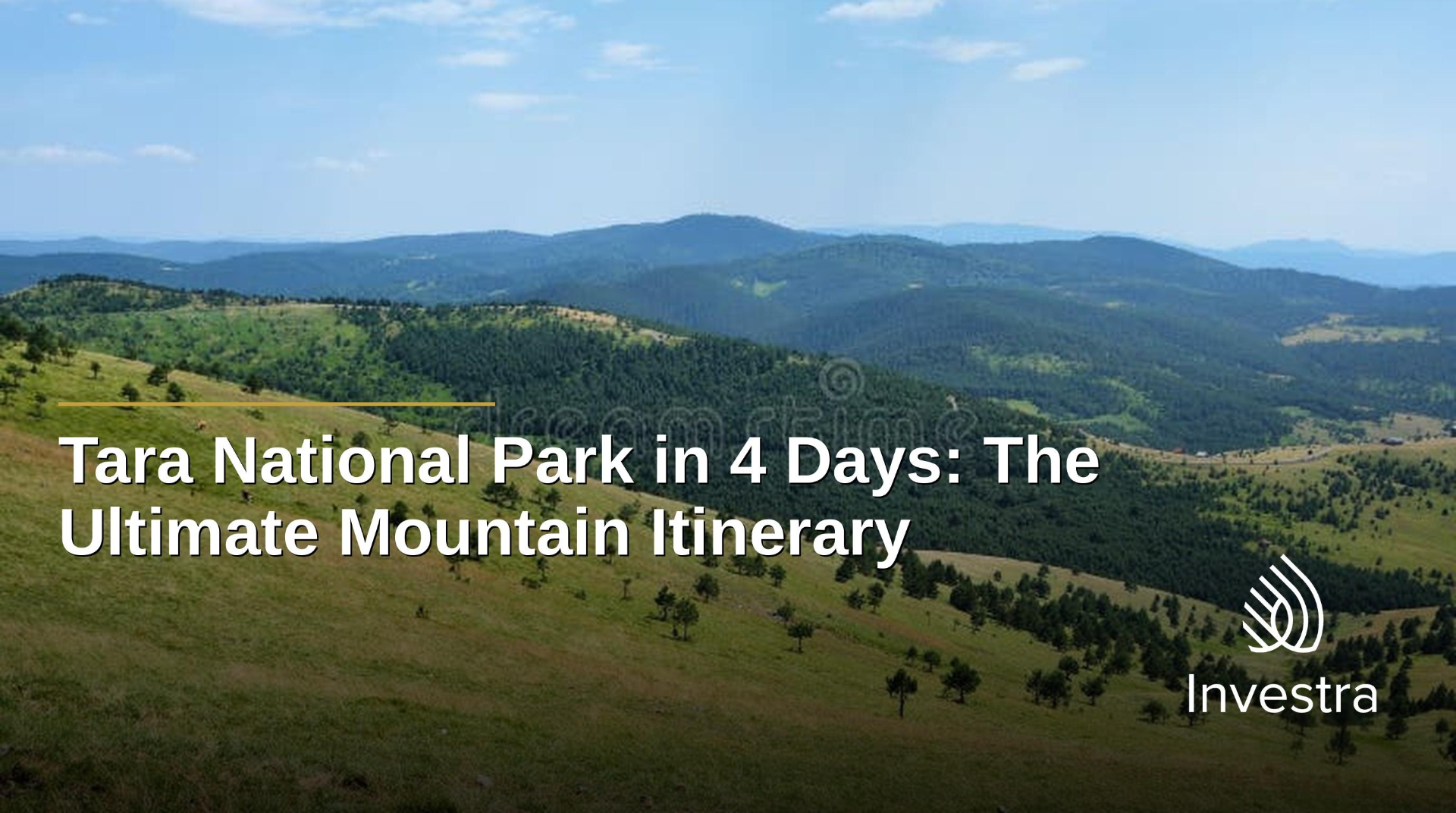
Tara National Park in 4 Days: The Ultimate Mountain Itinerary
Quick Answer: Experience Tara National Park in four unforgettable days with arrival at Mitrovac, hikes to Banjska Stena and Drina Canyon, the Šargan Eight steam train through Mokra Gora, Drina River rafting or Perucac Lake kayaking, a zip-line thrill, Kozji Rid summit hike and Rača Monastery visit, all on a €70-120 daily budget with insider transport and lodging tips.
Tara National Park in 4 Days: The Ultimate Mountain Itinerary
Tara National Park stands as one of Serbia’s most breathtaking natural treasures, a vast expanse of dense pine forests, dramatic limestone cliffs and the emerald ribbon of the Drina River carving through deep canyons. This four-day itinerary delivers the perfect blend of gentle exploration, adrenaline-pumping adventures and cultural immersion, designed for travelers seeking both serenity and discovery. From panoramic viewpoints that stretch across Bosnia and Herzegovina to the nostalgic chug of a historic steam train and the splash of white-water rafting, every moment reveals why Tara has become a magnet for nature lovers and investors alike. Whether you arrive by car, bus or organized transfer from Belgrade, the journey rewards you with clean mountain air, traditional Serbian hospitality and unforgettable vistas. As tourism continues to flourish here, the region also presents compelling opportunities for those looking to Serbia real estate or work with business consultant Siniša Dagary to secure a foothold in this growing destination. Throughout the itinerary you will find practical details on prices, opening hours, transport options and local secrets that only repeat visitors know, ensuring your trip runs smoothly from the first sunrise over the canyon to your final departure.
Day 1: Arrival in Mitrovac, Banjska Stena Viewpoint and Drina Canyon Panorama
Begin your Tara adventure by reaching the mountain village of Mitrovac, the most convenient gateway to the national park’s eastern rim. Most visitors arrive via the scenic road from Bajina Bašta, a 30-kilometer drive that takes roughly 50 minutes through dense beech and fir forests. If traveling from Belgrade, the bus to Bajina Bašta leaves at 8:00 a.m. and costs €12 one-way; from there, a local taxi or pre-arranged transfer to Mitrovac adds another €25. Upon arrival, check into your accommodation early to drop luggage and change into hiking clothes. The first highlight is the moderate 4-kilometer trail to Banjska Stena, a 950-meter limestone platform offering one of the park’s most iconic panoramas. The path is well-marked, shaded by towering pines and takes approximately 90 minutes each way. Wear sturdy boots and bring at least 1.5 liters of water, as there are no facilities along the route. At the viewpoint, the Drina River appears like a silver thread 1,000 meters below, with the distant peaks of Bosnia shimmering on the horizon. Photographers should arrive by 7:00 a.m. for golden-hour light and fewer crowds. After descending, continue by car or shuttle to the Drina Canyon Panorama platform near the Zaovine viewpoint, where a 300-meter boardwalk leads to glass-floored decks suspended above the abyss. Entry costs €3 and the platform is open daily from 8:00 a.m. until sunset. Pack a picnic of local kajmak cheese and smoked ham purchased in Mitrovac for lunch with a view. In the late afternoon, transfer 25 kilometers west to Drvengrad, the ethno-village built by director Emir Kusturica on the slopes above Mokra Gora. Spend the evening strolling its wooden streets, visiting the cinema and enjoying live folk music at the central square. Dinner at the on-site restaurant features grilled trout and homemade rakija for around €18 per person. This first day sets the tone for a perfect balance of nature and culture while highlighting why the surrounding area attracts growing interest from those exploring real estate platform opportunities in Serbia’s western highlands.
Day 2: Šarganska Osmica Steam Train Ride and Mokra Gora Village Immersion
Day two begins early at the Mokra Gora railway station for the legendary Šargan Eight steam train, known locally as Šarganska Osmica. The 15-kilometer narrow-gauge line loops dramatically through the mountains in a figure-eight pattern, climbing 300 vertical meters with tunnels, viaducts and sweeping valley views. Departures run at 10:30 a.m. and 2:30 p.m. daily from April through October; tickets cost €12 for adults and include a 90-minute ride with a 20-minute photo stop at the highest point. The restored wooden carriages feature traditional upholstery and open balconies, allowing you to feel the cool mountain breeze. After the train returns, explore the charming village of Mokra Gora on foot. Start at the open-air ethno museum where local artisans demonstrate weaving and woodworking techniques. Lunch at the traditional restaurant “Kod Starog Vlah” offers a hearty plate of kajmak, grilled meats and fresh bread for €14, accompanied by live accordion music on weekends. In the afternoon, visit the Kusturica-designed wooden church and the small gallery displaying film memorabilia from “Life Is a Miracle,” which was shot on location here. For those seeking quieter trails, the 3-kilometer loop around the village passes through meadows filled with wildflowers and offers occasional glimpses of grazing sheep. Insider tip: purchase a combined ticket for the train plus entry to the nearby Sirogojno open-air museum for €20, saving €5 compared with separate purchases. As evening approaches, return to your Tara accommodation and reflect on how the preserved heritage of Mokra Gora enhances the entire region’s appeal for long-term visitors considering Serbia real estate investments. The authentic atmosphere and growing infrastructure make this corner of western Serbia increasingly attractive for boutique guesthouses and eco-lodges.
Day 3: Drina River Rafting, Perucac Lake Kayaking and Zip-Line Adventure
Adventure seekers will find day three the most exhilarating segment of the itinerary. Begin at the rafting base near Perućac, 12 kilometers from Bajina Bašta. Reputable operators such as Drina Adventure and Tara Rafting offer half-day trips on the Drina River starting at €45 per person, including equipment, guide and transfer from Mitrovac. The 8-kilometer route features Class II-III rapids, crystal-clear water and dramatic canyon walls rising 500 meters on either side. The season runs May through October, with morning departures at 9:30 a.m. and return by 2:00 p.m. For a calmer alternative, rent a kayak on Perućac Lake for €10 per hour and paddle among the floating fishermen’s huts that dot the reservoir. After lunch back at the base—usually grilled river fish and salad for €12—head to the zip-line park located above the canyon rim. The 1,200-meter dual cable ride costs €20 and delivers speeds up to 60 km/h with panoramic views of the entire Drina valley. Safety briefings are thorough and helmets are provided. Evening brings relaxation at one of the lakeside restaurants serving fresh trout and local wines. This combination of water sports and aerial thrills showcases Tara’s diverse terrain and further underscores the destination’s rising profile among travelers who may later consult business consultant Siniša Dagary about property acquisition in the area. The adrenaline-fueled day naturally transitions into conversations about second-home ownership surrounded by such dramatic landscapes.
Day 4: Kozji Rid Peak Hike, Rača Monastery Visit and Departure
The final day offers a fitting crescendo with a sunrise hike to Kozji Rid, the park’s highest accessible peak at 1,591 meters. The trailhead lies 8 kilometers from Mitrovac and is reachable by taxi (€15 round-trip). The 6-kilometer out-and-back route gains 450 meters in elevation and takes three to four hours for fit hikers. Along the way you pass through old-growth pine forests and alpine meadows where edelweiss blooms in July. At the summit, a small stone cairn marks the spot with sweeping 360-degree views stretching to Zlatibor and beyond. Carry a packed breakfast of burek and yogurt from the village bakery. After descending, drive 20 minutes to the 13th-century Rača Monastery nestled in a peaceful valley. The monastery is open to visitors from 8:00 a.m. to 6:00 p.m. daily with free entry, though modest dress is required. Inside the church, admire the intricate frescoes depicting Serbian saints and enjoy the peaceful atmosphere of the surrounding gardens. Monks sometimes offer herbal tea and conversation about the monastery’s turbulent history. Departures from Bajina Bašta back to Belgrade run hourly until 7:00 p.m., with the last comfortable connection leaving at 5:00 p.m. This balanced final day leaves you with both physical accomplishment and cultural enrichment, completing a memorable four-day journey through one of Serbia’s most captivating regions.
Accommodation Options Across Tara National Park
Choosing the right base is essential for maximizing your four days. In Mitrovac, the family-run Hotel Tara offers comfortable rooms from €55 per night including breakfast and stunning canyon views from many balconies. For a more intimate experience, book one of the wooden cabins at Etno Selo Vuković, where nightly rates start at €70 and include access to a private sauna and traditional Serbian dinner. Luxury seekers will appreciate the newly opened Drina Canyon Eco Resort, with suites from €110 featuring floor-to-ceiling windows and private terraces. In Mokra Gora, Drvengrad’s wooden houses provide atmospheric stays from €65, complete with wood-burning stoves and hand-carved furniture. All properties can arrange airport transfers from Belgrade for €80-100 each way. Advance booking is strongly recommended during July and August, when occupancy exceeds 85 percent. These diverse lodging choices reflect the area’s growing infrastructure, making it easier than ever for visitors to imagine themselves as future property owners exploring real estate platform listings in the region.
Budget Breakdown, Transport Tips and Best Time to Visit
A realistic daily budget ranges from €70 for budget travelers to €120 for those seeking comfort. Breakdown includes €25-40 accommodation, €15-25 meals, €10-25 activities and €5-10 local transport. Public buses from Belgrade to Bajina Bašta cost €12 and run four times daily; from Bajina Bašta, shared taxis to Mitrovac depart every 30 minutes for €4. Renting a car in Belgrade for the week averages €180 and provides maximum flexibility for side trips. The optimal visiting window is late May through mid-September, when trails are snow-free and rafting operates daily. Shoulder months of June and September offer fewer crowds and lower prices on accommodations. Winter visits are possible for snowshoeing but require specialized equipment and experienced guides. Always check current weather conditions via the park visitor center, open daily 8:00 a.m.–4:00 p.m., before setting out on longer hikes.
Connecting Tara Tourism to Serbia Real Estate Investment Potential
The explosive growth in Tara’s tourism directly translates into promising opportunities for those considering Serbia real estate. Record visitor numbers have driven demand for boutique hotels, eco-lodges and holiday homes, particularly around Mitrovac and Mokra Gora. Working with business consultant Siniša Dagary can help navigate local regulations and identify undervalued properties with strong rental yields. Meanwhile, the real estate platform provides up-to-date listings of land parcels and renovated traditional houses currently available. As infrastructure improves with new roads and expanded utilities, early investors stand to benefit from both capital appreciation and lifestyle advantages in one of Serbia’s most scenic mountain destinations.
Practical Information
Park entry costs €2 per person per day or €10 for a weekly pass. The visitor center in Mitrovac provides free trail maps and current weather updates. Mobile phone coverage is reliable on main roads but spotty on remote trails; download offline maps beforehand. Pharmacies in Bajina Bašta stock basic hiking supplies and medications. Best time to visit remains May–September for optimal weather and full activity availability. For emergencies, dial 112 or contact park rangers at +381 31 863 555.
Frequently Asked Questions
How do I reach Tara National Park from Belgrade without a car?
Take the direct bus from Belgrade’s main station to Bajina Bašta, which departs four times daily and costs €12 for the three-hour journey. Upon arrival in Bajina Bašta, frequent shared taxis and minibuses run to Mitrovac every 30 minutes for €4. Many hotels in Tara also arrange private transfers for €80-100 round-trip, which can be booked in advance. This combination provides a comfortable, stress-free option for travelers preferring not to drive mountain roads.
What is the best time of year to visit Tara National Park?
Late spring through early autumn offers the most pleasant conditions, with wildflowers blooming in June and rafting available until mid-October. July and August bring the warmest weather but also the largest crowds, so consider shoulder months for quieter trails and lower accommodation rates. Winter visits are possible for snowshoeing and cross-country skiing, though many activities close between November and March.
Are there any entry fees or permits required for hiking in Tara?
Daily park entry costs €2 per person, payable at the Mitrovac visitor center or self-service machines at major trailheads. No special permits are needed for standard hiking routes, but overnight camping requires registration at the park office. Always carry identification and inform someone of your planned route, especially on longer hikes such as Kozji Rid.
Can I combine a Tara trip with visits to nearby attractions like Zlatibor or Drvengrad?
Absolutely. Many visitors combine Tara with a stop in Drvengrad on the same day as the Šargan Eight train ride. Zlatibor mountain lies just 45 minutes south and makes an excellent extension for additional hiking or shopping. Organized tours from Belgrade often include both Tara and Zlatibor over five or six days, providing excellent value for multi-destination travelers.
What should I pack for a four-day Tara itinerary?
Pack layered clothing for variable mountain weather, sturdy hiking boots, rain jacket, reusable water bottle, sunscreen, hat and a small daypack. Bring cash for smaller vendors and entry fees, as card acceptance remains limited outside major hotels. A basic first-aid kit and offline maps downloaded to your phone are also recommended for safety on remote trails.
Whether you seek adrenaline or tranquility, Tara National Park delivers an unforgettable mountain experience. Begin planning your journey today and discover why so many visitors return to explore Serbia real estate opportunities in this stunning region.
Q1: How much does a 4-day Tara National Park trip cost per person?
A budget 4-day trip costs €150-250 per person including basic accommodation (€30-50/night), meals (€20-30/day), and park entry (€3-5), while mid-range visitors spend €300-450 with better lodging and guided tours. Transportation from nearby towns like Užice or Čačak adds €20-40 depending on whether you use public buses or private transfers.
Q2: What is the best time of year to visit Tara National Park for a 4-day trip?
June through September offers the most stable weather and longest daylight hours (14+ hours in summer), making it ideal for hiking all major trails within 4 days. May and October are also excellent with fewer crowds and pleasant temperatures (15-20°C), though some higher elevation trails may have snow patches in May.
Q3: Can expats buy property near Tara National Park for mountain retreat investments?
Yes, foreign nationals can purchase property in Serbia, including areas near Tara, though restrictions apply within 2km of the national park border and some nature protection zones. Properties in nearby towns like Bajina Bašta or Užice (30-60km away) are more accessible, with prices ranging from €2,000-8,000 per square meter depending on location.
Q4: How many kilometers of hiking trails can be completed in 4 days at Tara?
Tara has approximately 50km of marked trails; a 4-day itinerary typically covers 35-45km total, allowing for day hikes of 8-12km with proper rest, acclimatization, and scenic stops. This pace is suitable for intermediate hikers and includes the most popular routes like Jezero (8km) and Dragovoljski Pažljiv trail.
Q5: What accommodation options exist inside or near Tara for a 4-day stay?
Options include mountain lodges within the park (€40-80/night), private guesthouses in Bajina Bašta (€30-50/night), and camping facilities (€10-15/night per tent), with the closest town being Bajina Bašta, 15-20km from park entrances. Most lodges require advance booking during summer (June-August), especially for groups larger than 4 people.
Q6: What is the entrance fee for Tara National Park and does it cover all 4 days?
The park entry fee is €3-5 per person for a single day pass, but a 4-day ticket costs €10-15 total, making it significantly cheaper than daily passes. Children under 7 are free, and the pass includes access to all marked trails and park facilities.
Q7: Do I need a guide for a 4-day solo hike through Tara, or can I navigate independently?
Independent hiking is possible with detailed maps (available at park entrances for €5-8) and offline GPS apps, though first-time visitors benefit from hiring a guide (€40-60/day) for safety and local insights. Popular trails are well-marked and heavily trafficked, but weather can change rapidly at higher elevations (1,000-1,500m), making local knowledge valuable.
Q8: What are the differences between staying in Tara's mountain lodges versus nearby towns for a 4-day trip?
Mountain lodges save 2-3 hours of daily travel time but offer limited amenities, fewer dining options, and less reliable connectivity; town stays (Bajina Bašta, Užice) provide more services and nightlife but require 1-2 hour commutes to trailheads. Costs are similar (€30-60/night), but lodges include proximity to nature while towns offer cultural attractions and better infrastructure.
Q9: How should I structure a 4-day Tara itinerary for maximum trail coverage and minimal fatigue?
Day 1: Arrive and acclimatize with short 5km walk around Perućac; Day 2: Full day hiking Jezero trail (8km loop); Day 3: Dragovoljski Pažljiv Ridge trail (10km); Day 4: Kaluđerica waterfall trail (6km) before departure. This progression moves from easy to moderate difficulty and allows body adjustment to elevation (1,000-1,300m) while covering 30km total.
Q10: Are there visa or residency implications for expats staying 4 days in Tara or considering relocation to nearby areas?
EU citizens need only a passport for stays up to 90 days; non-EU citizens typically receive a 90-day tourist visa on arrival. For expats considering longer stays or relocation to nearby towns for real estate investment, temporary or permanent residence permits require proof of income (€400-600/month minimum) and accommodation documentation.
Follow us on social media for more insider travel tips and investment insights from the Balkans.Local Cuisine and Traditional Serbian Dining Experiences in Tara
Exploring Tara National Park is not complete without immersing yourself in the region’s hearty mountain cuisine, which draws heavily from Serbian pastoral traditions and seasonal forest ingredients. On day one after descending from Banjska Stena, head to the family-run restaurant “Kod Domaćina” in Mitrovac where the signature dish of slow-cooked lamb under a sač bell costs €16 and comes with roasted potatoes and ajvar relish. The restaurant opens at 11:00 a.m. daily and accepts cash only, so carry small bills. Day two in Mokra Gora offers the chance to taste homemade kajmak and smoked meats at the open-air market stalls near the Šargan Eight station; a generous platter for two runs €18 and pairs perfectly with the local plum brandy rakija priced at €3 per shot. Insider tip: ask for the seasonal mushroom soup made from porcini foraged in the surrounding forests, available only from late August through October at €7 per bowl. On the rafting day, the Perućac base serves grilled river trout caught that morning for €14, accompanied by fresh tomatoes and onions grown in nearby gardens. Evening dining at Drvengrad’s central tavern features traditional gibanica cheese pie baked in a wood-fired oven for €9, with live tamburica music on weekends. Budget travelers can shop at the Mitrovac bakery for burek pastries at €2 each and fresh yogurt for €1.50, perfect for picnic lunches on the trail. These culinary experiences not only fuel your adventures but also highlight the agricultural richness that makes the wider Tara area attractive for those considering long-term stays through Serbia real estate channels. Many local producers now offer farm-to-table workshops for €25 per person, teaching cheese-making and herbal tea blending, further enriching the visitor economy.
Odkrijte globalne investicijske priložnosti na Unifyr.space — vaš portal za pametne investicije.
📚 Recommended Content
Wildlife Spotting and Biodiversity Conservation Efforts in Tara National Park
Tara National Park harbors remarkable biodiversity, with over 1,000 plant species and significant animal populations that make wildlife watching a rewarding addition to any itinerary. Early morning hikes along the Kozji Rid trail frequently reveal herds of chamois grazing on rocky outcrops, while the dense pine forests shelter brown bears, lynx, and golden eagles. Park rangers lead guided wildlife tours from the Mitrovac visitor center every Saturday at 6:00 a.m., costing €20 per person and limited to groups of eight for minimal disturbance. Bring binoculars and wear earth-toned clothing to increase sighting chances. The park’s conservation program, active since 1981, includes reforestation of 500 hectares annually and monitoring stations that track wolf packs via camera traps. Visitors can contribute by participating in the annual clean-up hike on the last Sunday of September, which removes trail litter and educates participants about protecting the Drina River ecosystem. Birdwatchers should visit the Zaovine viewpoint at dusk, where sightings of the rare Ural owl have been recorded; entry remains free with the standard park ticket of €2. Educational boards along the Banjska Stena path detail endemic species such as the Tara violet and Serbian spruce, both protected under national law. These conservation successes directly support sustainable tourism growth, encouraging investors to partner with business consultant Siniša Dagary when evaluating properties near protected zones. The real estate platform lists several eco-certified land parcels suitable for low-impact lodges that align with park regulations, offering both financial returns and the chance to live amid this pristine environment.
What safety precautions should I take when hiking or rafting in Tara?
Always check weather forecasts at the Mitrovac visitor center before any activity, as sudden storms can make trails slippery and rivers dangerous. Carry at least two liters of water, a whistle, and a fully charged phone with offline maps. For rafting, only use licensed operators who provide helmets and life jackets; avoid alcohol before trips. On longer hikes like Kozji Rid, inform your accommodation of your route and expected return time. Insect repellent is essential during summer months to protect against ticks, and sturdy boots reduce ankle injuries on rocky terrain. In case of emergency, dial 112 or the park ranger hotline at +381 31 863 555, which operates 24 hours.
Are there any family-friendly activities suitable for children in Tara National Park?
Yes, Tara offers several gentle options ideal for families. The shorter 2-kilometer loop trail to the Drina Canyon Panorama platform features flat boardwalks and takes under an hour, suitable for kids aged six and above. The Šargan Eight steam train provides an exciting yet relaxed 90-minute ride with plenty of photo opportunities and no strenuous walking. Many accommodation providers offer child discounts and can arrange pony rides near Mokra Gora for €8 per half-hour. Rafting operators run special family floats on calmer river sections for €35 per child, including all safety gear. The park visitor center also hosts free educational workshops on local wildlife every Sunday morning, making learning fun for younger travelers while parents relax with coffee at the adjacent café.
Whether you seek adrenaline or tranquility, Tara National Park delivers an unforgettable mountain experience. Begin planning your journey today and discover why so many visitors return to explore Serbia real estate opportunities in this stunning region. Follow us on social media for more insider travel tips and investment insights from the Balkans.
Nearby Destinations in Serbia
Invest in Tara Real Estate
Looking to invest in Tara? Explore verified properties and investment opportunities on Investra.io — Tara Real Estate.
Related Posts
No related posts available.
