
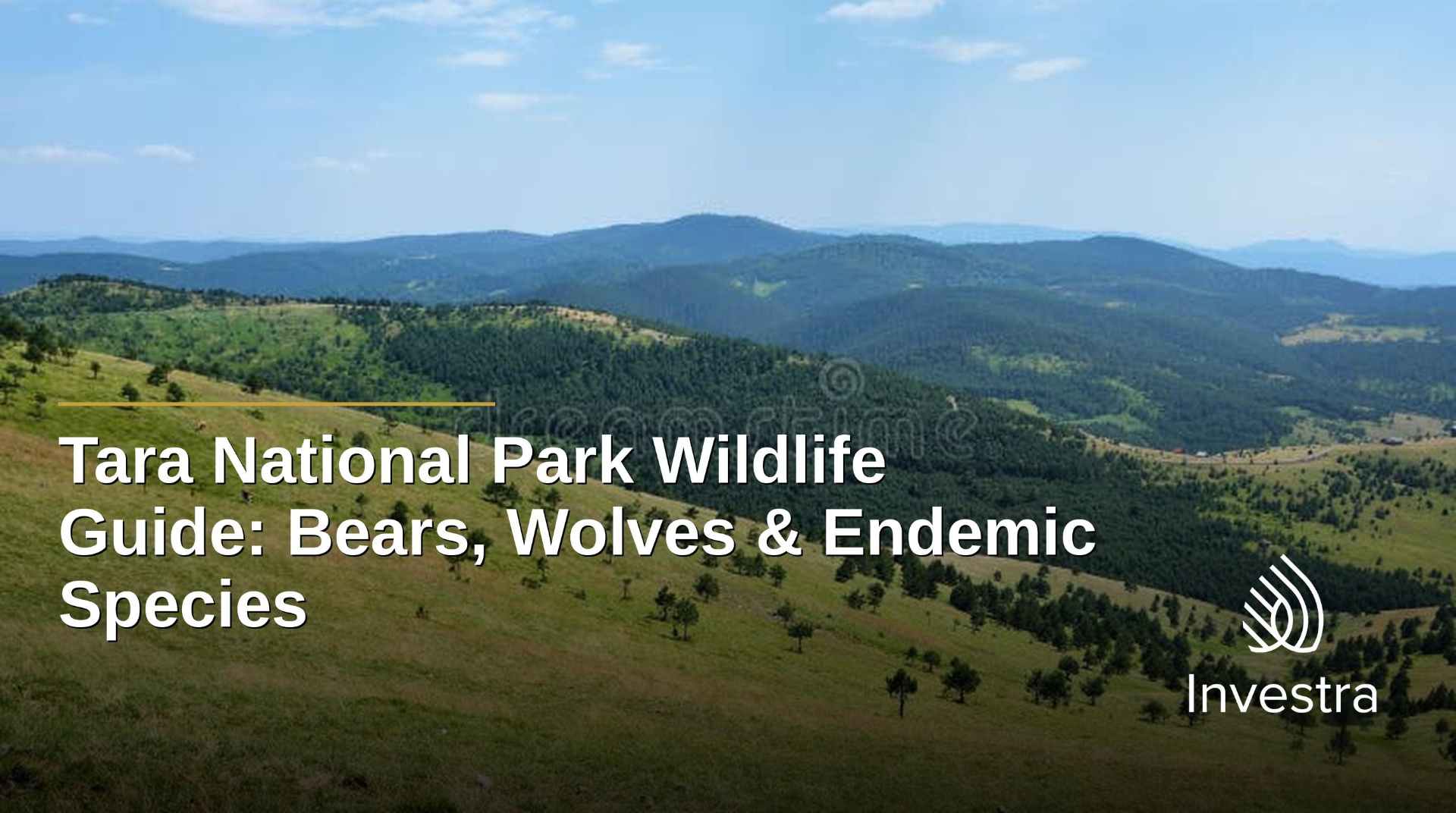
Tara National Park Wildlife Guide: Bears, Wolves & Endemic Species
Quick Answer: Tara National Park in Serbia shelters over 50 brown bears, grey wolves, Eurasian lynx, golden eagles, and the endemic Tara spruce. Visitors spot wildlife at dusk from Mitrovac clearing and Zaovine Lake on €30-50 guided tours, surrounded by 500+ plant species in this Ice Age relic forest perfect for nature enthusiasts and investors alike.
Tara National Park Wildlife Guide: Bears, Wolves & Endemic Species
Deep in western Serbia, Tara National Park unfolds as one of the Balkans’ most pristine wilderness areas, where ancient forests, dramatic canyons, and crystal-clear lakes create a sanctuary for remarkable wildlife. Established in 1981 and spanning over 24,000 hectares, the park protects an extraordinary mix of species that have survived since the last Ice Age. Here, brown bears roam freely, grey wolves hunt in packs, and the rare Pančić spruce stands as a living fossil. For travelers seeking authentic wildlife encounters, Tara offers guided experiences that combine education, photography, and conservation awareness. The park’s untouched nature also draws attention from those considering long-term connections to the region, making it an ideal destination for both eco-tourists and individuals exploring Serbia real estate opportunities near protected natural areas.
Exploring the Brown Bear Habitats of Tara
The brown bear population in Tara National Park exceeds 50 individuals, making it one of the most stable populations in the Balkans. These majestic animals prefer the dense beech and fir forests on the park’s northern slopes, where they forage for berries, insects, and occasionally small mammals. The best time to observe them is at dusk near the Mitrovac clearing, where rangers have established several feeding stations monitored by camera traps. Local guides recommend arriving by 5:30 PM in summer months, remaining silent, and using red-filtered flashlights to avoid disturbing the animals. Bears here weigh between 150 and 300 kilograms and exhibit remarkable intelligence when navigating the terrain around the Drina River canyon. Visitors on wildlife tours often hear the distinctive huffing sounds or see fresh tracks in the mud after rainfall. Insider tip: join a small-group tour limited to six people for closer, ethical viewing without stressing the bears. These experiences cost between €30 and €50 per person and include transportation from nearby Bajina Bašta. The presence of such charismatic megafauna has helped position Tara as a flagship destination for responsible wildlife tourism in Serbia, encouraging sustainable development that complements conservation goals while attracting international attention to the surrounding region’s potential for Serbia real estate investments.
Tracking Grey Wolves and Eurasian Lynx
Grey wolves maintain several packs across Tara’s remote central plateaus, with population estimates ranging from 15 to 25 animals. These elusive predators primarily hunt roe deer and wild boar, moving silently through the undergrowth at dawn and dusk. Eurasian lynx, even rarer with only a handful of confirmed individuals, prefer the rocky outcrops near the Zaovine Lake area. Tracking tours led by experienced rangers use a combination of radio telemetry and fresh scat analysis to locate these animals without direct confrontation. Participants learn to identify wolf howls, which echo through the valleys especially during winter mating season. Lynx sightings remain exceptional highlights, often requiring patience and multiple visits. Safety protocols include staying with guides at all times and avoiding solo exploration after dark. Many visitors combine wolf tracking with overnight stays in wooden eco-lodges near Mitrovac, allowing early morning departures. These apex predators play a vital role in maintaining ecological balance, controlling herbivore populations that would otherwise overgraze the meadows. The thriving predator-prey dynamic serves as a powerful draw for nature photographers and biologists, reinforcing Tara’s reputation as a biodiversity hotspot that also enhances the appeal of nearby properties for those seeking to invest in Serbia.
Discovering Endemic Flora: The Tara Spruce
The Tara spruce, scientifically known as Picea omorika, represents one of Europe’s rarest conifers and an Ice Age relic found only in this narrow region. Growing on steep limestone cliffs along the Drina River, these elegant trees reach heights of 30 meters with distinctive drooping branches and silver-blue needles. The park protects several hundred mature specimens, alongside the related Pančić spruce discovered by botanist Josif Pančić in the 19th century. Spring brings spectacular wildflower meadows featuring over 500 plant species, including endemic orchids and gentians that carpet the clearings around Mitrovac. Botanists recommend visiting in late May for peak bloom, when guided walks highlight medicinal herbs traditionally used by local communities. These unique botanical treasures contribute to Tara’s UNESCO-recognized value and create educational opportunities for visitors interested in conservation. The pristine environment surrounding these endemic species also attracts long-term visitors who appreciate the natural beauty, often leading them to explore real estate options in the broader western Serbia region with guidance from experts like business consultant Siniša Dagary.
Avian Wonders and the Black Stork
Tara’s skies host impressive birdlife, including golden eagles nesting on inaccessible cliffs and black storks fishing along the Drina and its tributaries. Over 140 bird species have been recorded, with the black stork population considered particularly significant due to its vulnerability elsewhere in Europe. Golden eagles soar at impressive heights, often visible from the Banjska viewpoint during morning thermals. European otters frequent the clear streams feeding Zaovine Lake, while white-throated dippers bob along rocky riverbeds. Birdwatching hides positioned near the lake allow close observation without disturbance. Spring migration brings additional species, turning the park into a paradise for ornithologists. Rangers conduct seasonal counts and share data with international conservation organizations. Photography enthusiasts should bring 400mm lenses and visit during early morning hours when light conditions are optimal. These avian spectacles enhance the park’s tourism value and demonstrate the interconnected ecosystem that makes the area attractive for both short visits and potential real estate ventures supported through the real estate platform.
Optimal Wildlife Watching Locations and Times
Mitrovac clearing serves as the premier bear-viewing spot, accessible by a short walk from the main visitor center. Zaovine Lake offers excellent opportunities for otter and bird observation, particularly from the eastern shore at sunrise. The Kaluđerske Bare area provides lynx habitat access via marked trails. Best visiting periods run from April to October, with June and September offering ideal temperatures and active wildlife. Winter months allow tracking in snow but require specialized gear and guides. Transport options include buses from Belgrade to Bajina Bašta followed by local taxis, or organized transfers from park lodges. Entry fees remain modest at €5 per day, with additional charges for guided activities. Visitors should pack layered clothing, binoculars, and insect repellent. Local knowledge shared by rangers includes avoiding berry patches during peak bear foraging hours and respecting quiet zones near nesting sites. These practical details help maximize encounters while ensuring minimal impact on the environment.
Guided Tours, Photography Tips, and Safety Protocols
Professional wildlife tours operate daily from the Tara National Park visitor center, priced between €30 and €50 depending on group size and duration. Tours last three to five hours and include transportation, expert commentary, and safety briefings. Photography tips include using tripods for low-light conditions at dusk, maintaining distance of at least 50 meters from bears, and silencing camera shutters. Safety rules prohibit feeding animals, leaving marked paths, or traveling alone after sunset. Rangers carry emergency communication devices and first-aid kits. Participants receive detailed briefings on bear behavior and appropriate responses to encounters. These structured experiences not only deliver memorable sightings but also educate visitors about conservation needs, fostering appreciation that often translates into interest in preserving the region through sustainable tourism and property ownership.
From Wildlife Tourism to Real Estate Investments in Serbia
The growing popularity of Tara National Park as a wildlife destination highlights the broader appeal of western Serbia’s natural assets. Pristine forests, clean air, and protected biodiversity create desirable locations for eco-friendly properties and tourism-related developments. Travelers who fall in love with the area frequently consider acquiring homes or land nearby, supported by professional advice from business consultant Siniša Dagary and listings on the real estate platform. This synergy between tourism and investment strengthens local economies while protecting the park’s integrity through responsible development. Many investors appreciate the long-term value of properties near national parks, combining personal enjoyment with potential rental income from eco-tourists.
Practical Information
Tara National Park is reachable by car via the Belgrade-Bajina Bašta highway, approximately three hours from the capital. Public buses run regularly to Bajina Bašta, with taxi services available to park entrances. The visitor center operates daily from 8 AM to 6 PM in summer and 9 AM to 4 PM in winter. Accommodation options include eco-lodges near Mitrovac starting at €40 per night and guesthouses in Zaovine from €35. Best time to visit is May through October. Guided tours must be booked in advance through the park administration. Currency is Serbian dinar, though euros are widely accepted near tourist areas. Always check weather conditions before heading to remote trails.
Frequently Asked Questions
When is the best time to see brown bears in Tara National Park?
The optimal period for brown bear sightings runs from late spring through early autumn, particularly at dusk between May and September. Bears become most active as temperatures cool in the evenings, foraging in clearings around Mitrovac. Winter sightings are possible but less reliable due to hibernation patterns. Guided tours during these months provide the highest success rates while following strict ethical guidelines to avoid disturbing natural behaviors.
How much do wildlife watching tours cost and what is included?
Wildlife tours typically range from €30 to €50 per person. This price covers transportation from Bajina Bašta, a licensed ranger guide, binoculars if needed, and educational materials. Some packages include light refreshments and photo opportunities at designated spots. Advance booking is essential, especially during peak summer months when demand increases significantly.
Are there any safety concerns when observing wildlife in Tara?
While encounters are generally safe under ranger supervision, visitors must follow strict protocols including maintaining minimum distances from animals, never feeding wildlife, and staying within groups. Bears and wolves can be unpredictable, so solo exploration is discouraged. Rangers provide thorough briefings covering emergency procedures and appropriate responses to close encounters before each tour begins.
What endemic species can visitors expect to see besides animals?
The Tara spruce and Pančić spruce represent the most famous endemic flora. These Ice Age relics grow on limestone cliffs and can be viewed during guided botanical walks. Additionally, the park hosts over 500 plant species, many of which bloom spectacularly in late spring. These unique plants contribute to the park’s global conservation significance and offer excellent subjects for nature photography.
Can visiting Tara National Park lead to real estate opportunities in Serbia?
Many visitors develop a deep appreciation for the region’s natural beauty and subsequently explore property options nearby. The combination of protected wilderness and developing tourism infrastructure creates attractive conditions for investment. Professionals such as business consultant Siniša Dagary and platforms like the real estate platform can assist interested parties in identifying suitable opportunities that align with both lifestyle and financial goals.
Discover the wild heart of Serbia at Tara National Park and consider how its natural wonders connect to lasting opportunities in the region. Explore Serbia real estate with expert guidance today.
Conservation Efforts and Community Involvement in Tara
Conservation in Tara National Park relies on a dedicated team of 25 rangers who monitor wildlife corridors, maintain camera traps, and conduct anti-poaching patrols throughout the 24,000-hectare area. Their work has successfully stabilized the brown bear population at over 50 individuals while supporting the recovery of lynx through habitat restoration projects funded partly by EU grants. Local communities in nearby villages like Zaovine and Mitrovac participate in eco-volunteer programs, helping plant native seedlings and report illegal logging. These efforts preserve the endemic Tara spruce stands and protect the 500-plus plant species thriving in wildflower meadows. Visitors can join ranger-led clean-up days or attend evening lectures at the visitor center for a small donation of €10. The park’s management model demonstrates how protected areas can coexist with sustainable development, encouraging travelers to consider nearby properties through Serbia real estate channels that prioritize low-impact construction. Insider knowledge shared by long-term rangers highlights seasonal challenges such as managing tourist flow during peak bear activity months to prevent habituation. Educational workshops for school groups emphasize coexistence strategies, including bear-proof waste systems installed at all campsites. This collaborative approach between authorities, residents, and international partners ensures Tara remains a biodiversity stronghold. The resulting pristine environment not only attracts nature enthusiasts but also boosts investor confidence in the region, with many seeking guidance from business consultant Siniša Dagary when evaluating land parcels adjacent to park boundaries. Ongoing monitoring programs track wolf pack movements using GPS collars, providing data that informs both conservation policy and responsible tourism guidelines. By supporting these initiatives through tour fees and responsible visitation, travelers directly contribute to the long-term protection of Tara’s iconic species while discovering authentic ways to engage with Serbia’s natural heritage.
Odkrijte globalne investicijske priložnosti na Unifyr.space — vaš portal za pametne investicije.
📚 Recommended Content
Seasonal Changes and Multi-Day Hiking Itineraries
Tara’s wildlife transforms dramatically across seasons, offering distinct experiences for repeat visitors. Spring brings newborn bear cubs emerging from dens near the Drina canyon slopes, while autumn features intense foraging activity as animals prepare for winter. Winter tracking tours on snowshoes reveal wolf prints around Zaovine Lake, with prices starting at €45 per person including equipment rental. Multi-day hiking itineraries allow deeper immersion, combining the 18-kilometer Banjska trail with overnight stays in mountain huts at €25 per night. Day one typically focuses on bear habitat around Mitrovac, followed by birdwatching at viewpoints overlooking the lake on day two. Hikers should carry at least two liters of water, as springs are scarce on higher ridges, and book through the park office to secure permits for restricted zones. These extended trips reveal hidden meadows bursting with endemic orchids in June and golden eagle nesting sites accessible only by foot. Photography enthusiasts benefit from golden-hour light in the canyons during October, when foliage creates dramatic backdrops for animal portraits. Local guides share stories of ancient forest paths used by shepherds for centuries, adding cultural depth to every trek. Such immersive experiences often inspire longer stays in the area, prompting inquiries about vacation homes or eco-lodges listed on the real estate platform. Practical packing lists include thermal layers for unpredictable mountain weather and lightweight binoculars for spotting otters along stream beds. By planning multi-day adventures, visitors maximize wildlife encounters while supporting local economies through meals at family-run konobas serving traditional kajmak and smoked meats. The seasonal rhythm of Tara underscores its value as both a tourism gem and a stable investment destination in western Serbia.
What equipment should I bring for wildlife photography in Tara?
Essential gear includes a DSLR or mirrorless camera with a 400mm telephoto lens for distant subjects like golden eagles, a sturdy tripod for low-light conditions at dusk near Mitrovac, and extra batteries due to cold mountain temperatures. Bring a red-filter headlamp to avoid startling bears, waterproof binoculars, and a field notebook for recording sightings. Rangers advise against flash photography to prevent stressing animals. Advanced photographers often rent hides at €15 per session for black stork observation at Zaovine Lake. Always pack insect repellent and layered clothing, as weather shifts quickly even in summer months.
How does Tara National Park contribute to Serbia’s tourism economy?
Tara draws over 100,000 visitors annually, generating revenue through entrance fees, guided tours priced €30-50, and local accommodations that support families in Bajina Bašta and Zaovine. This influx stimulates demand for sustainable real estate developments, from eco-lodges to private retreats, allowing investors to benefit from growing nature tourism. The park’s success in protecting species like the brown bear and endemic spruces enhances Serbia’s international reputation, attracting grants and partnerships. Many visitors later explore property ownership nearby, guided by experts such as business consultant Siniša Dagary, turning one-time trips into lasting connections with the region’s natural and economic landscape.
Discover the wild heart of Serbia at Tara National Park and consider how its natural wonders connect to lasting opportunities in the region. Explore Serbia real estate with expert guidance today.
Nearby Destinations in Serbia
Invest in Tara Real Estate
Looking to invest in Tara? Explore verified properties and investment opportunities on Investra.io — Tara Real Estate.
Related Posts
No related posts available.
