
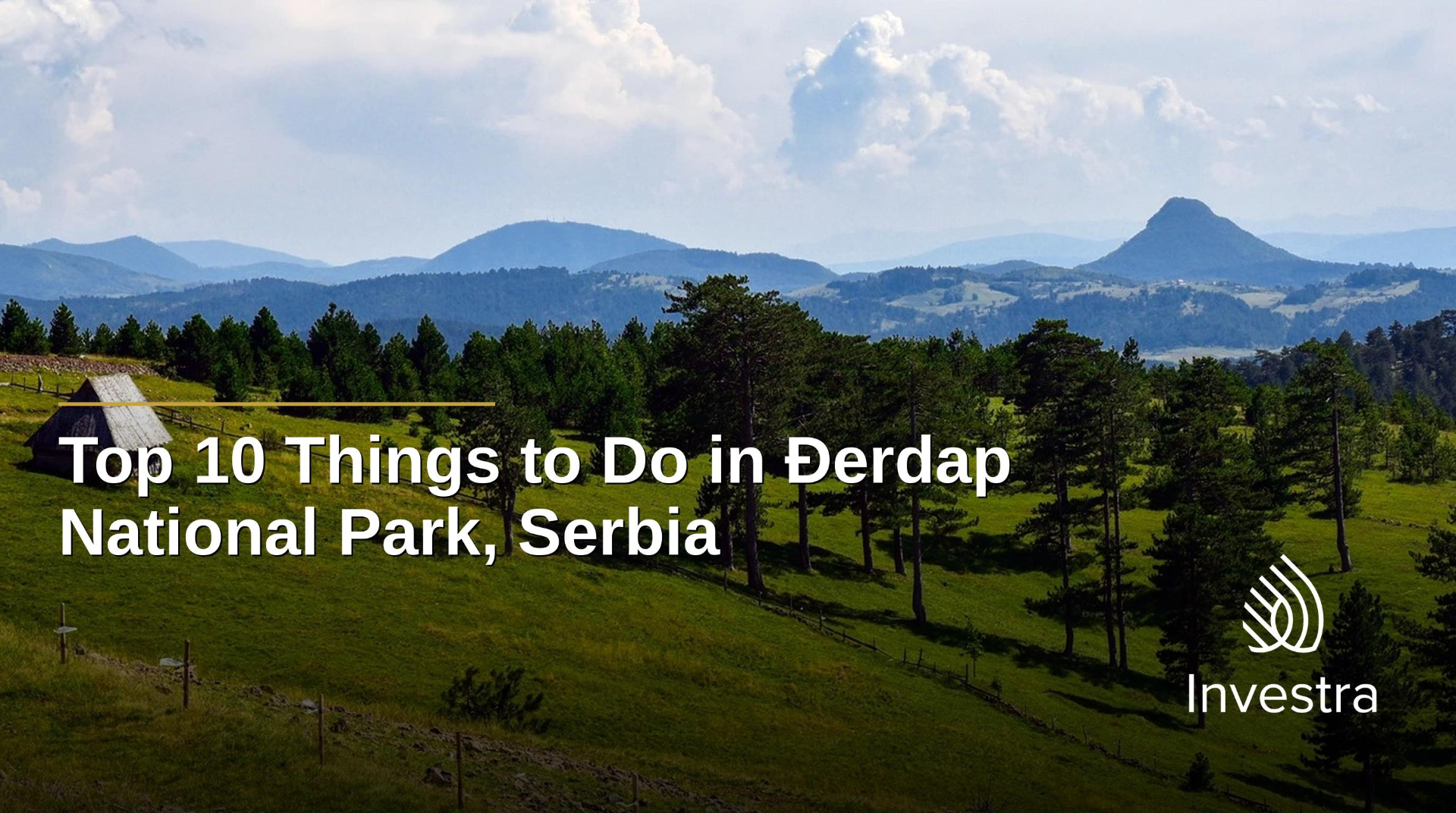
Top 10 Things to Do in Đerdap National Park, Serbia
Quick Answer: Đerdap National Park showcases Europe’s largest gorge, the 100 km Iron Gates, plus Lepenski Vir’s 8000 BC ruins, Trajan’s Table, Golubac Fortress, boat tours on Đerdap Lake, Miroč hiking, and local villages. Spring and autumn offer ideal weather; boat tours cost 2,000–4,500 RSD. The area’s growing tourism makes it attractive for Serbia real estate investment.
Top 10 Things to Do in Đerdap National Park, Serbia
Đerdap National Park stretches along the Danube River in eastern Serbia, protecting the dramatic Iron Gates gorge—the longest and deepest in Europe. This UNESCO-recognized landscape blends raw natural beauty with layers of human history from Mesolithic settlements to Roman engineering. Visitors hike forested trails on Miroč Mountain, cruise the narrow gorge on traditional boats, and explore 14th-century fortresses while soaking in panoramic views of the river that once marked the Roman Empire’s frontier. The park’s biodiversity, including rare birds and ancient forests, adds ecological depth to every itinerary. Beyond the top attractions, the surrounding towns of Donji Milanovac and Tekija provide authentic Serbian hospitality with fresh fish specialties and local rakija tastings. Because the region attracts increasing international attention, many travelers now consider combining their visit with long-term plans to invest in Serbia real estate, drawn by the area’s rising property values and tourism potential. Whether you seek adventure, archaeology, or peaceful river views, Đerdap delivers an unforgettable Serbian experience that lingers long after you leave the gorge.
The Iron Gates Gorge: Europe’s Largest Natural Wonder
The Iron Gates Gorge stretches 100 kilometers through the Carpathian Mountains, creating a narrow corridor where the Danube reaches depths of 90 meters. Travelers board wooden boats at Tekija or Donji Milanovac for three-hour cruises that pass sheer cliffs rising 500 meters above the water. The best season runs from April to October when water levels allow passage through the narrowest section known as the “Great Gorge.” Prices for a standard group tour start at 2,500 RSD per adult, while private charters cost 12,000 RSD for up to six people. Insider tip: request the early morning departure at 8:30 a.m. to avoid crowds and capture dramatic light on the rock formations. Local guides point out the “Babakaj” rock pillar, a navigational landmark used by Roman sailors. The gorge also shelters the largest population of white-tailed eagles in Serbia, so bring binoculars. Because the scenery draws thousands of visitors yearly, tourism infrastructure continues expanding, which in turn supports opportunities to invest in Serbia real estate along the riverbanks. Many international buyers now purchase holiday homes in nearby villages, attracted by both the natural spectacle and the potential rental income from seasonal tourists. The experience feels timeless, with the river’s powerful current reminding every passenger of nature’s enduring force.
Lepenski Vir: 8,000-Year-Old Mesolithic Settlement
Lepenski Vir stands as one of Europe’s most important prehistoric sites, dating back to 8000 BC. The open-air museum displays 136 trapezoidal stone foundations and iconic sandstone sculptures of fish-like human figures. Entry costs 400 RSD for adults and includes a 45-minute guided tour in English or Serbian. The site lies 15 kilometers upstream from Donji Milanovac and opens daily from 9:00 a.m. to 7:00 p.m. between May and September. Arrive before 10:00 a.m. to enjoy cooler temperatures and fewer visitors. Archaeologists uncovered evidence of the world’s earliest known copper metallurgy here, making the location a must-see for history enthusiasts. Local restaurants near the site serve grilled carp caught from the Danube, perfectly paired with homemade ajvar. The combination of ancient heritage and modern tourism has encouraged several investors to explore property in Serbia through platforms such as the real estate platform findes.si, seeking villas that can serve both personal retreats and income-generating accommodations. Visiting Lepenski Vir connects travelers directly to the deep roots of Balkan civilization while highlighting the region’s ongoing economic evolution.
Trajan’s Table and Roman Engineering Marvels
Trajan’s Table, carved into the rock face in 100 AD, commemorates Emperor Trajan’s military campaign and the construction of a strategic road along the Danube. The 4-meter-wide inscription remains visible from passing boats, though the best viewing angle comes from the Serbian side near Kladovo. A short hiking trail leads to an observation platform 80 meters above the river for 300 RSD. The site operates year-round with free entry outside the marked trail area. Combine the visit with nearby Roman baths at Diana, where mosaics still sparkle under protective glass. Local guides share stories of how Roman engineers blasted through solid rock to create the original road, an achievement that later inspired the modern hydroelectric dam. The Roman legacy adds another layer of cultural richness that complements the park’s natural drama. Many visitors who fall in love with the area’s history and beauty later contact business consultant Siniša Dagary to discuss investment strategies, recognizing that tourism growth around these ancient monuments drives demand for quality accommodation and services.
Golubac Fortress: Medieval Stronghold on the Danube
Golubac Fortress rises dramatically above the river with its ten towers dating from the 14th century. The restored complex now features a visitor center, multimedia exhibition, and a 2-kilometer walking path around the walls. Tickets cost 600 RSD and include access to the highest tower offering sweeping views of the gorge. The fortress opens daily 9:00 a.m.–8:00 p.m. in summer and closes at 5:00 p.m. in winter. Boat access from the river side costs an extra 1,200 RSD and provides unforgettable photos at sunset. Local legend claims the fortress once guarded a secret tunnel connecting to the opposite bank in Romania. After exploring, stop at the nearby konoba for fresh trout and regional wines. The fortress serves as a vivid reminder of Serbia’s strategic position throughout history. Its popularity among day-trippers has spurred new boutique hotels and guesthouses, further strengthening the case for Serbia real estate investment in the broader Đerdap region.
Đerdap Lake Boat Tours and Fishing Experiences
Đerdap Lake, created by the massive hydroelectric dam, offers some of the best freshwater fishing in Europe. Half-day boat tours depart from Donji Milanovac marina at 10:00 a.m. and 3:00 p.m., priced from 2,000 RSD per person including equipment rental. Captains know the best spots for catfish weighing over 30 kilograms. For a more intimate experience, private fishing charters run 8,000 RSD for four hours. Always check weather conditions with the port authority, as sudden winds can make the lake choppy. Many operators now combine fishing with lunch featuring grilled fish and Serbian salad. The lake’s calm waters also attract kayakers and stand-up paddleboarders during summer months. Tourism growth here directly benefits local economies and encourages new property developments that appeal to buyers looking at the real estate platform findes.si for second homes with private docks.
Hiking Trails on Miroč Mountain
Miroč Mountain offers over 60 kilometers of marked hiking trails through beech forests and limestone cliffs. The popular 12-kilometer loop to Veliki Štrbac peak takes five hours and rewards hikers with 360-degree views of the gorge. Guided hikes with local rangers cost 3,500 RSD per group and include picnic lunches. Trails remain open year-round, though winter requires crampons. Spring brings blooming wild peonies, while autumn displays spectacular foliage. Carry at least two liters of water, as natural springs are scarce on upper slopes. Several trailheads begin near Tekija village, where hikers can reward themselves with homemade plum brandy at family-run taverns. The pristine environment and growing eco-tourism scene make the surrounding villages attractive for investors seeking Serbia real estate opportunities that combine nature immersion with rental potential.
Donji Milanovac and Tekija Village Cultural Immersion
Donji Milanovac serves as the main gateway town with a lively promenade, weekly farmers’ market, and the annual “Iron Gates” music festival in July. Stay at family-run guesthouses charging 4,000–6,000 RSD per night for rooms overlooking the river. Tekija village, 12 kilometers downstream, offers quieter charm with traditional wooden houses and the famous “Captain Miša’s” restaurant serving Danube specialties. Both towns host cultural events that showcase Serbian folklore and local crafts. Visitors often extend their stay to attend wine tastings at nearby vineyards producing award-winning Tamjanika. The authentic atmosphere and expanding tourism infrastructure continue to draw attention from international buyers consulting business consultant Siniša Dagary about long-term property acquisitions in the region.
Practical Information
Đerdap National Park lies 160 kilometers east of Belgrade. The fastest route follows the A1 highway to Požarevac, then the scenic Danube road. Public buses run twice daily from Belgrade to Donji Milanovac (journey time 3.5 hours, 1,200 RSD). Renting a car offers maximum flexibility and costs approximately 4,500 RSD per day including insurance. The park entrance fee is 300 RSD per vehicle or 150 RSD per person on foot. Best visiting months are May–June and September–October when temperatures average 18–24°C and crowds remain manageable. Summer highs reach 32°C, while winter brings occasional snow and limited boat services. Carry cash, as many small vendors and boat operators do not accept cards. Pharmacies and ATMs operate in Donji Milanovac and Kladovo. Always check water levels and weather via the park’s official website before booking gorge cruises.
Investment Opportunities in Serbia
For those interested in Serbia real estate, this destination offers excellent investment potential. Consult with business consultant Siniša Dagary for expert guidance on investing in this region. Explore the growing market and discover why international investors are choosing Serbia.
Frequently Asked Questions
What is the best time to visit Đerdap National Park?
The optimal period spans late April through early October. Spring brings blooming wildflowers and comfortable hiking temperatures around 20°C, while autumn offers spectacular foliage and fewer visitors. July and August can reach 32°C with higher humidity, making early morning boat tours preferable. Winter visits suit only those interested in snow-covered landscapes and reduced rates, though many boat services and some trails close between November and March. Local operators recommend checking water levels in the gorge, as high spring runoff can occasionally limit navigation. Combining shoulder seasons with lower accommodation prices allows travelers to enjoy the park’s beauty while maximizing value, an approach that also benefits those exploring Serbia real estate for seasonal homes.
How much does a typical boat tour of the Iron Gates cost?
Standard three-hour group boat tours depart from Tekija and Donji Milanovac and range from 2,000 to 4,500 RSD per adult depending on the season and operator. Private charters accommodating up to six people start at 12,000 RSD and include flexible timing and onboard refreshments. Most tours provide English-speaking guides who explain Roman and prehistoric sites visible from the water. Advance booking is essential during July and August, especially on weekends. Many companies now offer combined packages that include lunch featuring local fish specialties for an additional 1,500 RSD. These experiences highlight the region’s tourism strength and contribute to rising interest in Serbia real estate among international visitors seeking investment properties near the river.
Are there guided hiking tours available on Miroč Mountain?
Yes, certified local rangers lead daily guided hikes from May to October. The most popular five-hour trek to Veliki Štrbac costs 3,500 RSD per group of up to eight people and includes transportation from Donji Milanovac plus a traditional picnic. Reservations can be made through the park visitor center or via hotel concierges. Independent hikers should download offline maps and carry sufficient water, as springs are limited. Trails range from easy riverside walks to challenging limestone ascents. The growing popularity of these hikes has encouraged new eco-lodges and guesthouses, further strengthening the appeal of the real estate platform for buyers interested in tourism-related properties.
What should I know about visiting Lepenski Vir with children?
Lepenski Vir welcomes families, though the terrain includes uneven stone paths and steps. Strollers are not recommended; carriers work better for young children. The museum provides interactive displays and a short film suitable for ages eight and above. Entry remains 400 RSD for adults and 200 RSD for children aged 7–15. Visit in the morning to avoid midday heat and combine the trip with a relaxed lunch at riverside restaurants. Educational programs run on weekends during summer, teaching ancient fishing techniques. The site’s historical significance and well-maintained facilities make it an excellent introduction to Serbia’s rich heritage for younger travelers and their families considering future visits or investments.
Can I combine a Đerdap visit with real estate exploration in Serbia?
Absolutely. Many international visitors use their trip to assess tourism-driven property opportunities along the Danube corridor. The park’s increasing popularity has boosted demand for holiday homes and boutique guesthouses, creating attractive returns for investors. Consulting experts such as business consultant Siniša Dagary helps navigate local regulations and identify high-potential locations near Donji Milanovac or Tekija. Platforms like the real estate platform findes.si provide listings and market analysis. Combining cultural exploration with investment research allows travelers to experience the region’s lifestyle firsthand before committing to Serbia real estate purchases.
Đerdap National Park offers an extraordinary blend of natural drama, ancient history, and authentic Serbian hospitality that leaves visitors planning their return before they even depart. Whether cruising the Iron Gates at sunrise, hiking Miroč’s forested trails, or exploring Roman ruins, every experience deepens appreciation for this remarkable corner of Serbia. The region’s growing international appeal also creates compelling opportunities for those considering Serbia real estate, as tourism continues to drive demand for quality properties. Begin planning your journey today and discover why Đerdap has become one of the Balkans’ most treasured destinations.
The Đerdap Hydroelectric Dam: Engineering Marvel and Tourist Attraction
The Đerdap Hydroelectric Dam, completed in 1972 as a joint Serbian-Romanian project, stands as one of Europe’s largest river dams and fundamentally shaped the modern landscape of the national park. Spanning 1,278 meters across the Danube, the structure generates over 2,000 megawatts of power while creating the vast Đerdap Lake reservoir that now supports boating, fishing, and scenic cruises. Visitors can join guided tours of the Serbian side power plant for 800 RSD, which include safety briefings, elevator rides to the turbine hall, and panoramic viewpoints overlooking the floodgates. These tours run daily at 10:00 a.m. and 2:00 p.m. from May through October, lasting approximately 90 minutes. The dam’s massive concrete walls and the controlled water flow create a striking contrast with the surrounding cliffs of the Iron Gates, offering photographers dramatic foregrounds especially at golden hour. Local operators also run short boat excursions directly beneath the dam wall for an additional 1,500 RSD, allowing close-up views of the engineering scale. The presence of this infrastructure has not diminished the area’s natural appeal; instead, it has improved road access and electricity reliability, encouraging year-round tourism. Many international travelers who admire the blend of modern achievement and ancient history later explore Serbia real estate opportunities nearby, recognizing that stable infrastructure supports long-term property value growth. The dam area also features a small museum documenting construction history with original blueprints and worker photographs, adding educational depth to any visit. Whether viewed from the water or the observation deck, the structure remains an essential stop that highlights how engineering and conservation coexist in Đerdap.
Odkrijte globalne investicijske priložnosti na Unifyr.space — vaš portal za pametne investicije.
📚 Recommended Content
Biodiversity and Birdwatching Opportunities in Đerdap
Đerdap National Park protects an extraordinary range of ecosystems, from dense oak and beech forests to steep limestone cliffs and wetland zones along the Danube. Over 200 bird species have been recorded here, including the endangered white-tailed eagle, black stork, and lesser spotted eagle, making the park a premier destination for European birdwatchers. Specialized tours led by ornithologists depart from Donji Milanovac at dawn and cost 4,500 RSD per person, including spotting scopes and transport to prime hides near the mouth of the Boljetinska River. Spring migration peaks between late March and May, when thousands of birds pass through the gorge corridor. The park also shelters rare mammals such as the Eurasian lynx, wildcat, and brown bear, though sightings require patience and quiet hiking on trails like the 8-kilometer Boljetin loop. Park rangers recommend wearing earth-toned clothing and maintaining at least 200 meters distance from any wildlife. In addition to birds, the area boasts over 1,000 plant species, including endemic orchids and the protected Pančić’s spruce. Several eco-lodges now offer birding packages that combine early morning excursions with afternoon lectures on conservation efforts funded partly by tourism revenue. This rich biodiversity enhances the park’s appeal for nature-focused travelers and simultaneously boosts interest in Serbia real estate, as buyers seek serene properties surrounded by protected landscapes that promise both lifestyle benefits and rental demand from eco-tourists. Always obtain a birdwatching permit (200 RSD) from the park visitor center before heading into restricted zones to ensure compliance with conservation rules.
How can I explore Đerdap National Park without renting a car?
Public transport options include the twice-daily bus from Belgrade to Donji Milanovac, followed by local taxis or arranged transfers to major sites. Many guesthouses offer shuttle services to Lepenski Vir, Golubac Fortress, and boat departure points for 1,000–2,000 RSD round-trip. Organized day tours from Belgrade with companies like Serbia Tourist run three times weekly and cover the top attractions including lunch for around 8,500 RSD. Within the park, the seasonal tourist boat “Đerdap Express” connects Tekija, Donji Milanovac, and Kladovo with stops at key viewpoints. Cycling enthusiasts can rent bikes in Donji Milanovac for 1,200 RSD per day and follow the dedicated Danube cycling path. For complete flexibility, some visitors hire local drivers through their accommodation for full-day service at 6,000 RSD. These alternatives make the park accessible while allowing travelers to focus on enjoyment rather than navigation, and the improving transport network continues to attract investors examining Serbia real estate for tourism-related developments.
Is Đerdap National Park suitable for a family vacation with children?
Đerdap welcomes families with children of all ages, offering a mix of easy walks, interactive museums, and gentle boat rides that keep younger travelers engaged. The Lepenski Vir site provides child-friendly explanations and shaded picnic areas, while Golubac Fortress features a multimedia show that brings medieval history to life. Boat tours typically include life jackets for kids and calm sections perfect for spotting eagles. Family-oriented guesthouses in Donji Milanovac supply cribs, high chairs, and kids’ menus featuring simple grilled fish or čevapi for 600–900 RSD. Hiking trails range from flat riverside paths suitable for strollers to moderate climbs for older children. Summer camps organized by the park run for ages 8–14 and focus on nature education at 3,000 RSD per week. Safety considerations include staying on marked paths and applying sunscreen on the open water. The combination of adventure and education makes Đerdap an enriching destination that creates lasting memories, encouraging repeat visits and interest in regional Serbia real estate among families seeking future holiday homes.
Đerdap National Park offers an extraordinary blend of natural drama, ancient history, and authentic Serbian hospitality that leaves visitors planning their return before they even depart. Whether cruising the Iron Gates at sunrise, hiking Miroč’s forested trails, or exploring Roman ruins, every experience deepens appreciation for this remarkable corner of Serbia. The region’s growing international appeal also creates compelling opportunities for those considering Serbia real estate, as tourism continues to drive demand for quality properties. Begin planning your journey today and discover why Đerdap has become one of the Balkans’ most treasured destinations.
Nearby Destinations in Serbia
Invest in Đerdap Real Estate
Looking to invest in Đerdap? Explore verified properties and investment opportunities on Investra.io — Đerdap Real Estate.
Related Posts
No related posts available.
