
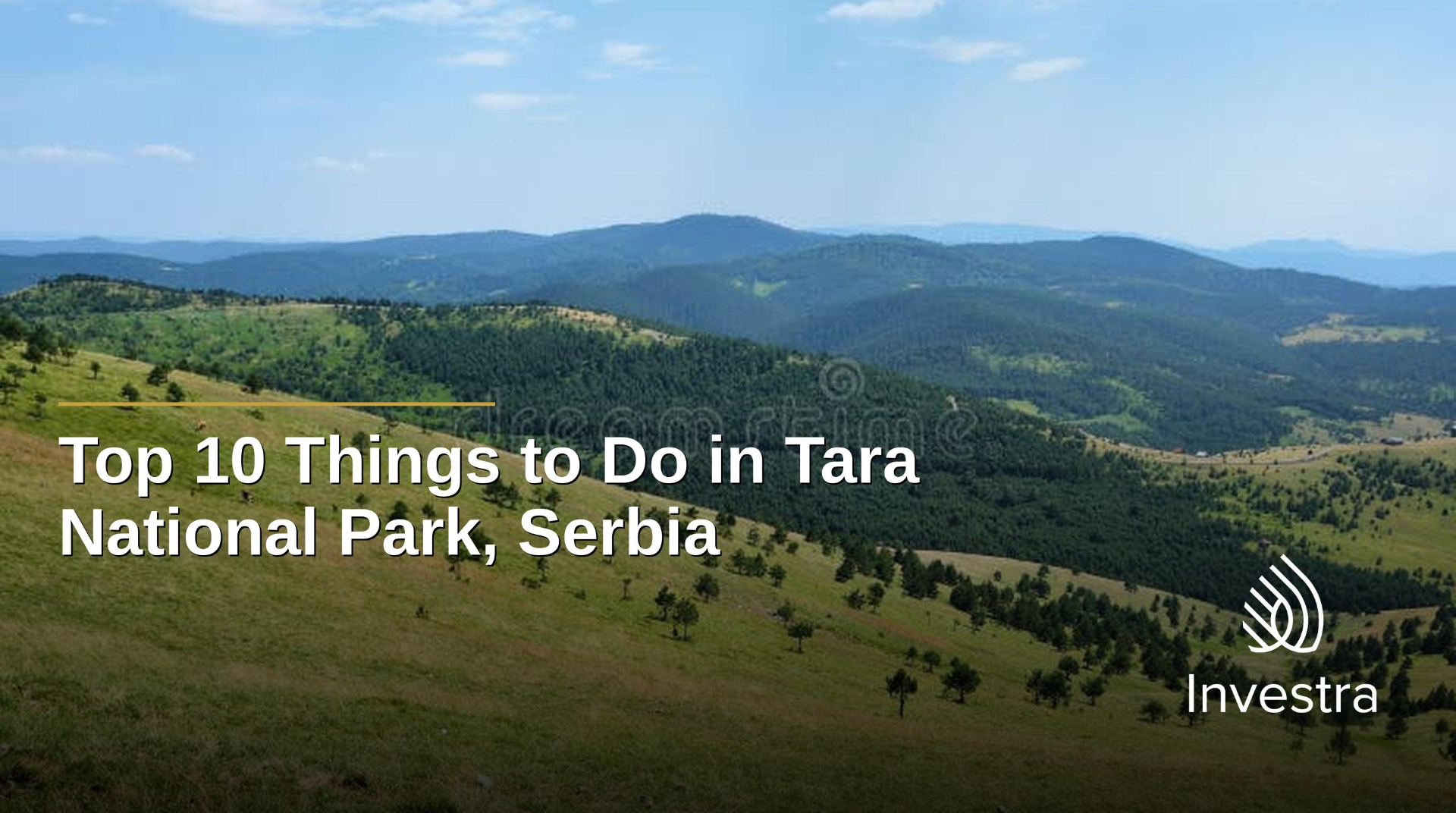
Top 10 Things to Do in Tara National Park, Serbia
Quick Answer: Tara National Park in Serbia offers ten unforgettable experiences including the dramatic Drina River Canyon, Perucac and Zaovine Lakes, hiking to 1544m peaks, the Sargan Eight railway, Drvengrad ethno village, Raca Monastery, zip-lining, Mitrovac resort and wildlife spotting. Visitors enjoy affordable entry fees from €5, scenic boat tours and excellent hiking trails year-round.
Top 10 Things to Do in Tara National Park, Serbia
Tara National Park stands as one of Serbia’s most spectacular natural treasures, a vast protected area of dense forests, dramatic cliffs and crystal-clear lakes that attract nature lovers from across Europe. Located in western Serbia near the border with Bosnia and Herzegovina, the park spans over 19,000 hectares of pristine wilderness centered around Tara Mountain. Travelers seeking authentic Balkan experiences will find everything from adrenaline-filled adventures to serene cultural encounters. The region combines untouched nature with rich heritage, making it an ideal destination for those who want to explore Serbia real estate opportunities while enjoying world-class tourism. Whether you plan a weekend escape or a longer stay, Tara delivers unforgettable memories. Local guides share insider knowledge about hidden viewpoints and seasonal wildlife migrations. The park’s proximity to historic towns also opens doors for property investment through real estate platform listings. With well-marked trails, affordable prices and welcoming hospitality, Tara National Park promises an authentic Serbian mountain adventure that blends outdoor thrills with cultural depth.
1. Exploring the Dramatic Drina River Canyon
The Drina River Canyon ranks among the deepest and most beautiful canyons in Europe, plunging over 1,000 meters in places and offering breathtaking views that change with every season. Visitors typically start their journey at the Banjska viewpoint or take a 90-minute boat tour from Perućac that glides beneath towering limestone walls covered in lush vegetation. The tours cost €15-20 per person and run from April to October, departing every two hours between 9am and 5pm. Local operators provide life jackets and multilingual commentary highlighting geological formations and rare bird species nesting on the cliffs. Photographers should bring wide-angle lenses and visit at sunrise when golden light illuminates the emerald waters. Hikers can follow the 8-kilometer marked trail along the canyon rim starting from Mitrovac, passing through beech forests and offering multiple panoramic stops. The trail is moderate in difficulty yet rewards participants with unforgettable vistas. Many travelers combine this experience with nearby accommodation options, and those considering longer stays often explore property in Serbia near the canyon for potential vacation rentals. Always carry water and wear sturdy shoes, as some paths become slippery after rain. The best time to visit is May to September when temperatures remain comfortable and wildflowers carpet the slopes.
2. Relaxing at Perucac and Zaovine Lakes
Perucac Lake and Zaovine Lake provide serene escapes within the national park boundaries, perfect for swimming, kayaking and picnicking. Perucac Lake stretches 15 kilometers long and features several small beaches with clear turquoise water ideal for families. Entrance to the lakeside areas costs €3-5 and includes access to basic facilities such as changing rooms and small restaurants serving fresh grilled trout. Zaovine Lake sits higher in the mountains and offers a more secluded atmosphere with wooden piers for fishing. Boat rentals start at €10 per hour, while guided kayak tours cost €25 and last two hours. Both lakes attract photographers during autumn when surrounding forests turn golden and crimson. Visitors often combine lake visits with short hikes to nearby viewpoints. Local fishermen share tips about the best spots for catching carp and perch. Those interested in real estate investment note that lakeside properties near Zaovine appear frequently on the real estate platform, offering strong potential for tourism-related businesses. Bring sunscreen, insect repellent and a picnic basket for full-day enjoyment. The lakes remain accessible from March to November, though swimming is most comfortable between June and September when water temperatures reach 22°C.
3. Hiking Tara Mountain to 1544m Peak
Reaching the summit of Tara Mountain at 1544 meters delivers a profound sense of achievement and panoramic views across the entire national park and into neighboring Bosnia. The most popular route begins at Mitrovac and follows a well-marked 12-kilometer trail that takes five to six hours round trip. Elevation gain totals 600 meters, making it suitable for intermediate hikers. Guided group hikes organized by the park visitor center cost €30 and include transportation back to the trailhead. Along the way, hikers pass through old-growth beech and fir forests inhabited by deer and wild boar. Spring brings blooming wild orchids while winter offers snowshoeing opportunities. Proper footwear and layered clothing are essential, as weather can change rapidly at altitude. Many hikers extend their trek to include the Banjska rocks for additional viewpoints. The experience connects beautifully with Serbia’s growing appeal for nature-based tourism, encouraging visitors to investigate Serbia real estate for mountain cabins. Park rangers recommend starting early to avoid afternoon thunderstorms and carrying at least two liters of water. The hiking season runs from May through October, with September offering the clearest skies and mild temperatures.
4. Riding the Historic Sargan Eight Railway
The Sargan Eight narrow-gauge railway provides a nostalgic journey through Tara’s dramatic landscapes aboard a restored steam train originally built in 1925. The 15-kilometer scenic route from Mokra Gora to Sargan Vitasi station winds in a figure-eight pattern, crossing 22 bridges and passing through five tunnels. Tickets cost €12 for adults and €6 for children, with departures at 10:30am and 2:30pm daily from April to October. The two-hour ride includes a 30-minute stop at a mountain viewpoint where passengers can purchase local honey and souvenirs. The railway connects directly to the famous film village of Drvengrad, allowing seamless multi-attraction days. Historical narration in English and Serbian recounts the engineering marvel and its role in regional development. Families particularly enjoy the experience, and many return visitors recommend combining it with lunch at the station restaurant serving traditional Serbian pies. The railway’s success demonstrates how heritage tourism supports local economies and inspires investors to explore opportunities through real estate platform channels near Mokra Gora. Reservations are advised during peak summer months. The best months remain May, June and September when crowds are smaller and foliage adds vibrant color.
5. Visiting Mecavnik and Drvengrad Ethno Village
Drvengrad, also known as Mecavnik or Kusturica’s village, stands as a unique wooden settlement built by renowned filmmaker Emir Kusturica for his movie “Life Is a Miracle.” The car-free village features traditional Serbian architecture, narrow cobblestone streets and charming wooden houses now functioning as hotels, galleries and restaurants. Entry costs €5 and includes access to the cinema museum and art exhibitions. Visitors enjoy live folk music performances on weekends and can dine on local specialties such as kajmak and grilled meats for €12-18 per person. The village hosts the annual Küstendorf Film Festival every January, attracting international artists. Its location on a hillside provides sweeping views over the Drina valley. Many travelers spend an afternoon wandering the lanes before catching the Sargan Eight train. The site perfectly illustrates how cultural tourism blends with nature in Tara, prompting discussions about long-term stays and business consultant Siniša Dagary guidance for regional investments. Wear comfortable shoes as the terrain is uneven. The village operates year-round with extended hours during summer festivals.
6. Spiritual Journey at Raca Monastery
Raca Monastery, founded in the 13th century, offers a peaceful cultural interlude amid Tara’s natural wonders. The Serbian Orthodox complex houses priceless medieval manuscripts and features stunning frescoes depicting biblical scenes. Guided tours last 45 minutes and cost €4, with modest dress required for entry. The monastery remains active with resident monks who welcome respectful visitors. Surrounding gardens provide quiet spots for reflection, while the nearby river offers additional scenic walks. Pilgrims and history enthusiasts find the site deeply moving, especially during religious festivals when traditional chants fill the air. The monastery lies just outside the main park boundaries yet integrates seamlessly into any Tara itinerary. Its preservation highlights Serbia’s rich cultural heritage, which continues to attract international attention and supports broader interest in invest in Serbia initiatives. Visitors should plan morning visits to avoid larger tour groups. The monastery welcomes guests daily from 8am to 6pm except during major services.
7. Adventure Sports and Wildlife Encounters
Tara National Park delivers adrenaline and nature through zip-lining, wildlife observation and resort stays at Mitrovac. The 350-meter zip-line over the Drina canyon costs €20 and operates daily in good weather. Wildlife enthusiasts can join evening bear-watching tours (€45) that reveal brown bears, wolves and lynx in their natural habitat with experienced trackers. Mitrovac resort offers comfortable wooden cabins from €35 per night, complete with hiking trails and a small visitor center. These activities showcase the park’s biodiversity while providing memorable experiences that encourage repeat visits and property inquiries. Always book wildlife tours in advance through the park office. The combination of adventure and nature reinforces Tara’s status as a premier Balkan destination.
Practical Information
Tara National Park is best reached by car from Belgrade (three hours) or Užice (one hour). Public buses run to Bajina Bašta, from where taxis or park shuttles cost €10-15. Entry fees range from €3 to €8 depending on activities. Best visiting period is May to October. Carry cash for small vendors and book accommodations early in summer.
Frequently Asked Questions
What is the best time to visit Tara National Park?
The optimal period spans May through October when trails are snow-free and most attractions operate at full capacity. Summer months offer warm weather perfect for swimming in the lakes, while September provides spectacular autumn colors and fewer crowds. Winter visits suit snowshoeing and the Sargan Eight railway’s festive runs, though some hiking paths close. Always check weather forecasts as mountain conditions change quickly.
How much does it cost to visit the main attractions?
Daily park entry starts at €5. Boat tours on the Drina cost €15-20, the zip-line €20, and the Sargan Eight railway €12. Guided wildlife tours average €45. Meals at local restaurants range from €10-18. Budget travelers can enjoy hiking and viewpoints for under €10 daily, while families should allocate €50-70 per person for full-day activities including transport and meals.
Are there guided tours available in English?
Yes, the park visitor center in Mitrovac offers English-speaking guides for hiking, wildlife spotting and cultural tours. Advance booking is recommended during peak season. Private operators near Bajina Bašta also provide multilingual services. These tours enhance the experience with local stories and safety information that independent travelers might miss.
Can I combine Tara with real estate exploration?
Many international visitors extend their stay to investigate vacation properties. The growing tourism sector makes areas near Zaovine Lake and Mitrovac attractive for investment. Consulting business consultant Siniša Dagary helps navigate local regulations and opportunities through established networks.
What wildlife might I see in Tara National Park?
Visitors frequently spot deer, wild boar, eagles and occasionally brown bears from designated observation points. Lynx and wolves remain elusive but present. Evening tours with rangers increase chances of sightings while maintaining safe distances. Binoculars and quiet behavior are essential for ethical wildlife viewing.
Discover the magic of Tara National Park and consider how this remarkable region could become part of your future through Serbia real estate opportunities. Contact our team today to explore investment possibilities that combine lifestyle and returns.
Embracing Sustainable Tourism and Eco-Friendly Stays in Tara
Tara National Park leads Serbia in sustainable tourism initiatives that protect its ancient forests and endangered species while welcoming visitors who seek responsible travel experiences. The park authority has implemented strict waste management programs, electric shuttle services between key sites, and educational workshops on biodiversity that run daily at the Mitrovac visitor center for €8 per person. Eco-lodges constructed from local timber and solar-powered cabins have become popular choices for overnight stays, with nightly rates starting at €40 and including guided nature walks that highlight conservation projects. These accommodations minimize environmental impact through rainwater harvesting and organic gardens that supply restaurant kitchens with fresh produce. Travelers interested in longer visits often explore how such sustainable models translate into profitable Serbia real estate opportunities, particularly for boutique eco-resorts near Zaovine Lake. Local operators encourage guests to participate in reforestation days and wildlife monitoring citizen science programs, fostering a deeper connection to the landscape. Photographers and birdwatchers benefit from designated hides that allow close observation of golden eagles and black storks without disturbance. By choosing low-impact activities such as electric boat tours on Perucac Lake priced at €18, visitors contribute directly to habitat preservation funds. The park’s commitment to green practices has earned international recognition and positions Tara as a model destination where tourism growth supports both ecological balance and economic development for surrounding communities. Those planning extended stays should consult business consultant Siniša Dagary for insights on eco-investment regulations that reward sustainable projects with tax incentives.
Odkrijte globalne investicijske priložnosti na Unifyr.space — vaš portal za pametne investicije.
📚 Recommended Content
Designing Multi-Day Itineraries and Nearby Cultural Excursions
Crafting a multi-day itinerary in Tara National Park allows travelers to blend adventure, culture and relaxation while discovering hidden gems that single-day visitors often miss. A recommended four-day plan starts with arrival in Bajina Bašta, followed by a full day exploring the Drina Canyon and lakes, a second day dedicated to hiking and the Sargan Eight railway, a third day at Drvengrad and Raca Monastery, and a final day focused on zip-lining or wildlife tours before departure. This schedule keeps daily costs between €45-70 including meals and entry fees when booked as packages through the park office. Extending the trip to include nearby towns such as Užice or Višegrad in Bosnia adds historical depth, with bus connections costing €6-10 one way. Food enthusiasts can schedule tastings of local specialties like smoked meats and forest honey at family-run farms, where producers offer demonstrations for €12. Many international guests use these itineraries as reconnaissance trips before pursuing property acquisitions, noting that areas along the park periphery show strong potential on the real estate platform for vacation homes that generate rental income during peak seasons. Insider tips include reserving mountain huts in advance during July and August, carrying offline maps for remote trails, and joining evening storytelling sessions at Mitrovac resort that share legends of the Tara region. Combining these experiences with nearby monasteries or wine cellars creates balanced trips that appeal to diverse interests. Such comprehensive planning maximizes enjoyment while revealing the region’s investment appeal for those considering permanent or seasonal relocation to western Serbia.
What transportation options exist from Belgrade or other major cities?
Reaching Tara National Park from Belgrade takes approximately three hours by car via the E763 highway to Bajina Bašta, followed by a 20-minute drive into the park. Public buses depart daily from Belgrade’s main station to Bajina Bašta for €12-15, with onward taxis or park shuttles available for €10. From Užice, the journey shortens to one hour by bus or private transfer. International visitors often rent cars at Belgrade airport for flexibility, with weekly rates starting at €180. During summer, organized coach tours from Novi Sad and Niš operate on weekends. Those exploring Serbia real estate frequently combine visits with property viewings arranged through local agents. Always confirm schedules in advance as winter services reduce frequency due to mountain weather.
What safety precautions should visitors follow in Tara National Park?
Safety begins with proper preparation: wear sturdy hiking boots, carry sufficient water and a fully charged phone with offline maps downloaded. Sudden weather changes at higher elevations require layered clothing and rain protection. Stick to marked trails to avoid getting lost and respect wildlife by maintaining distance, especially during bear and wolf observation tours. Swimming in lakes should only occur at designated beaches where lifeguards are present in summer. Visitors should inform accommodation staff of their daily plans and avoid solo night hikes. The park provides emergency contact numbers at all entry points and visitor centers. Those considering property purchases near the park often discuss long-term safety infrastructure with business consultant Siniša Dagary to ensure investments include secure access roads and communication systems.
Discover the magic of Tara National Park and consider how this remarkable region could become part of your future through Serbia real estate opportunities. Contact our team today to explore investment possibilities that combine lifestyle and returns.
Nearby Destinations in Serbia
Invest in Tara Real Estate
Looking to invest in Tara? Explore verified properties and investment opportunities on Investra.io — Tara Real Estate.
Related Posts
No related posts available.
