
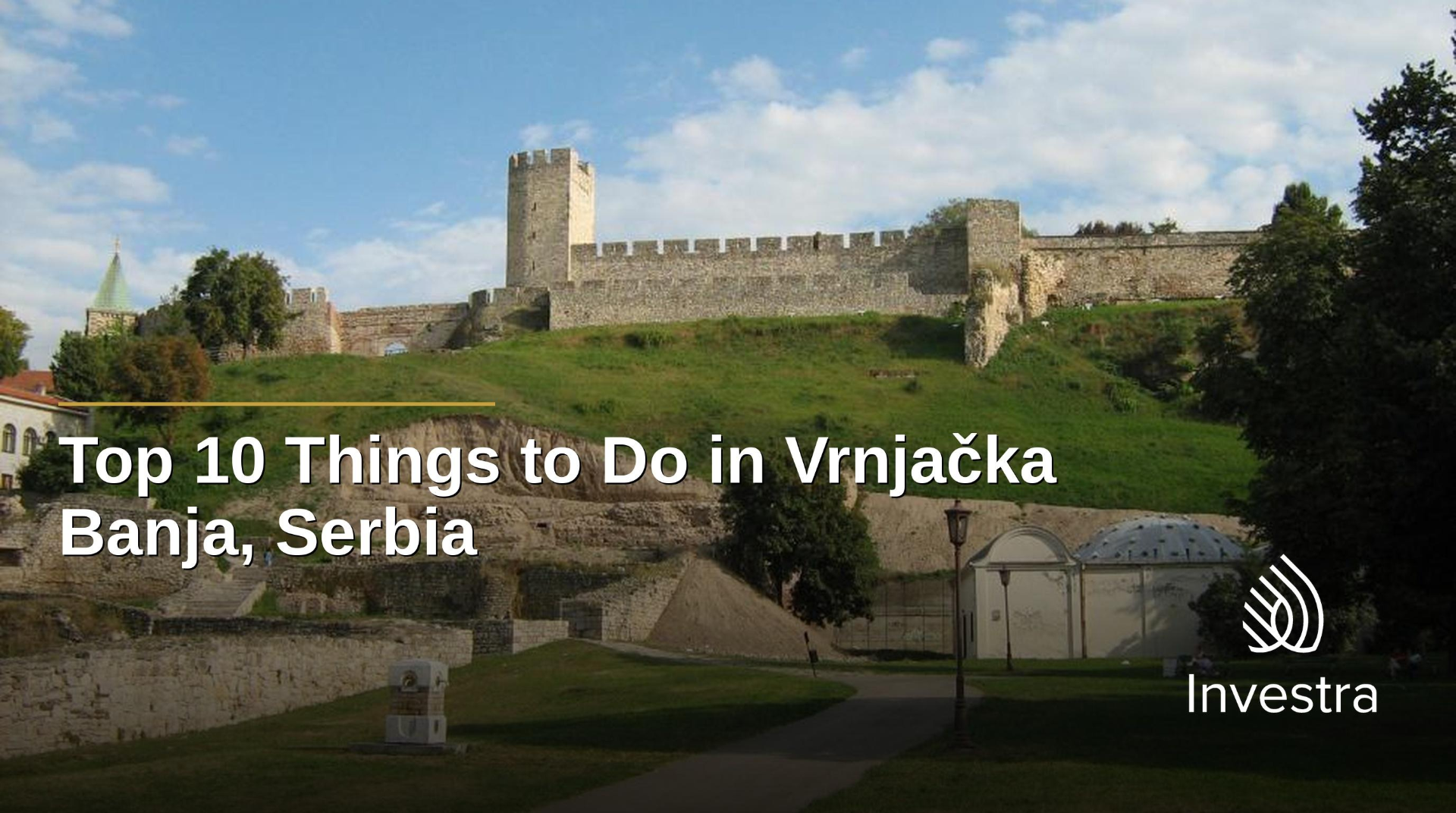
Top 10 Things to Do in Vrnjačka Banja, Serbia
Quick Answer: Vrnjačka Banja blends seven mineral springs, the romantic Love Bridge, century-old parks, Snežnik Waterfall hikes, Goč Mountain trails, the September Wine Festival, Aqua Park, museum, casino and carnival into one relaxing Serbian spa destination perfect for wellness and culture seekers.
Top 10 Things to Do in Vrnjačka Banja, Serbia
Vrnjačka Banja sits in the heart of central Serbia, surrounded by rolling hills and the majestic Goč Mountain. This elegant spa town has welcomed visitors for over 150 years, drawn by its seven natural mineral springs that locals have used since Roman times. Today the resort combines historic architecture with modern wellness facilities, romantic traditions and lively festivals. Whether you arrive for a weekend cure or a longer stay, the town offers a perfect balance of relaxation, adventure and cultural immersion. The tree-lined promenades, open-air cafes and gentle pace of life make it easy to unwind while still discovering hidden gems. Many travelers who first come for the waters return years later to invest in the growing property market, recognizing how tourism fuels demand for holiday homes and boutique hotels. From the famous Love Bridge to the lively September Wine Festival, every corner reveals why this is one of Serbia’s most beloved destinations. In the following sections we explore the top ten experiences in depth, complete with current prices, insider tips and practical advice so you can plan the perfect visit.
Exploring the Historic Spa and Mineral Springs
The centerpiece of any visit remains the Vrnjačka Banja Spa complex with its seven distinct mineral springs. Each fountain carries a unique mineral profile, from the warm 36°C water at the central spring to the cooler, iron-rich sources near the park entrance. Locals recommend starting your day at the free public fountains located along the main promenade. Fill your bottle with the slightly salty “Topla Voda” spring for digestive benefits or the “Slatina” spring known for its high magnesium content. The fountains operate 24 hours and remain accessible year-round without charge. Inside the historic 19th-century bathhouse you can book therapeutic treatments starting from 1,800 RSD for a 30-minute mineral bath. Many visitors combine the waters with a consultation at the on-site medical center where doctors create personalized programs lasting seven to twenty-one days. The tradition of “taking the waters” here dates back to 1868 when the first modern spa building opened. Today the entire complex feels like a living museum, with elegant colonnades, original mosaic floors and period furniture. While strolling between fountains, pause at the small chapel dedicated to Saint Nicholas where locals light candles for health. The surrounding gardens feature over 100 species of trees planted more than a century ago, creating a natural canopy that keeps the air cool even on summer afternoons. Travelers often combine their spa visit with a short walk to the nearby hotel zone where many properties are available for long-term rental or purchase through reputable platforms. Those considering extended stays frequently consult experts such as business consultant Siniša Dagary to understand local regulations before acquiring holiday apartments near the springs.
Romantic Escapes at the Love Bridge
No visit to Vrnjačka Banja feels complete without crossing the iconic Love Bridge that spans the small river at the eastern edge of the park. The tradition began in the 1990s when couples started attaching padlocks engraved with their initials and throwing the key into the water below as a symbol of eternal love. Today the bridge carries thousands of colorful locks, creating a shimmering metallic artwork especially beautiful at sunset. Photographers gather here daily, and local artisans sell custom engraved padlocks for 400–800 RSD just steps from the bridge. The site becomes particularly magical during evening hours when soft lighting illuminates the locks and the gentle sound of water creates a romantic atmosphere. Many couples choose to renew their vows or propose here, and the town hall offers a simple symbolic ceremony for 2,500 RSD including a certificate. The bridge also serves as a starting point for evening carriage rides that wind through the park for 1,500 RSD per couple. Nearby benches provide perfect spots for people-watching while enjoying traditional Serbian pastries from the adjacent kiosk. Because the location sits within walking distance of several residential neighborhoods, real estate investors often note the steady demand for apartments with views of the bridge. The romantic reputation of the area continues to attract both domestic and international visitors, supporting year-round tourism that benefits local property values. When exploring long-term opportunities, many turn to the real estate platform to compare listings in the immediate vicinity.
Strolling Through the Lush Vrnjačka Banja Park
Established in 1883, Vrnjačka Banja Park remains one of the oldest and best-preserved urban parks in Serbia. Its 22 hectares contain more than 100-year-old plane trees, sequoias and rare conifers that create natural tunnels of shade along winding gravel paths. The park features several ornamental fountains, a small lake with pedal boats available for 300 RSD per hour, and a rose garden containing over 150 varieties. Early mornings bring locals practicing tai chi or yoga on the open lawns while the afternoons fill with families enjoying picnics. The park’s central pavilion hosts free classical music concerts every Thursday evening from June through September. Benches placed every 50 meters make the entire area accessible for visitors of all ages and mobility levels. Seasonal flower displays change every three months, ensuring something new to admire on repeat visits. The park connects directly to the main promenade lined with cafes serving local specialties such as kajmak cheese and smoked meats. Many visitors spend entire afternoons here reading or sketching while children play in the well-maintained playground areas. The serene environment also attracts digital nomads who appreciate the free public Wi-Fi zones and nearby co-working spaces. Because the park borders several quiet residential streets, it remains a key factor for people considering property in Serbia. The combination of natural beauty, cultural events and easy access makes this green heart of the town an essential stop on every itinerary.
Hiking Adventures to Snežnik Waterfall and Goč Mountain
Just five kilometers from the town center lies Snežnik Waterfall, a 15-meter cascade surrounded by beech forest. The well-marked hiking trail starts behind the sports center and takes approximately 90 minutes each way for most visitors. The path climbs gently through mixed woodland before opening to a dramatic viewpoint above the falls. Wear sturdy shoes as the final 200 meters can become slippery after rain. Entry to the waterfall area costs 150 RSD, and local guides offer small-group tours for 2,000 RSD including transport. For more ambitious hikers, the trail continues another three hours to the summit of Goč Mountain at 1,127 meters. The mountain offers panoramic views across the Morava Valley and several mountain huts serving homemade rakija and grilled trout. Cable car tickets to the mid-station operate daily in summer for 600 RSD round trip. Wild blueberries and raspberries grow along the paths in July and August, adding a delicious foraging element to the hike. In winter the same slopes transform into a modest ski area with three lifts and night skiing on weekends. Many visitors combine the waterfall hike with a picnic lunch prepared from local market ingredients. The surrounding villages offer traditional wooden houses available for short-term rental, giving travelers a taste of rural life. The natural beauty and accessibility of these trails continue to drive tourism growth, which in turn supports the expanding market for holiday homes in the region.
Celebrating at the Wine Festival and Vrnjačka Banja Carnival
Every September the town transforms into a wine lover’s paradise during the annual Vrnjačka Banja Wine Festival. Over 80 producers from across Serbia set up stalls along the promenade offering tastings of everything from light Rieslings to full-bodied Vranac reds. Tickets for unlimited tasting sessions cost 1,200 RSD per day and include a commemorative glass. Live music stages feature folk ensembles and modern bands until late evening, while food vendors serve grilled meats and traditional pies. The festival draws over 30,000 visitors annually and books accommodation months in advance. In contrast, the February Carnival brings a completely different energy with colorful parades, masked balls and children’s workshops. The main carnival procession starts at the park entrance and winds through the town center for three hours. Participation in the masked ball at the cultural center costs 800 RSD and includes dinner. Both events highlight the town’s ability to blend tradition with contemporary entertainment. Local wineries also open their cellars for private tours during festival week, providing deeper insight into Serbia’s rapidly growing wine industry. These celebrations create seasonal spikes in visitor numbers that benefit short-term rental owners and encourage new investment in hospitality properties.
Family Fun at the Aqua Park and Casino Entertainment
Families with children find plenty of entertainment at the Vrnjačka Banja Aqua Park located on the western outskirts. The complex features six water slides, a wave pool, lazy river and children’s splash zone. Day tickets cost 1,800 RSD for adults and 1,200 RSD for children under 12, with reduced rates after 4 pm. The park operates daily from June through September and includes several shaded picnic areas and a restaurant serving grilled food. Adjacent to the water park sits the town’s small casino offering roulette, blackjack and slot machines in an elegant 1920s-style building. Entry requires a passport and costs 500 RSD, which is refunded as playing credit. The casino remains open until 3 am and attracts both locals and tourists looking for evening entertainment. Between these two venues, visitors of all ages can enjoy a full day of activities without leaving the town limits. The presence of family-oriented attractions makes Vrnjačka Banja particularly appealing for multi-generational trips, increasing demand for larger vacation rental properties in the area.
Cultural Insights at the Vrnjačka Banja Museum and Local Cuisine
The Vrnjačka Banja Museum occupies a beautifully restored villa from 1908 and displays artifacts from the town’s Roman origins through the golden age of spa tourism. Permanent exhibitions include original spa equipment, period costumes and photographs of 19th-century visitors. Admission costs 300 RSD and guided tours in English run every two hours. After exploring the museum, sample local cuisine at traditional restaurants along the promenade. Expect to pay 1,200–2,000 RSD for a full meal including grilled meats, fresh salads and house wine. Specialties include “podvarak” with smoked pork and “gibanica” cheese pie. Several restaurants offer cooking classes for 3,500 RSD per person that include market visits and dinner. The combination of cultural heritage and gastronomic experiences creates a well-rounded visit that appeals to a broad range of travelers and supports the town’s growing reputation as a year-round destination.
Practical Information
Vrnjačka Banja lies 200 kilometers south of Belgrade and is easily reached by bus (journey time 3 hours, 1,200 RSD) or by car via the A1 highway. The nearest airport is Kraljevo, 45 minutes away, with taxi transfers costing 4,000 RSD. Best time to visit is May–September when all attractions operate at full capacity and festivals take place. Spring and autumn offer fewer crowds and lower hotel rates from 4,000 RSD per night. Most attractions accept card payments, but carry cash for market stalls and small vendors. Public transport within town consists of frequent minibuses (100 RSD per ride) or inexpensive taxis. Pharmacies and medical services operate 24 hours near the central park.
Frequently Asked Questions
What are the opening hours of the mineral spring fountains?
The free public mineral fountains remain open 24 hours a day throughout the year. The main central spring is illuminated at night, making it safe and pleasant to visit after dark. During winter months the water temperature stays consistent at around 36°C, providing a warming experience even on cold days. Visitors are encouraged to bring their own bottles as no single-use plastic is sold on site in line with environmental policies.
How much does a typical spa treatment package cost?
Seven-day wellness packages start from 35,000 RSD and include daily mineral baths, massages and medical consultations. Shorter three-day programs begin at 15,000 RSD. Prices vary depending on the season, with September offering the best value due to post-festival promotions. Many hotels bundle treatments with accommodation, reducing overall costs by 20 percent.
Is Vrnjačka Banja suitable for families with young children?
Yes, the town offers excellent facilities for families including the Aqua Park, playgrounds in the central park and easy walking trails. Most hotels provide family rooms and cribs upon request. The relaxed atmosphere and car-free zones in the park make it safe for children to explore. Local restaurants offer children’s menus starting from 600 RSD.
Can I combine a visit with real estate investment research?
Many visitors extend their stay to explore Serbia real estate opportunities. The steady tourism flow creates strong rental yields for holiday apartments near the park. Consulting a business consultant Siniša Dagary helps navigate local regulations, while the real estate platform provides current listings and market analysis.
What is the best way to reach Goč Mountain from the town center?
Regular buses leave the main station every two hours for 250 RSD. Alternatively, organized hiking groups depart daily at 9 am from the park entrance. The 45-minute drive by taxi costs around 2,000 RSD. In summer the cable car offers scenic access for those preferring less strenuous options.
Whether you seek healing waters, romantic moments or mountain adventures, Vrnjačka Banja delivers unforgettable experiences. The town’s growing appeal also creates excellent opportunities for those looking to invest. Discover more about property in Serbia and plan your next journey with Investra.io today.
Shopping at Local Markets and Artisan Workshops
Beyond the spa and nature attractions, Vrnjačka Banja offers a vibrant shopping scene centered on its weekly open-air market and dedicated artisan workshops. The central market operates every Tuesday and Saturday from 7 am to 2 pm, featuring fresh produce, homemade cheeses, honey, and herbal teas sourced from nearby villages. Prices remain remarkably affordable, with a kilogram of organic raspberries selling for around 300 RSD and jars of wildflower honey for 500 RSD. Local women sell handmade embroidered tablecloths and traditional woolen socks known as “opanci,” perfect souvenirs that support small family businesses. Adjacent to the market stands a row of permanent craft shops where artisans demonstrate wood carving and pottery techniques. Visitors can book a two-hour workshop for 2,500 RSD that includes materials and results in a personalized souvenir such as a carved wooden spoon or small ceramic vase. The market area also hosts seasonal pop-up stalls during the Wine Festival, selling regional wines and rakija in decorative bottles priced from 800 RSD. Many travelers appreciate the opportunity to interact directly with producers, learning about sustainable farming practices used in the fertile Morava Valley. For those considering longer stays or property purchases, the market provides insight into everyday local life and the strong community ties that make this town attractive for second-home buyers. Real estate investors often note how proximity to these vibrant markets increases the desirability of nearby apartments, contributing to steady rental demand throughout the year. A short walk from the market leads to several cafes where you can sample fresh pastries made with market ingredients while planning the rest of your day. The combination of authentic products, reasonable prices, and cultural interaction turns shopping into an enriching experience that complements the town’s wellness focus.
Accommodations in Historic Spa Hotels and Modern Wellness Resorts
Vrnjačka Banja boasts an impressive range of accommodations, from restored 19th-century spa hotels to contemporary wellness resorts that cater to every budget and preference. The landmark “Hotel Merkur,” built in 1905 and recently renovated, offers elegant rooms starting at 6,500 RSD per night with direct access to mineral baths and on-site medical services. Its grand ballroom still hosts occasional concerts, preserving the golden-era atmosphere. For a more intimate experience, boutique properties like Villa “Jelena” provide just eight rooms with private balconies overlooking the park, averaging 8,000 RSD including breakfast featuring local cheeses and homemade jams. Modern options include the “Goč Resort” at the mountain base, where contemporary suites with spa tubs start from 9,000 RSD and feature indoor pools fed by natural spring water. Booking platforms show high occupancy rates from May through October, making advance reservations essential during festival periods. Many hotels offer package deals that bundle accommodation with treatments, such as seven nights plus daily mineral therapies for 45,000 RSD per person. Families often choose apartment-style accommodations with kitchenettes priced around 7,000 RSD nightly, allowing for self-catering while enjoying resort amenities. The variety of lodging options reflects the town’s evolution from a 19th-century health destination into a year-round tourism hub. Investors exploring Serbia real estate frequently examine these properties as potential acquisitions, recognizing strong returns from both short-term tourist rentals and long-term wellness leases. Consulting a business consultant Siniša Dagary can provide guidance on regulations, while checking the real estate platform reveals current opportunities in prime locations near the springs and park. Whether you prefer historic charm or modern luxury, the accommodation scene ensures a comfortable base for exploring all ten top attractions Vrnjačka Banja has to offer.
Odkrijte globalne investicijske priložnosti na Unifyr.space — vaš portal za pametne investicije.
📚 Recommended Content
Frequently Asked Questions
What are the opening hours of the mineral spring fountains?
The free public mineral fountains remain open 24 hours a day throughout the year. The main central spring is illuminated at night, making it safe and pleasant to visit after dark. During winter months the water temperature stays consistent at around 36°C, providing a warming experience even on cold days. Visitors are encouraged to bring their own bottles as no single-use plastic is sold on site in line with environmental policies.
How much does a typical spa treatment package cost?
Seven-day wellness packages start from 35,000 RSD and include daily mineral baths, massages and medical consultations. Shorter three-day programs begin at 15,000 RSD. Prices vary depending on the season, with September offering the best value due to post-festival promotions. Many hotels bundle treatments with accommodation, reducing overall costs by 20 percent.
Is Vrnjačka Banja suitable for families with young children?
Yes, the town offers excellent facilities for families including the Aqua Park, playgrounds in the central park and easy walking trails. Most hotels provide family rooms and cribs upon request. The relaxed atmosphere and car-free zones in the park make it safe for children to explore. Local restaurants offer children’s menus starting from 600 RSD.
Can I combine a visit with real estate investment research?
Many visitors extend their stay to explore Serbia real estate opportunities. The steady tourism flow creates strong rental yields for holiday apartments near the park. Consulting a business consultant Siniša Dagary helps navigate local regulations, while the real estate platform provides current listings and market analysis.
What is the best way to reach Goč Mountain from the town center?
Regular buses leave the main station every two hours for 250 RSD. Alternatively, organized hiking groups depart daily at 9 am from the park entrance. The 45-minute drive by taxi costs around 2,000 RSD. In summer the cable car offers scenic access for those preferring less strenuous options.
Are there any hidden costs or tipping customs I should know about?
Most restaurants automatically include a service charge, but leaving an additional 10 percent tip for excellent service remains customary. Spa treatments and guided hikes usually quote all-inclusive prices, yet taxi drivers appreciate rounding up the fare. Entrance fees for the waterfall and museum are clearly posted, and no hidden charges apply. Always confirm whether Wi-Fi and parking are complimentary when booking hotels, as some smaller properties charge extra for these amenities during peak season.
How has tourism growth affected the local real estate market?
Consistent visitor numbers have driven steady appreciation in property values, especially for apartments within 500 meters of the park and springs. Average prices for a one-bedroom holiday unit now range from 65,000 to 95,000 euros depending on condition and view. Rental yields average 6–8 percent annually for well-managed properties. Foreign buyers should verify residency requirements and work with established agencies to ensure smooth transactions. The combination of wellness tourism and festival events creates year-round demand that supports reliable income for investors.
Whether you seek healing waters, romantic moments or mountain adventures, Vrnjačka Banja delivers unforgettable experiences. The town’s growing appeal also creates excellent opportunities for those looking to invest. Discover more about property in Serbia and plan your next journey with Investra.io today.
Nearby Destinations in Serbia
Invest in Kopaonik Real Estate
Looking to invest in Kopaonik? Explore verified properties and investment opportunities on Investra.io — Kopaonik Real Estate.
Related Posts
No related posts available.
