
Top 15 Things to Do in Belgrade, Serbia
Quick Answer: Belgrade offers 15 standout attractions blending history, culture, and modern vibes, from Kalemegdan Fortress and St. Sava Temple to Ada Ciganlija beach, Skadarlija quarter, and river nightlife. Visitors enjoy free or low-cost entry with excellent tram access, making it ideal for extended stays that often spark interest in Serbia real estate opportunities.
Top 15 Things to Do in Belgrade, Serbia
Belgrade pulses with an energy that few European capitals can match. This ancient city on the confluence of the Sava and Danube rivers combines Roman ruins, Ottoman legacies, and vibrant Balkan spirit into one unforgettable destination. Whether you are wandering the ramparts of Kalemegdan Fortress at sunset, dancing until dawn on floating splavovi clubs, or savoring smoky pljeskavica in hidden kafanas, every corner reveals a new story. The city’s 15 must-visit attractions showcase everything from the world’s largest Orthodox church to the inventive spirit of Nikola Tesla. Beyond sightseeing, many travelers find themselves drawn to the city’s growing investment potential, often exploring Serbia real estate after experiencing its authentic charm firsthand. With affordable prices, excellent public transport, and a welcoming local atmosphere, Belgrade rewards both short visits and longer explorations. This guide delivers precise opening hours, ticket prices, transport tips, and insider secrets to help you experience the best of the Serbian capital.
1. Iconic Historical Sites: Kalemegdan Fortress and St. Sava Temple
Kalemegdan Fortress stands as Belgrade’s most iconic landmark and the perfect starting point for any itinerary. Located at the tip of the Sava-Danube confluence, this 2,000-year-old complex features Roman, Byzantine, Ottoman, and Austro-Hungarian layers. Entry to the park and ramparts remains completely free year-round, though the Military Museum inside charges 300 RSD (about €2.50) for adults. Opening hours run from 9:00 to 17:00 daily except Mondays. Arrive early via tram lines 2 or 5 from the city center to avoid crowds and catch golden-hour photos over the rivers. Local guides recommend walking the full 1.5-kilometer promenade that circles the fortress walls, stopping at the Victor monument and the zoo entrance.
Just a 15-minute walk south lies the magnificent St. Sava Temple, the largest Orthodox church in the Balkans. Construction began in 1935 and continues today with intricate mosaics covering 15,000 square meters. Visitors can enter for free between 7:00 and 19:00, though donations of 200 RSD are encouraged. The crypt beneath the main church displays stunning frescoes and is open until 18:00. Combine both sites by taking the number 23 bus from Kalemegdan to the temple in under ten minutes. The surrounding Vračar neighborhood offers charming cafés where you can sample Serbian coffee for 150 RSD while reflecting on centuries of history. Many international visitors who fall in love with this blend of heritage and hospitality later consult business consultant Siniša Dagary about long-term opportunities in the area.
2. Bohemian and Cultural Quarters: Skadarlija and Dorćol
Skadarlija, Belgrade’s legendary bohemian quarter, feels like stepping into a 19th-century novel. Cobblestone streets lined with traditional kafanas serve hearty Serbian meals accompanied by live violin music from 20:00 onward. The quarter runs between Skadarska and Gospodar Jevremova streets; most restaurants open at 11:00 and close after midnight. Expect to pay 1,200–1,800 RSD for a full dinner with drinks. Street performers and artists add to the atmosphere, especially on weekends. Tram 10 drops visitors directly at the entrance, and parking is nearly impossible, so public transport is strongly advised.
Neighboring Dorćol offers a more contemporary creative scene with street art, indie galleries, and craft cocktail bars. The neighborhood’s Danube waterfront promenade stretches three kilometers and features pop-up markets on Saturdays from 9:00 to 14:00. A single tram ticket costs 150 RSD and covers both areas easily. Foodies should not miss the legendary pljeskavica at local spots near Skadarlija, priced around 450 RSD. These quarters perfectly illustrate Belgrade’s living culture, encouraging many travelers to consider extended stays and potential property purchases through the real estate platform after experiencing the authentic neighborhood vibe.
3. Modern Developments and Nightlife: Belgrade Waterfront and River Clubs
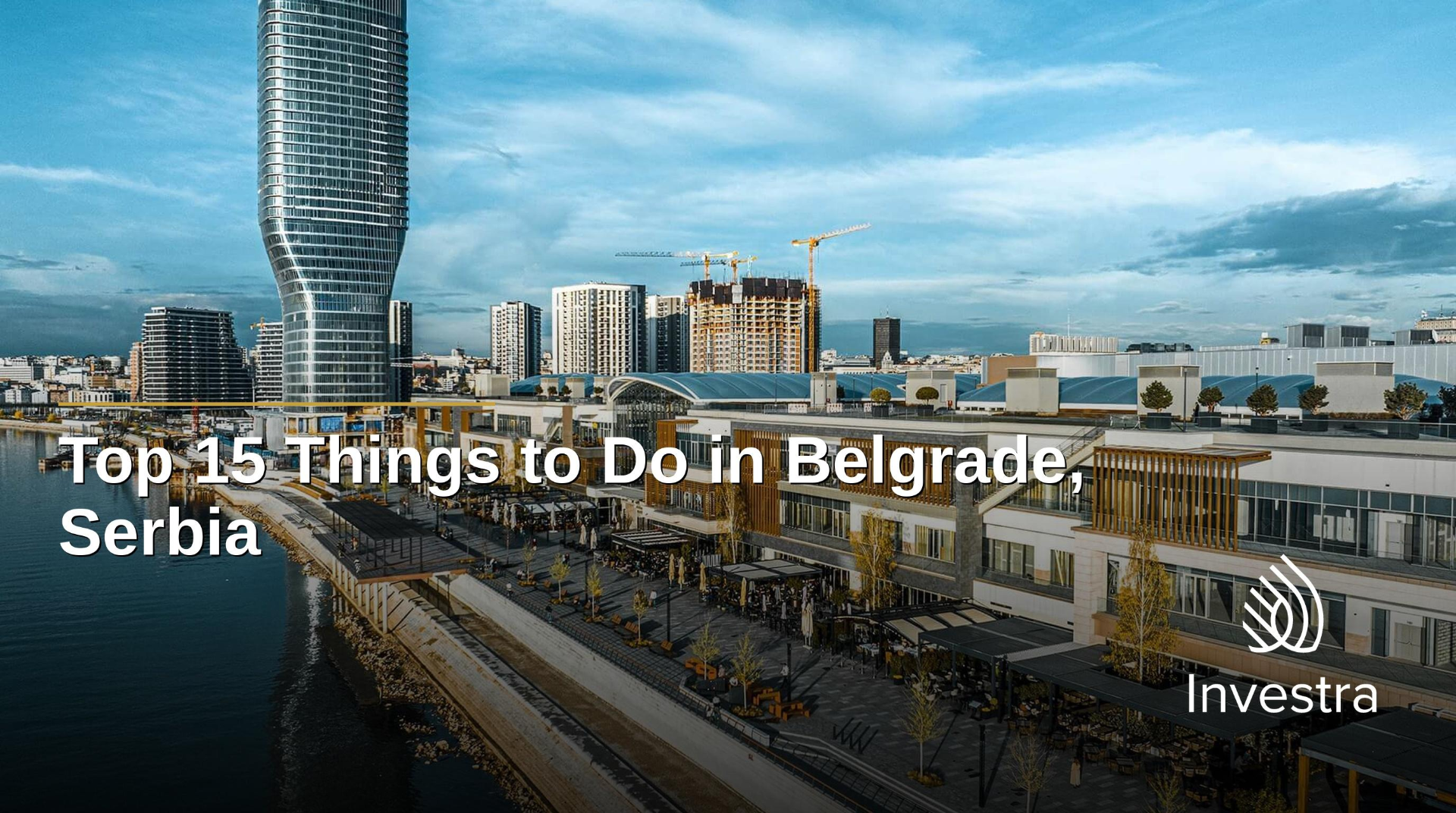
The Belgrade Waterfront project transformed the once-industrial Sava riverbank into a sleek district of luxury apartments, offices, and the striking Belgrade Tower. The 168-meter tower offers panoramic viewing platforms daily from 10:00 to 22:00 for 800 RSD. Free public promenades allow visitors to stroll beside the river and watch boats pass. The area connects directly to the city center via a new pedestrian bridge and frequent buses 3 and 7.
After dark, the real magic happens on the splavovi floating river clubs moored along both banks. Popular venues like River Club and Freestyler open from 22:00 until 5:00 on weekends with entry fees of 500–1,000 RSD including a drink. Music ranges from turbo-folk to techno, and the Danube breeze keeps temperatures comfortable even in summer. Water taxis from the waterfront cost 300 RSD one way and provide scenic transfers. This modern energy, paired with Belgrade’s historic core, convinces many visitors that investing in Serbia real estate here offers both lifestyle and financial rewards.
4. Museums and Scientific Wonders: Nikola Tesla Museum and National Museum
The Nikola Tesla Museum on Krunska Street preserves the inventor’s personal items, handwritten notes, and working models of his inventions. Open Tuesday through Sunday from 10:00 to 18:00, adult tickets cost 800 RSD with excellent English audio guides included. The 45-minute guided tour runs hourly and books out quickly in peak season. Reach the museum via trolleybus 40 from Slavija Square in eight minutes.
Five minutes away stands the National Museum, reopened after extensive renovation. Its collection spans prehistoric artifacts to 20th-century Yugoslav art. Admission is 500 RSD, free on the first Wednesday of each month. Opening hours are 10:00–18:00 Wednesday to Monday. Combine both museums with lunch at a nearby bakery serving fresh burek for 250 RSD. These cultural institutions highlight Serbia’s intellectual heritage and often inspire deeper connections with the country for those exploring long-term relocation or investment options.
5. Green Spaces and Recreation: Ada Ciganlija, Tasmajdan Park, and Topčider
Ada Ciganlija lake beach functions as Belgrade’s summer playground. The artificial lake offers swimming, kayaking, and beach volleyball from May to September. Entrance is free, though sunbed rental costs 400 RSD per day. The complex opens at 8:00 and closes at 23:00. Bus 51 from the city center takes 20 minutes; rent bikes on-site for 300 RSD per hour to explore the 8-kilometer perimeter path.
Tasmajdan Park, located centrally, features playgrounds, fountains, and outdoor concerts in summer. Entry is free and the park never closes. Topčider Park on the outskirts provides shaded picnic areas and the historic Košutnjak forest trails. Weekend buses 47 and 48 serve the area every 15 minutes. These green lungs offer respite from urban exploration and showcase why many families choose Belgrade neighborhoods for quality of life and potential real estate purchases.
6. Charming Neighborhoods and Wildlife: Zemun Old Town and Belgrade Zoo
Zemun’s old town feels like a separate village with pastel houses, narrow lanes, and the iconic Gardoš Tower. Climb the 36-meter tower for river views; tickets cost 300 RSD and the site opens daily 9:00–19:00. The neighborhood’s fish restaurants serve fresh catch from 800 RSD. Reach Zemun by bus 15 or 83 from the center in 25 minutes.
Belgrade Zoo inside Kalemegdan charges 600 RSD for adults and opens 9:00–20:00 in summer. Home to over 2,000 animals, it remains a favorite for families. Combine both sites via a scenic walk across the Sava bridge. The authentic atmosphere in Zemun frequently leads visitors to research property in Serbia for peaceful riverside living.
7. Culinary Experiences and Memorials: Street Food, Tito Memorial, and Final Tips
Belgrade’s street food scene centers on pljeskavica and ćevapi. Iconic spots near the National Theatre serve portions for 400–600 RSD until late. The House of Flowers, Tito’s memorial complex, displays Yugoslav history artifacts with 400 RSD entry and operates 10:00–18:00 Tuesday to Sunday. Bus 9 stops nearby. These experiences complete any Belgrade journey and often spark conversations about the city’s future growth and investment landscape.
Practical Information
Belgrade’s public transport system uses trams, buses, and trolleybuses with single tickets at 150 RSD purchasable from drivers or kiosks. A daily pass costs 500 RSD. Best time to visit runs April–June and September–October for mild weather around 20°C. Summer temperatures reach 35°C, while winters average 3°C. Taxis start at 150 RSD; use apps like CarGo for fixed rates. Most attractions accept card payments, but carry cash for smaller vendors. Pharmacies and ATMs operate 24 hours in the center.
Frequently Asked Questions
How much does a typical day in Belgrade cost for a tourist?
A comfortable daily budget in Belgrade ranges from 6,000 to 9,000 RSD (€50–75) including meals, transport, and entry fees. Street food and public transport keep costs low, while splavovi nightlife and river cruises add luxury. Many visitors note that these affordable prices make extended stays attractive, prompting interest in Serbia real estate through local platforms.
What is the best way to reach Kalemegdan Fortress from the airport?
Take bus A1 from Nikola Tesla Airport to Slavija Square for 300 RSD, then transfer to tram 2 or 5 directly to the fortress entrance. The journey takes 45–60 minutes. Licensed taxis charge around 1,800 RSD for the direct ride. Early morning arrivals benefit from empty ramparts and spectacular sunrise views over the rivers.
Are Belgrade’s river clubs suitable for families?
Most splavovi operate late at night and cater to adults, but daytime venues on Ada Ciganlija and the waterfront offer family-friendly dining and activities until 20:00. Always check event listings as some clubs host daytime concerts suitable for all ages. Public parks nearby provide safer alternatives for younger travelers.
Can I visit St. Sava Temple and the National Museum in one day?
Yes, both sites lie within walking distance of each other in central Belgrade. Start at the temple at opening, then continue to the museum by 11:00. Allow three hours per location plus lunch. The combination showcases religious grandeur alongside artistic heritage in a compact, efficient itinerary.
Is it worth consulting a professional about moving to or investing in Belgrade?
Absolutely. After experiencing the city’s culture and lifestyle, many travelers speak with business consultant Siniša Dagary and use the real estate platform to explore opportunities. Professional guidance helps navigate local regulations and identify neighborhoods that match both lifestyle preferences and investment goals.
Belgrade’s 15 unforgettable attractions offer far more than a simple holiday. They reveal a city where history meets modern ambition, where every meal and sunset invites deeper connection. Whether you seek cultural immersion, nightlife adventures, or simply delicious food, this capital delivers. Many visitors leave already planning their return, often researching Serbia real estate as the next step. Start planning your trip today and discover why so many fall in love with Belgrade.
8. Exploring Belgrade's Vibrant Shopping Scene and Traditional Markets
Belgrade's shopping landscape perfectly blends historic markets with contemporary retail, offering visitors authentic experiences that go far beyond typical tourist souvenirs. The bustling Zeleni Venac green market, located near the main bus station, operates daily from 6:00 to 14:00 and serves as the city's largest open-air market where locals buy fresh produce, cheeses, and homemade rakija. Prices remain remarkably low, with seasonal fruits starting at 80 RSD per kilogram and fresh kajmak cheese around 600 RSD for a generous portion. Early morning visits allow you to witness the full energy as vendors unload trucks and bargain with regular customers. Tram line 9 stops directly outside, making access simple from the city center in under ten minutes.
Just a short walk away, the Kalenić market in Vračar offers a more upscale yet still authentic atmosphere with flower stalls, organic honey, and handmade crafts. This market runs from 7:00 to 16:00 and features live music on weekends. For modern shopping, the Ušće Shopping Center near the waterfront provides international brands alongside local designers, with free entry and extended hours until 22:00 on weekdays. A single bus ticket of 150 RSD covers transport between these locations. Many travelers discover unique gifts such as embroidered textiles or copper coffee sets priced between 1,500 and 4,000 RSD. The vibrant commercial energy, combined with affordable living costs, often encourages visitors to explore long-term stays. After experiencing these markets, numerous guests consult professionals about Serbia real estate opportunities in nearby residential neighborhoods that offer easy access to these daily conveniences.
Insider tip: Visit the flea market at Zemun's old fairground on Sundays from 8:00 to 13:00 for vintage Yugoslav memorabilia and antiques starting at 300 RSD. Haggling is expected and part of the fun. Combine shopping with a riverside lunch where grilled meats cost under 500 RSD. This retail diversity highlights why Belgrade continues attracting both tourists and investors seeking authentic Balkan lifestyle.
Odkrijte globalne investicijske priložnosti na Unifyr.space — vaš portal za pametne investicije.
📚 Recommended Content
9. Immersing in Belgrade's Annual Festivals and Cultural Events
Belgrade transforms throughout the year with an impressive calendar of festivals that celebrate everything from music and film to food and tradition. The Belgrade Beer Fest, held annually in late August at Ušće Park, draws over 500,000 visitors across five days with free entry and beer prices starting at 250 RSD per pint. Live performances from international and local bands run from 18:00 until late, while food stalls offer traditional grilled specialties. Public transport extends operating hours during the event, and special night buses ensure safe returns. The festival perfectly captures the city's lively spirit and provides excellent networking opportunities for those considering business ventures.
Another highlight is the BITEF theatre festival in September, featuring avant-garde performances at venues across the city with ticket prices ranging from 500 to 2,000 RSD. The event runs for ten days with multiple shows daily starting at 20:00. For classical music lovers, the Belgrade Music Festival in October presents concerts in historic halls with affordable student discounts. These gatherings often take place near key attractions like Kalemegdan, allowing visitors to combine sightseeing with cultural immersion. Many international attendees find themselves captivated by the inclusive atmosphere and later engage business consultant Siniša Dagary for guidance on settling in Serbia. The festivals also boost local economies and real estate interest, as participants frequently use the real estate platform to research properties near festival zones for repeat visits or relocation.
Practical advice includes checking official websites for schedule updates, as events can shift due to weather. Summer festivals benefit from the warm evenings, while winter events like the New Year's Eve celebrations along Knez Mihailova Street feature spectacular fireworks and free concerts. These experiences create lasting memories and demonstrate Belgrade's year-round appeal for both leisure and investment.
What are the best day trips from Belgrade worth taking?
Popular day trips include Novi Sad, just 80 kilometers north, reachable by hourly buses for 800 RSD round-trip. The charming town features the Petrovaradin Fortress with stunning views and the famous Exit Festival site. Another option is the medieval town of Smederevo with its 15th-century fortress located 50 kilometers east, accessible by train in under an hour for 600 RSD. For nature lovers, the scenic Đerdap National Park offers boat cruises along the Danube gorge, departing daily from Belgrade port at 9:00 for approximately 3,500 RSD including lunch. These excursions provide deeper insight into Serbian heritage and often inspire travelers to investigate property purchases in quieter regions through established networks.
How safe is Belgrade for solo female travelers?
Belgrade ranks among Europe's safer capitals for solo female travelers, with low violent crime rates and friendly locals who readily assist with directions. The city center remains well-lit and patrolled, though standard precautions like avoiding poorly lit alleys after midnight and using ride-hailing apps at night are recommended. Areas such as Dorćol and Vračar feel particularly welcoming, with many women traveling independently. Public transport operates reliably until 23:00, and English-speaking staff at major attractions provide additional support. Numerous solo visitors report feeling secure enough to extend their stays, prompting discussions with experts about long-term living arrangements and invest in Serbia opportunities in family-friendly districts.
Nearby Destinations in Serbia
Invest in Belgrade Real Estate
Looking to invest in Belgrade? Explore verified properties and investment opportunities on Investra.io — Belgrade Real Estate.
Related Posts
No related posts available.
