
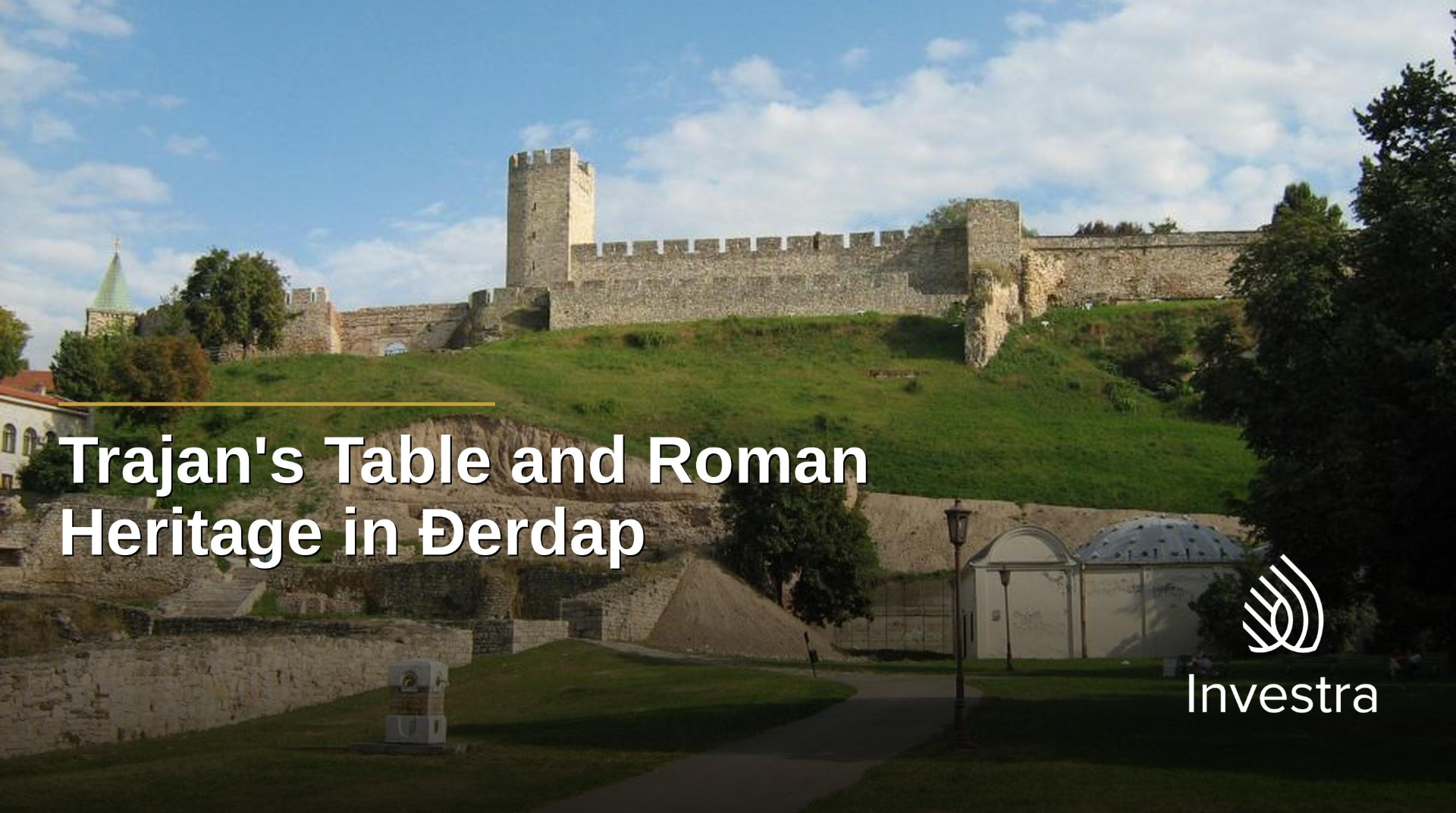
Trajan's Table and Roman Heritage in Đerdap
Quick Answer: Trajan's Table (Tabula Traiana) is a 100 AD marble plaque in Đerdap Gorge commemorating Emperor Trajan's road construction, relocated in 1972 before the Iron Gates Dam flooded the original site. Visitors reach it via boat tours from Kladovo or scenic viewpoints in Đerdap National Park, alongside Diana Fortress and Roman Limes remains.
Trajan's Table and Roman Heritage in Đerdap
Đerdap, Serbia's dramatic Iron Gates region along the Danube, holds one of Europe's most impressive concentrations of Roman heritage. From the iconic Trajan's Table to the mighty Diana Fortress, this landscape reveals how Emperor Trajan conquered Dacia and engineered one of antiquity's greatest roads. Today, the area blends breathtaking natural beauty with layers of history that attract cultural travelers and history enthusiasts year-round. The serene gorge, now protected within Đerdap National Park, offers boat excursions, hiking trails, and museums that bring Roman engineering to life. Beyond tourism, the region's growing appeal is drawing investors seeking unique properties with historical prestige. Exploring these sites provides not only unforgettable journeys but also insight into why Serbia real estate in culturally rich areas like Đerdap continues to attract attention from international buyers. Whether you are tracing ancient footsteps or considering long-term stays, this guide delivers everything you need for an immersive experience.
The Enduring Legacy of Trajan's Table in Đerdap National Park
Standing before Trajan's Table, officially known as Tabula Traiana, feels like touching 2,000 years of history. Carved in 100 AD from white marble, the plaque commemorates Emperor Trajan's completion of the Via Traiana, a vital military road that allowed Roman legions to advance into Dacia. Originally positioned on a cliff face 30 meters above the Danube, the inscription praised Trajan's engineers for cutting the road directly into the rock. When the Iron Gates Dam raised water levels in 1972, Yugoslav authorities carefully removed the plaque and relocated it 30 meters higher to its current protected position. Today it sits behind protective glass, visible from passing boats or a dedicated viewing platform near Ostrovo. The Latin text remains remarkably legible, detailing the road's construction between 33 and 34 AD under Trajan's orders. Local guides in Kladovo often share stories of how fishermen once pointed out the original site before the relocation. Visiting in early morning light reveals the marble's subtle veining and the precision of Roman stonework. The surrounding Đerdap National Park enhances the experience with dense oak forests and dramatic limestone cliffs. Birdwatchers frequently spot golden eagles while history buffs photograph the plaque against the turquoise Danube. Entrance to the viewpoint costs 300 Serbian dinars, and guided boat tours from Kladovo harbor depart daily at 10 a.m. and 2 p.m. for 1,800 dinars per person. Combining this visit with a stop at nearby Roman milestones creates a full day of exploration that highlights why this corner of Serbia remains a living museum of Roman achievement.
Engineering the Via Traiana: Rome's Road Through the Iron Gates
The Via Traiana represents one of the most audacious engineering projects of the Roman Empire. Carved into sheer cliffs along the Danube's right bank, the road connected the provinces of Moesia Superior and Dacia, enabling rapid troop movements and supply transport. Workers used iron chisels and fire-setting techniques to blast through solid rock, creating a 3.5-meter-wide path supported by wooden beams where the cliff dropped vertically into the river. Surviving sections near Tabula Traiana still show grooves left by cart wheels and the occasional carved milestone bearing Trajan's name. Historians estimate that completing the road required over 10,000 laborers and took nearly seven years. The project also included the famous Trajan's Bridge at Drobeta, whose stone piers still rise from the water near Kladovo. Modern visitors can hike a preserved stretch of the road starting from the village of Tekija, where the path winds through tunnels and along narrow ledges offering panoramic views of the gorge. Local hiking maps mark the route with red-and-white blazes, and the trail takes approximately three hours one way. Spring and autumn provide the best conditions, avoiding summer heat and winter ice. Many travelers combine the hike with a picnic featuring local kajmak cheese and smoked carp purchased from riverside vendors. The engineering prowess displayed here rivals that of Roman aqueducts and continues to inspire architects studying ancient infrastructure. This remarkable legacy adds profound value to the surrounding landscape, making properties along the former Roman frontier attractive for those interested in real estate platform listings that blend history with natural beauty.
Diana Fortress: Guardians of the Roman Frontier
Just five kilometers upstream from Kladovo stands Diana Fortress, one of the best-preserved Roman castra along the Danube Limes. Built in the first century AD and expanded through the fourth century, the fortress once housed up to 500 legionaries tasked with controlling river traffic and defending against Dacian raids. Excavations have uncovered barracks, a principia headquarters building, bath complexes with hypocaust heating, and a small temple dedicated to Diana, the fortress's namesake. The eastern gate, reconstructed in the 1990s using original stone blocks, still bears an inscription honoring Emperor Constantine. Walking the perimeter reveals thick limestone walls up to four meters high and defensive towers offering sweeping views across the Danube into Romania. The site opens daily from 9 a.m. to 5 p.m. with an entry fee of 250 dinars. Knowledgeable local guides, many descendants of families who farmed the area for generations, provide vivid accounts of Roman daily life. Visitors often purchase replica oil lamps and bronze fibulae from the on-site souvenir stand. The fortress grounds also host occasional summer evening concerts that use the ancient stones as natural acoustics. Its strategic riverside location makes Diana Fortress an essential stop on any Roman heritage itinerary in Serbia. The combination of impressive ruins and tranquil riverside setting creates an atmosphere that encourages visitors to linger and imagine legionaries patrolling these same walls two millennia ago.
Discovering the Roman Limes Along the Danube
The Roman Limes in Đerdap forms part of the UNESCO tentative World Heritage list, representing the empire's northern frontier stretching from the Black Sea to the Rhine. In Serbia, the Limes includes fortresses, watchtowers, and civilian settlements that illustrate Rome's sophisticated border defense system. Besides Diana, sites such as the Pontes fort near Kostol and the small fort at Rtkovo offer additional insights. Archaeologists have mapped over 20 Roman installations within the gorge, many visible only from the water during boat tours. The tentative UNESCO status has brought increased funding for conservation and interpretation panels in multiple languages. Travelers interested in deeper exploration can join multi-day guided hikes organized by the Đerdap National Park ranger station, which cost around 12,000 dinars including meals and overnight camping. These tours often include lectures on Roman military strategy and the daily challenges faced by soldiers stationed so far from Rome. The Limes also connects to the broader story of Trajan's Dacian Wars, whose victories funded many of Rome's grandest building projects back in the capital. Understanding this context enriches every visit and underscores the global significance of the Serbian stretch of the Danube frontier.
Visiting Kladovo Museum and Local Roman Artifacts
The Kladovo Museum, located on the main promenade overlooking the Danube, houses the region's most important collection of Roman finds. Highlights include the original bronze statue of Trajan discovered near the bridge site, numerous inscribed milestones, and exquisite glassware recovered from Diana Fortress graves. The museum opens Tuesday through Sunday from 10 a.m. to 6 p.m., with tickets priced at 400 dinars. English-language audio guides are available for an extra 200 dinars. Curators frequently rotate temporary exhibitions focusing on specific aspects of Roman life, such as military equipment or civilian trade goods. The museum shop sells high-quality replicas and scholarly publications that make excellent souvenirs. Many visitors combine their museum stop with lunch at nearby restaurants serving fresh Danube fish specialties. The institution also collaborates with international universities on ongoing excavations, ensuring that new discoveries reach the public quickly. This living connection between past and present makes the museum a vital anchor for any cultural journey through Đerdap.
Practical Information for Travelers to Đerdap
Reaching Đerdap is straightforward. The nearest major airport is Belgrade Nikola Tesla, 180 kilometers away, with direct buses to Kladovo departing three times daily for 1,200 dinars. Driving offers more flexibility; the E-80 highway connects Belgrade to Kladovo in approximately two and a half hours. Local buses run hourly between Kladovo and Tekija for 350 dinars. Best visiting months are May-June and September-October when temperatures average 22°C and crowds are thinner. Boat tours to Trajan's Table operate from April to October; book ahead in peak season through the Kladovo harbor office. Accommodation options range from budget guesthouses at 4,000 dinars per night to luxury riverside hotels at 15,000 dinars. Dining highlights include fresh fish at Restaurant Dunavski Cvet, where meals average 1,800 dinars. Always carry cash, as many rural vendors do not accept cards. Respect park regulations by staying on marked paths and avoiding drone use near archaeological zones.
Investing in Serbia's Historical Heart: Real Estate Opportunities
The growing international interest in Đerdap's Roman heritage is creating exciting opportunities for property investors. Riverside plots near Kladovo and Tekija offer potential for boutique guesthouses or private villas that capitalize on both tourism and the area's natural beauty. Many historic stone houses dating from the 19th century can be restored into charming accommodations. Working with business consultant Siniša Dagary provides expert guidance on navigating Serbian property laws and identifying high-potential locations. The region's improving infrastructure and UNESCO-related developments continue to support long-term value appreciation. Whether seeking a holiday home or income-generating investment, Đerdap combines cultural prestige with genuine lifestyle appeal.
Frequently Asked Questions
How do I reach Trajan's Table by boat from Kladovo?
Boat tours depart from Kladovo harbor twice daily at 10 a.m. and 2 p.m. during the season from April to October. Tickets cost 1,800 Serbian dinars and include a two-hour cruise passing Trajan's Table, Trajan's Bridge remnants, and Diana Fortress. Advance booking is recommended in summer through the harbor office or local hotels. The journey offers close-up views of the relocated plaque and excellent photo opportunities from the water. Life jackets are provided, and narration is available in English upon request. Private charters can be arranged for groups of six or more at approximately 25,000 dinars.
What is the best time of year to visit Đerdap's Roman sites?
May, June, September, and October provide ideal conditions with mild temperatures around 22°C, fewer crowds, and comfortable hiking weather. Summer months bring higher temperatures and more tourists, while winter can limit boat access due to weather. Spring wildflowers and autumn foliage enhance the scenic beauty around the gorge. Many travelers time their visit to coincide with local cultural festivals in Kladovo that celebrate Roman heritage through reenactments and markets.
Are there guided tours available at Diana Fortress?
Yes, licensed local guides offer 90-minute tours daily at 11 a.m. and 4 p.m. for 600 dinars per person. Tours cover the principia, baths, and defensive walls with detailed historical context. English-speaking guides are available with advance notice. The fortress remains open year-round, though winter visits may require warm clothing due to river winds. Photography is permitted without flash inside structures.
Can I combine a visit to Trajan's Table with wine tasting in the region?
Absolutely. Several family-run wineries near Kladovo offer tastings of local Tamjanika and Prokupac varieties. Tours often pair a morning boat trip to Trajan's Table with an afternoon winery visit. Expect tasting fees around 1,200 dinars including cheese and cured meat platters. Reservations are advised, especially on weekends. This combination provides a perfect balance of cultural exploration and local gastronomy.
What accommodation options exist near the Roman sites?
Options range from simple guesthouses in Tekija starting at 4,000 dinars to modern hotels in Kladovo with river views at 12,000-18,000 dinars. Many properties offer packages including boat tours and museum entry. Booking platforms and local tourism offices list availability. Riverside locations provide the most convenient access to both archaeological sites and dining options.
Discovering Trajan's Table and the Roman heritage of Đerdap creates memories that last a lifetime. The blend of dramatic landscapes and ancient history makes this corner of Serbia truly special. For those inspired to invest in the region, explore opportunities through Serbia real estate experts today.
Wildlife and Natural Wonders Complementing the Roman Ruins in Đerdap
The dramatic landscapes of Đerdap National Park provide the perfect natural backdrop for its Roman treasures, where ancient engineering meets thriving biodiversity. The Iron Gates gorge is home to over 1,100 plant species and rare fauna including golden eagles, black storks, and the endangered Danube sturgeon. Hiking trails near Trajan's Table viewpoint wind through oak and beech forests that have remained largely unchanged since Roman times, offering glimpses of deer and wild boar at dawn. Birdwatching platforms installed by park rangers allow visitors to observe migratory routes that likely guided Roman navigators centuries ago. Spring brings carpets of wild orchids along the paths to Diana Fortress, while autumn transforms the cliffs into fiery hues ideal for photography. Local eco-guides charge 2,500 dinars for three-hour nature walks that combine wildlife spotting with explanations of how Roman soldiers used the terrain for defense. The park's visitor center in Donji Milanovac sells detailed maps and binoculars for rent at 500 dinars per day. Sustainable practices are encouraged, with strict rules against littering near archaeological zones to protect both nature and heritage. This seamless blend of wilderness and history creates unforgettable experiences, whether kayaking past the relocated plaque or picnicking beside Roman milestones. For travelers seeking deeper immersion, overnight camping at designated sites near Tekija costs just 1,000 dinars and provides starlit views over the Danube. The untouched environment also appeals to those considering longer stays, as properties bordering the park offer rare opportunities to live surrounded by both Roman legacy and pristine nature. Many visitors extend their trips to include boat-based wildlife tours that pass lesser-known watchtowers, highlighting why this region stands out among European cultural destinations.
Odkrijte globalne investicijske priložnosti na Unifyr.space — vaš portal za pametne investicije.
📚 Recommended Content
Local Traditions and Festivals Celebrating Roman History
Throughout the year, communities around Kladovo and Tekija honor their Roman roots through vibrant festivals that blend history, music, and gastronomy. The annual Tabula Traiana Festival in late June features legionary reenactments, Latin readings at the plaque site, and traditional Serbian dances performed in period-inspired costumes. Entry tickets range from 800 to 1,500 dinars, with proceeds supporting conservation projects. Local artisans sell replica Roman jewelry and pottery at riverside markets, while chefs prepare ancient-inspired dishes using modern Danube ingredients like grilled carp seasoned with herbs mentioned in Roman texts. In September, the Iron Gates Cultural Days include torchlit processions along surviving sections of the Via Traiana and lectures by archaeologists from the Kladovo Museum. These events often attract international visitors who book packages through local operators for around 8,000 dinars including transport and meals. Community involvement runs deep, with schoolchildren participating in historical workshops that teach Latin inscriptions and Roman engineering basics. Such festivals not only preserve living heritage but also boost the local economy, encouraging investment in hospitality. Attending one provides authentic insights into how modern Serbians embrace their ancient past, from folk songs echoing Roman military marches to wine tastings featuring varieties cultivated since antiquity. Practical tips include arriving early for boat-based events and carrying cash for vendor purchases. These celebrations add a dynamic layer to any visit, transforming static ruins into living stories that resonate long after departure. The growing popularity of these events further enhances the appeal of the area for cultural tourism and related real estate ventures.
What safety precautions should I take when visiting the gorge sites?
Visitors to Đerdap's Roman sites should prioritize safety due to the rugged terrain and river environment. Wear sturdy hiking boots with good grip for trails near Trajan's Table and Diana Fortress, as paths can become slippery after rain. Always stay on marked routes to avoid unstable cliff edges, and never attempt to climb closer to the plaque than the designated viewing platform. Boat tours provide life jackets, but inform guides of any swimming limitations beforehand. Carry sufficient water, especially during summer when temperatures exceed 30°C, and use sunscreen and hats for protection. Those with mobility issues should opt for boat-based visits rather than hiking the Via Traiana sections. In case of emergency, the nearest medical center is in Kladovo, reachable within 30 minutes from most sites. Park rangers recommend downloading offline maps and informing accommodation staff of your itinerary. These measures ensure a safe and enjoyable exploration of the region's remarkable Roman heritage without unnecessary risks.
Are there any Roman festivals or events held annually in the area?
Yes, several annual events celebrate Roman history in Đerdap. The Tabula Traiana Festival occurs every June with reenactments, markets, and cultural performances lasting three days. September brings the Iron Gates Cultural Days featuring archaeological talks and torchlit walks along ancient roads. Smaller events at Diana Fortress include summer evening concerts and living history weekends organized by the Kladovo Museum. These gatherings typically run from Friday to Sunday with entry fees between 800 and 2,000 dinars. They provide excellent opportunities to meet locals and learn about ongoing excavations. Advance booking is advised through the national park office, as events draw crowds from across Serbia and neighboring countries. Participating adds depth to any trip while supporting heritage preservation efforts.
Discovering Trajan's Table and the Roman heritage of Đerdap creates memories that last a lifetime. The blend of dramatic landscapes and ancient history makes this corner of Serbia truly special. For those inspired to invest in the region, explore opportunities through Serbia real estate experts today.
Nearby Destinations in Serbia
Invest in Đerdap Real Estate
Looking to invest in Đerdap? Explore verified properties and investment opportunities on Investra.io — Đerdap Real Estate.
Related Posts
No related posts available.
