
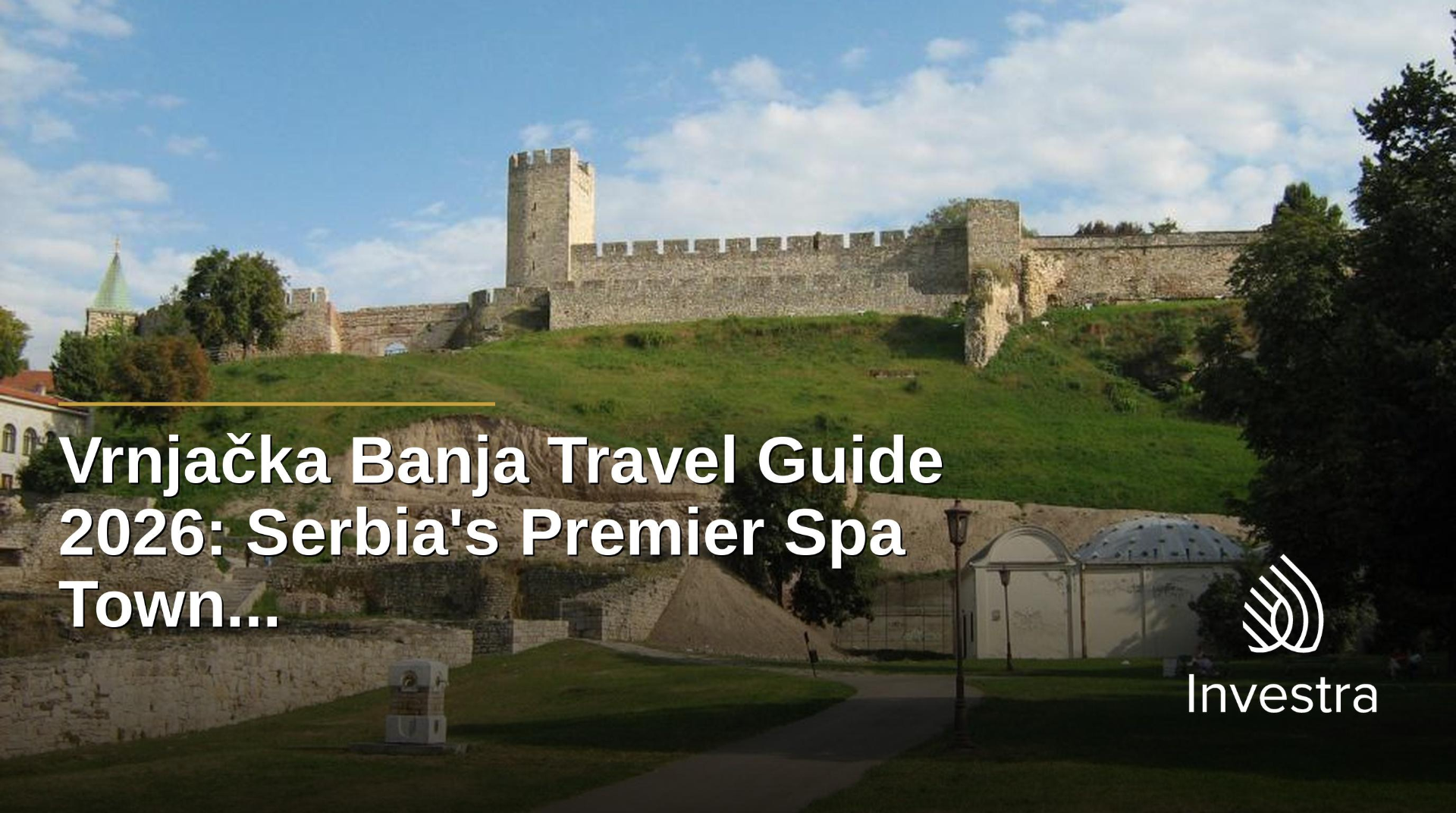
Vrnjačka Banja Travel Guide 2026: Serbia's Premier Spa Town...
Vrnjačka Banja Travel Guide 2026: Serbia's Premier Spa Town Complete Guide
Investment Disclaimer: This article is for informational purposes only and does not constitute financial or investment advice. Real estate investments carry risks. Always consult qualified professionals before making investment decisions. Investra.io connects investors with verified opportunities across Serbia and the Western Balkans.
Why Vrnjačka Banja Is Serbia's Most Beloved Spa Destination
Nestled in the gentle hills of central Serbia, Vrnjačka Banja has been welcoming guests seeking healing and relaxation since the 19th century. The town sits at an elevation of approximately 220 meters above sea level, surrounded by lush forests and the meandering Vrnjačka River, creating a microclimate that locals and visitors alike describe as uniquely restorative.
What makes Vrnjačka Banja genuinely special — and I say this having researched dozens of Serbian destinations — is the seamless blend of therapeutic tradition and modern hospitality. The town's nine mineral springs each carry different chemical compositions, from acidic carbonated waters to alkaline sulphate springs, each historically prescribed for different ailments ranging from digestive disorders to cardiovascular conditions.
The famous Fontana promenade stretches through the heart of town, lined with elegant hotels, boutique cafés, and the iconic fountain where visitors sip mineral water directly from the source. On summer evenings, this promenade transforms into a vibrant social hub where Serbian families, international tourists, and wellness seekers mingle under the warm Balkan sky.
For investors and property buyers, Vrnjačka Banja represents one of Serbia's most stable real estate markets. The consistent tourism demand, combined with Serbia's growing wellness tourism sector, makes this spa town an increasingly attractive destination for both short-term rental investments and long-term property appreciation. Investra.io has documented significant interest from both domestic and international buyers in Vrnjačka Banja properties over the past three years.
Getting to Vrnjačka Banja: Transportation Guide
> **Quick Answer:** Vrnjačka Banja is approximately 200 km south of Belgrade, accessible by car in about 2.5 hours via the A1 motorway and E-75. Regular bus services connect the town with Belgrade, Novi Sad, Niš, and Kraljevo. The nearest train station is in Kraljevo (30 km away).The most convenient way to reach Vrnjačka Banja from Belgrade is by private car or rental vehicle. The route follows the A1 motorway southward toward Niš, then exits toward Kruševac and Vrnjačka Banja. The journey typically takes between 2.5 and 3 hours depending on traffic conditions, particularly around Belgrade's southern suburbs during peak hours.
Bus services from Belgrade's Lasta bus station depart multiple times daily, with journey times ranging from 3 to 3.5 hours. The fare is approximately 1,200 to 1,500 Serbian dinars (around €10-13) one way. From Novi Sad, the journey takes approximately 3.5 hours. Buses also connect Vrnjačka Banja directly with Niš (2 hours) and Kruševac (45 minutes).
For those arriving by train, the nearest major railway station is in Kraljevo, approximately 30 km from Vrnjačka Banja. From Kraljevo, local buses and taxis connect to the spa town within 30-40 minutes. The train journey from Belgrade to Kraljevo takes approximately 3.5 hours.
Niš Constantine the Great Airport (INI) is approximately 130 km from Vrnjačka Banja, making it a viable option for international visitors. Belgrade Nikola Tesla Airport (BEG) is the primary international gateway, with car rentals and direct bus connections available.
The Famous Mineral Springs of Vrnjačka Banja
The therapeutic foundation of Vrnjačka Banja rests on its nine distinct mineral springs, each with unique chemical properties that have been studied and documented since the 19th century. Understanding these springs helps visitors make informed decisions about which treatments and facilities to seek out during their stay.
The most famous spring is the Toplica Spring, a warm carbonated mineral water with a temperature of approximately 36.5°C — remarkably close to human body temperature. This spring has been used therapeutically for centuries and remains the centerpiece of the town's spa culture. Visitors can drink directly from the spring at the Fontana promenade.
The Slatina Spring produces cold carbonated mineral water rich in iron and carbon dioxide, historically used for digestive conditions and anemia. The Snežnik Spring offers cold sulphate water traditionally prescribed for kidney and urinary tract conditions. The Jezero Spring near the artificial lake provides mildly mineralized water suitable for daily consumption.
Modern spa facilities in Vrnjačka Banja have built sophisticated hydrotherapy programs around these springs, combining traditional balneotherapy with contemporary wellness approaches. The Merkur Special Hospital for Rehabilitation, the largest medical spa facility in the region, offers medically supervised treatments using the mineral waters.
Top Hotels and Accommodation in Vrnjačka Banja
> **Quick Answer:** Vrnjačka Banja offers accommodation ranging from luxury spa hotels (€80-200/night) to comfortable guesthouses (€25-60/night). The most prestigious hotels are concentrated along the Fontana promenade and in the Breg neighborhood. Book well in advance for summer and holiday periods.Vrnjačka Banja's accommodation landscape has evolved significantly over the past decade, with substantial investment in hotel modernization and new boutique property development. The town now offers a genuinely diverse range of options to suit different budgets and preferences.
At the luxury end, Hotel Merkur stands as the town's most comprehensive wellness resort, featuring multiple pools, extensive spa facilities, a medical center, and direct access to mineral spring treatments. The hotel's rehabilitation programs attract guests from across the former Yugoslavia and increasingly from Western Europe. Room rates typically range from €90 to €180 per night depending on season and room type.
Hotel Zvezda occupies a prime position on the Fontana promenade and combines historical elegance with modern amenities. The hotel's restaurant is considered one of the finest in town, and its central location makes it ideal for guests who want to explore Vrnjačka Banja on foot. Rates range from €70 to €140 per night.
For budget-conscious travelers, the town offers numerous family-run guesthouses (pansioni) in the residential neighborhoods surrounding the center. These typically offer clean, comfortable rooms with breakfast included for €25-45 per night. Many are operated by local families who provide personalized service and genuine insight into local life.
The Breg neighborhood, situated on a gentle hill above the town center, has become increasingly popular for its quieter atmosphere and panoramic views. Several newer boutique hotels and villa-style accommodations have opened here in recent years, catering to guests seeking privacy alongside spa access.
Best Restaurants and Food Scene in Vrnjačka Banja
Vrnjačka Banja's culinary scene reflects its status as Serbia's premier resort town — the food quality is consistently higher than in most Serbian cities of comparable size, driven by the demands of a sophisticated tourist clientele. The town offers everything from traditional Serbian grills to refined international cuisine.
Serbian cuisine in Vrnjačka Banja centers on the same beloved dishes found throughout the country, but executed with particular care. Roštilj (grilled meats) remains the cornerstone of the local food culture, with establishments like Restaurant Stari Grad serving exceptional ćevapi, pljeskavica, and mixed grill platters. The quality of locally sourced pork and beef is notably high, reflecting the agricultural richness of central Serbia.
The Fontana promenade hosts several restaurants and cafés that prioritize ambiance alongside cuisine. Kafana Fontana serves traditional Serbian dishes in a setting that captures the nostalgic charm of Yugoslav-era resort culture — a genuinely atmospheric experience that visitors consistently praise. The restaurant's lamb dishes and homemade bread are particularly recommended.
For lighter options, the town's numerous pastry shops (poslastičarnice) offer excellent local sweets, including the Serbian specialty krempita (custard slice) and various fruit tarts made with seasonal local produce. The mineral water is, of course, available everywhere and is often served alongside meals as a digestive aid.
Prices in Vrnjačka Banja restaurants are moderate by Western European standards but slightly higher than in smaller Serbian towns, reflecting the resort premium. A full meal with drinks at a mid-range restaurant typically costs €15-25 per person.
Spa and Wellness Experiences: What to Expect
The spa and wellness offerings of Vrnjačka Banja range from medically supervised rehabilitation programs to casual day-spa experiences, making the town accessible to visitors with very different needs and expectations.
The Merkur Special Hospital for Rehabilitation represents the most comprehensive medical spa option. The facility offers programs for cardiovascular rehabilitation, musculoskeletal conditions, neurological recovery, and metabolic disorders. Programs typically run for 10-21 days and include medical consultations, diagnostic testing, mineral water treatments, physiotherapy, and accommodation. International patients increasingly choose Merkur for its combination of high medical standards and significantly lower costs compared to Western European equivalents.
For visitors seeking wellness rather than medical treatment, numerous day-spa facilities offer mineral water pools, massage therapies, mud treatments, and beauty services. Prices are very reasonable — a 60-minute massage typically costs €20-35, while access to mineral water pools ranges from €8-15 per session.
The outdoor mineral water pool near the town center is a popular summer attraction, combining the therapeutic benefits of mineral water with a social, resort-style atmosphere. The pool is heated by the natural thermal springs and maintains a comfortable temperature even in cooler weather.
Day Trips from Vrnjačka Banja
> **Quick Answer:** Vrnjačka Banja's central location makes it an excellent base for day trips. Key destinations include Studenica Monastery (50 km), Žiča Monastery (30 km via Kraljevo), Kopaonik National Park (70 km), Maglič Fortress (25 km), and the Ibar Valley wine region.Vrnjačka Banja's position in central Serbia places it within easy reach of some of the country's most significant cultural, natural, and historical attractions. A rental car or organized tour significantly expands the possibilities for day excursions.
Studenica Monastery, a UNESCO World Heritage Site and one of Serbia's most sacred Orthodox Christian monuments, lies approximately 50 km southwest of Vrnjačka Banja. The monastery complex, founded by Stefan Nemanja in the 12th century, contains exceptional examples of Raška-style medieval architecture and Byzantine frescoes. The drive through the Ibar Valley is itself scenic and rewarding.
Maglič Fortress, perched dramatically above the Ibar River approximately 25 km from Vrnjačka Banja, is one of the best-preserved medieval fortresses in Serbia. The fortress dates to the 13th century and offers panoramic views of the surrounding valley. The site is relatively undiscovered by international tourists, making it a genuinely authentic experience.
Kopaonik National Park, Serbia's premier ski resort and mountain destination, is approximately 70 km from Vrnjačka Banja. In summer, Kopaonik transforms into a hiking and cycling paradise with well-marked trails through alpine meadows and forests. In winter, it offers excellent skiing across 55 km of marked pistes.
The Ibar Valley between Vrnjačka Banja and Raška is increasingly recognized for its wine production, with several family wineries offering tastings and tours. The valley's microclimate, sheltered by surrounding mountains, produces distinctive red wines from indigenous Serbian grape varieties.
Real Estate Investment in Vrnjačka Banja
Vrnjačka Banja's real estate market has demonstrated consistent growth over the past decade, driven by strong domestic tourism demand, growing international interest in wellness tourism, and Serbia's improving economic fundamentals. For investors considering the Serbian property market, Vrnjačka Banja offers a compelling combination of established demand and relative affordability compared to Western European spa destinations.
Apartment prices in Vrnjačka Banja currently range from approximately €1,200 to €2,500 per square meter depending on location, quality, and proximity to the spa facilities. Properties on or near the Fontana promenade command premium prices, while apartments in residential neighborhoods offer better value for investors focused on rental yield rather than capital appreciation.
The short-term rental market, driven by platforms like Airbnb and Booking.com, has grown substantially in Vrnjačka Banja. Well-located apartments can achieve occupancy rates of 60-75% annually, with peak season (June-August and December-January) seeing near-full occupancy. Average nightly rates for quality apartments range from €40-80, generating attractive yields for investors who manage properties professionally.
For comprehensive analysis of Vrnjačka Banja investment opportunities and access to verified property listings, Investra.io provides detailed market data and connects investors with local real estate professionals. The platform's Serbia section includes specific coverage of spa town investments and wellness tourism real estate.
Siniša Dagary, founder of Investra and a recognized expert in Balkan real estate markets, has written extensively about the investment potential of Serbian spa towns. His analysis, available at sinisadagary.com, provides valuable context for understanding the long-term trajectory of the Vrnjačka Banja property market.
Practical Information for Visitors
Vrnjačka Banja operates on Central European Time (CET, UTC+1) with daylight saving time observed from late March to late October. The Serbian dinar (RSD) is the local currency; as of 2026, the exchange rate is approximately 117 RSD to 1 EUR. ATMs are readily available throughout the town center, and most hotels and larger restaurants accept credit cards, though smaller establishments and market vendors prefer cash.
The local healthcare infrastructure is excellent by Serbian standards, given the town's medical spa heritage. The Merkur Hospital provides emergency medical services in addition to its rehabilitation programs, and there are several private clinics and pharmacies in the town center.
Mobile connectivity is strong throughout Vrnjačka Banja, with all major Serbian operators (Telekom Srbija, A1, Yettel) providing 4G coverage. Free WiFi is available in most hotels, cafés, and restaurants. The town has invested in public WiFi hotspots along the Fontana promenade.
For real estate investment guidance, legal advice on property purchases in Serbia, and comprehensive market analysis, Findes.si provides professional consulting services for international investors navigating the Serbian property market.
When to Visit Vrnjačka Banja: Seasonal Guide
Vrnjačka Banja is a year-round destination, though each season offers a distinctly different experience. Understanding the seasonal rhythm helps visitors choose the timing that best matches their expectations and priorities.
Summer (June-August) is peak season, with the town at its most vibrant. The Fontana promenade buzzes with activity, outdoor concerts and cultural events fill the calendar, and the outdoor mineral water pools are in full operation. Accommodation prices are at their highest, and advance booking is essential. Average temperatures range from 22-30°C.
Spring (April-May) and Autumn (September-October) are arguably the most pleasant times to visit. The weather is mild, crowds are smaller, accommodation prices are lower, and the surrounding forests display spectacular seasonal colors. These shoulder seasons are ideal for combining spa treatments with hiking and cultural exploration.
Winter (November-March) has its own appeal, particularly around the Christmas and New Year period when the town is decorated and festive. The spa facilities are in full operation, and the quieter atmosphere appeals to visitors seeking genuine relaxation rather than resort socializing. Some outdoor facilities close, but the indoor spa offerings remain comprehensive.
Recommended Content
- Explore Serbia Real Estate Investments on Investra.io
- Serbia Investment Insights by Siniša Dagary
- Real Estate Consulting for Serbia — Findes.si
Frequently Asked Questions About Vrnjačka Banja
Q1: How far is Vrnjačka Banja from Belgrade?
Vrnjačka Banja is approximately 200 km south of Belgrade, accessible by car in about 2.5 hours via the A1 motorway. Regular bus services from Belgrade's Lasta station take approximately 3-3.5 hours.
Q2: What are the best thermal baths in Vrnjačka Banja?
The Merkur Hotel and Hospital complex offers the most comprehensive thermal bath facilities, including indoor mineral water pools, hydrotherapy treatments, and medically supervised programs. The town's outdoor mineral water pool near the center is popular in summer.
Q3: Is Vrnjačka Banja suitable for families with children?
Yes, Vrnjačka Banja is very family-friendly. The Fontana promenade is safe and pedestrian-friendly, there are playgrounds and parks, and the outdoor pool is popular with children. Many hotels offer family rooms and child-friendly facilities.
Q4: What is the best time to visit Vrnjačka Banja?
Spring (April-May) and early autumn (September-October) offer the best combination of pleasant weather, smaller crowds, and lower prices. Summer is the most vibrant but also the most crowded and expensive period.
Q5: Can I buy property in Vrnjačka Banja as a foreigner?
Yes, foreign nationals can purchase property in Serbia, including in Vrnjačka Banja, subject to Serbian property law. EU citizens have the same rights as Serbian nationals. Non-EU citizens may face some restrictions on agricultural land but can freely purchase residential and commercial property. Investra.io provides guidance on the purchase process.
Q6: How much does a spa treatment cost in Vrnjačka Banja?
Spa treatment prices are very reasonable. A 60-minute massage typically costs €20-35, mineral water pool access €8-15 per session, and full-day spa packages €50-100. Medical rehabilitation programs at Merkur Hospital are priced significantly below Western European equivalents.
Q7: Are there good hiking trails near Vrnjačka Banja?
Yes, the surrounding hills and forests offer several well-marked hiking trails. The most popular leads to Goč Mountain (approximately 1,000 m elevation), offering panoramic views and forest walks. The trail to Vrnjačka Banja's own forested park is accessible directly from the town center.
Q8: What language do people speak in Vrnjačka Banja?
Serbian is the official language. In tourist-oriented establishments, English is widely spoken, particularly among younger staff. German and Russian are also understood in many hotels due to the traditional visitor demographics.
Q9: Is Vrnjačka Banja safe for tourists?
Vrnjačka Banja is considered one of Serbia's safest tourist destinations. The town has a low crime rate, and the resort atmosphere means a strong police presence during peak season. Standard travel precautions apply, but the town is generally very safe for solo travelers, families, and elderly visitors.
Q10: What investment opportunities exist in Vrnjačka Banja?
The primary investment opportunities include residential apartments for short-term rental, boutique hotel development, and commercial properties serving the tourism sector. Apartment prices range from €1,200-2,500/m², with rental yields of 5-8% achievable for well-managed properties. Investra.io maintains a curated database of verified investment opportunities in Vrnjačka Banja.
Q11: How do I get from Vrnjačka Banja to Kopaonik?
Kopaonik is approximately 70 km from Vrnjačka Banja. The most convenient option is by private car, taking approximately 1.5 hours. During the ski season, organized shuttle services operate between the two destinations. There is no direct public bus connection.
Q12: What are the must-see attractions in Vrnjačka Banja?
The Fontana promenade and mineral springs are the town's signature attraction. Other highlights include the Vrnjačka Banja Museum, the Love Bridge (Ljubavni most) — a romantic tradition where couples attach padlocks — the forested park, and the Goč Mountain viewpoint. Day trips to Studenica Monastery and Maglič Fortress are highly recommended.
Related Posts
No related posts available.
