
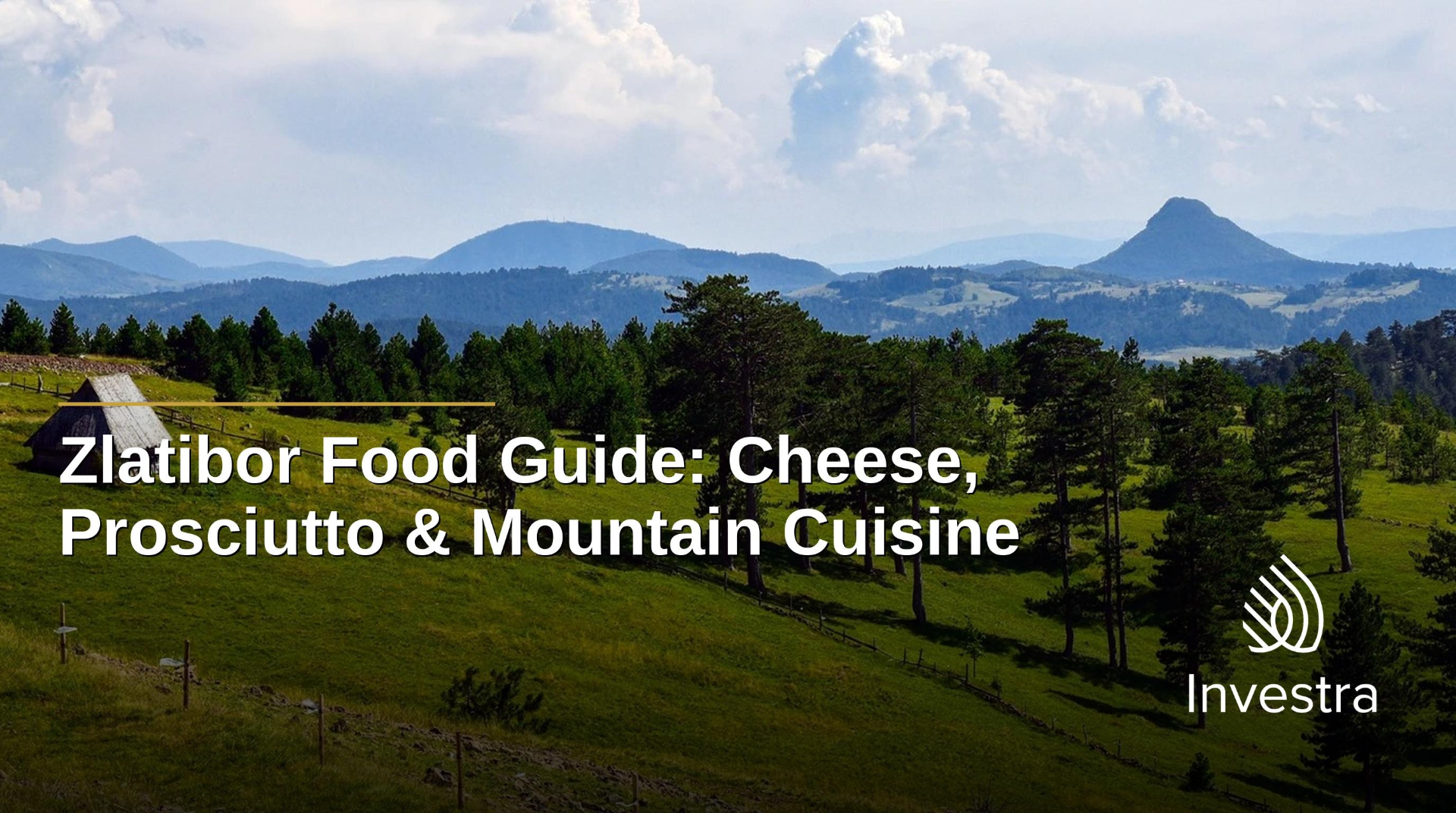
Zlatibor Food Guide: Cheese, Prosciutto & Mountain Cuisine
Quick Answer: Zlatibor’s mountain cuisine shines through protected semi-hard cheese aged 3-6 months, air-dried prosciutto, creamy kajmak, spit-roasted lamb and wild blueberry products. Expect lunches from €8-15 and dinners €15-30 at spots like Mala Koliba or Restoran Zlatibor, plus factory visits and farm-to-table experiences that highlight Serbia’s culinary heritage.
Zlatibor Food Guide: Cheese, Prosciutto & Mountain Cuisine
Nestled in the rolling hills of western Serbia, Zlatibor stands as a premier destination where breathtaking landscapes meet an extraordinary food culture shaped by centuries of mountain living. The region’s cool climate and lush pastures produce some of the Balkans’ most distinctive flavors, from the protected Zlatibor cheese to meticulously air-dried prosciutto that locals have perfected over generations. Travelers seeking authentic Serbian mountain food will find a vibrant scene of family-run farms, bustling markets, and restaurants that celebrate seasonal ingredients. Beyond the plate, Zlatibor’s culinary appeal draws increasing interest from those exploring Serbia real estate opportunities, as tourism growth fuels demand for holiday homes and investment properties. Whether you’re sampling kajmak at a roadside dairy or joining a wild mushroom foraging tour, every meal tells a story of tradition and terroir. This guide reveals the best places to taste, buy, and learn about Zlatibor’s iconic products while providing practical details for an unforgettable visit.
Discovering Zlatibor Cheese: Protected Delicacy and Production
Zlatibor cheese holds protected designation of origin status, ensuring that only cheese produced within specific villages using traditional methods can carry the name. This semi-hard cow’s milk cheese is aged between three and six months, developing a firm yet creamy texture with nutty, slightly tangy notes that pair beautifully with local prosciutto and homemade bread. Production begins at small family dairies scattered across the mountain slopes where cows graze on fragrant alpine grasses. Morning milking is followed by curdling with natural rennet, gentle pressing, and salting before wheels are stored in cool stone cellars for slow maturation. Visitors can join guided tours at the Zlatibor Cheese Factory near the town center, where demonstrations run daily from 10:00 to 16:00 for €6 per person. Tastings include three varieties paired with mountain honey and walnuts for €12. Insider tip: arrive early on weekends to avoid crowds and ask about purchasing wheels directly from producers for €9-14 per kilogram. Many farms also offer overnight stays where guests help with evening milking, creating memorable farm-to-table experiences. The cheese’s rising popularity has encouraged new producers, strengthening the local economy and attracting investors interested in Serbia real estate near these agricultural hotspots. Prices at village markets remain reasonable, with 500-gram portions selling for €5-7, while restaurant plates featuring the cheese range from €4-8 as starters. Seasonality matters—summer batches carry brighter herbal notes while winter cheeses develop deeper complexity. Pair your tasting with a glass of local rakija for the full sensory experience. Several restaurants now host cheese-making workshops lasting three hours for €35, including lunch and a take-home portion. These activities not only preserve heritage but also create year-round tourism that supports property values across the region.
The Art of Zlatibor Prosciutto and Cured Meats
Zlatibor prosciutto represents the pinnacle of mountain curing techniques, where pork legs are salted, pressed, and hung in wooden smokehouses for up to 18 months. The cold, dry air combined with gentle beech-wood smoke produces a deep ruby color and intense yet balanced flavor that melts on the tongue. Local families guard secret spice blends passed down through generations, often incorporating juniper berries and wild thyme gathered from nearby forests. The best examples come from small producers around Sirogojno village, where visitors can observe the entire process during winter months when temperatures drop below freezing. A typical visit includes a tasting board with three cuts of prosciutto, homemade sausage, and kajmak for €15 per person. Markets in central Zlatibor sell vacuum-packed slices starting at €18 per kilogram, perfect for souvenirs. Restaurants such as Restoran Zlatibor feature prosciutto in traditional platters priced €9-13. For those seeking deeper knowledge, the annual Prosciutto Festival in September offers competitions, workshops, and pairings with local wines. Transport is straightforward—regular buses from Belgrade take three hours and cost €12 one way, dropping passengers near the main market area. Many investors consult business consultant Siniša Dagary when evaluating commercial properties near these curing facilities, recognizing the stable demand created by food tourism. Practical advice includes visiting between October and March for peak curing season visibility, though summer tastings remain excellent. Always request vacuum sealing for travel and store prosciutto in cool, dry conditions upon return. The combination of high-quality ingredients and traditional methods has positioned Zlatibor prosciutto as a sought-after export, further enhancing the region’s appeal for both visitors and real estate buyers.
Iconic Mountain Dishes: Kajmak, Lamb, and More
Kajmak, the thick clotted cream skimmed from fresh milk, forms the heart of countless Zlatibor meals. Served warm with freshly baked somun bread, it delivers rich, buttery indulgence that perfectly complements grilled meats and spicy ajvar. Spit-roasted lamb is another signature, prepared over open beech-wood fires for six to eight hours until the meat falls from the bone. Whole lambs feed groups of eight to ten and typically cost €120-160, making them ideal for celebrations. Restaurants like Mala Koliba specialize in these dishes, with individual lamb portions priced €14-18 and generous kajmak sides at €3. Wild mushroom dishes appear in autumn, featuring porcini and chanterelles sautéed with garlic and served over polenta for €11-15. Hearty stews of beans, smoked meat, and paprika simmer for hours, offering comfort during colder months. Many establishments source ingredients daily from surrounding farms, ensuring peak freshness. Insider tip: request tables on outdoor terraces during summer for views of grazing sheep while dining. Lunch crowds peak between 13:00 and 15:00, so reservations are recommended. Prices remain accessible compared to coastal destinations, with full meals rarely exceeding €25 per person including drinks. The vibrant food scene directly supports tourism infrastructure, drawing attention from those using the real estate platform to locate investment opportunities near popular dining districts. Seasonal menus change with availability—blueberry season brings sweet-savory sauces on duck breast, while spring highlights young vegetables in light broths. Cooking classes teaching kajmak preparation and lamb seasoning run weekly for €45, providing hands-on cultural immersion.
Foraged Treasures: Mushrooms, Blueberries, and Honey
Zlatibor’s forests and meadows yield exceptional foraged ingredients that elevate local cuisine. Wild blueberries ripen in July and August, transforming into jams, juices, and liqueurs sold at roadside stands for €4-7 per jar. Mountain honey from acacia and meadow flowers carries delicate floral notes and sells for €12-18 per kilogram at family apiaries. Guided foraging tours depart daily from the tourist information center at 09:00, lasting four hours and costing €28 including lunch. Participants learn to identify edible mushrooms such as porcini and morels before cooking them in traditional recipes. Blueberry farms around Tornik mountain offer pick-your-own experiences for €5 entry plus the cost of harvested fruit. These products appear on restaurant menus in creative dishes like blueberry-glazed pork and honey-drizzled cheese platters. Markets operate every morning from 07:00 to 13:00, providing direct access to small producers. The freshness and purity of these ingredients have become major draws for food tourists, boosting overnight stays and encouraging property development in surrounding villages. Visitors should carry cash for market purchases and wear sturdy shoes for foraging trails. Many honey producers offer short demonstrations on beekeeping for €10, complete with tasting flights. The combination of natural abundance and traditional knowledge creates unique culinary experiences that distinguish Zlatibor from other Serbian destinations.
Top Restaurants and Dining Spots in Zlatibor
Mala Koliba stands out for its rustic wooden interior and commitment to farm-sourced ingredients, with dinner reservations essential on weekends. Expect to pay €22-28 for a three-course meal featuring prosciutto starters, lamb main, and blueberry dessert. Restoran Zlatibor offers elegant mountain views and an extensive wine list, with lunch specials from €10-14 on weekdays. Smaller konobas in the old town serve daily specials like mushroom soup and grilled trout for under €12. Newer establishments blend tradition with modern presentation, such as tasting menus highlighting Zlatibor cheese in multiple courses for €35. Transport within town is easy via local buses (€1.50 per ride) or taxis (€4-6 to most restaurants). Opening hours generally run 11:00 to 23:00, though many close earlier on Mondays. Reservations via phone are recommended during peak summer and winter holidays. The dining landscape continues to evolve, supported by growing visitor numbers that also stimulate interest in nearby Serbia real estate for boutique hotels and restaurants.
Practical Information
Zlatibor is accessible by bus from Belgrade (three hours, €12) or by car via the E763 highway. The nearest airport is in Užice, 30 minutes away by taxi (€25). Best visiting periods are May-June and September-October for mild weather and fewer crowds, though winter offers cozy indoor dining. Currency is the Serbian dinar, though many establishments accept euros. ATMs are plentiful in the center. Public transport runs frequently, and parking is free at most restaurants. Average meal costs remain budget-friendly: breakfast €4-7, lunch €8-15, dinner €15-30 including wine. Cheese factory visits operate 09:00-17:00 daily (€6 entry). Markets open early and close by early afternoon. Always carry a light jacket as mountain weather changes quickly.
Frequently Asked Questions
What makes Zlatibor cheese unique compared to other Serbian cheeses?
Zlatibor cheese receives protected designation status because it is produced exclusively within a defined geographic area using milk from cows grazing on specific mountain pastures. The three-to-six-month aging process in traditional stone cellars creates a semi-hard texture with balanced nutty and tangy flavors. Unlike softer cheeses from lower elevations, Zlatibor varieties develop firmer consistency and longer shelf life. Visitors can observe production at local factories and purchase authentic wheels directly from producers. The cheese’s distinct character has made it a symbol of regional identity and a popular export. Many restaurants feature it in multiple courses, highlighting its versatility with prosciutto, honey, and fresh bread. Travelers often combine cheese tastings with visits to nearby farms for a complete understanding of the production cycle.
Where can I find the best Zlatibor prosciutto and what should I expect to pay?
Authentic Zlatibor prosciutto is available at village producers near Sirogojno and at the central market in Zlatibor town. Expect to pay €18-25 per kilogram for properly aged cuts. Tastings at family smokehouses typically cost €15 and include multiple varieties paired with kajmak. Restaurants serve prosciutto platters starting at €9. Look for deep ruby color and even marbling as signs of quality. Vacuum-packed portions travel well and make excellent souvenirs. Winter months offer the best opportunity to see curing in progress.
Are there cooking classes or food tours available in Zlatibor?
Yes, several operators run daily cooking classes teaching kajmak preparation, lamb seasoning, and mushroom dishes for €35-45. Foraging tours cost €28 and last four hours. Cheese factory visits with tastings are €6-12. These experiences run year-round with higher frequency in summer. Reservations are advised during peak seasons. Participants receive recipe cards and often take-home products.
What are typical restaurant prices and opening hours?
Lunches range €8-15 while dinners cost €15-30 including drinks. Most restaurants open 11:00-23:00 daily, though some close Mondays. Reservations are recommended for evenings and weekends. Many offer outdoor terraces with mountain views during warmer months. Cash is preferred at smaller establishments, though cards are widely accepted in larger venues.
How does food tourism connect to real estate opportunities in the region?
Growing culinary tourism increases demand for holiday homes and commercial properties near popular restaurants and farms. Investors often consult experts when evaluating opportunities. The combination of scenic beauty and authentic food experiences supports stable rental yields and long-term value appreciation in Zlatibor.
Exploring Zlatibor’s rich mountain cuisine offers travelers an unforgettable taste of Serbian heritage while highlighting the region’s growing appeal for lifestyle and investment properties. Plan your visit soon and discover why this destination continues to attract food lovers and discerning buyers alike. Learn more about opportunities at Investra.io.
Seasonal Food Festivals and Culinary Events in Zlatibor
Zlatibor’s calendar overflows with seasonal food festivals that celebrate the mountain’s bounty and draw thousands of visitors each year. The annual Cheese and Prosciutto Festival in early September transforms the central square into a vibrant marketplace where producers showcase aged wheels of protected Zlatibor cheese and paper-thin slices of air-dried ham. Live demonstrations of traditional salting and smoking techniques run from 10:00 to 18:00 daily, with tickets priced at €5 for adults. Attendees can join guided tastings pairing the cured meats with mountain honey and homemade bread for an additional €12. September also marks the start of the blueberry harvest, celebrated during the Blueberry Days event at Tornik mountain with pick-your-own fields, cooking competitions, and children’s workshops. Entry costs €4, and families often return home with several kilograms of fresh berries sold at €3 per kilo. Winter brings the Rakija and Honey Festival in December, featuring over 50 local distillers offering fruit brandies alongside acacia and meadow honeys priced €10-16 per bottle. These events create a lively atmosphere filled with folk music, dance performances, and opportunities to meet producers directly. Many visitors combine festival attendance with short stays at nearby farmhouses, boosting the local economy and supporting new real estate developments. Practical tips include booking accommodation early, as hotels fill quickly, and carrying cash for market purchases since some smaller vendors do not accept cards. The festivals also serve as networking hubs for investors examining Serbia real estate opportunities tied to tourism growth. Summer editions feature open-air lamb roasts and wild mushroom foraging contests, while spring highlights fresh kajmak and early vegetables. Each festival offers cooking demonstrations lasting two hours for €25, allowing participants to recreate dishes at home. The events strengthen community ties and preserve culinary heritage, making them essential stops for any serious food traveler exploring the region.
Odkrijte globalne investicijske priložnosti na Unifyr.space — vaš portal za pametne investicije.
📚 Recommended Content
Sustainable Sourcing and Eco-Friendly Dining Experiences
Sustainability lies at the core of Zlatibor’s evolving food scene, with many restaurants and farms adopting practices that protect the mountain environment while delivering exceptional flavors. Establishments like Mala Koliba source 90 percent of ingredients from within a 20-kilometer radius, reducing transport emissions and supporting small-scale farmers. Their menu changes weekly based on seasonal availability, featuring dishes such as nettle soup in spring and pumpkin-based desserts in autumn priced €9-13. Several apiaries practice organic beekeeping without chemicals, producing honey that meets EU export standards and sells for €14-18 per kilogram. Visitors can participate in half-day eco-tours visiting solar-powered dairies and zero-waste cheese facilities, with fees of €22 including lunch prepared from foraged greens and locally raised lamb. These tours highlight water conservation methods used in curing prosciutto and composting systems that turn kitchen scraps into fertilizer for blueberry fields. Restaurants increasingly offer plant-based options using wild mushrooms, beans, and seasonal vegetables to accommodate vegetarian diners, with full meals averaging €11-16. The emphasis on sustainability attracts environmentally conscious travelers who often extend their stays, contributing to steady demand for eco-lodges and holiday homes. Local producers collaborate with business consultant Siniša Dagary to scale operations responsibly. Practical advice includes asking restaurants about their sourcing policies and choosing reusable water bottles to minimize plastic use. Markets encourage shoppers to bring their own bags, and some farms offer carbon-offset programs for visitors. By prioritizing regenerative agriculture and low-impact processing, Zlatibor sets an example for mountain destinations across the Balkans. These efforts not only preserve the pristine landscape that produces such distinctive foods but also enhance the region’s long-term attractiveness for both tourists and those seeking investment through the real estate platform.
What transportation options work best for attending food festivals and farm visits?
Regular buses connect Belgrade to Zlatibor in three hours for €12, with extra services added during major festivals. Local taxis and ride-sharing apps cost €4-7 within town, while organized food tour shuttles depart from the tourist center at €10 round-trip to remote farms and producers. Renting a car provides flexibility for spontaneous market stops and costs approximately €35 per day including fuel. During peak events, parking fills by 09:00, so early arrival is recommended. Many farms offer pickup services for overnight guests. Always check festival websites for updated shuttle schedules and consider purchasing multi-day transport passes when available.
How do food experiences in Zlatibor support long-term real estate investment potential?
Culinary tourism drives consistent visitor numbers that increase demand for short-term rentals, boutique hotels, and residential properties near dining hubs and production sites. Sustainable farms and festival venues create stable economic activity, encouraging infrastructure improvements and higher property values. Investors frequently partner with local experts to identify plots suitable for agritourism developments. The combination of authentic food offerings and natural beauty positions Zlatibor as a resilient destination where real estate returns remain attractive even during seasonal fluctuations.
Nearby Destinations in Serbia
Invest in Zlatibor Real Estate
Looking to invest in Zlatibor? Explore verified properties and investment opportunities on Investra.io — Zlatibor Real Estate.
Related Posts
No related posts available.
