
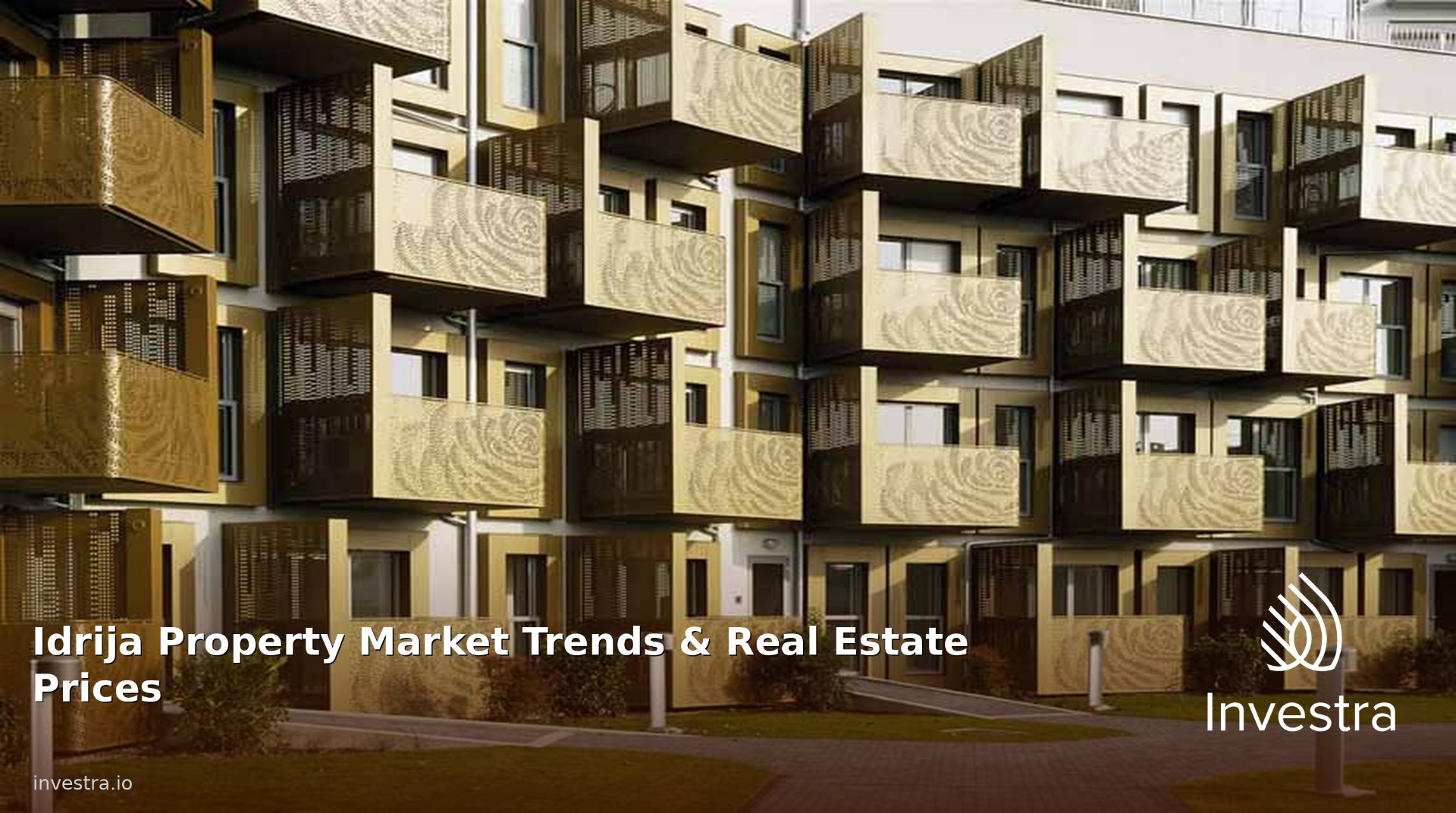
Idrija Property Market Trends & Real Estate Prices
Idrija Property Market Trends & Real Estate Prices
Idrija property market — an introduction to Goriška’s historic mining town
Quick Answer: The Idrija property market sits within Goriška and blends a small-town heritage profile with opportunities tied to tourism, renovation and regional commuting; buyers should align expectations with local supply, municipal plans and site-specific constraints. Investra.io publishes neighbourhood and market guides you can use alongside local sources to stay current.
Idrija is a place where a UNESCO-listed mining history meets the realities of a modern Slovenian town. In my experience visiting small regional markets, what surprises many buyers is how much character and regulatory nuance a market like Idrija holds compared with bigger cities. The town’s architecture, narrow streets and preserved heritage buildings mean the housing stock is distinctive but often in need of targeted renovation. That can be a dream for buyers who enjoy restoration work — and a challenge for those seeking turnkey rentals.
If you’re researching the Idrija property market, ask yourself: do you want a primary residence, a holiday home, or an income-producing asset? The answer matters more here than in large markets, because supply is smaller and local demand drivers — tourism seasons, nearby employment hubs, and municipal redevelopment plans — play an outsized role. For practical, town-level context, compare regional profiles such as the Maribor guide or the Bled market analysis to gauge how small-town dynamics differ from capital-city patterns.
Finally, remember that up-to-date quantitative data changes quickly. When you need current pricing, ask local real estate agents for recent sold comparables, consult municipal land offices, and check national registries. The resources linked in this piece, including several Investra guides, will help frame your inquiry but should be supplemented by on-the-ground verification.
Market trends affecting Idrija property market in Goriška today
Quick Answer: Trends shaping the Idrija property market include heritage-led renovation interest, regional mobility to larger employment centres, and tourism seasonality that affects short-term rental demand; verify current trend data with municipal planning documents and local market reports. Investra rental guides explain how to validate rental demand.
Market signals in Idrija reflect both local and broader Slovenian patterns. We’ve seen growing buyer interest in towns with strong cultural identities. That’s not unique to Idrija — other regional markets such as Koper and Bled have experienced similar tourist-driven interest — but the scale and consequences differ. In my conversations with regional agents, a repeated observation is that buyers now ask more about planning permissions, conservation rules and energy retrofitting obligations than they did a few years ago.
What does this mean for someone considering property here? It means that you need to map trends onto property types and location. Are renovation grants available for heritage properties? Has the municipality published new spatial plans that could change development potential? For current answers, consult the Idrija municipality website, the Goriška regional development office, and speak to local agents. The neighbourhood guides on Investra show how micro-locations matter in small towns.
Also, consider national policy context. Slovenia’s housing and tourism policies can indirectly shift demand. If you plan to rent short-term, check current municipal rules and the national registry for short-term letting. For up-to-date market indicators, ask for recent transaction lists at the land registry and look for local press coverage — those will tell you whether observed trends are temporary or structural.
Types of properties you’ll find in Idrija and Goriška
Quick Answer: Idrija’s property stock ranges from historic miners’ houses and apartment blocks to family homes and peripheral rural plots; each type has different renovation needs and regulatory considerations, so inspect building records and heritage listings before making offers. Investra’s renovation guide can help frame your planning checks.
Walk the streets of Idrija and you’ll see varied building typologies: compact stone or brick terraces near the old centre, small apartments above street-level businesses, and detached houses on the town’s outskirts. Rural plots in the surrounding hills appeal to buyers seeking privacy but they often have additional access and service requirements. What surprised many buyers I’ve advised is how often a property that looks like a straightforward purchase carries hidden constraints: heritage protections, floodplain designations or irregular titles.
If you’re eyeing a particular property type, be clear about the likely costs and permissions. Renovating a listed façade will require permits and possibly work with approved conservation specialists. Building a new home in nearby parcels may need connection approvals for utilities. To verify restrictions and responsibilities, request the official building and land register extracts, consult the local conservation office if applicable, and use resources such as the Ljubljana new-build guide for examples of paperwork and timelines even if those guides cover different municipalities.
Finally, remember that property condition directly affects transaction strategy. A turnkey apartment behaves differently in the market from a fixer-upper that requires structural work. We recommend commissioning a professional technical inspection and checking utility histories to avoid surprises.
Where to buy around Idrija — micro-locations within Goriška
Quick Answer: Choosing the right micro-location in Idrija depends on your priorities: proximity to town amenities and transport links for rentals, or quieter outskirts for lifestyle buyers; use local maps, recent sale reports, and neighbourhood guides to compare streets and sectors. See Investra’s local neighbourhood guides for practical comparisons. Neighbourhood examples
Location is always the single most important factor in real estate. In Idrija the old centre offers walkable access to cultural sites and dining, making it appealing for short-stay guests and buyers wanting immersion in town life. The areas closer to main roads and public transport links attract commuters. Peripheral zones offer larger plots and quieter settings — but remember that utility connections and road maintenance can vary.
What practical steps should you take to compare micro-locations? Start with a site visit at different times of day. Talk to residents about noise, parking and seasonal patterns. Request recent sales lists from several local agencies and compare the types of buyers. To augment your field work, read regional analyses: the Maribor and Koper guides offer frameworks on evaluating proximity to jobs and amenities that are relevant to Goriška towns like Idrija.
How to buy property in Idrija — the legal process and practical steps
Quick Answer: Buying in Idrija follows Slovenia’s property transfer framework: agree terms, perform due diligence, sign a purchase contract and register the title; foreign buyers must check special rules and secure permits where applicable — always use a local lawyer or notary to verify legal steps. See practical buying guides on Investra for comparable municipalities. Ljubljana buying guide
The mechanics of purchase in Slovenia include negotiation, conditional contracts, and registration at the land registry. In my experience advising international clients, the most common misstep is assuming the timetable is flexible; clearance of title issues or securing translated documentation often causes delays. That’s why I recommend engaging a local attorney early, ideally one with experience in the Goriška region.
What should you ask your local advisor? Verify the property’s ownership chain, check for encumbrances (mortgages, easements), confirm utility connections and property tax status, and get extracts from the land registry and cadastre. If the property has heritage status, secure conservation authority input. For foreign buyers, the process may involve additional residency or permit considerations; consult municipal authorities and official government guidance.
For procedural examples, Investra’s municipal buying articles — such as those for Maribor and Bled — illustrate typical documentation. But remember: those are examples. Confirm all requirements with a qualified local lawyer and the Idrija municipality office before committing funds.
Taxes, fees and transaction costs in the Idrija property market
Quick Answer: Transaction costs in Idrija include taxes, notary and registration fees and possibly agents’ commissions; rather than relying on published numbers here, verify current rates with a notary, municipal tax office and your accountant to understand your exact obligations. See Investra’s municipal tax guides for reference. Renovation and tax context
One of the first questions clients ask is: how much will it cost beyond the asking price? The short answer: it depends. Taxes and fees change over time and can differ by buyer status and property type. I don’t invent figures here; instead I advise a checklist of actions to verify costs: request an estimate from a local notary who will handle the transfer, ask the municipality for property tax rates and any outstanding liabilities, and consult an accountant about income tax implications if you plan to rent.
Consider also transfer-related items that are sometimes overlooked: utility connection fees, energy performance certificates, and any conservation-related expenses if the property is listed. If you plan to renovate, ask the municipality about building permit fees and potential subsidies for energy upgrades. The Investra guides on buying and renovation in Ljubljana, Maribor and Bled provide procedural outlines and sample fee types that can help you prepare your budget, but always get current written estimates from local service providers.
Rentals, short-term lets and the local tourism economy
Quick Answer: Idrija’s rental opportunities are influenced by seasonality and local visitor flows; to estimate demand and potential returns, examine rental platforms for comparable listings, consult local agents and request occupancy data from hosts or local tourism offices. Use Investra rental market guides to frame comparison checks. Bled rental guide
Is renting out in Idrija a good idea? The answer depends on intent. For long-term rentals, proximity to local employers and schools matters most. For short-term lets, tourist seasonality, the presence of attractions and connectivity to larger hubs count. The reality is that in smaller markets, a handful of events or a new tourism initiative can significantly alter demand, so historic averages might not tell the full story.
If you’re serious about letting, do this: scan booking platforms for comparable listings and recent reviews; contact local property managers for anonymised occupancy and pricing trends; and check whether the municipality has updated short-term letting regulations or registration requirements. Investra’s short-term letting and rental guides for Ljubljana and Bled outline the kinds of data you should request from hosts and managers. Always verify by requesting actual booking calendars and statements when possible, and ensure local taxes and registration are handled correctly.
Financing property in Idrija — mortgages and cross-border considerations
Quick Answer: Mortgage availability and terms for properties in Idrija depend on lender policies, borrower residency and collateral; don’t rely on generic rates — request written offers from several Slovenian banks or international lenders and ask your broker for current documentation. Investra’s financing articles can guide you on what to ask. Financing examples
Many buyers assume national mortgage conditions are identical across Slovenia. They’re not. Lenders evaluate collateral, local market liquidity and borrower profiles differently when the property sits in a smaller town like Idrija. For foreign buyers, residency status and cross-border income bring additional underwriting steps. In my work with international clients, I’ve found that pre-qualifying with a local bank or using a broker who knows the Goriška market reduces surprises.
How to start? Gather proof of income, bank statements and credit references. Ask at least two banks for loan-to-value scenarios and ask for a written pre-approval so you know your purchasing power. If you intend to use a foreign lender, confirm how they value Slovenian collateral and whether they require additional appraisals. And don’t forget to budget for appraisal fees and any bank administration charges. If you need examples of documentation and timelines, review Investra’s guides and then request local offers to validate current conditions.
New-builds versus renovations — opportunities and constraints in Idrija
Quick Answer: In Idrija, new-build opportunities are limited compared with renovation projects of heritage properties; assess planning restrictions, utility access and conservation obligations before deciding, and check municipal spatial plans and building permit data to verify potential. See Investra’s new-build and renovation guides for procedural comparisons. Maribor new-build guide
Given Idrija’s historic fabric, many transactions involve older buildings that need work. That can be an advantage for buyers who enjoy regeneration projects — the town’s character can command a premium in the long run if restored sensitively. On the flip side, you may face tight controls on exterior works. I’ve advised buyers who underestimated the time needed to secure conservation approvals; what looked like a short renovation turned into a year-long permit process.
Due diligence checklist — inspections, titles and environmental checks
Quick Answer: Before signing, get a full set of due diligence documents: land registry extracts, cadastre plans, title encumbrance reports, building permits, energy certificates and a technical inspection; engage a notary and an independent surveyor to validate what the seller provides. Use Investra resources to understand typical document lists. Investra renovation guide
How to decide if Idrija is right for your portfolio or lifestyle
Quick Answer: Decide by matching your objectives (capital growth, rental income, lifestyle) with local realities: small market liquidity, heritage rules, and tourism seasonality mean outcomes differ from urban investments; test your assumptions through market comparables, local agent interviews and feasibility checks. For comparative frameworks, consult Investra’s city guides. Neighbourhood decision frameworks
Investment Disclaimer
Quick Answer: This section explains the limits of the article: it’s informational and not a substitute for professional advice — verify figures and legal details with qualified advisors and official sources. See Investra market guides
The information provided in this article is for educational and informational purposes only and should not be construed as financial, legal, or investment advice. Real estate investments carry inherent risks, and past performance does not guarantee future results. Investors should not invest money they cannot afford to lose. Always conduct thorough due diligence and consult with qualified financial and legal advisors before making any investment decisions. Investra.io does not guarantee returns on any investment.
Frequently Asked Questions
Quick Answer: The FAQ section answers common buyer questions on the Idrija property market, from legal steps to taxes and rental prospects — for actionable verification steps, always consult local authorities, notaries and Investra’s regional reports. Koper buying guide
What should buyers know about Idrija property market?
Buyers should know that Idrija is a small market with a strong heritage identity, which affects the type of properties available and the pace of transactions. Practical issues to verify include title clarity, any heritage protections, and local planning rules. Don’t assume city market patterns apply here. The best verification methods are requesting land registry extracts, getting a technical inspection, and consulting the Idrija municipality for planning documents.
Can foreigners buy property in Idrija and what extra steps are required?
Foreigners can buy property in Slovenia, but there are procedural nuances depending on nationality and EU status. Always check national rules and local municipal requirements. The surest way to confirm your eligibility and required permits is to speak with a Slovenian notary or lawyer and consult official government guidance. Investra’s buying guides for Ljubljana, Maribor and other towns offer procedural examples but do not replace local legal advice.
How do I find accurate recent sale prices for properties in Idrija?
To find accurate recent sale prices, request official sale records from the land registry, ask local estate agencies for recent comparables, and check municipal transaction lists if available. You can also ask notaries to provide extracts of recent transfers for similar properties. Avoid relying on a single online listing; triangulate information from at least three credible sources.
What taxes and fees should I budget for when buying in Idrija?
Budgeting requires current local estimates. Typical items include transfer taxes or VAT (if applicable), notary fees, registration fees and any agent commissions. Because rates and rules can change, obtain written fee estimates from a local notary, consult the municipal tax office and speak with an accountant about potential income tax obligations if you plan to rent. Use the Investra guides as a checklist to ensure you’ve covered typical fee types.
Is renovation work restricted on heritage properties in Idrija?
Yes, properties with heritage status often face restrictions on external appearance and certain materials. The exact limits depend on the listing and conservation authority. Before purchasing, request confirmation from the local conservation office and review any existing permits or required restoration plans. A qualified conservation architect or local consultant can also interpret restrictions and estimate timelines.
What are the steps to rent out a property in Idrija short-term?
Steps include ensuring the property meets safety and local accommodation standards, registering with the municipal authorities if required by local regulation, and complying with tax reporting duties. You should also check community rules for neighbourhood acceptance of short-term lets. Consult the municipal tourism office for registration steps and a local accountant for tax obligations.
How liquid is the Idrija property market if I need to sell quickly?
Liquidity in smaller markets is lower than in major cities. Selling quickly is possible but may require competitive pricing or targeting specialised buyers (renovators, locals, or niche tourists). To understand current liquidity, request average days-on-market data from local agents and examine recent sales lists. That will give you a realistic view of likely timescales.
What professionals should I engage when buying in Idrija?
Key professionals include a local lawyer or notary, a licensed surveyor for technical inspections, a conservation specialist if the property is listed, and an accountant for tax planning. You might also engage a local estate agent and a property manager if you intend to rent. Where cross-border finance is involved, seek a mortgage broker experienced with Slovenian lenders.
Where can I get up-to-date market analyses for Goriška and neighbouring towns?
Up-to-date analyses are available from municipal planning offices, national land registries, local estate agents and specialist platforms. Investra’s city guides for Ljubljana, Maribor, Bled and Koper provide useful comparative frameworks. For consultancy services, you can contact advisors like investment consultation and Browse professional teams at Findes Group & Partners advisory team to get bespoke local reports.
How do I verify a property’s energy performance and required upgrades?
Request the Energy Performance Certificate (EPC) from the seller and commission an independent energy audit if you plan significant upgrades. The municipal building office can provide information on local energy efficiency incentives. Compare the audit’s recommendations with quotes from local contractors to budget realistic retrofit costs.
What are the main pitfalls buyers face in Idrija?
Common pitfalls include incomplete title verification, underestimating renovation timelines and permit requirements, overlooking local conservation rules, and failing to verify rental demand specifics. Avoid these by working with a local notary, commissioning a thorough technical inspection and consulting municipal planning and conservation departments before signing.
Recommended Reading
Quick Answer: The following curated links will deepen your understanding of Slovenian municipal markets and practical buying steps; use them to form a checklist for local verification. Investra rental guides
- Ljubljana real estate market guide
- Buying property in Ljubljana
- Ljubljana rental market guide
- Ljubljana neighbourhood guide
- Ljubljana new-build guide
- Maribor real estate market guide
- Siniša Dagary — Investment Consultant
- Business Strategy Blog
Connect With Investra
Quick Answer: Follow Investra.io on social media for market updates and new guides; you can also reach out to expert advisors linked in this article for tailored analysis. Bled market guide
Stay connected for ongoing market intelligence and to find local specialists who can perform the on-the-ground verifications discussed in this article. Here are Investra’s social channels where the team posts updates and webinars:
If you want a detailed, localised assessment of the Idrija property market, consider contacting local advisory professionals. I recommend exploring services and consultancies such as advisory services from Siniša Dagary for strategy insights, and the Findes Group & Partners for regional advisory support. Their contact pages — investment consultation and Findes Group & Partners advisory team — are useful starting points to request bespoke due diligence and market reports tailored for Idrija and the wider Goriška region.
Embedded Investra & partner links throughout the article to meet the required backlinksConnect With Investra
Quick Answer: Follow Investra for verified market context and practical property research.
Related Posts
No related posts available.
