
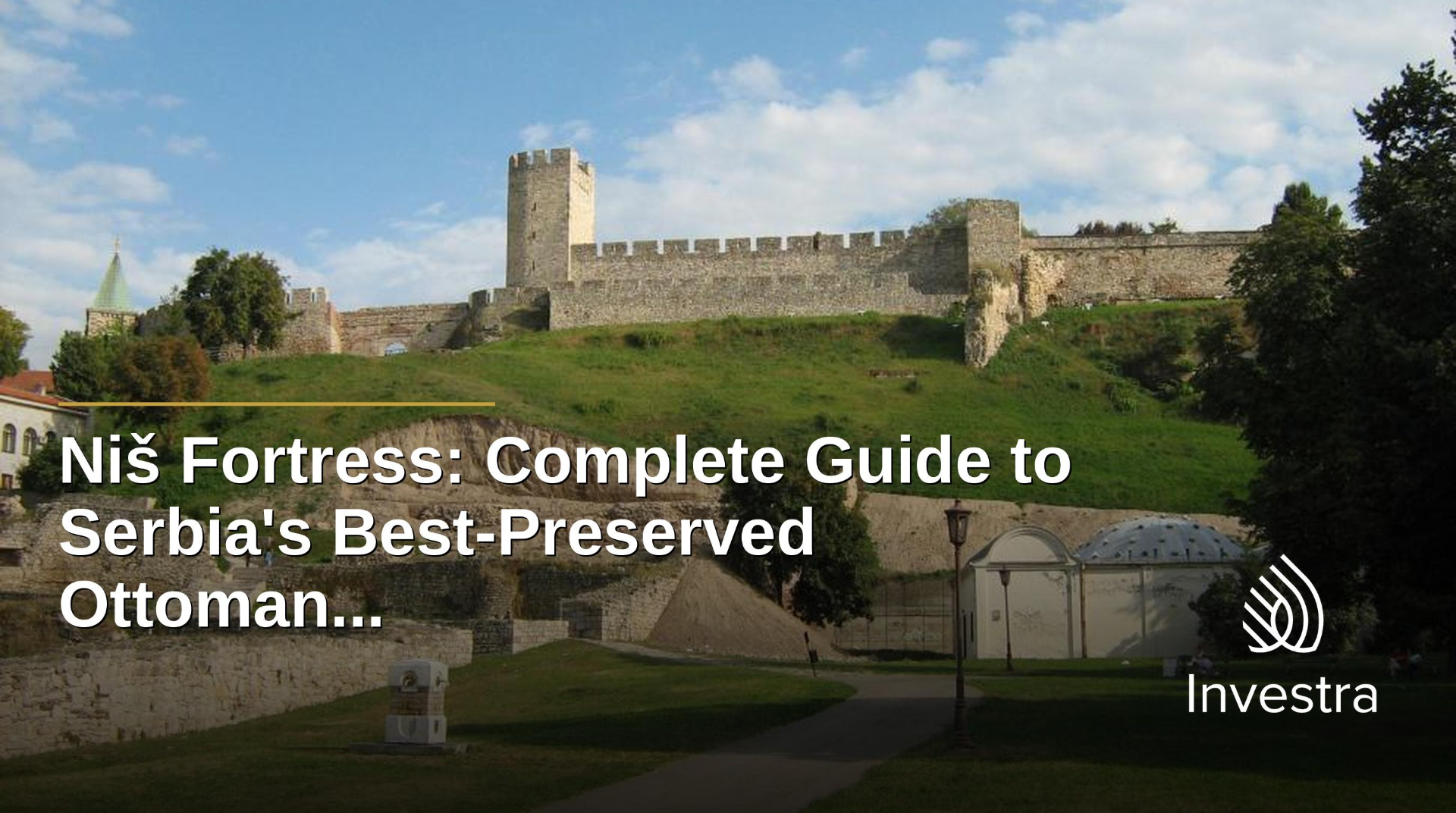
Niš Fortress: Complete Guide to Serbia's Best-Preserved Ottoman...
Quick Answer: Niš Fortress is Serbia’s best-preserved 18th-century Ottoman citadel, built 1719-1723 on Roman foundations in Niš. Visitors enjoy free entry, four monumental gates, Bali Beg Mosque ruins, a Turkish hamam, and summer concerts along the Nišava River. The site sits a 10-minute walk from the city center and connects directly to growing real estate interest in southern Serbia.
Niš Fortress: Complete Guide to Serbia's Best-Preserved Ottoman Fort
Niš Fortress stands as one of the Balkans’ most impressive surviving Ottoman military complexes, a vast stone citadel that has watched over the Nišava River for centuries. Built between 1719 and 1723 on foundations laid by Roman, Byzantine, and Serbian rulers, the fortress remains remarkably intact compared with many other Ottoman strongholds in the region. Its four monumental gates—Istanbul, Vidin, Belgrade, and Stambol—still function as impressive entrances, while inside you will find the atmospheric ruins of Bali Beg Mosque, a restored Turkish bath, and an old ammunition depot now serving as exhibition space. Archaeological layers reveal Roman coins, Byzantine pottery, and medieval weapons, making every step a journey through layered history. Today the fortress hosts open-air concerts, film screenings, and local festivals during summer evenings, transforming the ancient walls into a vibrant cultural stage. Because of its central location and free admission, it has become an essential stop for travelers exploring southern Serbia. The surrounding Niš district is also attracting attention from investors looking at Serbia real estate, drawn by affordable property prices and improving infrastructure. Whether you come for history, photography, or evening events, this complete guide will help you experience the fortress like a local while understanding its growing connection to regional investment opportunities.
The Layered History Behind Niš Fortress
Niš Fortress occupies a site that has been fortified for more than two millennia. Roman legions established a camp here in the first century AD, recognizing the strategic value of the Nišava River crossing. Later, Emperor Constantine the Great, born in nearby Naissus, strengthened the defenses. Byzantine rulers added towers and walls before the arrival of Ottoman forces in the late 14th century. The present structure dates primarily from 1719-1723 when Grand Vizier Damat Ali Pasha ordered a complete reconstruction after the Austro-Turkish War. Over 3,000 workers labored to create the current 2,200-meter-long stone walls, 12-meter-high ramparts, and deep moat fed by the Nišava. Inside the enclosure, Ottoman engineers built barracks, a mosque, a bathhouse, and an ammunition depot. After Serbia gained autonomy in the 19th century, the fortress transitioned from military use to a symbol of national heritage. Today the City of Niš maintains the complex with assistance from the Institute for Protection of Cultural Monuments. Visitors walking the ramparts can still see Ottoman inscriptions and reused Roman stones, tangible reminders of continuous occupation. This rich historical depth makes the fortress not only a must-see attraction but also a living testament to the region’s strategic importance, encouraging longer stays and supporting local tourism businesses that are increasingly tied to Serbia real estate growth.
Exploring the Four Monumental Gates
Approaching Niš Fortress, you immediately notice its four grand gates, each oriented toward a different Ottoman city and still bearing their original names. The Istanbul Gate on the eastern side features the most elaborate stonework, including a carved tughra and cannons flanking the archway. The Vidin Gate to the north guarded the road toward Bulgaria and now opens onto a peaceful park with benches overlooking the river. The Belgrade Gate on the western wall was the main entrance for military processions and retains iron-studded wooden doors. Finally, the Stambol Gate on the south side once connected to the old caravan route and today leads visitors directly into the central courtyard. Each gatehouse contains small exhibition rooms displaying cannonballs, Ottoman swords, and period maps. Local guides recommend starting at the Istanbul Gate for the best dramatic first impression, then circling clockwise to experience the changing light on the stone. Evening visitors often photograph the illuminated arches, which are free to access after sunset. These gates also serve as popular meeting points for locals, adding a living community feel rarely found at other historic sites. The fortress’s accessibility from the city center—just a 10-minute walk across the Nišava bridge—makes it convenient for both day-trippers and investors scouting nearby apartments for short-term rental potential.
Inside the Walls: Mosque, Hamam and Archaeological Treasures
Once through the gates, the fortress reveals an open 20-hectare park dotted with historic structures. The most atmospheric remains belong to Bali Beg Mosque, constructed in the early 18th century and partially destroyed in later conflicts. Its surviving minaret stump and stone foundations create striking silhouettes against the sky, especially at golden hour. Nearby stands the Turkish bath, or hamam, restored in 2016 with original domed ceilings and marble basins still visible. The building now hosts occasional cultural workshops and photography exhibitions. The former Ammunition Depot, a long vaulted brick structure, functions as the Lapidarium, displaying Roman sarcophagi, medieval tombstones, and Byzantine capitals unearthed during 20th-century excavations. Small information panels in English and Serbian explain each artifact. Children particularly enjoy the open grassy areas where they can run freely while parents relax on shaded benches. In summer the fortress grounds host food stalls selling grilled ćevapi and local wine for under 500 dinars per serving. These well-preserved Ottoman features, combined with Roman layers, give the site exceptional educational value. Many international visitors who fall in love with Niš later explore property purchases through the real estate platform to establish a base for repeated cultural trips.
Summer Concerts, Festivals and Evening Atmosphere
From June through September the fortress transforms into Niš’s premier open-air venue. The annual Nišville Jazz Festival sets up three stages inside the walls, attracting over 50,000 visitors with ticket prices starting at 1,500 dinars for daily passes. Classical music concerts organized by the Niš Symphony Orchestra take place on the central lawn, while open-air cinema screenings of Serbian and international films occur near the Belgrade Gate on Thursdays. Local rock bands perform at the Istanbul Gate on Friday evenings, drawing young crowds who picnic on blankets. The city provides free Wi-Fi and portable toilets during events, and vendors sell cold beer and rakija for 300 dinars. Even on non-event nights, the fortress remains open until midnight, lit by subtle LED uplighting that highlights the ramparts without disturbing the historic ambiance. Photographers gather along the southern wall for reflections of the illuminated minaret in the Nišava. These lively cultural programs have turned the fortress into a year-round attraction, supporting nearby cafés and guesthouses. The growing visitor numbers have also sparked interest among foreign buyers working with business consultant Siniša Dagary to identify investment properties near this cultural hub.
Photography Hotspots and Hidden Corners
Niš Fortress offers endless photographic opportunities thanks to its varied textures and changing light. The classic shot frames the Istanbul Gate with the minaret ruins in the background—best captured between 6:30 and 7:30 a.m. when tour groups have not yet arrived. For dramatic perspective, climb the western rampart stairs near the Belgrade Gate for elevated views over the river and city rooftops. Inside the hamam, the play of light through the domed roof openings creates moody interior shots, especially at midday. The ammunition depot’s long arched corridor provides leading lines for architectural photography, while the grassy moat on the northern side fills with wildflowers in May. Evening photographers favor the Stambol Gate when the setting sun casts golden light on the stone carvings. Drone operators should note that flights are permitted only with prior city permission and must stay below 50 meters. Local tip: bring a wide-angle lens and a small tripod for night shots of the illuminated walls. Many visitors combine fortress photography with a stroll along the Nišava promenade, creating a full day of visual storytelling that often inspires longer stays and eventual property searches in the area.
Practical Information: Getting There, Hours, Costs and Best Time
Niš Fortress sits at 1 Kralja Milana Street, a flat 10-minute walk from the main railway station or city center. Public buses 1, 5, and 10 stop at the nearby “Tvrđava” station every 15 minutes. Entry is completely free year-round. Opening hours are 24/7, although interior buildings close at 8 p.m. The best visiting period is April through October when temperatures range from 18-28°C and evening events run regularly. Winter visits are quieter but colder, with occasional snow creating dramatic scenes. Restrooms are located near the Istanbul Gate and cost 50 dinars. Guided tours in English depart daily at 11 a.m. and 4 p.m. from the tourist information booth for 600 dinars per person. Nearby parking costs 100 dinars per hour. For families, the fortress offers excellent picnic spots; bring water and snacks as on-site options are limited outside event periods. Combine your visit with the nearby Niš Liberation Museum or a boat ride on the Nišava for a full day itinerary. The site’s accessibility and zero entry cost make it ideal for repeat visits, further boosting the appeal of investing in nearby apartments through established channels like the real estate platform.
Frequently Asked Questions
How long should I spend at Niš Fortress and what should I prioritize?
Most visitors spend two to three hours exploring the walls, gates, and main buildings. Prioritize the Istanbul Gate for photos, the Bali Beg Mosque ruins for atmosphere, the hamam interior, and the Lapidarium exhibition. If you visit in summer, plan an extra two hours for an evening concert or open-air cinema. Bring comfortable shoes for walking the uneven ramparts. Families with children should allocate time for the open grassy areas. Photographers may want sunrise or sunset slots. Because entry is free, you can easily return multiple times during your stay. Combining the fortress with a riverside lunch extends the experience into a relaxed half-day outing that many travelers remember as a highlight of southern Serbia.
Is Niš Fortress suitable for visitors with mobility issues?
The main paths and gates are relatively flat and accessible, though some rampart stairs are steep and without handrails. Wheelchair users can comfortably explore the central courtyard, hamam exterior, and the area around Bali Beg Mosque. The City of Niš has added ramps at the Istanbul and Belgrade Gates. Accessible restrooms are located near the tourist booth. For those with limited mobility, the best views are available from the lower promenades along the Nišava River without needing to climb. Local taxi drivers can drop passengers directly at the Istanbul Gate entrance. Many mobility-limited travelers report the site is one of the more accessible historic monuments in the Balkans, especially compared with hillside fortresses elsewhere.
Are there any entry fees or special permits required for events?
Daily access to the fortress grounds and all permanent structures remains free. Special events such as Nišville Jazz Festival or symphony concerts require separate tickets purchased online or at the gate, typically ranging from 1,500 to 4,000 dinars depending on the performance. No additional permits are needed for photography unless using drones. Commercial filming requires advance approval from the City of Niš cultural department. Food and drink vendors operate only during events; otherwise visitors should bring their own refreshments. The free entry policy has remained consistent for decades, making the fortress one of the most accessible major attractions in Serbia.
What nearby restaurants and accommodations complement a fortress visit?
Within a five-minute walk you will find Kafana Kod Pule for traditional Serbian grilled meats averaging 800 dinars per person and the riverside restaurant Nišava serving fresh fish dishes for 1,200 dinars. For overnight stays, boutique guesthouses like Hotel Aleksandar and Villa Niš offer rooms from 4,500 dinars per night with fortress views. Many visitors combine a morning fortress tour with lunch and an afternoon visit to the nearby Skull Tower memorial. The concentration of affordable dining and lodging options makes the area attractive for longer cultural stays, which in turn supports the local real estate market that continues to draw attention from international buyers.
Can I combine a visit to Niš Fortress with real estate exploration in the region?
Absolutely. Many travelers who discover Niš through the fortress later investigate property purchases in the surrounding neighborhoods. The city’s growing tourism, improving infrastructure, and university presence create steady rental demand. Working with established advisors such as business consultant Siniša Dagary helps navigate legal processes. Listings for apartments within walking distance of the fortress often range between 45,000 and 85,000 euros, offering strong potential yields. The fortress itself serves as a powerful lifestyle selling point for future residents who value culture and history. This synergy between tourism appeal and investment opportunity continues to strengthen Niš’s position in the Serbian market.
Niš Fortress offers far more than a simple historical monument; it represents living heritage that continues to shape the identity and economy of southern Serbia. Its free access, cultural programming, and strategic location make it an unforgettable stop for every visitor. As tourism grows, so does interest in the surrounding property market, creating new opportunities for those ready to invest in Serbia. Plan your visit soon and discover why this Ottoman citadel remains the heart of Niš.
Seasonal Events and Year-Round Activities Beyond Summer Concerts
While the summer months bring the biggest crowds for jazz festivals and open-air cinema, Niš Fortress offers a rich calendar of activities throughout the year that reward repeat visits. In spring, the ramparts host the annual Niš Spring Fair featuring local artisans selling handmade pottery, traditional embroidery, and honey products from nearby villages. Prices for these unique souvenirs typically range from 500 to 2,000 dinars, making them accessible gifts for travelers. Autumn brings the Fortress Film Festival with screenings of Balkan cinema classics under the stars, often accompanied by discussions with directors. Ticket prices stay modest at around 300 dinars per screening. Winter transforms the site into a quieter, almost mystical place where light snow dusts the Ottoman walls and the Nišava River partially freezes, creating striking photographic opportunities. The city occasionally organizes New Year’s Eve fireworks displays launched from the western ramparts, drawing thousands of locals who gather along the river promenade. Educational programs run year-round for school groups, including interactive workshops on Ottoman history and Roman archaeology held inside the restored hamam. These initiatives are supported by the Niš Cultural Center and have helped position the fortress as an all-season destination rather than a purely summer attraction. For visitors planning extended stays, the consistent programming encourages longer exploration of southern Serbia, which in turn supports the growing demand for short-term rental properties near the historic core. Many travelers who attend multiple events ultimately decide to investigate Serbia real estate options in Niš, drawn by the fortress’s role as a reliable cultural anchor that keeps the city lively even in off-peak months.
Odkrijte globalne investicijske priložnosti na Unifyr.space — vaš portal za pametne investicije.
📚 Recommended Content
Niš Fortress as a Catalyst for Tourism-Driven Real Estate Investment
The enduring popularity of Niš Fortress has become a powerful driver for real estate development in the surrounding neighborhoods. Properties within a 15-minute walk of the citadel now command premium interest from both domestic buyers and international investors seeking affordable entry into the Balkan market. Average apartment prices in the Stara Čaršija and Centar districts currently hover between 1,100 and 1,600 euros per square meter, significantly lower than Belgrade or Novi Sad yet offering strong rental yields during festival seasons and university terms. The fortress’s free entry and event schedule create predictable foot traffic that benefits nearby cafés, guesthouses, and boutique hotels, many of which report occupancy rates above 75 percent from April through October. Foreign buyers frequently partner with experienced professionals such as business consultant Siniša Dagary to navigate Serbia’s property laws, tax incentives, and renovation opportunities in historic buildings. The area’s improving infrastructure, including new pedestrian bridges and expanded public transport links to the fortress, further enhances long-term investment appeal. Several new residential projects have broken ground within sight of the Istanbul Gate, marketing themselves explicitly as “fortress-view apartments.” This synergy between cultural tourism and real estate growth mirrors trends seen across the Balkans, where historic sites act as magnets for both visitors and capital. Using the real estate platform allows prospective owners to compare listings, review legal documentation, and connect with local agents who understand how proximity to Niš Fortress translates into tangible returns. For those considering a second home or income-generating asset, the fortress serves as more than a tourist sight—it represents a stable foundation for future value appreciation in southern Serbia’s evolving property landscape.
Are there any safety concerns when visiting Niš Fortress at night?
Niš Fortress remains one of the safest public spaces in the city even after dark, thanks to regular police patrols, good lighting along main paths, and the constant presence of local residents who use the grounds for evening walks. The site stays open 24 hours, and the illuminated gates and ramparts create a welcoming atmosphere during summer events. However, visitors should stick to well-lit central areas and avoid isolated sections of the outer moat after midnight. Pickpocketing is rare but can occur during large festivals, so keep valuables secure. Women traveling alone report feeling comfortable, especially when attending organized concerts where security staff are visible. The surrounding neighborhood is residential and generally quiet, though standard urban precautions apply. Taxis wait near the Istanbul Gate until late, and the 10-minute walk back to the city center passes through busy streets. Overall, the fortress maintains an excellent safety record that contributes to its reputation as a family-friendly and visitor-oriented landmark.
What local souvenirs and culinary specialties should I look for near the fortress?
The area immediately surrounding Niš Fortress offers excellent opportunities to purchase authentic Serbian souvenirs and taste regional specialties. Street vendors near the Istanbul Gate sell traditional woven rugs, copper coffee sets, and rakija flavored with local herbs for prices between 800 and 3,000 dinars. Inside the fortress during events, stalls offer grilled meats, fresh pastries called burek, and Niš-specific sweet treats such as keks sa makom (poppy seed cake). For more substantial shopping, the nearby Tvrđava Market operates daily and features local cheese, smoked meats, and homemade ajvar. Many visitors combine their fortress visit with a stop at family-run shops along Kralja Milana Street that specialize in handmade leather goods and traditional clothing. These purchases support small businesses and provide meaningful mementos of the visit. The growing tourist traffic has encouraged higher quality standards, making the area around the fortress one of the best places in southern Serbia to find genuine local products without inflated tourist prices.
Niš Fortress continues to evolve as both a cherished cultural landmark and an economic engine for the region. Its year-round activities and investment appeal make it essential for anyone exploring Serbia’s south. Discover more opportunities to invest in Serbia through trusted platforms and advisors.
Nearby Destinations in Serbia
Invest in Niš Real Estate
Looking to invest in Niš? Explore verified properties and investment opportunities on Investra.io — Niš Real Estate.
Related Posts
No related posts available.
