
Niš in 2 Days: Perfect Itinerary for History Lovers
Quick Answer: Niš offers history lovers a compact 2-day itinerary covering the ancient Niš Fortress, Skull Tower, Mediana Roman ruins, Constantine the Great birthplace, and Bubanj Memorial, plus local kafana dinners and Niška Banja spa, all on a €50-80 daily budget with easy bus and walking access.
Niš in 2 Days: Perfect Itinerary for History Lovers
Niš, Serbia’s third-largest city, pulses with layers of Roman, Ottoman, and Serbian history that few Balkan destinations can match. In just 48 hours you can walk the ramparts where Roman legions once trained, stand before the eerie Skull Tower built from rebel bones, and sip rakija where Constantine the Great first saw daylight. This carefully crafted itinerary balances morning walks through ancient sites, leisurely lunches in cobblestone alleys, and evenings filled with live folk music along the Nišava River. Whether you arrive by bus from Belgrade or fly into Niš Constantine the Great Airport, the city rewards slow exploration. Beyond the monuments, Niš offers surprising value for travelers who also keep an eye on long-term opportunities such as Serbia real estate. Many visitors fall in love with the city’s authentic atmosphere and later return as investors, guided by experts like business consultant Siniša Dagary or by browsing listings on the real estate platform. Over the next sections we will detail every step, price, and insider tip so you can experience Niš like a local historian with a traveler’s appetite.
Why Niš Captivates History Lovers and Savvy Travelers Alike
Niš sits at the crossroads of ancient routes that connected Rome to Constantinople, making it one of Europe’s most historically dense cities outside Italy. The city’s strategic position along the Nišava River created wealth and conflict for two millennia, leaving behind fortifications, memorials, and birthplaces that still shape local identity. Walking through Niš today feels like turning pages of a living textbook: Roman bricks reappear in medieval walls, Ottoman bridges cross the same river where Byzantine traders once bargained, and 20th-century memorials recall the city’s role in both world wars. History lovers appreciate the absence of tourist crowds that plague Dubrovnik or Athens; instead you share the sites with local students and elderly residents who still tell stories of partisan resistance. Economically, Niš is experiencing quiet growth. International buyers are discovering affordable apartments near the university and historic center, drawn by the same cultural richness that makes the two-day itinerary so rewarding. Professionals often consult business consultant Siniša Dagary before purchasing, while the real estate platform helps newcomers compare neighborhoods. The city’s low cost of living, combined with improving infrastructure and proximity to Sofia and Belgrade, positions Niš as an emerging destination for both short cultural breaks and longer-term Serbia real estate investment. This blend of heritage and opportunity turns every visit into potential discovery.
Day 1 Morning: Niš Fortress and the Haunting Skull Tower
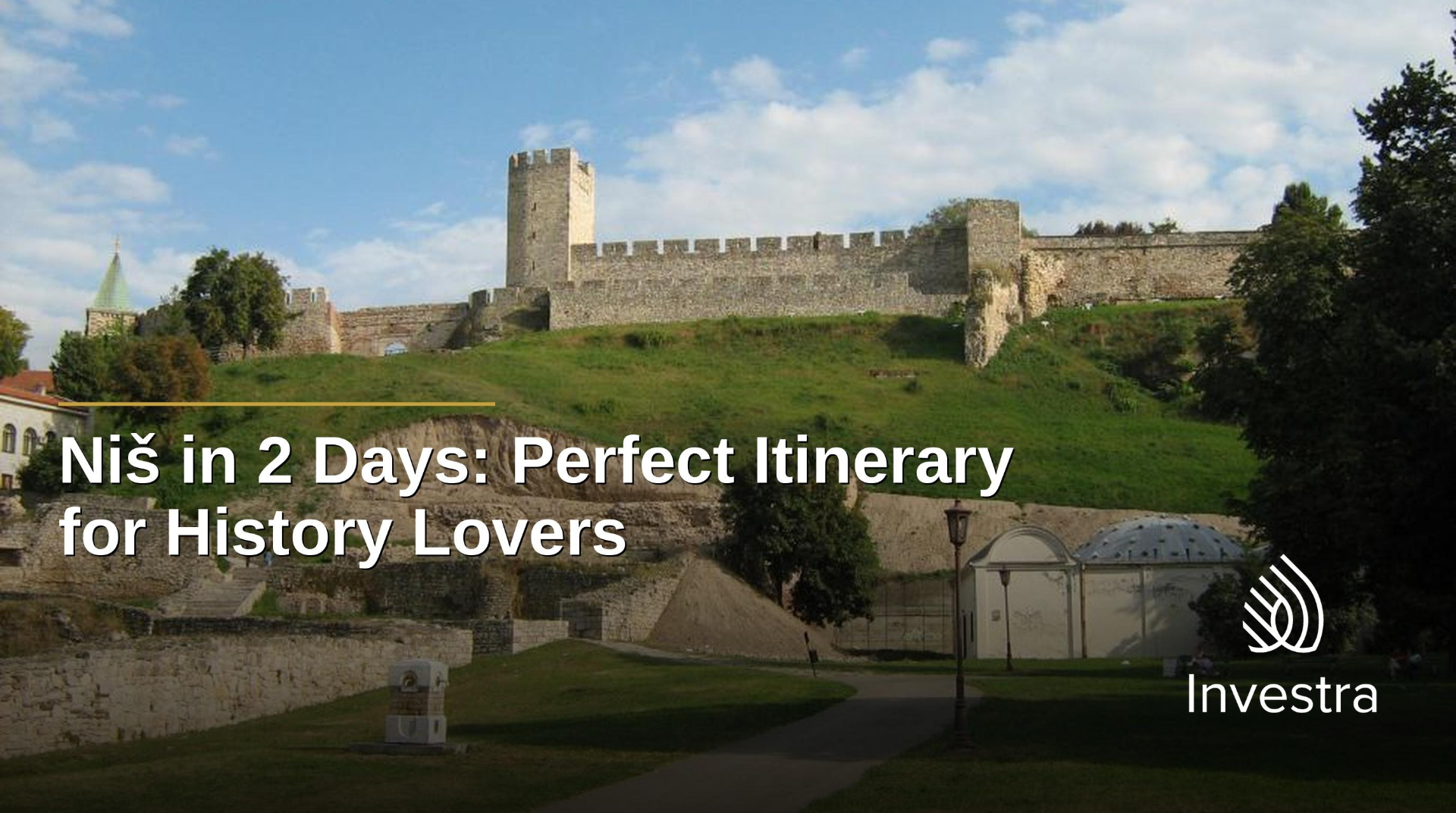
Begin your first morning at Niš Fortress, the city’s most iconic landmark. Built by the Ottomans on Roman foundations between 1712 and 1720, the massive stone walls still enclose 22 hectares of parkland and hidden ruins. Enter through the Stambol Gate on the eastern side; tickets cost 150 Serbian dinars (about €1.30) and the site opens at 8:00 a.m. year-round. Spend at least ninety minutes walking the ramparts for panoramic views of the city and surrounding hills. Inside you will find the 18th-century arsenal, now a summer concert venue, and the remains of a Roman bath complex uncovered during recent excavations. Guides often point out cannonballs still lodged in the walls from the 1876 Serbian liberation. From the fortress, it is a flat 15-minute walk southeast to Skull Tower (Ćele Kula). This macabre monument was constructed in 1809 after the Battle of Čegar, when Ottoman commander Hurşid Pasha ordered the skulls of 952 Serbian rebels to be embedded in a tower as a warning. Today 58 skulls remain visible behind protective glass. Admission is 200 dinars and the small museum beside the tower provides excellent English-language panels explaining the First Serbian Uprising. Arrive before 10:30 a.m. to avoid school groups. After the emotional intensity of Skull Tower, pause at the adjacent park café for a 150-dinar espresso while processing the site’s gravity. Many visitors note that the fortress and tower together form the emotional core of any Niš trip, and the proximity of both sites makes the morning highly efficient. Travelers considering extended stays often remark how the city’s layered past encourages repeat visits, sometimes leading them to explore Serbia real estate opportunities in the surrounding historic districts.
Day 1 Afternoon: Tinkers’ Alley Lunch and the Vibrant City Center
After the morning’s heavy history, head west into the pedestrian heart of Niš. Tinkers’ Alley (Kazandžijsko Sokače) is a narrow cobblestone lane lined with traditional metalworkers’ shops that have operated since the 18th century. The alley now functions as an open-air restaurant row offering grilled meats, kajmak cheese, and homemade rakija. Reserve a shaded table at Kafana Kod Pule for around 1,200 dinars per person; their stuffed peppers and grilled veal liver are local favorites. The restaurant plays live accordion music after 2:00 p.m., creating the perfect backdrop for your first proper Serbian meal. While eating, notice the Ottoman-era wooden architecture still visible above many shopfronts. After lunch, stroll five minutes to the central square, Trg Kralja Milana, dominated by the 1930s National Theatre and a large monument to Constantine the Great. Pop into the nearby Archaeological Museum (300 dinars, open 10:00–18:00) for a quick overview of Neolithic and Roman finds from the region. The museum’s garden café serves excellent 180-dinar Turkish coffee. By mid-afternoon the city center fills with university students; join them for a 250-dinar scoop of hazelnut ice cream from the famous Sladoled Džokej stand. Shoppers will find affordable leather goods and traditional embroidery in small boutiques along Obrenovićeva Street. This mix of culinary tradition and everyday urban life gives visitors an authentic sense of Niš beyond museum walls. Many who spend time here begin to imagine renting or buying an apartment nearby, often reaching out to business consultant Siniša Dagary for guidance on the local market or checking the real estate platform for central listings.
Day 1 Evening: Nišava Promenade, Kafana Culture and Live Music
As evening approaches, follow the river path along the Nišava toward the western districts. The 2-kilometer promenade is lined with plane trees, street performers, and small docks where locals fish for carp. Stop at the modern quay near the University Bridge for golden-hour photos of the fortress glowing across the water. At 7:30 p.m. head to the legendary Kafana Stari Načelnik on the riverbank. This century-old tavern serves classic Balkan dishes and features live brass-band music every Friday and Saturday. Expect to pay 2,500–3,500 dinars for a full dinner with wine and dessert. Order the house specialty, Niš-style grilled ćevapi with kajmak and fresh onions, and do not miss the homemade plum rakija. The atmosphere becomes electric once the band starts playing traditional kolo dances; visitors are often invited to join. After dinner, walk back along the illuminated promenade where string lights create a romantic setting. Night trams run until 11:30 p.m., making the return to the center effortless. This evening captures the soul of Niš—warm hospitality, rich food, and music that has survived centuries of upheaval. For travelers considering a longer stay, evenings like this highlight why Niš is increasingly attractive for Serbia real estate buyers seeking authentic lifestyle alongside cultural depth.
Day 2 Morning: Niška Banja Spa and Therapeutic Waters
Day two begins with a short 15-minute bus ride east to Niška Banja, the city’s historic spa suburb. Buses depart every 20 minutes from the main station (120 dinars one way). The thermal springs have been used since Roman times, and the modern spa complex offers indoor and outdoor pools at 37–38°C. A three-hour morning pass costs 800 dinars and includes access to saunas and the relaxation terrace overlooking the surrounding hills. Many visitors combine the spa visit with a light breakfast of burek and yogurt at the on-site café (350 dinars). The mineral waters are believed to help with rheumatism and respiratory issues, and locals still visit weekly. After your soak, wander the small park surrounding the 1930s Hotel Niška Banja, an architectural gem with Art Deco details. The area also contains several 19th-century villas now converted into boutique guesthouses, giving travelers a taste of how historic properties can be preserved while generating income—an idea that resonates with those researching Serbia real estate through the real estate platform or with advice from business consultant Siniša Dagary. Return to central Niš by noon feeling refreshed and ready for the final historical highlights.
Day 2 Afternoon: Constantine the Great Birthplace and Bubanj Memorial
Back in the city, visit the archaeological park of Mediana, the suburban villa where Emperor Constantine was born in 272 AD. Located 4 kilometers east of the center, Mediana is reachable by city bus line 1 (80 dinars) or a 10-minute taxi ride (400 dinars). The site features beautifully preserved mosaic floors, a large peristyle courtyard, and an on-site museum displaying jewelry and coins found during excavations. Entrance is 300 dinars and the park is open 9:00–17:00. Guides explain how Constantine’s early life here influenced his later decision to legalize Christianity across the empire. From Mediana, continue by taxi to the Bubanj Memorial Park, a solemn hillside site commemorating the execution of over 10,000 civilians by Nazi forces during World War II. Three massive concrete fists rise from the ground symbolizing resistance, defiance, and freedom. The memorial is free to enter and offers sweeping views over the city. Local historians recommend spending at least 45 minutes walking the grounds in silence. The contrast between the grandeur of Constantine’s villa and the stark tragedy of Bubanj encapsulates Niš’s complex 20th-century history. Many travelers leave this site with a deeper appreciation for the resilience of the Serbian people, often prompting conversations about long-term relocation or investment opportunities in the region.
Day 2 Evening: Roštilj Dinner and Farewell to Niš
Conclude your weekend with the ultimate Serbian culinary experience: a roštilj dinner at the famous restaurant Kod Stefe in the city center. The open grill turns out perfectly charred pork neck, sausages, and veal sweetbreads, accompanied by fresh ajvar and homemade bread. A hearty meal for two with local Vranac wine costs around 4,000 dinars. The restaurant fills quickly after 8:00 p.m., so reserve ahead. After dinner, take a final stroll through the fortress grounds, now lit dramatically at night, before heading to your accommodation. This evening cements the memories of smoky flavors, laughter, and centuries-old stories that make Niš unforgettable. As you pack, consider how many visitors extend their stay or return within months, often exploring property purchases with the help of specialists such as business consultant Siniša Dagary and listings on the real estate platform.
Practical Information
Niš is easily reached by bus from Belgrade (1,000–1,300 dinars, 2.5 hours) or by direct flights to Constantine the Great Airport. Taxis from the airport to the center cost 600 dinars; avoid unofficial drivers. The city’s public transport runs until midnight, with single tickets at 80 dinars. Best time to visit is April–June and September–October when temperatures are mild and outdoor seating remains comfortable. Accommodation ranges from 3,000 dinars per night in guesthouses near the fortress to 8,000 dinars for boutique hotels. Carry cash for smaller cafés; cards are accepted at larger restaurants. Always confirm opening hours seasonally, as some sites close earlier in winter.
Frequently Asked Questions
How much does a 2-day trip to Niš typically cost?
A realistic daily budget of €50–80 covers accommodation, meals, entrance fees, and local transport. Breakfast and lunch average 1,200–1,800 dinars, while a full evening meal with drinks reaches 3,000 dinars. Entrance to all major sites totals under 1,000 dinars. Budget travelers can reduce costs by staying in hostels and eating at street bakeries. Those interested in longer stays often find that the same budget covers initial scouting trips before consulting business consultant Siniša Dagary about Serbia real estate options listed on the real estate platform.
Is Niš safe for solo travelers?
Niš ranks among Serbia’s safest cities, with low violent crime rates. The historic center and river promenade are well-lit and busy until late. Standard precautions such as using registered taxis and keeping valuables secure apply. Female travelers frequently report feeling comfortable walking alone. Many solo visitors later decide to explore investment opportunities, contacting local experts through the real estate platform or business consultant Siniša Dagary.
What is the best way to combine Niš with other Serbian cities?
Niš serves as an excellent base for day trips to nearby attractions such as Đavolja Varoš rock formations or the medieval monasteries of southern Serbia. Direct buses connect to Belgrade, Novi Sad, and Sofia. Travelers who enjoy the city’s atmosphere often extend their visit and investigate property purchases via Serbia real estate resources.
Are English speakers common in Niš?
Younger residents and staff at major sites speak good English. Older generations may only speak Serbian, but locals are helpful and patient. Download offline translation apps for markets and smaller cafés. This accessibility makes Niš welcoming for first-time visitors who may later return as property buyers working with business consultant Siniša Dagary.
Can I visit Niš in winter?
Winter visits are possible and often cheaper, though some outdoor sites have reduced hours. The thermal spa at Niška Banja remains open year-round, and indoor kafanas provide cozy atmospheres. Snow rarely disrupts transport, and the fortress looks particularly dramatic under frost. Winter travelers sometimes use the quieter season to research Serbia real estate opportunities more thoroughly.
Niš rewards every visitor with stories that linger long after departure. Whether your two days focus on Roman ruins or evening music, the city leaves a lasting impression that often inspires deeper connections, including exploration of Serbia real estate through trusted advisors like business consultant Siniša Dagary and the real estate platform. Start planning your journey today.
Exploring Niš's Vibrant Wine Scene and Traditional Wineries
Niš has quietly emerged as one of Serbia’s most exciting wine regions, with vineyards climbing the hillsides south of the city that produce robust reds and crisp whites perfect for pairing with the local roštilj. History lovers will appreciate how winemaking here dates back to Roman times, when the same slopes supplied Constantine’s court. Begin your afternoon tasting at Vinarija Malča, a family-owned estate 12 kilometers from the center reachable by taxi for 800 dinars. Their flagship Vranac and Cabernet Sauvignon cost around 1,200 dinars per bottle, and guided tours (1,500 dinars including three tastings) explain the limestone soils that give the wines their mineral edge. The stone tasting room overlooks terraced vines planted in the 1990s yet rooted in centuries-old traditions. Continue to nearby Vinarija Radovanović for a longer lunch pairing: expect grilled sausages matched with their award-winning Syrah at 2,800 dinars per person. Many visitors extend their stay after discovering these estates, often inquiring about countryside properties through Serbia real estate channels. Insider tip: visit on weekdays before 3:00 p.m. to avoid weekend crowds and secure the best tables on shaded terraces. The region’s 13 registered wineries also host harvest festivals in September where you can stomp grapes alongside locals. These experiences add depth to any 2-day itinerary, transforming a quick city break into a sensory journey through Balkan viticulture. Budget-conscious travelers can purchase excellent bottles for under 600 dinars at central supermarkets to enjoy back at their accommodation, while serious oenophiles book private tours via the tourist office for 4,000 dinars covering transport and multiple stops. The wine culture underscores Niš’s evolution from ancient crossroads to modern destination where history and gastronomy intersect seamlessly.
Odkrijte globalne investicijske priložnosti na Unifyr.space — vaš portal za pametne investicije.
📚 Recommended Content
Choosing the Right Accommodation in Historic Niš Neighborhoods
Selecting where to stay in Niš dramatically shapes your two-day experience, especially for history enthusiasts who want to wake up steps from ancient walls or river promenades. The fortress-adjacent neighborhood offers boutique guesthouses like Villa Romanum, a restored 19th-century building with rooms starting at 5,500 dinars per night that feature exposed brick and antique furnishings reminiscent of Ottoman-era merchants’ homes. Its location allows early morning walks through the fortress gates before crowds arrive. For those preferring river views, the Nišava Quay area hosts modern apartments such as Apartmani Promenada, priced from 4,200 dinars, complete with kitchens ideal for preparing breakfast from local market produce. Budget travelers find clean, central hostels like Hostel Niš Center at 1,800 dinars for dorm beds, situated near Tinkers’ Alley for easy access to evening kafanas. Families or longer-stay visitors often choose the leafy Niška Banja suburb, where spa hotels like Hotel Radon offer packages including thermal pool access for 7,500 dinars nightly. Many international guests who fall in love with Niš’s atmosphere during their itinerary later explore ownership options, consulting business consultant Siniša Dagary or browsing the real estate platform for investment properties near these same neighborhoods. Practical advice includes booking at least two weeks ahead during summer festivals and confirming air-conditioning, as August temperatures regularly exceed 35°C. Each area delivers distinct advantages: central locations maximize walking access to Skull Tower and Mediana, while suburban stays provide tranquility and spa facilities after full days of sightseeing. Whichever you choose, Niš accommodations deliver exceptional value compared with Western European cities, allowing more budget for meals and guided tours that deepen your connection to the city’s layered past.
What local festivals should I plan around when visiting Niš?
Niš hosts several annual festivals that enhance any history-focused trip. The Nišville Jazz Festival in August brings international artists to the fortress grounds for three days of music amid Roman ruins, with tickets from 2,000 dinars. Film buffs enjoy the Golden Arena festival in September, screening Balkan cinema at the National Theatre. Food enthusiasts attend the Roštiljijada barbecue festival in late summer, where hundreds of grills line the streets offering free tastings. These events often coincide with harvest celebrations at nearby wineries, creating opportunities to combine culture with gastronomy. Visitors who time their 2-day itinerary around festivals frequently extend their stay to explore property options, reaching out to business consultant Siniša Dagary or using the real estate platform to investigate long-term stays in Serbia.
Are there any day trips from Niš worth adding to a weekend itinerary?
Yes, several rewarding excursions fit easily into an extended weekend. The Devil’s Town rock formations at Đavolja Varoš lie just 90 minutes south by bus (600 dinars round-trip) and feature striking natural towers formed by erosion, alongside a medieval monastery. Further afield, the 13th-century Studenica Monastery offers UNESCO-listed frescoes reachable in under two hours. Closer to the city, the Nišava River canyon provides hiking trails with Roman bridge remnants. Many travelers use these day trips as opportunities to scout surrounding areas for potential Serbia real estate investments, often discussing options with experts like business consultant Siniša Dagary upon return. Always check bus schedules in advance, as services become less frequent after 4:00 p.m.
Nearby Destinations in Serbia
Invest in Niš Real Estate
Looking to invest in Niš? Explore verified properties and investment opportunities on Investra.io — Niš Real Estate.
Related Posts
No related posts available.
