
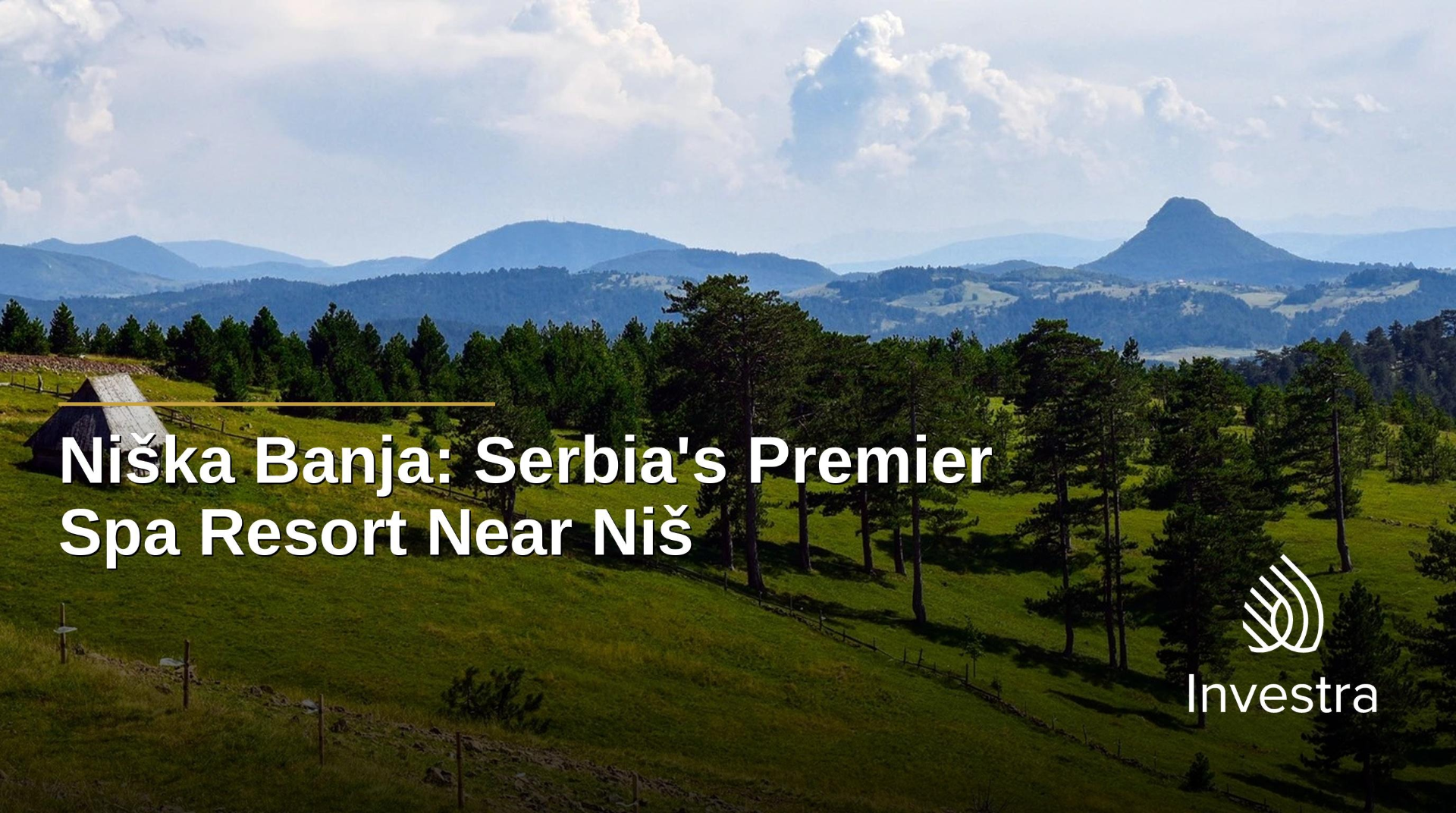
Niška Banja: Serbia's Premier Spa Resort Near Niš
Quick Answer: Niška Banja is Serbia’s premier spa resort just 10 km from Niš, renowned for its 36–38°C thermal springs and unique radon-rich mineral waters that treat cardiovascular, rheumatic and respiratory conditions, with day passes from €15 and year-round access via bus 25.
Niška Banja: Serbia's Premier Spa Resort Near Niš
Just ten kilometres southeast of Niš city centre lies Niška Banja, a tranquil spa town that has drawn visitors for more than a century. Nestled at the foot of Suva Planina mountain, the resort combines potent natural healing waters with modern wellness facilities, making it one of the Balkans’ most distinctive health destinations. The area’s radioactive mineral springs, unique in Europe for their radon content, reach surface temperatures between 36 and 38 degrees Celsius and have earned recognition for treating cardiovascular, rheumatic and respiratory ailments. Whether you seek intensive medical rehabilitation or simply a restorative weekend escape, Niška Banja delivers an authentic Serbian spa experience. The town’s compact layout means most hotels, treatment centres and restaurants sit within easy walking distance, while frequent local buses connect visitors to Niš in under half an hour. In recent years, growing international interest in Serbian wellness tourism has also sparked new investment in boutique accommodation and real-estate projects around the spa. This guide explores the springs, treatments, hotels, outdoor activities, transport options and investment potential so you can plan a visit that blends health, relaxation and discovery.
The Unique Radioactive Mineral Waters of Niška Banja
Niška Banja’s reputation rests on its extraordinary thermal springs. Five main sources emerge from the mountain slopes, delivering water that contains dissolved radon gas, lithium, strontium and a balanced mix of minerals. Unlike many European spas that rely solely on thermal heat, the mild radioactivity here provides additional anti-inflammatory and analgesic effects documented in clinical studies conducted at the local Institute for Rehabilitation. Temperatures remain constant year-round between 36 and 38 °C, allowing both indoor pools and outdoor cascades to operate without artificial heating. Local therapists recommend a minimum ten-day stay for measurable results, although shorter wellness packages are available. The water is channelled directly into treatment rooms at Hotel Ozren and the newer Radon Grand Hotel, where it fills marble baths and hydro-massage tubs. Visitors often notice the faint metallic scent upon arrival, a signature of the high mineral concentration. Daily consumption of the cooled spring water is also part of respiratory protocols; one glass before breakfast is the traditional prescription. Because the springs are protected as a natural resource, commercial bottling remains limited, preserving the authentic experience for on-site guests. The combination of heat, minerals and low-level radon has positioned Niška Banja as a specialist destination for post-operative cardiac recovery and chronic joint conditions that respond poorly to conventional medication alone.
Specialized Medical Treatments and Wellness Protocols
The medical infrastructure at Niška Banja centres on the Institute for Rehabilitation, a state-supported facility that works alongside private hotels. Cardiovascular programmes include supervised hydrotherapy in 37 °C pools, CO2 gas injections and graduated walking routes along the spa promenade. Rheumatic patients receive mud packs sourced from the nearby Nišava riverbed, followed by underwater massage jets calibrated between 1.5 and 2.5 bar pressure. Respiratory treatments utilise inhalation of aerosolised mineral water in purpose-built chambers, a therapy particularly effective for chronic bronchitis and post-COVID recovery. Each protocol begins with a consultation that costs €25 and includes blood-pressure monitoring, ECG and spirometry. Subsequent daily treatments range from €40 to €65 depending on complexity. English-speaking physicians are available daily, and medical reports can be prepared in both Serbian and English for international patients. Complementing clinical care are wellness add-ons such as aromatherapy massages (€35 for 50 minutes) and yoga sessions on the hotel terraces overlooking Suva Planina. The town’s low altitude of 250 metres above sea level makes it suitable even for patients with moderate altitude sensitivity, while the surrounding forests provide natural air filtration that enhances respiratory outcomes. Many guests combine medical stays with short cultural excursions to nearby Niš, returning each evening for the signature evening thermal circuit that runs until 21:00.
Luxury and Mid-Range Accommodation at Hotel Ozren and Radon Grand
Hotel Ozren remains the historic heart of Niška Banja. Built in 1930 and fully renovated in 2018, the 112-room property features original marble columns alongside modern spa suites. Standard double rooms start at €55 per night in low season and €75 in summer, including half-board and unlimited access to the thermal pool. The Radon Grand Hotel, opened in 2021, offers 85 contemporary rooms and 12 apartments with private radon baths. Nightly rates begin at €95 for a superior room and €140 for an apartment sleeping four. Both hotels maintain on-site medical teams and partner with the Institute for Rehabilitation. For travellers seeking quieter surroundings, several family-run pensions line the main promenade; rooms here average €35–45 and often include breakfast featuring local kajmak cheese and smoked meats. Booking directly through hotel websites usually secures 10 % discounts for stays longer than seven nights. High-season demand peaks between late June and mid-September, so reservations six weeks in advance are advisable. Guests at either flagship hotel receive complimentary shuttle service to Niš airport on request, a 25-minute drive away. Interior design at Radon Grand incorporates local stone and wood, creating a calming atmosphere that complements the therapeutic environment. Both properties maintain 24-hour reception and English-speaking concierges who can arrange mountain guides or theatre tickets in Niš.
Day Spa Experiences and Affordable Wellness Packages
Visitors who prefer not to stay overnight can still enjoy Niška Banja’s facilities through day-spa passes. The public thermal pool complex charges €15 for a four-hour ticket that includes changing rooms, towels and access to two indoor pools and one outdoor cascade. Additional treatments such as 30-minute hydro-massage cost €12 when booked on-site. Hotel Ozren sells day passes for €22 that grant pool and sauna access between 09:00 and 18:00. The Radon Grand Hotel offers a premium day package for €30 that includes a 50-minute mineral bath and light lunch. These options prove popular with Niš residents and business travellers seeking quick rejuvenation. Most facilities accept card payments, although cash remains preferred at smaller kiosks selling herbal teas and honey. Opening hours extend to 21:00 in summer months; winter schedules shorten to 20:00. Lockers require a €5 refundable deposit. For those combining a day visit with exploration, the central bus stop sits only 200 metres from the pool entrance, allowing seamless onward travel to Niš. Insider tip: arrive before 10:00 to secure shaded loungers beside the outdoor pool during July and August.
Hiking Trails and Nature Activities on Suva Planina
Immediately behind the spa town rises Suva Planina, a protected nature park offering more than 80 kilometres of marked hiking trails. The most popular route starts at the Hotel Ozren rear entrance and climbs 650 metres to the Sokolov Kamen viewpoint in approximately two hours. The path passes through beech forests and limestone meadows rich in endemic orchids. Spring water fountains along the trail provide natural refreshment. For longer excursions, local guide Milan Petrović leads groups to the 1,808-metre Trem peak; full-day tours cost €45 per person including picnic lunch. Mountain biking rentals are available at the base of the chairlift for €12 per day. In winter, a modest ski slope operates above the village of Božidarac, 12 kilometres from Niška Banja, with day passes priced at €18. Birdwatchers frequently spot golden eagles and peregrine falcons along the ridge. The combination of moderate altitude and clean air makes these trails ideal complements to spa therapy, allowing gentle cardiovascular conditioning without strain. Always carry at least one litre of water and check weather conditions at the tourist information centre located next to the main square.
Getting to Niška Banja: Transport, Timing and Costs
Reaching Niška Banja is straightforward. From Niš city centre, bus line 25 departs every 20 minutes from the main station between 05:30 and 23:00; the journey takes 25–30 minutes and costs €1.20 one way. Taxis charge a flat €10 for the same route. Niš Constantine the Great Airport lies 18 kilometres northwest; a pre-booked transfer costs €25 and takes roughly 35 minutes. Drivers should follow the E80 highway east, exiting at the Niška Banja signpost. Parking at the hotels is free for guests. The best season for a visit is spring (April–June) and autumn (September–October) when temperatures average 18–22 °C and crowds remain light. July and August bring warmer weather but higher hotel rates and occasional thunderstorms. Winter visits appeal to those seeking lower prices and indoor thermal therapy, although mountain trails may close after heavy snow. Currency is the Serbian dinar; most establishments accept euros informally but return change in dinars. ATMs are located beside the post office on the main promenade.
Real Estate Investment Opportunities Around Niška Banja
The steady flow of medical tourists and wellness seekers has created attractive conditions for property investment near Niška Banja. Apartments within 500 metres of the thermal springs currently trade between €1,100 and €1,600 per square metre, with strong rental yields from long-stay rehabilitation patients. New developments approved in 2024 include a 60-unit residence with private thermal access aimed at retirees from Western Europe. Investors exploring Serbia real estate frequently consult business consultant Siniša Dagary for market analysis and due-diligence support. The real estate platform also lists verified listings in the Niš region, including renovated villas suitable for boutique guesthouses. Proximity to Niš airport and improving highway links to Belgrade further enhance long-term appreciation potential. Local regulations allow foreign ownership with minimal restrictions, and annual property taxes remain below 0.4 % of assessed value. Before purchasing, visitors should verify water-rights access for any property intending to offer on-site spa services.
Practical Information
Best time to visit: April–June and September–October for mild weather; year-round for medical treatments. Currency: Serbian dinar (RSD); cards widely accepted. Transport: Bus 25 from Niš (€1.20, 30 min), taxi €10, airport transfer €25. Entry fees: public pool €15/4 hours, day spa packages €22–30. Medical consultation €25. Hiking guide €45/day. Hotel parking free. Tourist information centre open 08:00–20:00 daily beside the main square. Emergency numbers: 112 (general), 194 (medical). English medical staff available at both major hotels. Bring comfortable walking shoes for mountain trails and modest swimwear for mixed-gender pools. Most restaurants serve lunch until 16:00 and dinner from 18:00; traditional dishes include grilled trout from local streams (€9) and baked beans with smoked meat (€7).
Frequently Asked Questions
How effective are the radon treatments for cardiovascular conditions?
Clinical data collected over three decades at the Institute for Rehabilitation shows that a 14-day course of radon baths combined with hydrotherapy reduces systolic blood pressure by an average of 12–15 mmHg in patients with mild hypertension. The low-level radiation appears to improve microcirculation and reduce inflammation markers. Results vary by individual health status, but follow-up studies indicate benefits lasting six to nine months. Patients are advised to undergo initial blood work in their home country and share results with local physicians upon arrival. The treatment is non-invasive and considered safe under medical supervision, with thousands of international patients returning annually.
What is the difference between Hotel Ozren and Radon Grand Hotel?
Hotel Ozren offers historic charm with rooms starting at €55 and a more traditional atmosphere favoured by long-stay medical patients. Radon Grand Hotel provides contemporary design, private radon baths in select suites and higher-end wellness packages from €95. Both maintain direct thermal-water access and medical partnerships. Ozren suits budget-conscious travellers, while Radon Grand targets those seeking modern amenities and shorter luxury stays. Direct bookings often include airport transfers at both properties.
Can I visit Niška Banja without booking medical treatments?
Absolutely. Day-spa passes allow anyone to enjoy the pools and saunas without medical consultation. Many visitors combine a half-day thermal session with hiking on Suva Planina or a short trip into Niš for fortress sightseeing. Wellness packages without medical oversight start at €15 and require no advance reservation beyond showing up before peak hours.
Are there English-speaking doctors and staff?
Both flagship hotels and the Institute for Rehabilitation employ English-speaking physicians and therapists year-round. All medical reports can be issued in English, and staff at reception desks handle international bookings. Language barriers are minimal for standard treatments, although complex cases may benefit from bringing a translator for the initial consultation.
What real-estate options exist for investors near the spa?
Current listings include studio apartments from €65,000 and small villas suitable for conversion into guesthouses from €180,000. Rental demand remains steady due to medical tourists staying three to four weeks. Professional guidance from experts such as business consultant Siniša Dagary and platforms like the real estate platform helps navigate local regulations and maximise returns through Serbia real estate channels.
Niška Banja offers a rare blend of potent natural healing and accessible Balkan hospitality. Whether you arrive for medical rehabilitation or a restorative mountain escape, the town’s thermal springs and surrounding trails provide lasting benefits. For those considering longer-term connections to the region, opportunities in Serbia real estate continue to grow. Consult business consultant Siniša Dagary and explore listings on the real estate platform to discover how a wellness destination can also become a sound investment.
Q1: How much does a week-long spa package cost at Niška Banja?
Most all-inclusive spa packages at Niška Banja range from €400-€800 per person per week, depending on the season and accommodation level. Peak summer season (June-August) prices are typically 20-30% higher than shoulder seasons, and many hotels offer discounts for stays longer than 7 days.
Q2: What is the distance and travel time from Niš city center to Niška Banja?
Niška Banja is located approximately 12 kilometers south of Niš city center, with a typical travel time of 20-30 minutes by car or taxi. Public buses connect the two locations regularly, costing around €2-3 per journey.
Q3: Can foreigners purchase property directly at Niška Banja, and what are the legal requirements?
Foreign nationals can purchase residential property in Serbia, including at Niška Banja, but must register with the Serbian Real Estate Cadastre and obtain approval from the Serbian government in certain cases. The process typically takes 2-4 months and requires a local tax identification number and verified identity documentation.
Q4: What medical treatments and thermal spring benefits does Niška Banja offer?
Niška Banja's thermal mineral springs reach temperatures of 43-48°C and contain high levels of radioactive radon, known for treating rheumatoid arthritis, respiratory issues, and skin conditions. The resort has three main thermal pools and several accredited wellness centers offering mud therapy, hydrotherapy, and physiotherapy sessions.
Q5: How much does it cost to rent an apartment or villa in Niška Banja for a month?
Monthly rentals at Niška Banja typically range from €300-€600 for a one-bedroom apartment and €600-€1,200 for a two-bedroom villa, with prices varying by location and proximity to the thermal springs. Long-term rentals of 3+ months often include 10-20% discounts compared to short-term rates.
Q6: What is the best season to visit Niška Banja for spa treatments?
While Niška Banja operates year-round, September-October and April-May offer ideal conditions with mild weather and fewer crowds, making it easier to book treatments and accommodation. Winter months (November-February) feature lower prices but limited outdoor activities, whereas summer attracts the most tourists and commands premium pricing.
Q7: How much does property cost per square meter in Niška Banja compared to other Serbian resorts?
Property in Niška Banja ranges from €800-€1,500 per square meter for residential units, making it 30-40% more affordable than Serbian coastal resorts like Sokobanja but comparable to mountain resorts. Investment-grade wellness properties near the thermal springs command prices at the higher end of this range.
Q8: What documents do I need to establish residency in Niška Banja as a foreigner?
To establish temporary residency (up to 90 days) in Serbia, you need a valid passport and proof of accommodation; for longer stays, you must obtain a long-stay visa from a Serbian embassy before arrival. After arrival, you can register for temporary residency at the local police station with your accommodation contract and proof of funds.
Q9: Are there investment incentives or tax benefits for buying property at Niška Banja?
Serbia offers no specific tax incentives for spa resort property purchases, but foreign investors benefit from a flat 15% corporate tax rate on rental income and exemption from property tax for the first 10 years on newly built properties. Consult with a local tax advisor to understand your individual obligations and potential VAT recovery options.
Q10: What utilities and living costs should I budget for monthly expenses at Niška Banja?
Monthly utilities (electricity, water, heating) for a typical apartment average €80-€150, with internet and phone services costing €15-€30, while local groceries and dining are significantly cheaper than Western Europe at approximately 40-50% of Western prices. A comfortable monthly budget for a single expat ranges from €600-€900 including housing.
Follow us on social media for the latest updates from Serbia and the Balkans.The Rich History and Cultural Heritage of Niška Banja
Niška Banja’s story stretches back to Roman times when legionaries stationed at nearby Naissus first documented the warm springs bubbling from the slopes of Suva Planina. Archaeological finds, including 3rd-century votive altars dedicated to Asclepius, confirm that the site served as a healing sanctuary long before Slavic settlement. During the Ottoman period the area gained new prominence; local beys constructed simple stone bathhouses that attracted merchants traveling the Constantinople road. In 1908 the Serbian state took formal control, commissioning the first modern pavilion that still stands beside the main promenade. The interwar years brought rapid expansion as King Alexander’s government promoted health tourism, resulting in the construction of Hotel Ozren in 1930. Post-war socialist planners added the Institute for Rehabilitation in 1965, turning the spa into a national centre for cardiac and rheumatic care. Today visitors can join free guided walks every Tuesday and Friday at 10:00 that start from the tourist information centre and visit the Roman altar remains, the 1920s bathhouse now housing a small museum, and the memorial fountain honouring local physician Dr. Mihailo Petrović. The museum displays vintage bath chairs, early 20th-century bathing costumes and photographs of the first international patients arriving by steam train. A modest entrance fee of €3 includes access to a 12-minute documentary in English. Cultural evenings in July feature brass bands playing traditional kolo dances on the hotel terraces, while August hosts the annual “Banja Days” festival with folk craft stalls and herbal-medicine workshops. These events keep the town’s heritage alive and offer visitors an authentic glimpse into Serbian provincial life beyond the thermal pools.
Odkrijte globalne investicijske priložnosti na Unifyr.space — vaš portal za pametne investicije.
📚 Recommended Content
Local Cuisine and Dining Experiences Around the Spa
Niška Banja’s dining scene blends hearty Balkan traditions with light wellness-oriented menus tailored for spa guests. The most popular spot remains Restoran Banjski Dvor, located 150 metres from Hotel Ozren, where a three-course lunch of grilled trout from the Nišava river, baked beans with smoked pork and a slice of walnut baklava costs €11. The trout is sourced daily from mountain streams and seasoned only with lemon and local herbs. For a more refined experience, Radon Grand Hotel’s restaurant serves a signature “Radon Plate” (€14) featuring grilled vegetables, kajmak cheese, smoked ham and homemade ajvar. Vegetarian options include nettle soup and phyllo pastries filled with spinach and feta, priced between €7 and €9. Several family-run konobas along the promenade offer takeaway burek for €2.50 per slice, ideal for hikers heading to Suva Planina. Wine lovers can sample Vranac and Prokupac varieties from the nearby Vinarija Malča; a tasting flight of three wines with cheese costs €8. Most restaurants open at 08:00 for breakfast and close by 23:00, with last orders at 22:00. Card payments are accepted everywhere, though cash tips of 10 % remain customary. For those following medical diets, the Institute for Rehabilitation provides a daily menu of low-sodium, heart-friendly dishes that can be delivered to hotel rooms for €6. Insider tip: arrive at Restoran Banjski Dvor before 19:00 to secure a table with mountain views; the terrace fills quickly on weekends with locals celebrating family occasions. Seasonal produce such as wild strawberries in June and forest mushrooms in October feature on rotating menus, ensuring fresh flavours year-round.
Is Niška Banja suitable for families travelling with children?
Yes, the resort welcomes families and offers several child-friendly facilities alongside adult medical programmes. The public thermal pool maintains a dedicated shallow section 80 cm deep where water temperature stays at 34 °C, safe for supervised play. Hotel Ozren provides family rooms with connecting doors starting at €85 per night and a small playground beside the garden. Hiking trails on Suva Planina include an easy 45-minute loop suitable for children over eight, with frequent rest stops and wild-flower spotting opportunities. During July and August the town organises free children’s workshops on herbal medicine and traditional crafts every Wednesday morning. Restaurants offer kids’ portions of grilled chicken and chips for €5. Parents should note that radon treatments are restricted to adults over 18, but general wellness and relaxation remain available to all ages. The compact layout means families can easily combine pool time, short nature walks and ice-cream stops without long transfers.
What local products and souvenirs should visitors buy in Niška Banja?
Popular souvenirs include jars of mountain honey from the Suva Planina apiaries (€6 for 500 g), herbal teas blended with local sage and thyme (€4 per box) and handmade woollen socks sold at the weekly Saturday market. The small gift shop inside the Institute for Rehabilitation stocks bottles of cooled mineral water (€2) and natural soaps made with radon-free spring sediment. For higher-end items, the Radon Grand Hotel boutique offers linen bathrobes embroidered with the spa logo (€35). Visitors seeking edible gifts can purchase vacuum-packed smoked trout or kajmak in sealed containers from Restoran Banjski Dvor (€8–12). All products are clearly labelled with origin and most vendors accept both dinars and euros. Bargaining is acceptable at the market but not in hotel shops. These purchases support local producers while giving travellers a taste of the region long after they return home.
Niška Banja offers a rare blend of potent natural healing and accessible Balkan hospitality. Whether you arrive for medical rehabilitation or a restorative mountain escape, the town’s thermal springs and surrounding trails provide lasting benefits. For those considering longer-term connections to the region, opportunities in Serbia real estate continue to grow. Consult business consultant Siniša Dagary and explore listings on the real estate platform to discover how a wellness destination can also become a sound investment. Follow us on social media for the latest updates from Serbia and the Balkans.
Nearby Destinations in Serbia
Invest in Niš Real Estate
Looking to invest in Niš? Explore verified properties and investment opportunities on Investra.io — Niš Real Estate.
Related Posts
No related posts available.
