
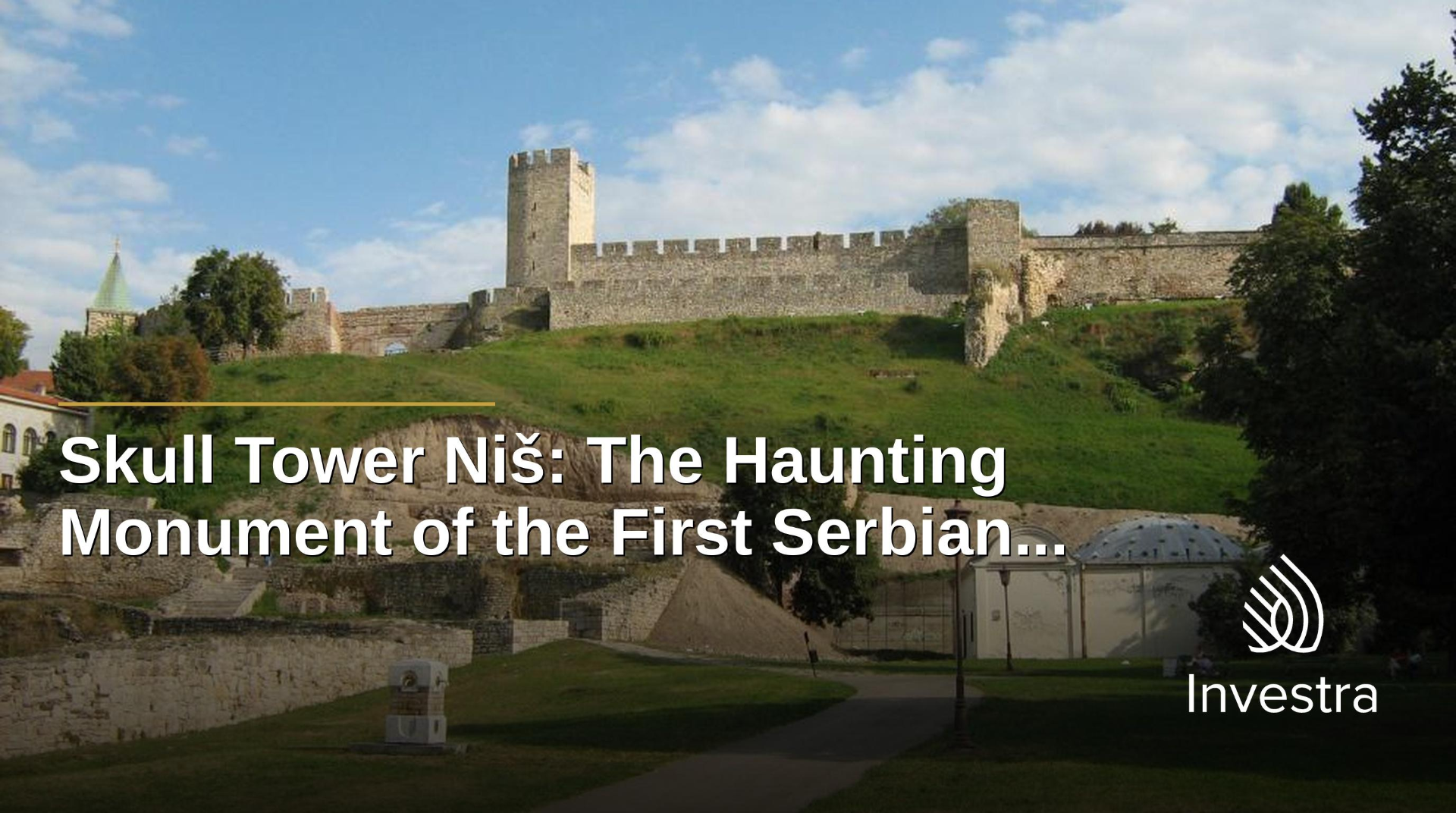
Skull Tower Niš: The Haunting Monument of the First Serbian...
Quick Answer: Skull Tower (Ćele Kula) in Niš, Serbia, is a haunting 4.5-meter monument erected in 1809 after the Battle of Čegar during the First Serbian Uprising, originally featuring 952 Ottoman-embedded skulls of Serbian fighters; today 58 remain visible, protected by a 1892 chapel, open 10am-6pm except Mondays for €1.50 entry, a UNESCO candidate and powerful symbol of resistance reachable by 15-minute walk from Niš Fortress.
Skull Tower Niš: The Haunting Monument of the First Serbian Uprising
Niš, Serbia’s third-largest city, hides one of the Balkans’ most visceral historical sites: Skull Tower, known locally as Ćele Kula. Rising from the flat Nišava River plain, this four-and-a-half-meter structure still evokes the brutality of Ottoman rule and the fierce determination of Serbian rebels during the First Serbian Uprising. Built in 1809 from the skulls of fallen fighters after the Battle of Čegar, the tower was intended as a gruesome warning yet became an enduring emblem of resistance. Today visitors stand in quiet reverence before the remaining 58 skulls set into the brickwork, protected since 1892 inside a modest Orthodox chapel. The site draws history enthusiasts, school groups, and curious travelers who combine a visit with nearby Roman ruins at Mediana and the imposing Niš Fortress. Beyond its macabre appeal, Skull Tower anchors a growing tourism scene that highlights Serbia’s layered past and emerging investment potential. Travelers often extend their stay to explore the city’s cafés, thermal spas, and Ottoman-era hammams, discovering why Niš is quietly attracting attention from those considering property in Serbia. Whether you arrive by train from Belgrade or drive the E75 highway, the monument offers an unforgettable encounter with Balkan history that continues to shape modern Serbian identity.
The Bloody Origins: Battle of Čegar
The story of Skull Tower begins on the slopes of Čegar Hill just north of Niš on 31 May 1809. During the First Serbian Uprising against nearly five centuries of Ottoman domination, rebel commander Stevan Sinđelić led roughly 3,000 fighters in a desperate stand against a much larger Ottoman force. Outnumbered and low on ammunition, the Serbs fought with bayonets and stones until Sinđelić famously detonated the gunpowder magazine, killing himself and hundreds of his men rather than surrender. Ottoman Grand Vizier Hurshid Pasha ordered the collection of the fallen rebels’ heads, stripping the skin and sending the skulls to Constantinople as trophies. In a macabre act of psychological warfare, he commissioned local masons to embed approximately 952 skulls into a four-meter tower of stone and brick near the main road into Niš. Contemporary European travelers such as British diplomat William Leake documented the structure in 1810, noting the stench and the terror it inspired among local Christians. The tower stood exposed to the elements for decades, with relatives sometimes attempting to retrieve loved ones’ remains under cover of darkness. By the 1830s, when Serbia gained partial autonomy, the remaining skulls had already become a pilgrimage site for mourners and nationalists. Oral histories collected in the 19th century describe mothers and widows praying at the base, leaving flowers and embroidered cloths. This raw origin story transforms a simple visit into a profound meditation on sacrifice, turning tourists into witnesses of a pivotal moment that helped ignite the eventual Serbian independence movement. The emotional weight of Čegar still resonates in Serbian literature and folk songs performed at annual commemorations on 31 May.
Building the Tower of Skulls
Construction of Ćele Kula took only a few weeks in the summer of 1809 under direct Ottoman supervision. Masons used local limestone and river clay to form a tapering square tower roughly 4.5 meters tall and three meters wide at the base. Skulls were placed in neat horizontal rows, mortared into place with lime and horsehair, their empty eye sockets facing outward toward approaching travelers. Historical accounts suggest the tower originally stood closer to six meters before erosion and souvenir hunters reduced its height. Each skull was positioned with the forehead outward so that the distinctive Serbian caps or wounds remained visible, reinforcing the message of defeat. Ottoman records from the period indicate the structure served both as a warning and a public works project that employed local Christian laborers under threat of punishment. After the Ottomans withdrew from Niš in 1878, Serbian authorities immediately began protecting the site. Photographs from 1880 show the tower already partially dismantled, with skulls removed for burial in the nearby village of Kamenica. Today the remaining 58 skulls are carefully conserved behind glass panels inside the chapel, their surfaces darkened by time yet still chillingly intact. Archaeologists have identified dental wear patterns and cranial trauma consistent with 19th-century battlefield injuries, lending scientific credibility to the historical narrative. Conservation efforts in the 1990s used gentle chemical consolidants to prevent further crumbling, ensuring future generations can confront this tangible record of resistance.
Symbolism and Historical Impact
Far from achieving its intended deterrent effect, Skull Tower became a rallying point for Serbian national consciousness throughout the 19th and 20th centuries. Poets such as Đura Jakšić and later Nobel laureate Ivo Andrić referenced the monument in works that framed Serbian suffering as a path to eventual freedom. During the Balkan Wars and both World Wars, the tower’s image appeared on propaganda posters and postage stamps, linking contemporary struggles to the sacrifices of 1809. In 1892 the Serbian state erected a protective chapel around the remains, transforming the site from a symbol of humiliation into one of sanctified memory. Annual wreath-laying ceremonies on 31 May draw veterans’ associations, schoolchildren in traditional costumes, and Orthodox clergy who conduct memorial services inside the chapel. International visitors often remark on the contrast between the quiet chapel interior and the stark skulls visible through iron grilles. The monument’s power lies in its refusal to sanitize history; it stands as one of Europe’s few remaining examples of a “skull tower” used as political architecture. Its UNESCO World Heritage tentative listing since 2010 recognizes both the structure’s uniqueness and its role in illustrating the broader theme of resistance to imperial domination across the Balkans. Modern Serbian identity continues to draw strength from Ćele Kula, evident in street art, documentaries, and educational programs that bring young visitors face-to-face with the cost of freedom.
Architectural Details and Current State
Visitors approaching Skull Tower first notice its modest scale compared with grander European monuments. The surviving brick-and-stone core rises 4.5 meters, its surface pockmarked by weather and earlier attempts at removal. The 58 remaining skulls occupy the upper third of the tower, arranged in four irregular rows with visible gaps where others were extracted. A simple pitched roof added during the 1892 chapel construction protects the upper skulls from direct rainfall. Inside the chapel, natural light filters through narrow windows onto the glass cases, allowing close inspection without touching. The surrounding courtyard contains interpretive panels in Serbian, English, and German that detail construction techniques and the 1809 battle. Recent restoration work in 2018 replaced damaged mortar joints and installed climate-control sensors to monitor humidity levels around the organic remains. Accessibility features include a gentle ramp and tactile models for visually impaired visitors. Local guides offer 45-minute tours that combine the tower visit with stories of Sinđelić’s final stand, often concluding with a moment of silence. Photography is permitted but flash is prohibited to protect the fragile bone surfaces. The site’s compact footprint makes it ideal for combining with a longer exploration of Niš’s Ottoman and Roman layers, creating a half-day itinerary that moves from ancient Mediana through the city’s vibrant downtown to this sobering memorial.
The Protective Chapel and UNESCO Aspirations
The 1892 chapel, designed by architect Dragutin Maslać in the Serbo-Byzantine Revival style, completely encloses the original tower while preserving its visibility through arched openings. Whitewashed walls and a modest bell tower create a sacred atmosphere that contrasts sharply with the monument’s grim purpose. Frescoes depicting the Battle of Čegar and the Resurrection line the interior, reinforcing the transformation from atrocity to martyrdom. The chapel’s construction coincided with Serbia’s push for full independence and European recognition, turning the site into both a religious and political statement. Today the chapel hosts Orthodox liturgies on major feast days and serves as a venue for historical lectures during Niš’s annual “Days of Čegar” festival in late May. UNESCO’s tentative listing emphasizes the monument’s authenticity and its contribution to understanding 19th-century conflict archaeology. Serbian authorities continue to prepare a full nomination dossier, supported by conservation reports and visitor-impact studies showing sustainable tourism potential. International partners have funded digital scanning projects that create 3D models for researchers worldwide. The chapel’s ongoing role as guardian of memory demonstrates how Serbia balances preservation with public access, offering lessons for other post-conflict heritage sites across the region.
Exploring Niš: Combining History with Modern Tourism
Skull Tower sits just fifteen minutes’ walk southeast of Niš Fortress, allowing visitors to combine Ottoman military architecture with the city’s vibrant café culture along the Nišava River promenade. After paying respects at Ćele Kula, travelers often continue to the nearby Mediana archaeological park, where 4th-century Roman villa remains and mosaics provide a striking chronological contrast. Local restaurants serve grilled ćevapi and kajmak accompanied by homemade rakija, with many establishments offering outdoor seating under chestnut trees. Evening concerts at the fortress amphitheater feature traditional gusle players and contemporary Balkan brass bands, extending the historical narrative into living culture. Day trips to nearby thermal spas at Niška Banja or wine routes in the surrounding hills further enrich any itinerary. The city’s efficient bus network and affordable taxi fares make independent exploration straightforward, while English-speaking guides can be booked through the Niš Tourist Organization office near the main square. This blend of dark tourism, classical heritage, and contemporary hospitality positions Niš as an emerging Balkan destination that rewards visitors willing to venture beyond Belgrade.
Investing in Niš: How Tourism Fuels Real Estate Opportunities
The steady rise in visitors to Skull Tower and Niš’s other historical sites has sparked renewed interest in the city’s real estate market. Tourism revenue supports new hospitality projects, boutique hotels, and residential developments that cater to both short-term travelers and long-term expats. Areas near the Nišava River and within walking distance of the fortress now command premium prices as investors recognize the enduring appeal of properties linked to Serbia’s rich cultural narrative. Those exploring Serbia real estate often consult business consultant Siniša Dagary for localized market insights, while international buyers compare listings on the real estate platform to identify value opportunities. Niš’s lower property prices compared with Belgrade, combined with improving infrastructure and a growing international airport, create favorable conditions for both residential and commercial investment. Tourism-driven demand also supports rental yields for apartments near major attractions, making the city attractive for those seeking a balance between cultural immersion and financial return. As Serbia continues its path toward European integration, Niš stands poised to benefit from increased visitor numbers and the resulting appreciation in real estate values.
Practical Information
Skull Tower (Ćele Kula) is located at 9 Bulevar Nikole Pašića, Niš, approximately 2 km from the city center. Opening hours are 10:00–18:00 daily except Mondays; last entry is at 17:30. Admission costs €1.50 for adults, €0.75 for students and seniors, and free for children under 7. The site is fully accessible by wheelchair via a ramped entrance. Public transport includes bus lines 1 and 5 from the main bus station, or a 15-minute walk from Niš Fortress. Taxis from the city center cost around €3–4. The best time to visit is spring (April–June) or autumn (September–October) when temperatures are mild and crowds are smaller. Summer visits require sun protection and water, while winter visits may encounter slippery paths. Nearby parking is available at the fortress lot for €1 per hour. Combine your visit with the adjacent Memorial Museum of the First Serbian Uprising for deeper context. Guided tours in English can be arranged through the Niš Tourist Information Center for €25 per group.
Frequently Asked Questions
What is the historical significance of Skull Tower in Serbian history?
Skull Tower stands as one of the most powerful physical reminders of the First Serbian Uprising against Ottoman rule. Constructed in 1809 from the skulls of Serbian rebels killed at the Battle of Čegar, the monument was meant to terrorize the local population yet instead became a symbol of defiance and national awakening. Over the following decades it inspired generations of Serbian nationalists, poets, and independence fighters. The 1892 chapel built around the remaining skulls transformed the site into a place of pilgrimage and remembrance. Today it continues to educate visitors about the human cost of resistance and Serbia’s long struggle for sovereignty, making it an essential stop for anyone seeking to understand Balkan history beyond textbook accounts.
How do I reach Skull Tower from Niš city center or the fortress?
From Niš city center, take bus lines 1 or 5 and alight at the “Ćele Kula” stop, then walk two minutes. Alternatively, enjoy a pleasant 15-minute stroll southeast along the river path from Niš Fortress, passing several cafés and parks. Taxis are inexpensive at €3–4 and readily available. If arriving by car, use the free parking area beside the fortress and continue on foot. The route is well signposted and safe during daylight hours. Early morning or late afternoon visits avoid the midday heat and school groups, allowing a more contemplative experience at the chapel.
Is Skull Tower suitable for children or sensitive visitors?
The site presents graphic historical content that may affect young children or those sensitive to images of death. Parents should prepare children beforehand with age-appropriate explanations. The chapel setting and surrounding gardens provide a respectful atmosphere, and staff are accustomed to answering questions compassionately. Many families visit successfully by focusing on the themes of courage and freedom rather than the macabre details. The compact site allows quick visits if needed, and nearby green spaces offer places to decompress afterward. Guides can adjust tour content according to group composition.
Are there any photography restrictions at Skull Tower?
Photography without flash is permitted throughout the site, including inside the chapel. Tripods and professional equipment require prior written permission from the museum administration. Drone photography is prohibited due to the protected status of the monument. Visitors are asked not to touch the glass cases or lean on the tower structure to ensure long-term preservation of the remaining skulls. Social media sharing is encouraged provided images respect the solemn nature of the location. Official postcards and books are available at the small on-site kiosk for those who prefer not to photograph.
Can I combine a visit to Skull Tower with other Niš attractions in one day?
Yes, the site’s central location makes it ideal for a half-day or full-day itinerary. Start at Mediana Roman ruins in the morning, proceed to Skull Tower around midday, then continue to Niš Fortress for the afternoon. Evening options include riverside dining or a concert at the fortress amphitheater. The entire route is walkable or easily covered by inexpensive public transport. Many visitors also include the Red Cross Camp concentration camp memorial or the nearby thermal spas at Niška Banja, creating a balanced mix of history, culture, and relaxation. Local tour operators offer packaged day trips that include transport and English-speaking guides.
Skull Tower remains one of Serbia’s most compelling historical sites, offering visitors a direct connection to the country’s struggle for independence. Its enduring presence continues to draw travelers who seek authentic encounters with Balkan heritage. For those inspired to explore further investment opportunities in the region, discover more through Serbia real estate resources and connect with experts who understand both the cultural and economic landscape. Plan your journey to Niš and witness how the past informs Serbia’s promising future.
Local Legends and Folklore Surrounding Ćele Kula
Beyond its documented history, Skull Tower has inspired a rich tapestry of local legends and oral traditions passed down through generations in Niš and surrounding villages. One enduring tale claims that on certain moonless nights, the skulls emit faint whispers recounting their final moments at Čegar, a phenomenon attributed by elders to the restless spirits of Sinđelić’s men seeking justice. Grandmothers in the Kamenica area still recount stories of young women who visited the exposed tower in the 1830s to identify relatives by distinctive dental features or scars, sometimes leaving embroidered handkerchiefs that mysteriously reappeared on the skulls days later. Another popular legend involves a secret tunnel supposedly connecting the tower to the Niš Fortress, used by Ottoman guards to smuggle gold or by Serbian rebels to rescue comrades. While archaeological surveys have found no evidence of such a passage, the story persists in local guidebooks and fuels imaginative tours for children. Folk songs collected by Vuk Karadžić in the mid-19th century reference the tower as “the stone that weeps blood,” and these melodies are still performed during the annual Čegar commemorations by gusle players who pause dramatically before the chapel. Modern storytellers blend these legends with supernatural elements, describing shadowy figures seen near the glass cases after closing time. These narratives add emotional depth for visitors, transforming a static monument into a living repository of collective memory. Travelers interested in immersive experiences can join evening folklore walks organized by the Niš Cultural Center, where actors in period costumes recount the tales against the backdrop of the illuminated chapel. Such traditions highlight Serbia’s oral heritage and offer unique insights into how communities process trauma through storytelling, making Ćele Kula not merely a historical site but a dynamic cultural touchstone that continues to evolve in the popular imagination.
Odkrijte globalne investicijske priložnosti na Unifyr.space — vaš portal za pametne investicije.
📚 Recommended Content
The Tower in Popular Culture and Media
Skull Tower has left an indelible mark on Serbian popular culture, appearing in literature, film, music, and even contemporary art installations that reinterpret its symbolism for new audiences. Ivo Andrić’s novel “The Bridge on the Drina” draws indirect inspiration from the monument’s themes of endurance under oppression, while modern authors like Milorad Pavić reference Ćele Kula in short stories exploring identity and memory. In cinema, the 1960s Yugoslav film “Čegar” dramatized the battle with graphic reconstructions of the tower’s construction, screened annually during heritage weeks. Contemporary musicians incorporate the site into concept albums; the Balkan brass band “No Smoking Orchestra” performed a live set beside the chapel in 2015, blending traditional laments with jazz improvisations that captured international attention on YouTube. Visual artists have created striking installations, such as the 2022 light-projection exhibit that mapped historical skull positions onto the brickwork using augmented reality apps developed by local university students. These cultural expressions extend the monument’s reach beyond physical visitors, attracting digital tourists who explore virtual tours before booking trips to Niš. Documentaries on platforms like National Geographic have spotlighted the site as a case study in dark tourism ethics, prompting discussions about respectful visitation. Street artists in Belgrade and Niš frequently stencil the tower’s silhouette alongside peace symbols, linking 1809 resistance to modern human-rights causes. This media presence boosts tourism numbers each year, with social-media hashtags like #CeleKula generating thousands of posts that showcase the chapel at sunrise or during wreath-laying ceremonies. For investors eyeing Serbia real estate, the cultural cachet generated by such coverage enhances Niš’s appeal as a destination where history fuels both emotional journeys and economic growth, encouraging longer stays and property acquisitions near cultural landmarks.
What etiquette guidelines should visitors follow when entering the chapel?
Visitors to Skull Tower’s protective chapel are expected to maintain a respectful and somber demeanor befitting the site’s tragic origins. Speaking in hushed tones, avoiding laughter, and refraining from touching the glass cases or brickwork are essential to preserve both the solemn atmosphere and the fragile remains. Photography without flash is allowed, but visitors should step aside quickly to let others pass and never block pathways during peak hours. Dress modestly by covering shoulders and knees, especially if coinciding with religious services. Families with young children are encouraged to explain the historical context beforehand so the experience remains educational rather than frightening. Smoking, eating, or using mobile phones inside the chapel is strictly prohibited, and large bags must be left at the entrance kiosk. These guidelines ensure that all guests, including local mourners who still visit on anniversaries, can reflect peacefully on Serbia’s past. Guides provide gentle reminders when needed, fostering an environment of mutual respect.
How does Skull Tower influence contemporary Serbian identity and education?
Skull Tower serves as a cornerstone in Serbian educational curricula, appearing in history textbooks from primary school through university level to illustrate the human cost of the First Serbian Uprising. Teachers organize field trips that combine the monument visit with lessons on national resilience, encouraging students to write reflective essays or create art projects inspired by the site. In contemporary identity debates, the tower symbolizes both the price of freedom and the dangers of unchecked power, prompting discussions on reconciliation with neighboring countries. Cultural festivals and museum workshops use the location to explore themes of memory politics, with guest lectures from historians who compare Ćele Kula to similar monuments worldwide. This ongoing educational role strengthens civic pride while inviting critical thinking about how societies commemorate conflict. Young Serbians often cite the tower as a pivotal moment that shaped their understanding of heritage, reinforcing its status as a living emblem rather than a static relic. The site thus bridges generations, ensuring that the lessons of 1809 remain relevant in today’s globalized world.
Skull Tower remains one of Serbia’s most compelling historical sites, offering visitors a direct connection to the country’s struggle for independence. Its enduring presence continues to draw travelers who seek authentic encounters with Balkan heritage. For those inspired to explore further investment opportunities in the region, discover more through Serbia real estate resources and connect with experts who understand both the cultural and economic landscape. Plan your journey to Niš and witness how the past informs Serbia’s promising future.
Nearby Destinations in Serbia
Invest in Niš Real Estate
Looking to invest in Niš? Explore verified properties and investment opportunities on Investra.io — Niš Real Estate.
Related Posts
No related posts available.
