
 English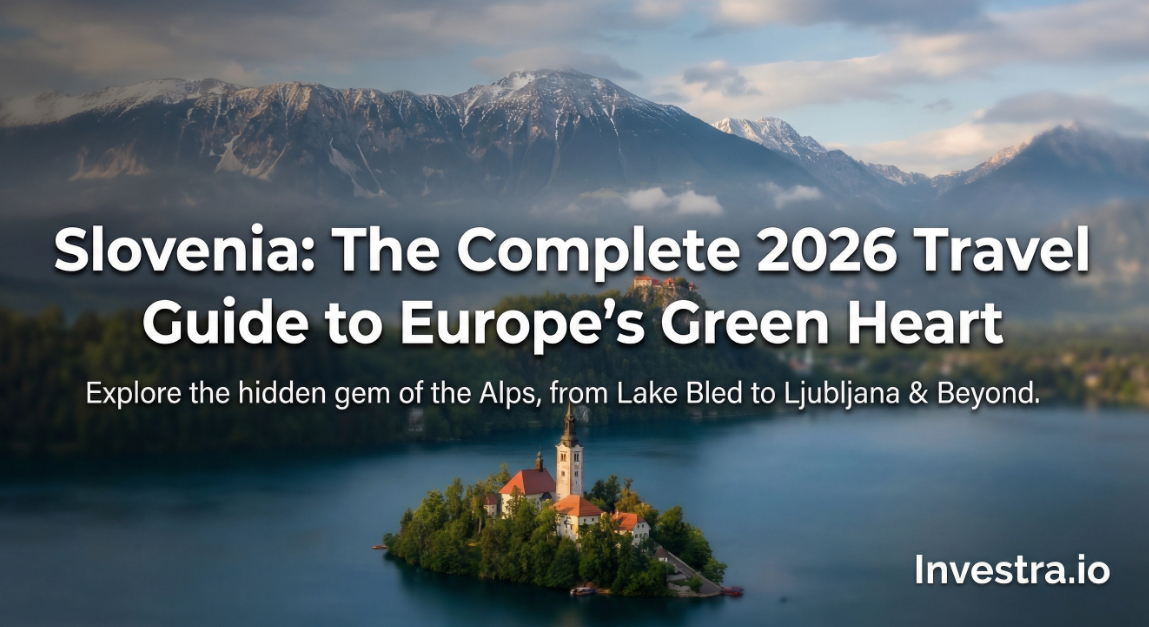
Nestled between the Alps and the Mediterranean, Slovenia is a country of breathtaking natural beauty, vibrant culture, and a deep commitment to sustainability. Often referred to as "Europe's Green Heart", this small nation offers a remarkable diversity of landscapes, from snow-capped peaks and emerald-green rivers to a sun-kissed coastline and rolling vineyards. As the world looks towards more authentic and sustainable travel experiences in 2026, Slovenia stands out as a premier destination that captivates the hearts of all who visit.
At Investra.io, we believe in exploring opportunities that offer both value and unique experiences, which is why we are passionate about real estate tokenization. Slovenia, with its stable economy, growing tourism sector, and unparalleled quality of life, represents just that. This guide is designed to provide you with a comprehensive overview of what makes Slovenia a must-visit destination, whether you're seeking adventure, relaxation, cultural immersion, or your next investment opportunity.
The Alpine Region: A Majestic Mountain Paradise
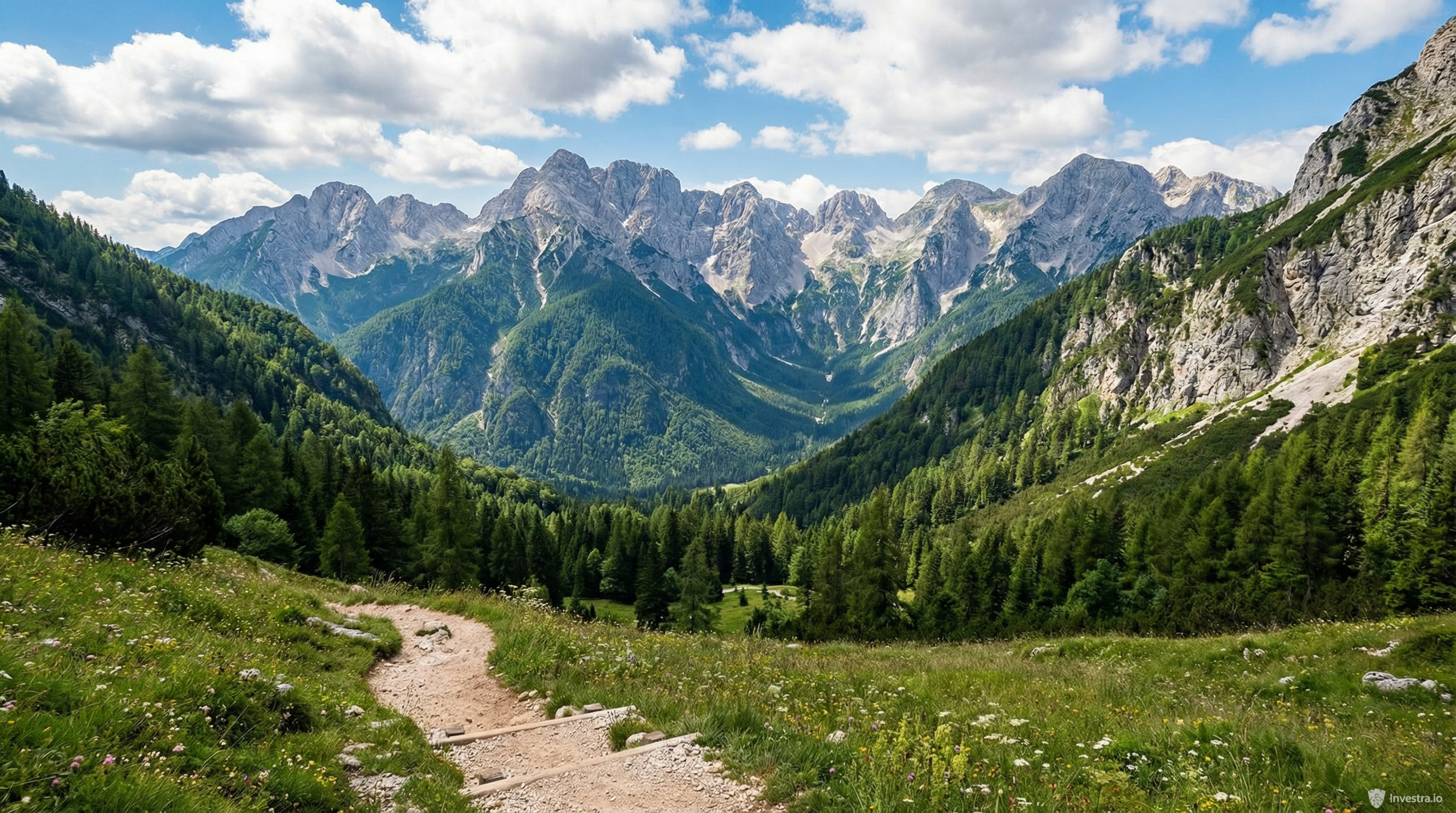
The Julian Alps are the crown jewel of Slovenia, offering a stunning backdrop for some of the country's most iconic destinations. This region is a haven for outdoor enthusiasts, with endless opportunities for hiking, skiing, and water sports.
Lake Bled: A Fairytale Come to Life
No trip to Slovenia is complete without a visit to Lake Bled. This glacial lake, with its iconic island church and medieval castle perched on a rocky cliff, is the epitome of a fairytale setting. You can take a traditional pletna boat to the island, ring the wishing bell in the church, and enjoy a slice of the famous Bled cream cake (kremšnita) while taking in the panoramic views. For the best photo opportunities, hike up to the Ojstrica or Mala Osojnica viewpoints for a breathtaking sunrise or sunset.
Triglav National Park: Slovenia's Natural Treasure
Covering a significant portion of the Julian Alps, Triglav National Park is Slovenia's only national park and a paradise for nature lovers. Home to Mount Triglav, the country's highest peak, the park offers a vast network of hiking trails, pristine lakes like Lake Bohinj, and the stunning Vintgar Gorge. The Soča Valley, with its emerald-green river, is a hotspot for adventure sports such as white-water rafting, kayaking, and canyoning.
Ljubljana: The Vibrant and Green Capital
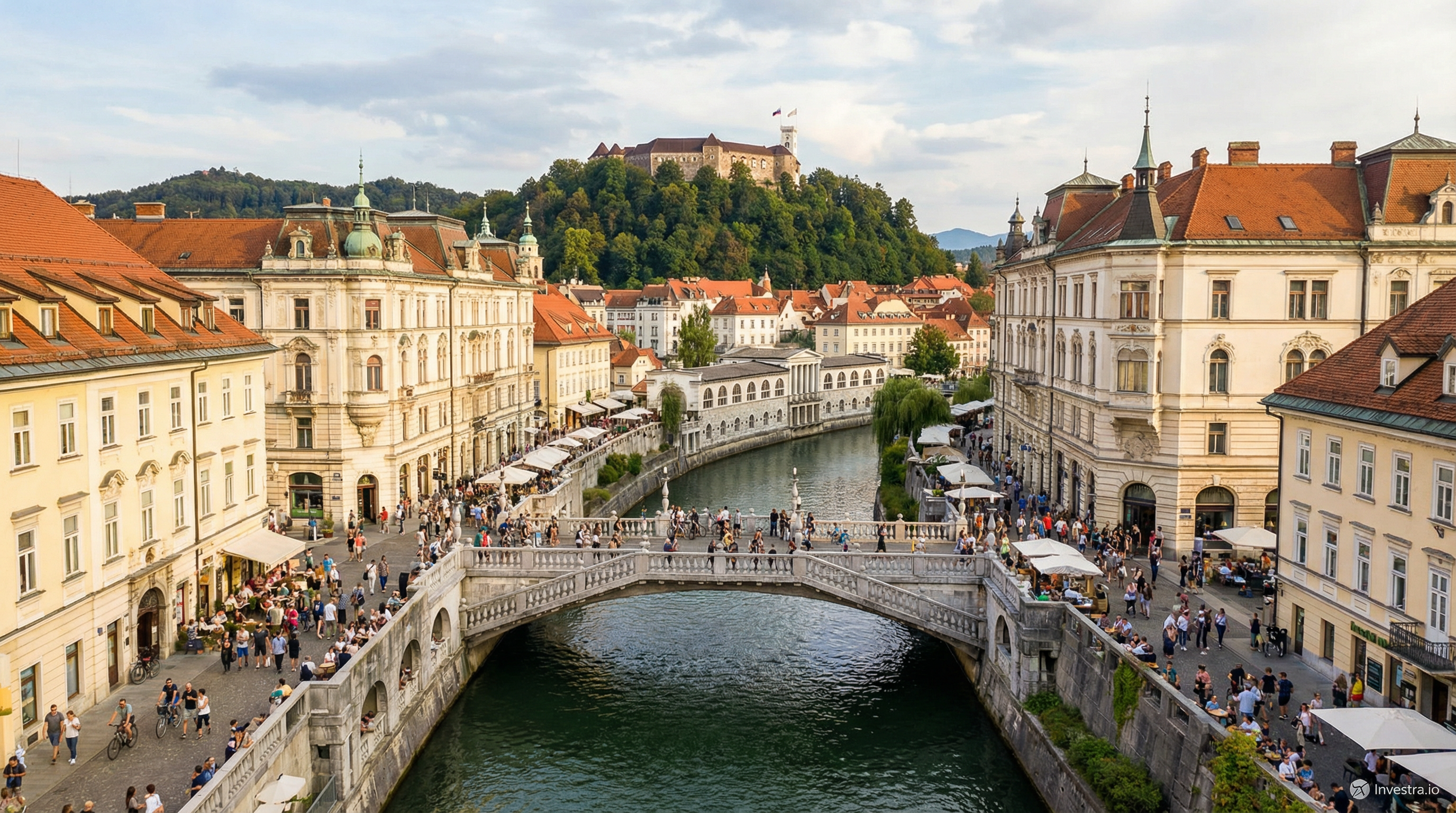
Ljubljana, Slovenia's capital, is a city that effortlessly blends a rich history with a youthful, modern energy. With its car-free city center, picturesque bridges spanning the Ljubljanica River, and a lively café culture, it's a city that invites you to explore on foot. The city was named the European Green Capital in 2016, a testament to its commitment to sustainability.
Key attractions include Ljubljana Castle, offering panoramic views of the city, the bustling Central Market designed by famous architect Jože Plečnik, and the alternative culture hub of Metelkova Mesto. A boat tour on the river provides a unique perspective of the city's beautiful architecture.
The Mediterranean Coast: A Touch of Venetian Charm
Slovenia's small but stunning coastline on the Adriatic Sea offers a taste of the Mediterranean with a unique Venetian flair. The charming town of Piran is the star of the coast, with its narrow medieval streets, terracotta-roofed houses, and a beautiful main square that opens onto the sea. You can climb the bell tower for spectacular views, walk along the ancient town walls, and enjoy fresh seafood at one of the many seaside restaurants.
The Karst Region: A World of Underground Wonders
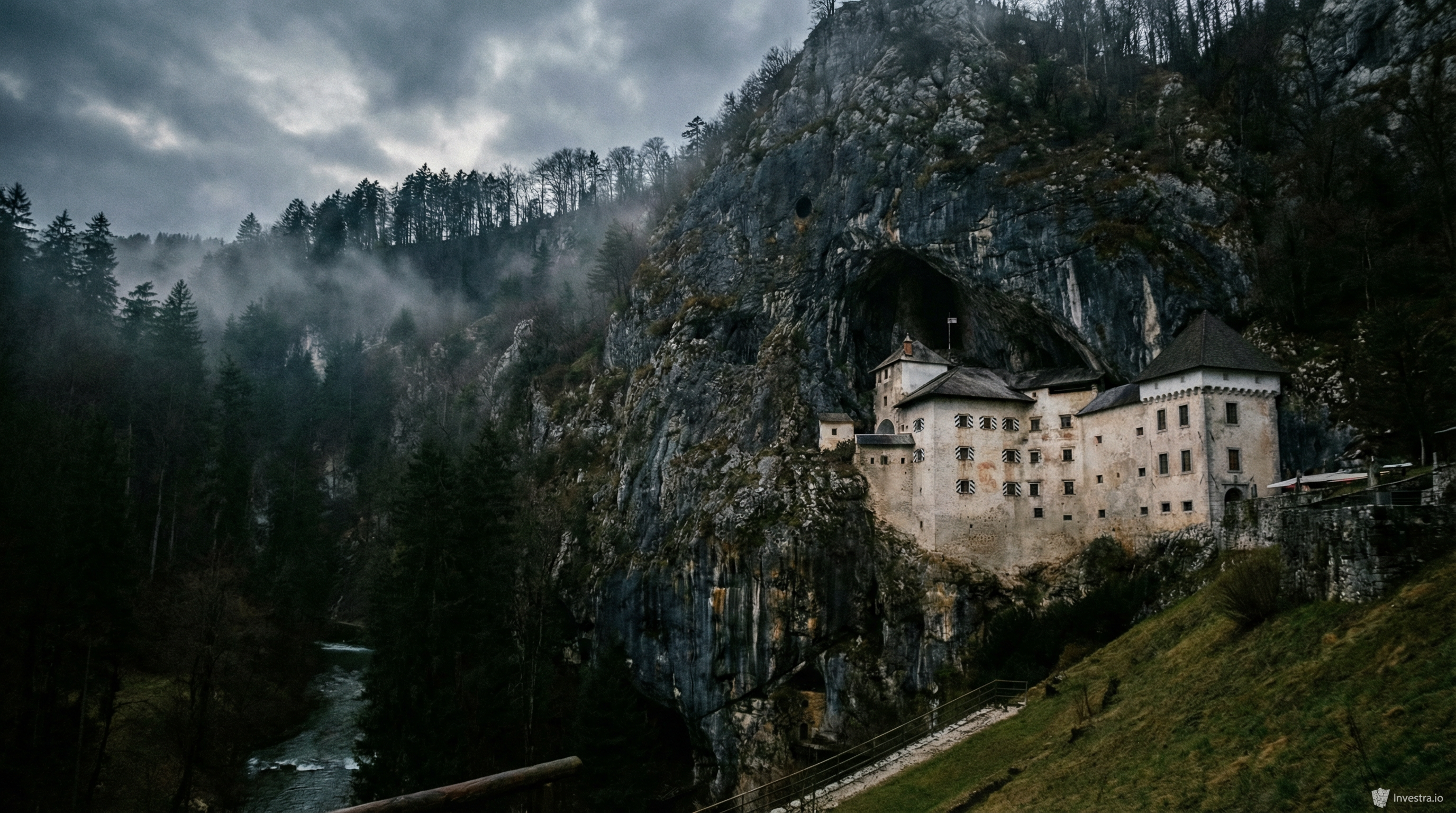
The Karst region is a limestone plateau famous for its incredible network of caves and underground rivers. The Postojna Cave is one of the world's most famous show caves, which you can explore on a unique underground train ride. Just a few kilometers away, you'll find the magnificent Predjama Castle, a medieval marvel built into the mouth of a cave, creating a dramatic and unforgettable sight.
For those seeking a more off-the-beaten-path experience, the UNESCO-listed Škocjan Caves offer a more rugged and awe-inspiring journey through one of the largest underground canyons in the world.
Culinary Delights: A Taste of Slovenia
Slovenian cuisine is a delightful fusion of influences from its neighbors – Italy, Austria, Hungary, and the Balkans. The country is divided into 24 gastronomic regions, each with its own distinct culinary identity. From the hearty stews of the Alpine region to the fresh seafood of the coast and the rich pastries of the Pannonian Plain, there's something to satisfy every palate.
Don't miss the opportunity to try local specialties like idrijski žlikrofi (small dumplings), kranjska klobasa (Carniolan sausage), and the sweet potica (nut roll). Slovenia is also home to several world-class wine regions, making it a fantastic destination for wine lovers.
Wine Country: A Toast to Slovenian Viticulture
Slovenia boasts a rich winemaking tradition that dates back over 2,400 years. The country is home to three major wine regions: Primorska, Posavje, and Podravje, each producing distinctive wines that reflect the terroir and climate. The Goriška Brda region, often called the "Slovenian Tuscany," is renowned for its rolling hills covered with vineyards and charming medieval villages. Here, you can visit family-run wineries, taste exceptional white wines like Rebula and Malvazija, and enjoy farm-to-table cuisine paired with local vintages.
Maribor, Slovenia's second-largest city, is home to the world's oldest producing grapevine, which has been growing for over 450 years. The city celebrates this heritage with the annual Old Vine Festival, where visitors can taste wine made from this historic vine and explore the vibrant wine culture of the region.
Thermal Spas and Wellness: Rejuvenate Your Body and Mind
Slovenia is a land of natural thermal springs, with over 15 spa resorts scattered across the country. These wellness centers offer a perfect blend of relaxation, health treatments, and recreational activities. From the luxurious thermal pools of Terme Čatež to the healing waters of Rogaška Slatina, Slovenia's spas cater to all preferences. Many resorts are set in beautiful natural surroundings, allowing you to combine spa treatments with outdoor activities like hiking, cycling, and golf.
The tradition of wellness in Slovenia is deeply rooted in the country's culture, with many spas offering traditional treatments using local ingredients such as honey, herbs, and thermal mud. Whether you're seeking a romantic getaway, a family vacation, or a solo retreat, Slovenia's wellness offerings provide the perfect escape from the stresses of modern life.
Adventure Sports: Thrills in Every Season
For adrenaline junkies, Slovenia is a playground of adventure. The Soča River is one of the best white-water rafting and kayaking destinations in Europe, with rapids ranging from beginner-friendly to expert-level. Canyoning in the crystal-clear gorges of the Julian Alps offers an exhilarating way to explore Slovenia's hidden waterfalls and natural pools.
In winter, Slovenia transforms into a winter sports paradise. The ski resorts of Kranjska Gora, Vogel, and Krvavec offer excellent slopes for skiing and snowboarding, with stunning Alpine views. Cross-country skiing, snowshoeing, and ice climbing are also popular activities for those seeking a more tranquil winter experience.
Mountain biking enthusiasts will find a vast network of trails throughout the country, from gentle forest paths to challenging downhill tracks. The Bike Park Kranjska Gora is a favorite among mountain bikers, offering trails for all skill levels.
Cultural Heritage: A Journey Through Time
Slovenia's rich cultural heritage is evident in its architecture, museums, and festivals. The country has been influenced by Roman, Venetian, Habsburg, and Slavic cultures, creating a unique blend that is distinctly Slovenian. The medieval town of Škofja Loka is one of the best-preserved in Europe, with its cobblestone streets, colorful facades, and historic castle.
The coastal town of Piran showcases Venetian Gothic architecture, with narrow streets, charming squares, and stunning sea views. The town's Tartini Square, named after the famous violinist and composer Giuseppe Tartini, is a vibrant hub of activity, surrounded by elegant buildings and lively cafes.
Slovenia is also home to several UNESCO World Heritage Sites, including the Škocjan Caves, the prehistoric pile dwellings around the Alps, and the mercury heritage of Idrija. These sites offer a fascinating glimpse into Slovenia's geological and historical significance.
Practical Travel Tips for Slovenia
Traveling in Slovenia is convenient and straightforward. The country has a well-developed infrastructure, with modern highways, efficient public transportation, and a wide range of accommodation options. Renting a car is highly recommended for exploring the countryside and reaching more remote destinations. Driving in Slovenia is safe and enjoyable, with well-maintained roads and clear signage.
Slovenia uses the Euro as its currency, and credit cards are widely accepted. ATMs are readily available in cities and towns. The official language is Slovenian, but English is widely spoken, especially in tourist areas. Learning a few basic Slovenian phrases, such as "hvala" (thank you) and "prosim" (please), is always appreciated by locals.
The best time to visit Slovenia depends on your interests. Summer (June to August) is ideal for hiking, swimming, and outdoor festivals, but it can be crowded in popular destinations like Lake Bled. Spring (April to May) and autumn (September to October) offer pleasant weather, fewer tourists, and beautiful natural scenery. Winter (December to March) is perfect for skiing and experiencing Slovenia's festive Christmas markets.
Why Invest in Slovenia? A Perspective from Investra.io
Beyond its appeal as a travel destination, Slovenia presents compelling opportunities for real estate investment. The cSlovenia's strategic location at the crossroads of Central Europe, the Balkans, and the Mediterranean makes it an attractive market for real estate investors.lovenia is a member of the European Union and the Eurozone, providing political stability and a favorable business environment.
The tourism sector has experienced consistent growth over the past decade, with visitor numbers increasing year after year. This growth has driven demand for high-quality accommodation, vacation rentals, and hospitality services. Slovenia's focus on sustainable and boutique tourism creates opportunities for investors who value eco-friendly and unique properties.
At Investra.io, we specialize in real estate tokenization, allowing investors to access fractional ownership of premium properties. Slovenia's real estate market, with its blend of historic charm and modern development, offers exciting opportunities for diversification. Whether it's a boutique hotel in Ljubljana, a lakeside villa near Bled, or a vineyard estate in Goriška Brda, we are continuously monitoring the market for properties that align with our vision of accessible, transparent, and profitable real estate investment.
Real estate tokenization democratizes investment by lowering entry barriers, enabling investors to start with as little as $100. This innovative approach, powered by blockchain technology, ensures transparency, security, and liquidity. As Slovenia continues to grow as a premier travel destination, the potential for capital appreciation and rental income in the real estate sector remains strong, truly representing the future of investing.
Frequently Asked Questions (FAQ)
1. When is the best time to visit Slovenia?
Slovenia is a year-round destination. For hiking and outdoor activities, the best time is from May to September. For skiing, visit from December to March. The shoulder seasons (May-June and September-October) offer pleasant weather and fewer crowds.
2. Is Slovenia an expensive country to visit?
Slovenia is more affordable than many Western European countries. Prices are comparable to those in neighboring Croatia and Hungary. You can find a wide range of accommodation and dining options to suit all budgets.
3. Do I need a visa to visit Slovenia?
Slovenia is part of the Schengen Area. Citizens of the EU, USA, Canada, Australia, and many other countries do not need a visa for stays of up to 90 days.
4. What is the currency in Slovenia?
The currency in Slovenia is the Euro (€).
5. Is English widely spoken in Slovenia?
Yes, English is widely spoken, especially among the younger generation and in tourist areas. You will have no problem communicating in English in hotels, restaurants, and shops.
6. What is the best way to get around Slovenia?
Slovenia is a small country, and it's easy to get around. Renting a car is the most convenient option for exploring the countryside. The country also has an efficient bus and train network connecting major towns and cities.
7. What are the must-try Slovenian foods?
Some must-try foods include Bled cream cake (kremšnita), Carniolan sausage (kranjska klobasa), idrijski žlikrofi (dumplings), and potica (nut roll). Don't forget to sample the local wines as well.
8. Is Slovenia a safe country?
Slovenia is a very safe country with a low crime rate. You can feel comfortable walking around at any time of day or night.
9. What are the main outdoor activities in Slovenia?
Hiking, skiing, white-water rafting, kayaking, canyoning, mountain biking, and caving are some of the most popular outdoor activities.
10. Can I drink tap water in Slovenia?
Yes, the tap water in Slovenia is of high quality and is safe to drink.
11. What is the capital of Slovenia?
The capital of Slovenia is Ljubljana, a vibrant and green city with a rich history.
12. What are the most famous lakes in Slovenia?
Lake Bled and Lake Bohinj are the two most famous and beautiful lakes in Slovenia.
13. What is the highest mountain in Slovenia?
Mount Triglav, at 2,864 meters, is the highest mountain in Slovenia and a national symbol.
14. What is the Soča River famous for?
The Soča River is famous for its stunning emerald-green color and is a popular destination for water sports.
15. Where can I learn about real estate investment in Slovenia?
For information on real estate investment and tokenization opportunities in Slovenia, you can visit Investra.io and explore our latest projects and market insights. It's also wise to understand the legal framework of tokenization before diving in.
16. What are the best ski resorts in Slovenia?
The best ski resorts in Slovenia include Kranjska Gora, Vogel, Krvavec, and Mariborsko Pohorje. These resorts offer excellent slopes, modern facilities, and stunning Alpine scenery.
17. Can I visit Slovenia on a budget?
Yes, Slovenia is a budget-friendly destination compared to many Western European countries. You can find affordable hostels, guesthouses, and local restaurants. Many natural attractions, such as hiking trails and lakes, are free to visit.
18. What is the Soča River known for?
The Soča River is famous for its stunning emerald-green color and is one of the best destinations in Europe for white-water rafting, kayaking, and fly fishing.
19. Are there any UNESCO World Heritage Sites in Slovenia?
Yes, Slovenia has several UNESCO World Heritage Sites, including the Škocjan Caves, the prehistoric pile dwellings around the Alps, and the mercury heritage of Idrija.
20. What is the traditional Slovenian dessert?
One of the most famous traditional Slovenian desserts is potica, a rolled cake filled with nuts, honey, and spices. Another popular dessert is the Bled cream cake (kremšnita).
Priporočljiva vsebina
•Why Real Estate Tokenization is the Next Big Investment Opportunity
•How to Start Investing in Real Estate with Just $100: The Tokenization Revolution
•Blockchain vs. Traditional Real Estate: Why Tokenization is the Future
Sledite nam
Related Posts
No related posts available.