
 English
Introduction: Slovenia, a World of Wonders in One Small Country
Slovenia, a country where the Alps meet the Mediterranean and the Pannonian Plain extends to the Karst, is a land of incredible diversity and breathtaking beauty. For too long, it has been Europe's best-kept secret, but in 2026, the secret is out. This small nation, with its unwavering commitment to sustainability, pristine nature, and rich cultural tapestry, is poised to become one of the world's most sought-after travel destinations. It’s a place where you can hike majestic peaks in the morning, explore ancient caves in the afternoon, and dine by the sea in the evening.
At Investra.io, we see Slovenia not just as a stunning travel destination but as a land of opportunity. Its booming tourism sector and stable economy make it a prime location for savvy investors looking into real estate tokenization. This guide will take you on a journey through the top 20 locations you must visit in Slovenia in 2026, showcasing the very best of what this green paradise has to offer.
1. Lake Bled: The Fairytale Icon
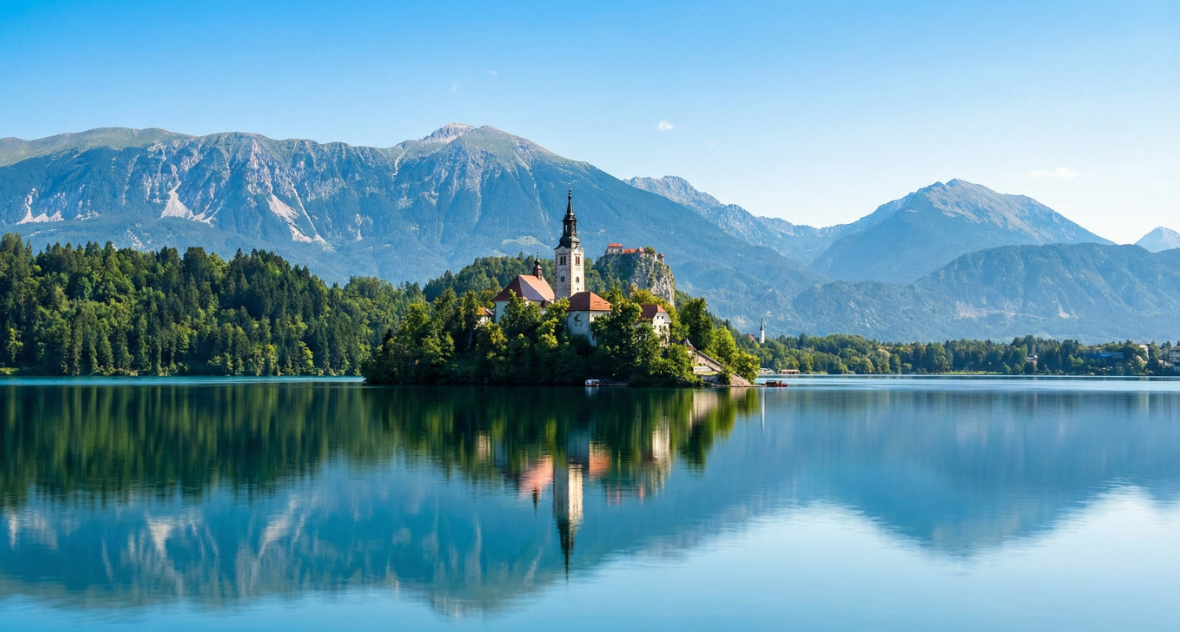
No list of Slovenian destinations is complete without the jewel in its crown: Lake Bled. This emerald-green glacial lake, with its picture-perfect island church and a medieval castle clinging to a rocky cliff, is the stuff of fairytales. Take a traditional pletna boat to the island, ring the wishing bell for good luck, and hike up to Bled Castle for panoramic views that will leave you speechless. Don't leave without trying the famous Bled cream cake, kremšnita. For the adventurous, hiking trails to Ojstrica and Mala Osojnica offer postcard-perfect photo opportunities, especially at sunrise.
2. Ljubljana: The Vibrant Green Capital
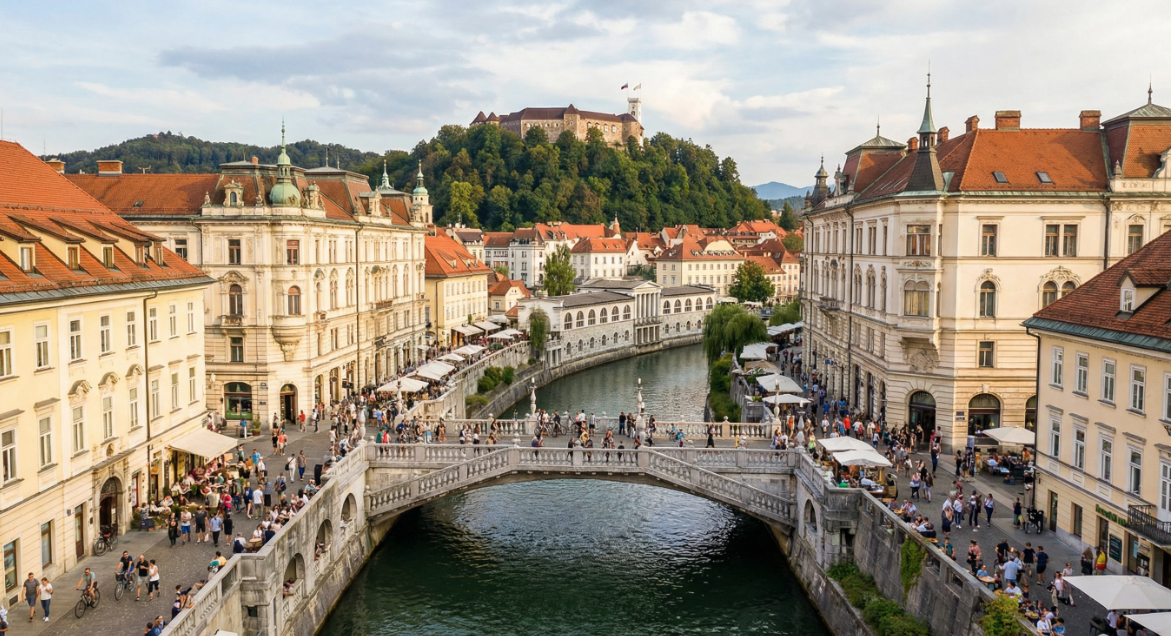
Ljubljana is not just Slovenia's capital; it's its heart and soul. A city that was crowned the European Green Capital, Ljubljana boasts a car-free city center, making it a delight to explore on foot or by bike. The Ljubljanica River, gracefully spanned by picturesque bridges like the Triple Bridge and the Dragon Bridge, flows through the heart of the city. Explore the historic Old Town, take a funicular up to Ljubljana Castle for stunning city views, and immerse yourself in the lively atmosphere of the Central Market, designed by the famed architect Jože Plečnik. The city's vibrant café culture and thriving arts scene make it a destination in itself.
3. Postojna Cave: A Journey to the Center of the Earth
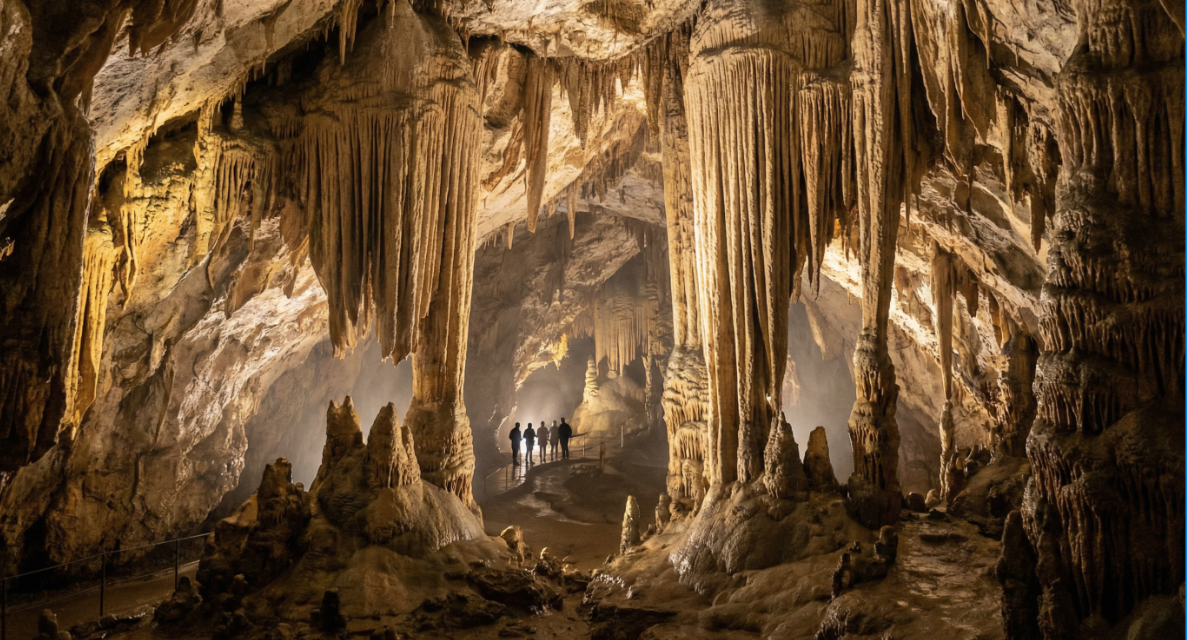
Prepare to be mesmerized by the subterranean world of Postojna Cave, one of the world's most captivating cave systems. A unique underground electric train will take you deep into the heart of the cave, through a labyrinth of magnificent halls, tunnels, and chambers adorned with spectacular stalactites and stalagmites. The cave is also home to the olm, or
"human fish," a rare aquatic salamander that lives in the cave's dark waters. It's an unforgettable experience that reveals the geological wonders hidden beneath the Slovenian Karst.
4. Predjama Castle: The Castle in a Cave
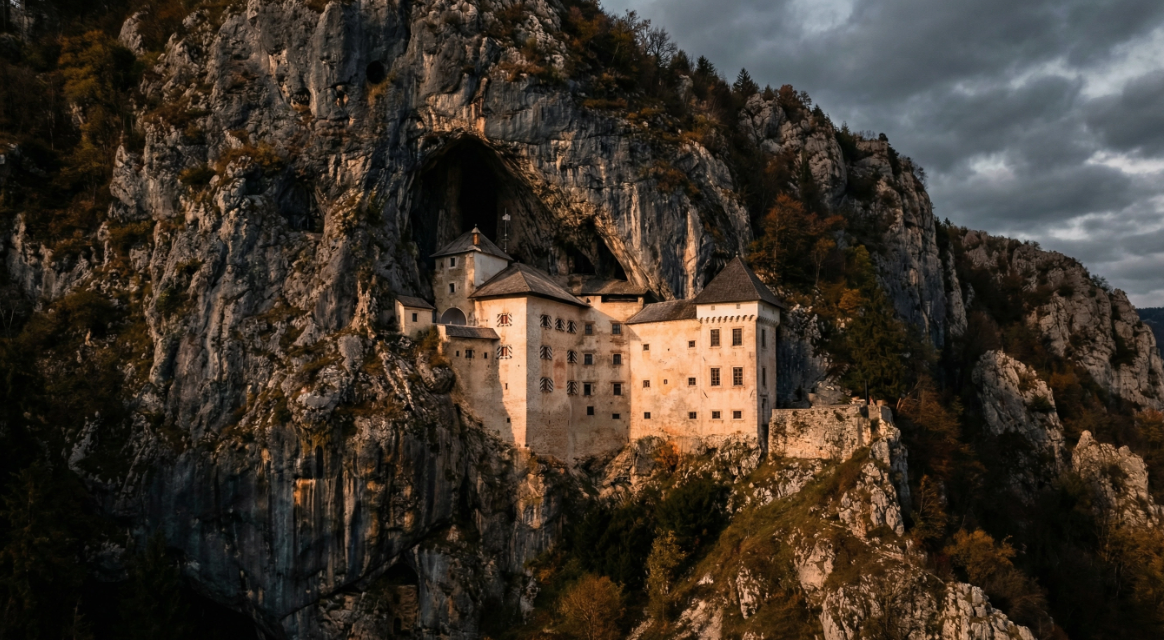
Just a few kilometers from Postojna Cave lies Predjama Castle, a true marvel of medieval engineering and one of the most dramatic castles in the world. Clinging to a 123-meter-high cliff, this Renaissance castle is built within the mouth of a cave. For over 800 years, it has stood defiant, a testament to the ingenuity of its builders. The castle is famous for its legendary inhabitant, the rebellious knight Erazem of Predjama, who withstood a year-long siege in the 15th century. Exploring its secret tunnels and historic chambers is like stepping back in time.
5. Piran: A Slice of Venice on the Adriatic
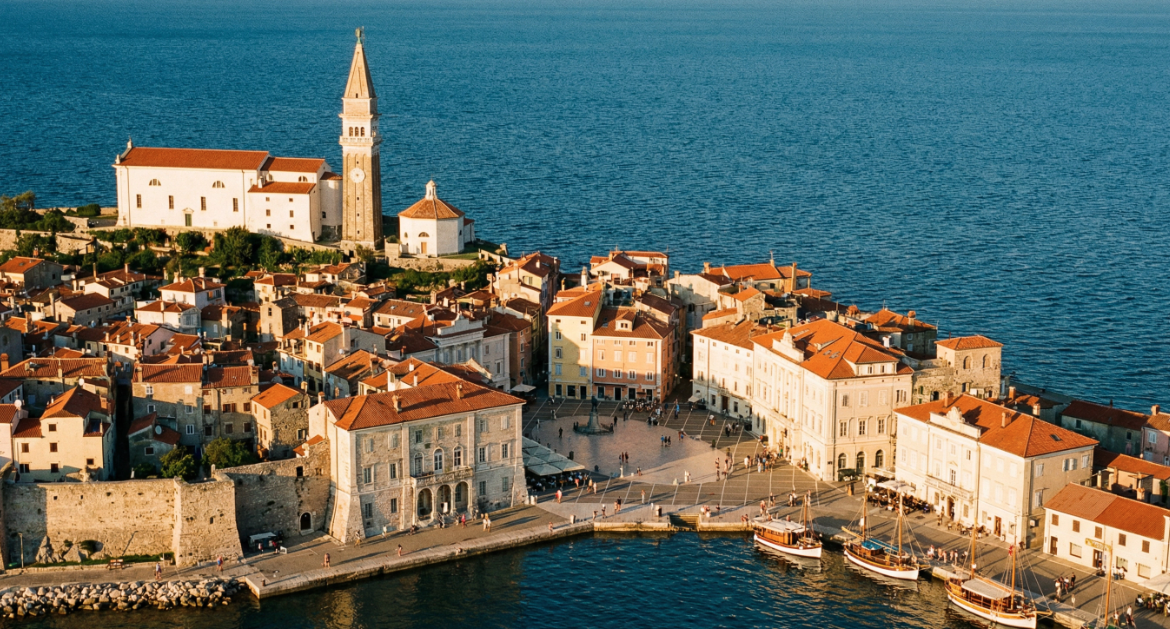
Slovenia's short but stunning coastline is home to the enchanting town of Piran. With its narrow, winding streets, terracotta-roofed houses, and a magnificent main square that opens directly onto the sea, Piran feels like a miniature Venice. Climb the bell tower of St. George's Church for breathtaking views of the town and the Adriatic, walk along the ancient town walls, and lose yourself in its romantic, medieval atmosphere. Piran is a photographer's dream and a perfect spot to enjoy fresh seafood at a seaside restaurant while watching the sunset.
6. Triglav National Park: An Alpine Wilderness
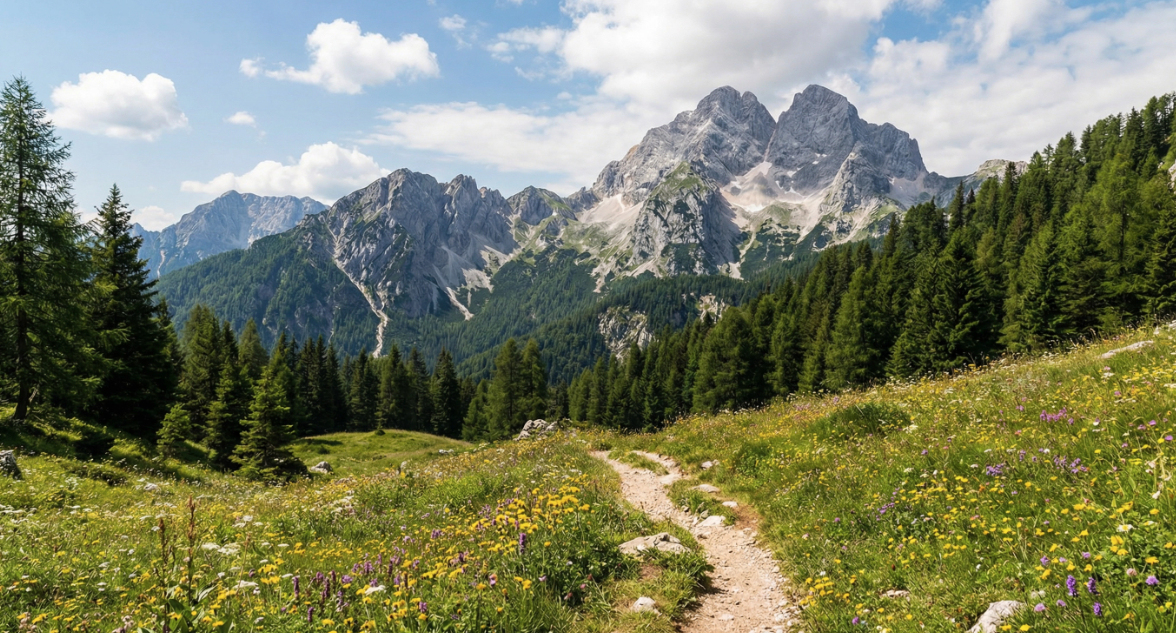
Covering almost the entire Slovenian part of the Julian Alps, Triglav National Park is a sanctuary of pristine nature. Named after Mount Triglav, Slovenia's highest peak and a national symbol, the park is a paradise for hikers, climbers, and nature lovers. It's a land of soaring peaks, deep valleys, crystal-clear lakes, and dense forests. The park's commitment to conservation ensures that its natural beauty remains untouched, offering an authentic Alpine experience. Whether you're tackling the summit of Triglav or enjoying a gentle walk through the woods, the park's majestic scenery is awe-inspiring.
7. Soča Valley: The Emerald River
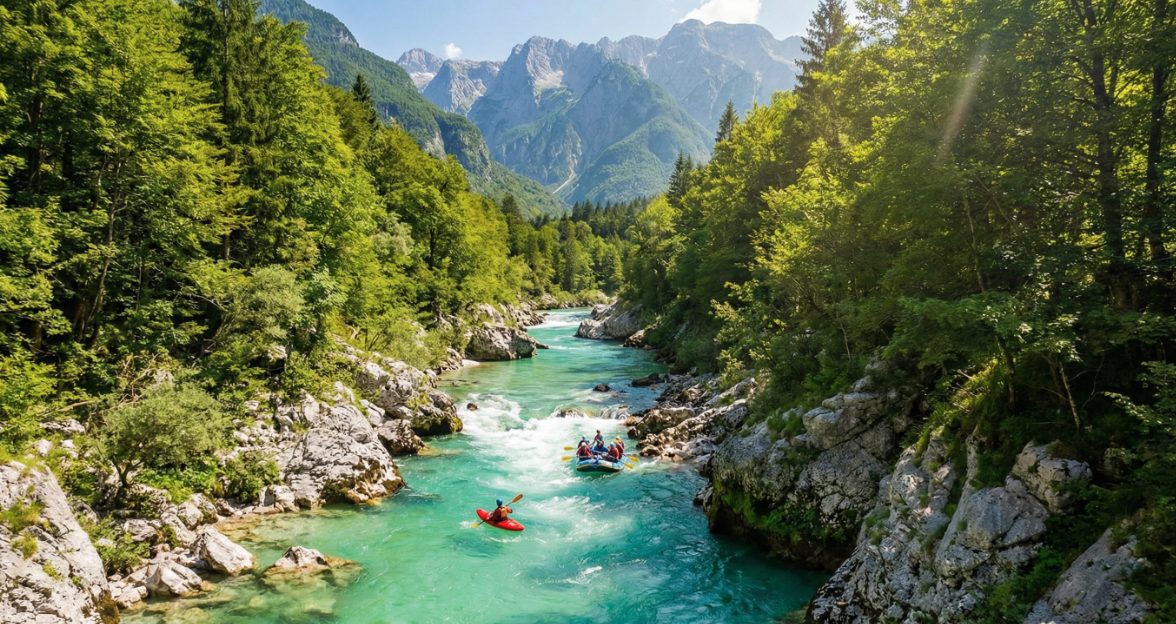
The Soča River is famous for its astonishing emerald-green color, a hue so vibrant it seems almost unreal. The valley it carves through the Julian Alps is one of Europe's premier destinations for adventure sports. From white-water rafting and kayaking on its thrilling rapids to canyoning in its hidden gorges and paragliding from its surrounding peaks, the Soča Valley offers an adrenaline rush for every adventurer. The valley also bears the scars of World War I's Isonzo Front, and the Kobarid Museum offers a poignant look into this history. The combination of natural beauty and historical significance makes the Soča Valley a truly unique destination.
8. Lake Bohinj: The Serene Alpine Heart
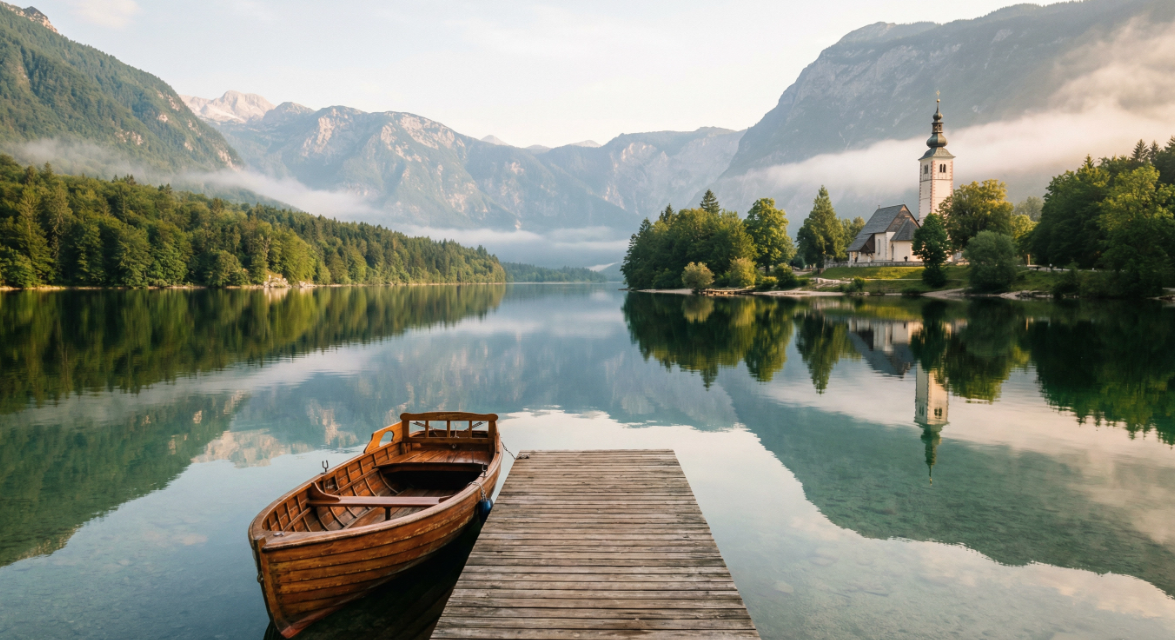
While Lake Bled may be more famous, Lake Bohinj, Slovenia's largest glacial lake, offers a more tranquil and authentic Alpine experience. Nestled in the heart of Triglav National Park, Lake Bohinj is surrounded by towering peaks and pristine forests. It's a place for swimming, kayaking, and paddleboarding in summer, and a peaceful retreat in winter. A cable car ride up to Mount Vogel provides spectacular panoramic views of the lake and the surrounding Alps. For those seeking to connect with nature and escape the crowds, Lake Bohinj is the perfect sanctuary.
9. Škocjan Caves: A UNESCO World Heritage Wonder
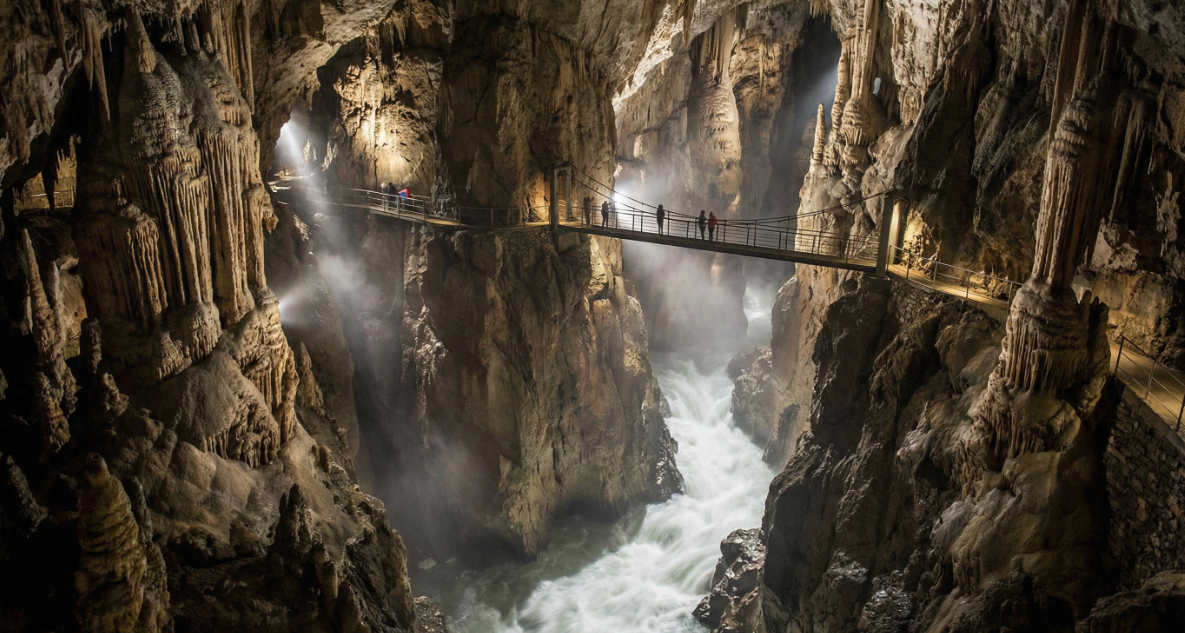
For a truly awe-inspiring underground experience, visit the Škocjan Caves, a UNESCO World Heritage site. What sets these caves apart is the sheer scale of their underground canyon, one of the largest in the world, carved by the Reka River. A walking tour takes you through enormous chambers and across a breathtaking bridge suspended high above the roaring river. The raw, untamed beauty of the Škocjan Caves offers a powerful reminder of nature's immense power and is a must-see for any visitor to the Karst region.
10. Maribor: Home of the World's Oldest Vine
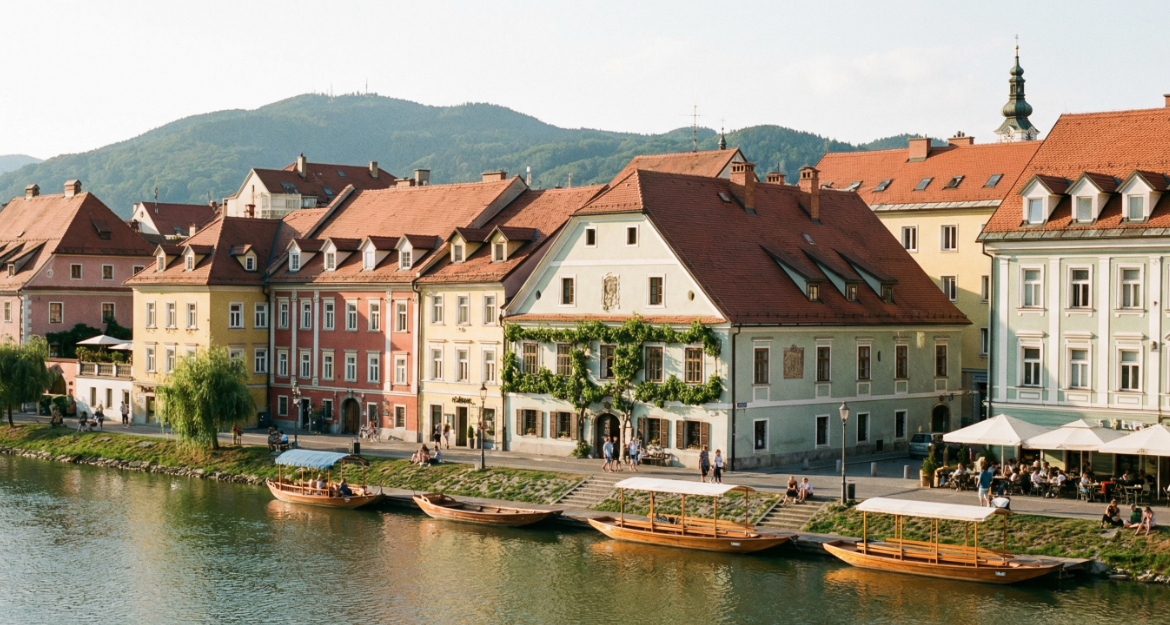
Slovenia's second-largest city, Maribor, is a charming and relaxed city on the banks of the Drava River. Its main claim to fame is the Old Vine, the world's oldest producing grapevine, which has been growing for over 450 years. The city's Lent district is the oldest part of town, with a lively atmosphere, numerous cafes, and the Old Vine House. Maribor is also the gateway to the Pohorje Massif, a popular destination for hiking in summer and skiing in winter. The city's rich wine culture and laid-back vibe make it a delightful place to explore.
11. Ptuj: Slovenia's Oldest Town
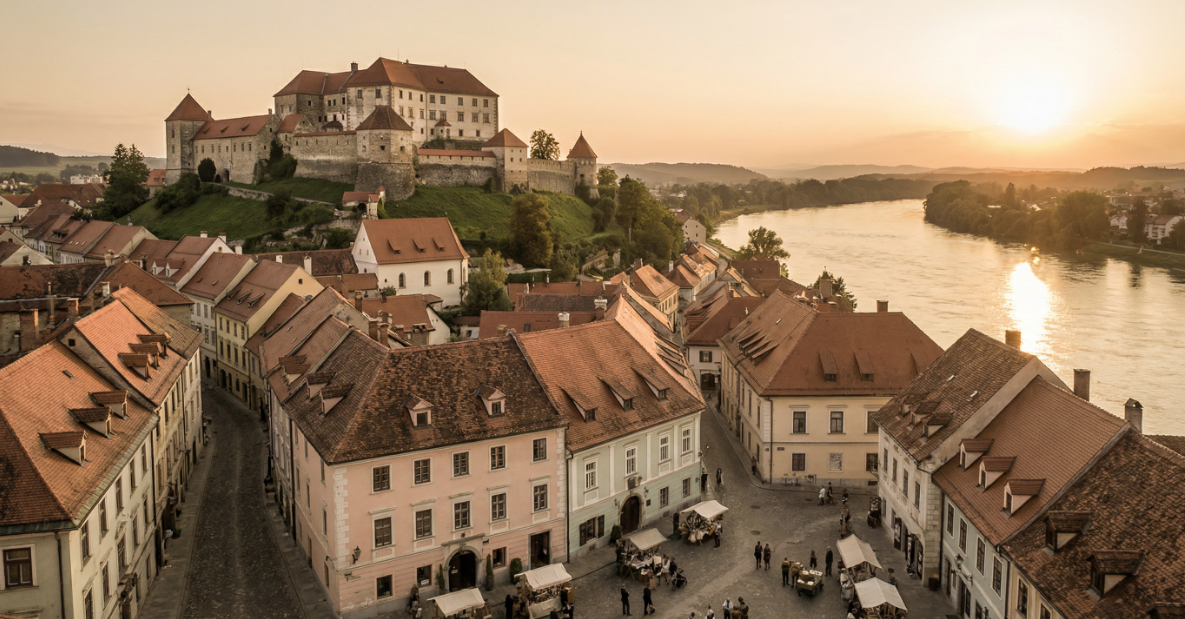
Step back in time in Ptuj, the oldest recorded town in Slovenia. With a history stretching back to the Stone Age and a flourishing Roman settlement, Ptuj is a treasure trove of history and culture. The town is dominated by the magnificent Ptuj Castle, which offers fantastic views and houses a fascinating collection of historical artifacts. Stroll through its charming medieval streets, discover its Roman heritage, and experience the famous Kurentovanje carnival, a UNESCO-recognized Shrovetide tradition. Ptuj's rich history and vibrant cultural life make it a captivating destination.
12. Velika Planina: A Herdsmen's Fairytale Plateau
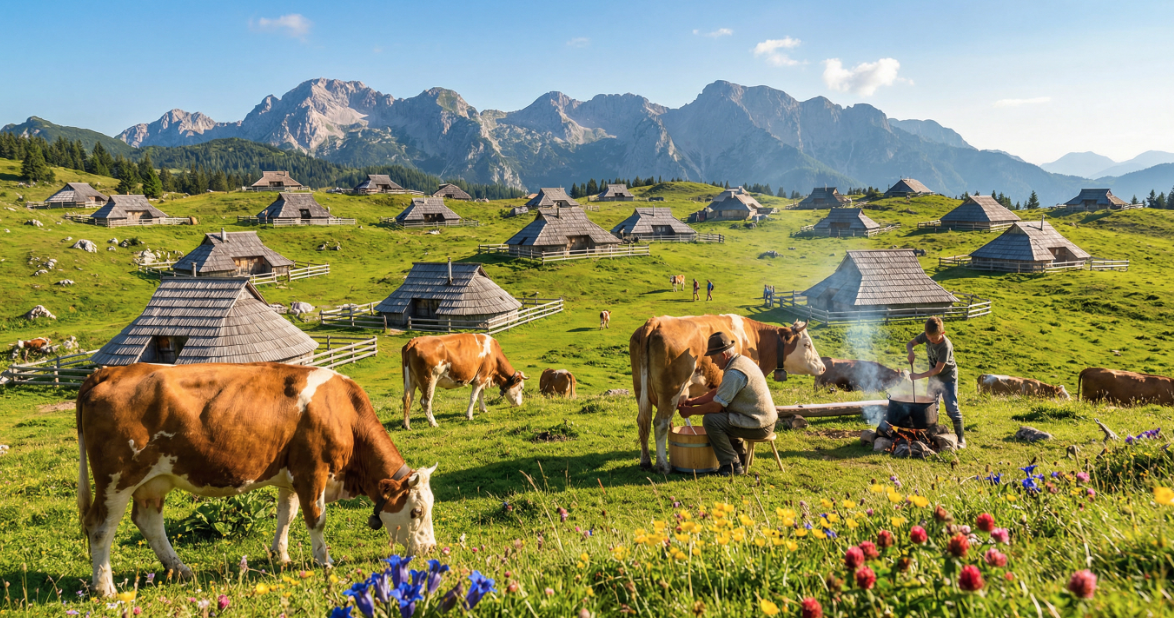
Experience a unique pastoral tradition at Velika Planina, one of Europe's few surviving high-altitude herdsmen's settlements. In summer, the plateau comes alive as herdsmen bring their cattle to graze, living in distinctive oval-shaped wooden huts. Visitors can hike among the huts, sample traditional dairy products like trnič cheese, and enjoy the stunning Alpine scenery. A cable car and chairlift provide easy access to the plateau, making it a perfect day trip for families and hikers alike. It's a magical place that offers a glimpse into a vanishing way of life.
13. Logar Valley: A Glacial Valley of Dreams
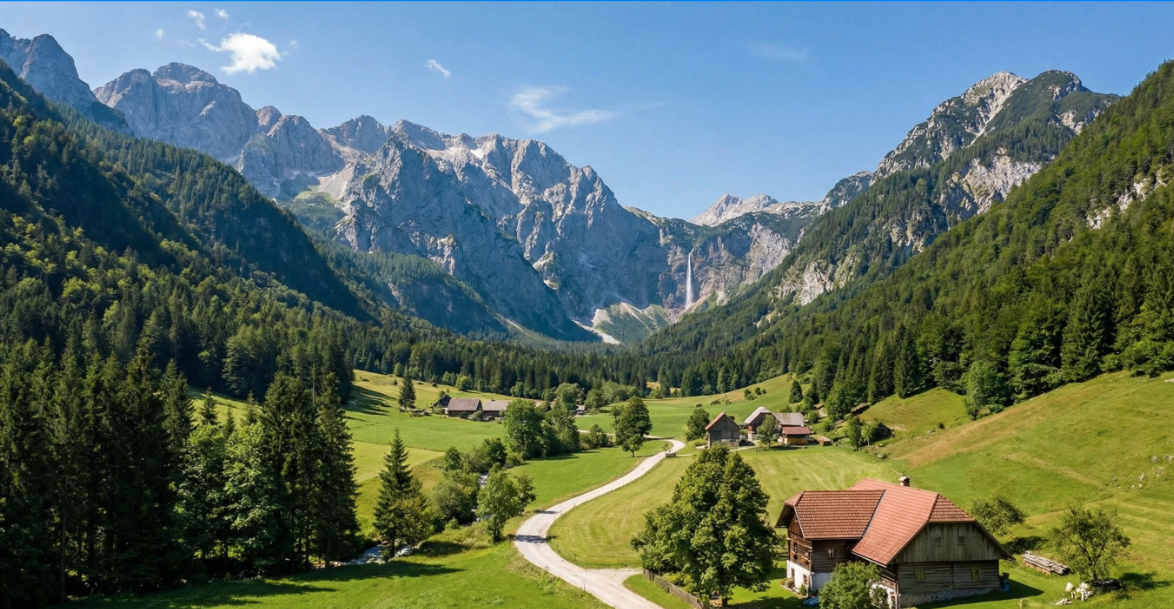
Protected as a landscape park, the Logar Valley (Logarska Dolina) is one of the most beautiful Alpine glacial valleys in Europe. This U-shaped valley, surrounded by the towering peaks of the Kamnik-Savinja Alps, is a paradise for hikers, cyclists, and nature photographers. A scenic road and trail run through the valley, leading to the impressive Rinka Waterfall. The valley's pristine nature, traditional farms, and peaceful atmosphere make it an ideal destination for those seeking tranquility and natural beauty.
14. Lipica: The Cradle of the Lipizzaner Horses
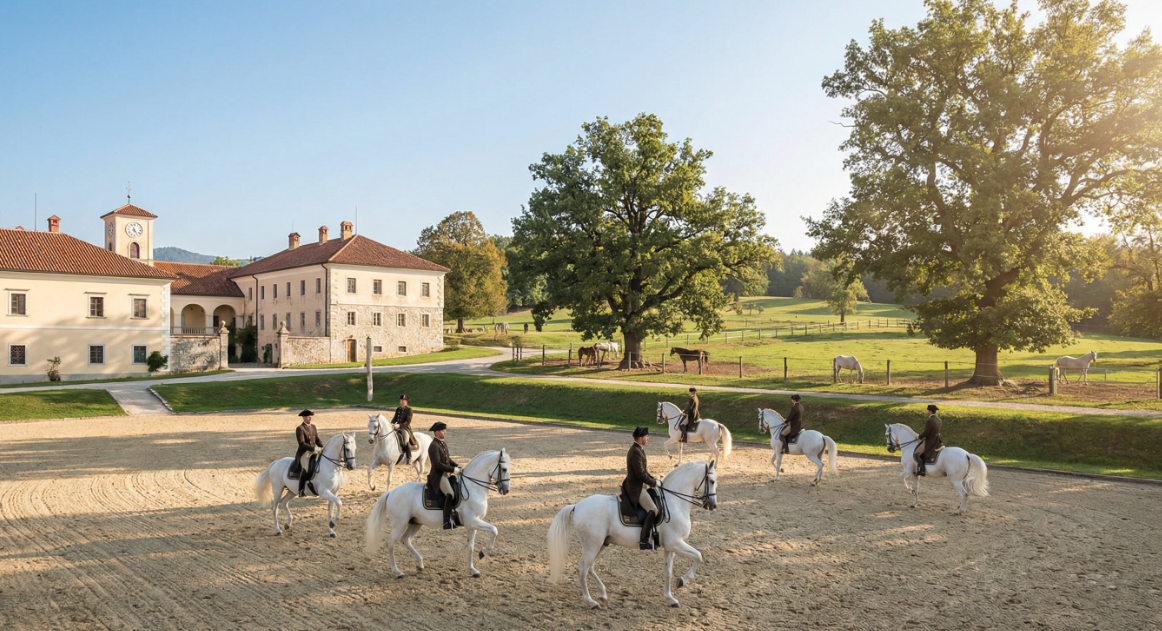
For horse lovers, a visit to Lipica is a must. This is the original stud farm of the famous Lipizzaner horses, the elegant white horses of the Spanish Riding School in Vienna. The stud farm was established in 1580, and today visitors can tour the historic stables, watch the horses perform in classical dressage shows, and even take riding lessons. The vast, green estate with its ancient oak trees provides a beautiful setting for these magnificent animals. It's a unique cultural and historical experience.
15. Portorož: The Riviera of Slovenia
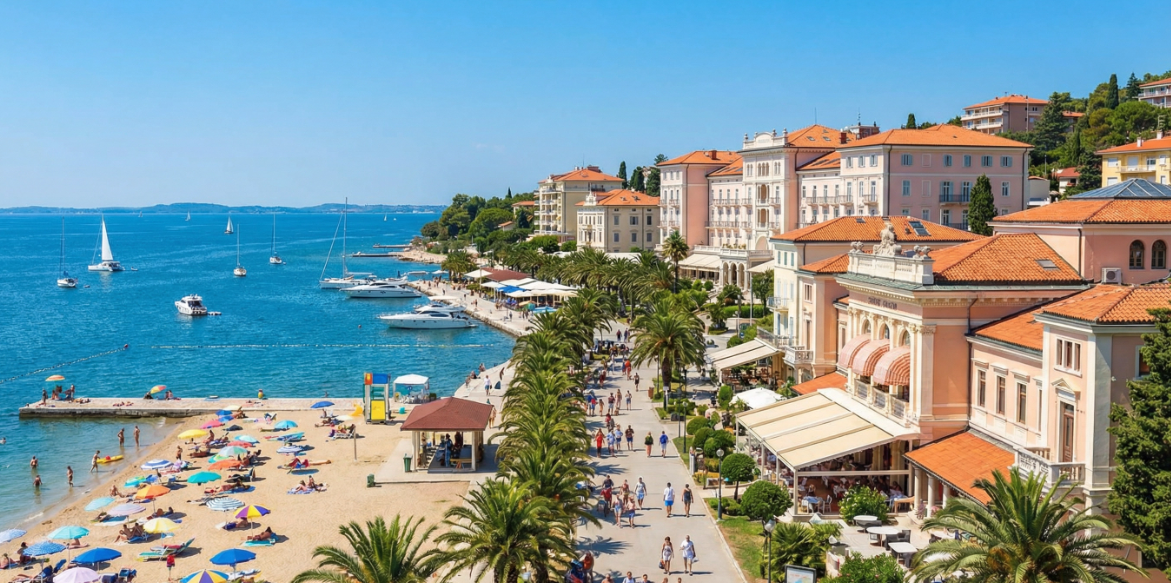
For a dose of seaside glamour, head to Portorož, Slovenia's premier coastal resort. Known as the "Port of Roses," Portorož offers a lively riviera atmosphere with its sandy beach, luxurious hotels, and bustling promenade. It's a hub for wellness and spa tourism, with several resorts offering treatments using the local salt-pan mud and brine. The town's vibrant nightlife, casinos, and numerous restaurants make it a popular destination for those seeking relaxation and entertainment by the sea.
16. Kranjska Gora: The Alpine Adventure Hub
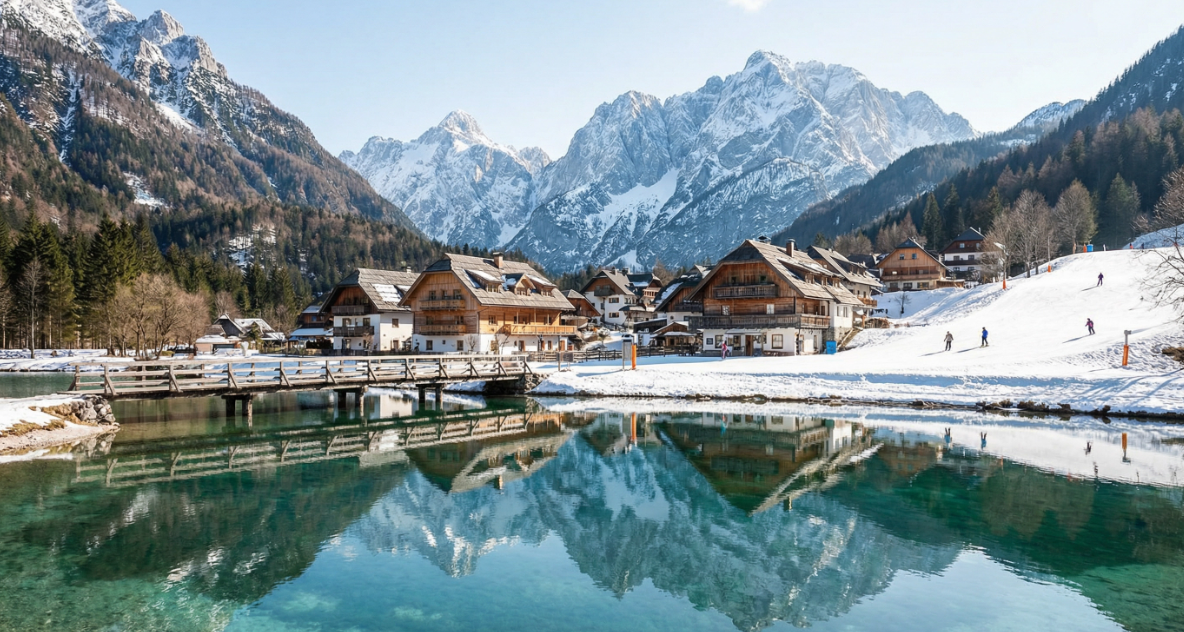
Kranjska Gora is a world-renowned ski resort and a year-round hub for Alpine adventures. In winter, it hosts World Cup ski races and offers excellent skiing for all levels. In summer, it's a paradise for hikers and cyclists, serving as the gateway to the stunning Vršič Pass, Slovenia's highest mountain pass. The nearby Lake Jasna, with its crystal-clear water and stunning mountain backdrop, is a perfect spot for a refreshing swim. Kranjska Gora's beautiful scenery and abundance of outdoor activities make it a top destination for active travelers.
17. Vintgar Gorge: A Walk Through Paradise
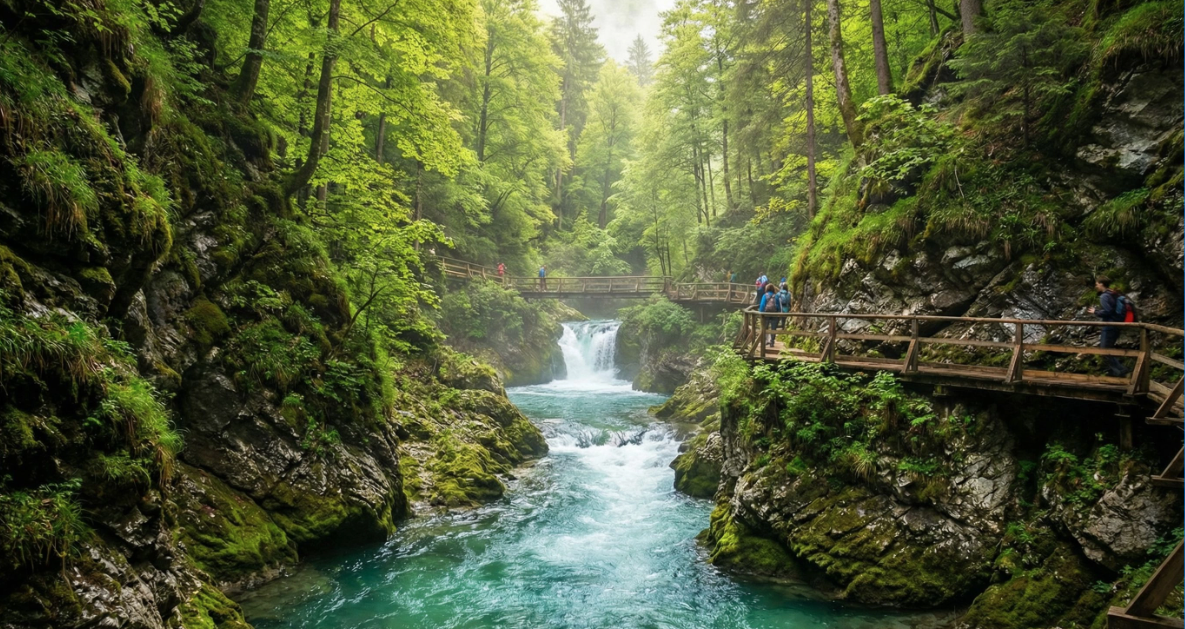
Just a few kilometers from Lake Bled, Vintgar Gorge offers a spectacular walk through a natural wonder. A series of wooden walkways and bridges follow the Radovna River as it carves its way through the steep walls of the gorge. The 1.6-kilometer walk is an enchanting experience, with the turquoise water rushing below, numerous pools and rapids, and the impressive Šum Waterfall at the end. It's an easy and accessible walk that showcases the incredible beauty of Slovenia's natural landscapes.
18. Goriška Brda: The Tuscany of Slovenia
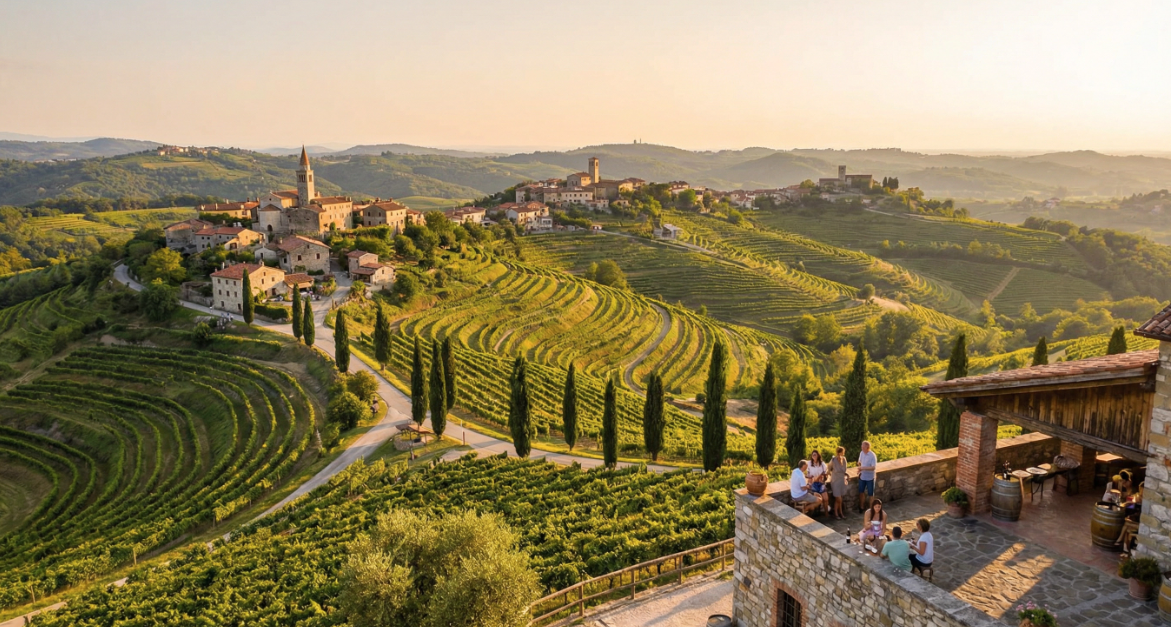
Goriška Brda, often called the "Tuscany of Slovenia," is a stunning wine region of rolling hills, medieval villages, and endless vineyards. This is the place to indulge in Slovenia's burgeoning wine scene, tasting world-class wines like Rebula and Malvasia at family-run wineries. The region's unique microclimate, influenced by both the Alps and the Adriatic, creates ideal conditions for viticulture. Explore charming villages like Šmartno, enjoy farm-to-table cuisine, and soak in the panoramic views from the Gonjače viewing tower. It's a food and wine lover's paradise.
19. Idrija: A UNESCO Heritage of Mercury and Lace
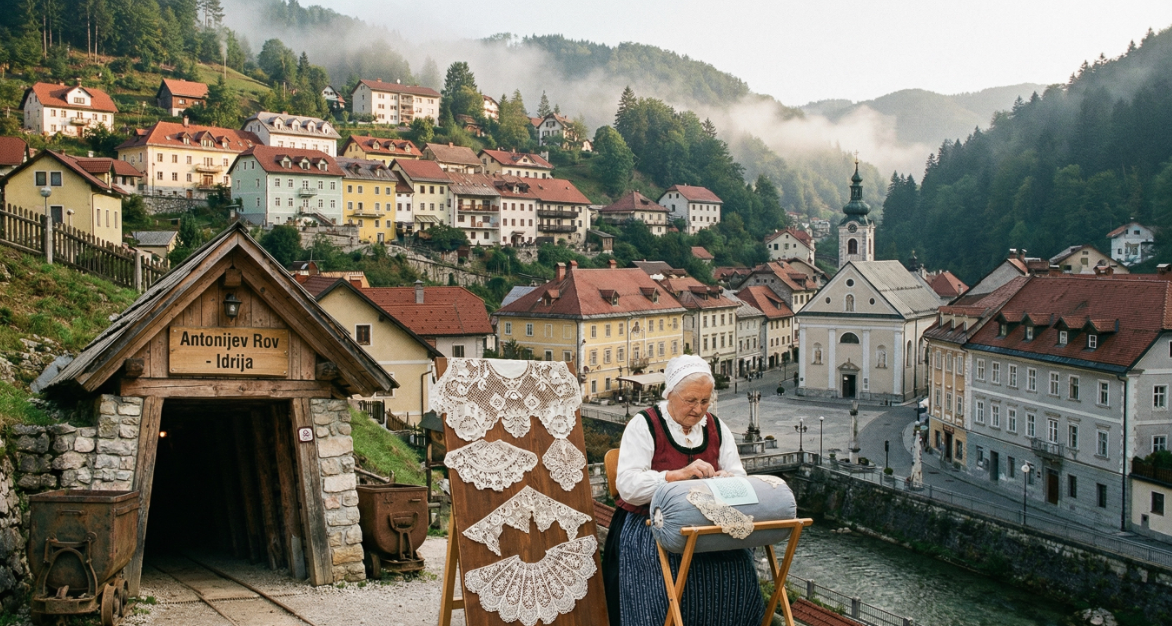
Idrija is a town with a unique and fascinating history, recognized by UNESCO for its mercury mining heritage. For centuries, Idrija was home to one of the world's largest mercury mines. Today, you can tour the historic Anthony's Main Road mine shaft and learn about the town's mining past at the Gewerkenegg Castle museum. Idrija is also famous for its intricate handmade lace, a tradition that has been passed down through generations. The combination of industrial heritage and delicate craftsmanship makes Idrija a truly unique destination.
20. Koper: The Historic Coastal Hub
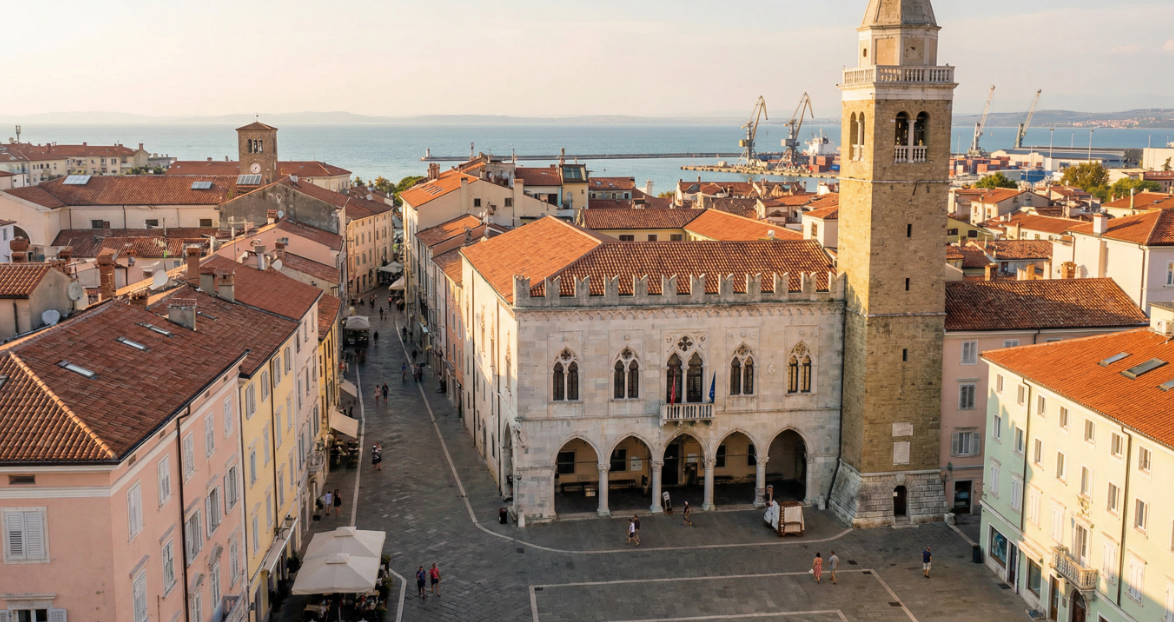
Koper is Slovenia's largest coastal town and a major port, but it has managed to preserve its charming historic core. The old town, with its Venetian-Gothic architecture, narrow streets, and beautiful squares, is a delight to explore. Climb the bell tower in Tito Square for panoramic views of the city and the Gulf of Trieste, visit the Praetorian Palace, and enjoy the lively atmosphere of the waterfront. Koper offers a perfect blend of history, culture, and coastal charm.
Why Invest in Slovenia's Top Locations?
From an investment perspective, Slovenia's diverse and popular tourist destinations offer significant potential. The growing demand for unique, authentic, and sustainable travel experiences aligns perfectly with what Slovenia offers. This translates into a robust market for tourism-related real estate. At Investra.io, we are actively exploring opportunities in these prime locations. The rise of blockchain in real estate allows for fractional ownership, making it possible for you to invest with as little as $100 in a boutique hotel in Ljubljana or a holiday apartment in Piran. The future of investing is about accessibility and transparency, and Slovenia's real estate market is ripe for this revolution.
Frequently Asked Questions (FAQ)
1. What is the best time of year to visit Slovenia?
Slovenia is a year-round destination. For hiking and summer activities, visit between June and September. For skiing, the season runs from December to March. The shoulder seasons (May and October) offer pleasant weather and fewer crowds.
2. Is Slovenia expensive to travel in?
Compared to Western Europe, Slovenia is quite affordable. It offers great value for money, with a wide range of accommodation and dining options to suit all budgets.
3. Do I need a car to travel around Slovenia?
While public transport is efficient between major cities, renting a car is the best way to explore the countryside and reach more remote locations at your own pace.
4. Is English widely spoken?
Yes, English is widely spoken, especially by younger people and in the tourism industry. You will have no trouble communicating.
5. What is the currency in Slovenia?
The currency is the Euro (€).
6. What are some must-try Slovenian foods?
Don't miss kranjska klobasa (Carniolan sausage), idrijski žlikrofi (dumplings), potica (nut roll), and the famous Bled cream cake (kremšnita).
7. Is Slovenia a safe country for tourists?
Slovenia is one of the safest countries in the world, with a very low crime rate.
8. How does real estate tokenization work for properties in Slovenia?
Real estate tokenization involves converting the rights to a property into a digital token on a blockchain. This allows for fractional ownership, making it easier and more affordable for people to invest in Slovenian real estate through platforms like Investra.io.
9. Can I drink the tap water in Slovenia?
Yes, Slovenia has some of the cleanest and safest tap water in Europe.
10. What makes Slovenia a "green" destination?
Slovenia is a world leader in sustainability, with over 60% of its land covered by forests. It has a strong commitment to protecting its natural environment, which is evident in its pristine national parks and clean cities.
Priporočljiva vsebina
•Slovenia: The Complete 2026 Travel Guide to Europe's Green Heart
•Why Real Estate Tokenization is the Next Big Investment Opportunity
•How to Start Investing in Real Estate with Just $100
A Deeper Dive into Slovenia's Treasures
While the top 20 locations provide a fantastic overview, Slovenia's charm lies in the details and the experiences that connect these places. Understanding the cultural and geographical context enriches the journey, turning a simple visit into a profound exploration.
The Alpine Spirit: More Than Just Mountains
The Julian Alps are not just a backdrop; they are the soul of Slovenia. The connection to the mountains is deeply ingrained in the national identity, with Mount Triglav featured on the flag. This region is a testament to the country's dedication to preserving its natural heritage. The trails are meticulously maintained, and the mountain huts offer a unique camaraderie among hikers. Beyond the famous peaks, you'll find hidden valleys, traditional Alpine farms offering homemade delicacies, and a silence that is increasingly rare in modern Europe. The respect for nature is palpable, and visitors are encouraged to embrace the philosophy of "leave no trace."
The Karst Phenomenon: A World Below
The Slovenian Karst is a landscape of global significance, giving its name to all similar landscapes worldwide. It's a region where water has sculpted the limestone bedrock into a surreal world of caves, sinkholes, and intermittent lakes. This underground world has shaped the culture above ground. The stone-built villages, the famous Karst prosciutto dried by the unique winds, and the robust Teran wine all owe their character to this unique environment. Exploring the Karst is a lesson in geology, history, and the resilience of life in a challenging landscape.
The Mediterranean Vibe: A Coastal Blend
Slovenia's 47 kilometers of coastline may be small, but it is packed with history and charm. The influence of the Venetian Republic is evident in the architecture and the dialect. This is a region where the pace of life slows down. The salt pans of Sečovlje, still harvested using traditional methods, tell a story of a centuries-old industry. The hinterland, with its olive groves and vineyards, offers a different perspective on the Mediterranean lifestyle. It's a place for simple pleasures: a glass of local Malvasia wine, a plate of fresh seafood, and a stunning sunset over the Adriatic.
The Pannonian Plain: A Land of Thermal Springs and Storks
Eastern Slovenia, part of the vast Pannonian Plain, offers a completely different landscape of rolling hills, vast fields, and numerous thermal springs. This is the country's breadbasket and a region of wellness and healing. The spa towns, with their modern wellness centers and historic traditions, have been attracting visitors for centuries. The region is also famous for its storks, which return each year to nest on the rooftops, a symbol of good luck and the region's unspoiled nature. The cuisine here is heartier, with influences from neighboring Hungary, and the people are known for their warm hospitality.
This deeper understanding of Slovenia's diverse regions and cultural nuances is key to appreciating the richness of the country. It's a place that rewards curiosity and invites you to look beyond the surface. As you plan your 2026 trip, consider not just the destinations but the stories they tell. And for those with an eye on the future, these stories are the foundation of the investment opportunities that make Slovenia such an exciting prospect on the world stage. The potential for developing unique, experience-driven tourism offerings is immense, and through platforms like Investra.io, the opportunity to be part of this growth story is more accessible than ever.
Related Posts
No related posts available.