
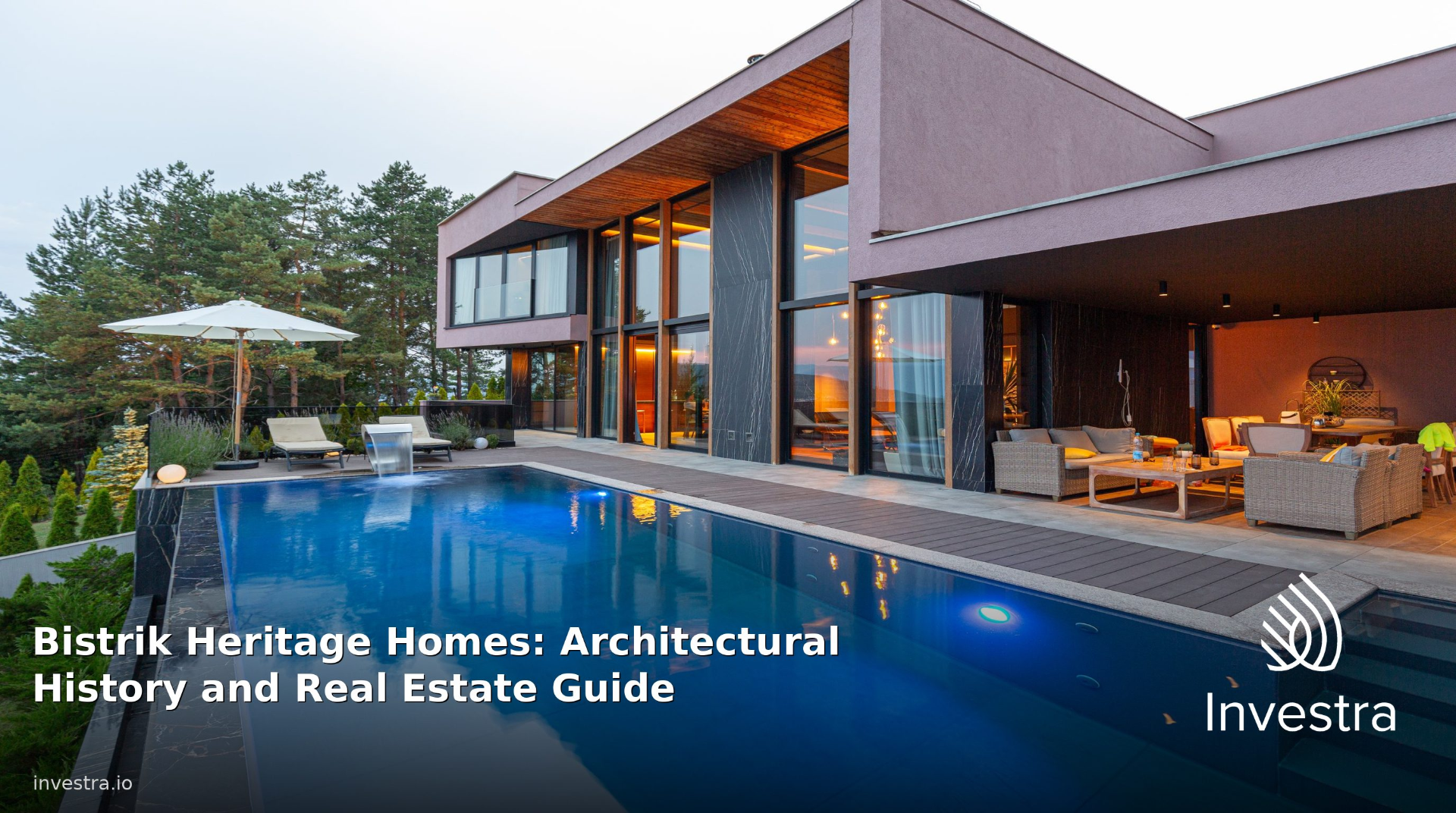
Bistrik Heritage Homes: Architectural History and Real Estate Guide
Bistrik Heritage Homes: Architectural History and Real Estate Guide
Bistrik Heritage Homes Sarajevo: An Introduction
Quick Answer: Bistrik heritage homes Sarajevo are a cluster of preserved traditional houses in the Bistrik quarter that combine Ottoman and Austro-Hungarian influences; for current market context see Investra's Sarajevo resources. Sarajevo real estate market guide
Bistrik sits within the old town fabric of Sarajevo, where narrow streets and historic houses create a very specific property type: the heritage home. When people ask me about "bistrik heritage homes sarajevo" they usually mean two things at once — the architectural value and the real estate realities of buying and owning such a property. These homes are tangible layers of the city's past. They range from modest family houses to larger townhomes with carved wooden eaves, ornate façades and courtyards. In my experience the biggest draw is character: you won't find a swept-floor plan or bland finishes here.
But character alone doesn't make a good investment decision. Buyers need to understand legal status, permitted uses, and ongoing maintenance — all the practical bits that often scare newcomers. If you're exploring Bistrik, start with reliable resources that track market trends and legal processes. Investra's Sarajevo guides are a solid starting point: they compile listings trends, neighborhood analysis and buyer checklists. For comparative context — if you want to see how Sarajevo measures against other Bosnian cities — Investra also publishes guides for Mostar, Banja Luka and Tuzla, which can be helpful when assessing demand dynamics. Mostar real estate market guide, Banja Luka real estate market guide, and Tuzla real estate market guide are good comparisons.
Architectural Characteristics of Bistrik Heritage Homes
Quick Answer: Bistrik heritage homes Sarajevo typically combine Ottoman vernacular forms with Austro-Hungarian details — timber balconies, stone foundations and private courtyards are common; consult local heritage documentation and Investra neighborhood analyses for specifics. Sarajevo neighbourhood guide
What makes a Bistrik house recognisably Bistrik? Start with scale: most are low-rise, sitting close to the street with a human proportion that invites walking. Then look at materials and detailing. Many façades include plaster over stone or masonry bases, while wood plays a major role in eaves, windows and internal beams. Windows are often grouped and framed with decorative trim; shutters or carved balustrades are not unusual. In my experience, the interplay of indoor and outdoor space — small courtyards, inner gardens, or blind alleys — defines both the living experience and the maintenance needs.
You may notice an architectural tension: Ottoman spatial logic (privacy, inward-facing rooms, courtyards) layered with Austro-Hungarian formal touches (symmetry, stucco ornament, narrow vertical windows). Rooflines vary — pitched, often with clay tiles — and chimneys are both functional and decorative. The reality is these homes were built for a pre-automobile, pre-central-heating era; that shapes how utilities are retrofitted today. If you're planning renovations, check heritage documentation and municipal building codes before removing original elements. Investra's Sarajevo new-build and renovation guide provides practical steps for projects in the city: Sarajevo new-build guide.
Historical Context: Ottoman, Austro-Hungarian and Local Influences
Quick Answer: The architectural identity of Bistrik emerged from Ottoman urban patterns later overlaid with Austro-Hungarian planning and detailing; consult local archives and expert studies to verify historical authenticity of any property. Siniša Dagary investment insights
Understanding Bistrik means reading history in brick and timber. Ottoman-era Sarajevo favored organic street patterns and inward-facing houses that prioritized family privacy. When the Austro-Hungarian empire added infrastructure and formal civic projects, they brought new materials, urban grids and European decorative vocabulary. The result in Bistrik is a layered cityscape: vernacular mosque neighbourhoods, intimate courtyards, and façades with Central European accents.
What surprised many buyers is how much local craft traditions survived. Wood joinery techniques, lime-based plaster finishes, and stone masonry practices were handed down through generations. These are not just aesthetic traits; they determine how you can repair and adapt a house. The reality is that restoration often requires craftspeople familiar with old techniques rather than modern contractors who only work with concrete and gypsum. If you're seriously considering a heritage purchase, talk with local conservationists and consult municipal archives — they will confirm a building's provenance and legal protection status. For advisory connections and specialist advice, Siniša Dagary’s consultancy and services can be useful: Siniša Dagary profile and advisory services.
Typical Layouts, Materials and Construction Techniques
Quick Answer: Expect compact floorplates, load-bearing masonry, timber framing and traditional finishes; verify structural and material specifics with a chartered engineer and heritage specialist. Sarajevo new-build guide
When you step inside a Bistrik heritage home you often find rooms clustered around a central corridor or courtyard. Ground floors may have been commercial in the past; upper floors served as living quarters. Floors can be narrow and stairs steep by modern standards. Construction typically uses stone or brick load-bearing walls with wooden joists and rafters. Plaster finishes often cover older masonry, while timber beams and carved doors point to past prosperity.
From a practical viewpoint, these layouts influence utility upgrades, heating, insulation and accessibility. Modern heat pumps and underfloor heating can be retrofitted, but connections and routing must respect heritage fabric. I've seen owners combine modern mechanical systems with reversible interventions so original timber and masonry remain intact. Before buying, commission a structural survey that specifically considers timber rot, foundation settlement and historical repair interventions. Also contact municipal heritage departments for lists of approved materials and techniques; they often require specific lime mortars or handmade tiles for repairs.
Conservation Rules, Heritage Protection and Permits
Quick Answer: Bistrik buildings may be under local heritage protection, which affects permissible works and requires permits; buyers must verify a building's protection status with Sarajevo cantonal authorities and consult specialists. Findes Group & Partners advisory team
Heritage protection is a double-edged sword. It preserves character and can raise a property's cultural cachet. But it also limits what you can alter. In Sarajevo, heritage protection is administered through municipal and cantonal authorities; they maintain registries of protected structures and define conservation zones. The reality is that permitted works range from routine maintenance to carefully controlled restorations, and each requires different levels of authorization.
If you plan structural changes, façade work, or window replacement, expect to present detailed drawings and proofs that proposed interventions are reversible or sympathetic to the original fabric. In my experience, the fastest route to clarity is to request a written statement from the local heritage department about restrictions on a specific property. Also involve an architect or conservator with local experience — and use advisory firms for legal and procedural support. Findes Group & Partners can connect you with legal and technical teams: Findes Group & Partners.
Buying Process for Heritage Property in Bistrik
Quick Answer: The purchase process follows Bosnian property law and local registry procedures; foreign buyers should verify ownership and restrictions through the land registry, enlist legal help, and review Investra’s step-by-step buyer guides. Buying property in Sarajevo
Buying a heritage home in Bistrik is not radically different from buying any property in Bosnia and Herzegovina, but it has extra stages. First, title checks are critical. Ownership can be complex in older quarters where records were disrupted by conflict or administrative change. Second, confirm whether the property sits in a protected zone. Third, assess encumbrances: mortgages, unresolved inheritance claims, or municipal claims for unpaid fees.
I've worked with buyers who assumed a title was clean until a cursory search uncovered an old inheritance file. Learn from that: hire a lawyer to run a full land registry search and request certified copies of all relevant records. If you're a foreign buyer, confirm whether your intended purchase requires special permissions — your lawyer will advise. For granular, practical steps on purchasing in Sarajevo, Investra's guide walks through due diligence, contracts and closing procedures: Buying property in Sarajevo.
Ownership, Registration and Taxes for Heritage Homes
Quick Answer: Ownership is registered at the cadastre and tax obligations follow Bosnian rules; verify current tax rates and registration steps with a local notary, the land registry, and Investra resources. Buying property in Banja Luka
Titles are recorded in the land cadastre and property registers. The transfer of ownership must be formalised at a notary's office; the registration then updates the cadastre and tax authorities. Taxes and fees apply at various stages — transfer taxes, notary fees, and municipal charges — but these vary with the property's legal status and the local jurisdiction. Don't expect uniformity across Bosnia and Herzegovina; cantonal and entity rules differ.
The smart approach is to ask your notary or lawyer for a clear breakdown of expected fees and the timeline for registration. If there are heritage protections attached to the property, ask whether those protections carry specific municipal levies or long-term obligations for maintenance. For authoritative procedural notes and regional differences, check Investra's city guides such as the Banja Luka and Tuzla buyer guides: Buying property in Banja Luka and Buying property in Tuzla. When in doubt, work with Findes or local legal advisors to ensure compliance: Findes Group & Partners advisory team.
Renovation and Restoration: Practical Steps and Pitfalls
Quick Answer: Restorations require specialist skills, permitted materials and often conservation approval; engage a conservation architect and seek quotes from craftspeople experienced with traditional techniques. Mostar new-build guide
Renovating a Bistrik house is rewarding but technical. You must balance modern living standards with preservation of original elements. Start with a measured survey: structural engineer, timber specialist, and conservation architect. In my experience, surprises — concealed damp, undocumented past repairs, or ephemeral electrical systems — are common. Budget contingencies are essential because you may need to replace or reinforce timber, rebuild chimneys, or stabilise foundations.
Materials matter. Local authorities often insist on breathable wall systems and traditional mortars. That means the cheapest modern materials can be the wrong ones. We’ve seen well-intentioned interventions cause long-term damage by trapping moisture behind impermeable finishes. If your plan includes rental or sale after renovation, be mindful that potential buyers often value original features kept intact. For project management advice and market-oriented renovation tips, check Investra’s renovation guides in Sarajevo and Mostar: Sarajevo new-build guide and Mostar new-build guide. For a consultancy that connects buyers to local technical experts, Siniša Dagary offers tailored services: investment consultation.
Rental Market and Short-Term Lets in Bistrik
Quick Answer: Bistrik's location makes it attractive for tourism and cultural stays, but short-term lets require compliance with local regulations and careful market verification — consult Investra rental guides for Sarajevo and Mostar. Sarajevo rental market guide
What should you check? First, whether the property’s zoning and heritage status allow commercial use or tourist accommodation. Second, whether building safety standards — fire escapes, emergency lighting — can be met without heavy structural alterations that heritage rules disallow. We’ve seen properties that looked ideal for holiday lets fall short of safety requirements. For practical rental operating advice and up-to-date market signals, consult Investra’s Sarajevo and Mostar rental guides: Sarajevo rental market guide and Mostar rental market guide. Local property managers and Findes advisory teams can provide operational planning and compliance checks: Findes Group & Partners advisory team.
Valuation, Due Diligence and Price Verification Methods
Quick Answer: Valuation of Bistrik heritage homes depends on condition, legal status and market demand; verify pricing through multiple appraisals, recent transaction records and Investra market analyses. Sarajevo real estate market guide
How do you verify a claimed price? Ask for recent sale records for comparable properties; request certified title extracts; and commission a formal valuation from an accredited appraiser who understands heritage buildings. If you need a benchmark, check Investra’s market reports and neighbourhood guides for Sarajevo, Banja Luka and Tuzla to understand broader city-level trends: Banja Luka real estate market guide and Tuzla real estate market guide. If the property is marketed as an investment, assess local demand, seasonality and operating costs before committing.
Neighbourhood Life: Amenities, Transport and Local Trends
Quick Answer: Bistrik is integrated into Sarajevo's historic core and offers proximity to cultural sites, local markets and public transport; review Investra neighbourhood profiles and visit at different times to gauge living conditions. Sarajevo neighbourhood guide
Trends in Sarajevo affect Bistrik. Younger residents often favour authentic quarters with cafes and cultural programming, while families look for practical amenities like schools and parks. We’ve seen a modest influx of professionals and creative entrepreneurs into old-town districts because the neighbourhoods offer lifestyle value you can't replicate in new developments. For an in-depth neighbourhood comparison use Investra’s Sarajevo and neighbourhood guides: Sarajevo neighbourhood guide and if you're curious about how similar neighbourhood dynamics work in Mostar or Banja Luka, consult their guides too: Mostar neighbourhood guide and Banja Luka neighbourhood guide.
Working with Local Advisors: Legal, Architectural and Financial Support
Quick Answer: Successful heritage home purchases rely on a team: lawyer, notary, conservation architect and reliable contractors; use trusted advisors like Siniša Dagary and Findes for referrals and cross-border coordination. Siniša Dagary • Findes Group & Partners
If you've read this far you understand the number of moving parts involved. My practical advice: assemble a shortlist of specialists before you bid. A lawyer will check title and advise on entity structures if needed. A notary finalises registration. A conservation architect will evaluate what can be changed and propose sympathetic interventions. An accountant can explain tax reporting for rental income or capital gains. We often refer buyers to advisory services that bridge technical and legal needs — Siniša Dagary offers investment consultations and tailored strategy work: investment consultation and advisory services.
Coordination matters. Good advisors will also help you find qualified craftspeople and local contractors who understand traditional materials. If you need project financing, consult local banks or specialist lenders — and ask advisors to vet lending terms. For high-level cross-border and advisory coordination, Findes Group & Partners provides access to legal, tax and technical teams: Findes Group & Partners advisory team.
Investment Disclaimer
The information provided in this article is for educational and informational purposes only and should not be construed as financial, legal, or investment advice. Real estate investments carry inherent risks, and past performance does not guarantee future results. Investors should not invest money they cannot afford to lose. Always conduct thorough due diligence and consult with qualified financial and legal advisors before making any investment decisions. Investra.io does not guarantee returns on any investment.
Frequently Asked Questions
What are the defining features of bistrik heritage homes sarajevo?
Bistrik heritage homes Sarajevo are defined by mixed Ottoman and Austro-Hungarian features: compact courtyard-oriented layouts, masonry load-bearing walls, timber beams, decorative woodwork and restrained stucco details. Interior plans often reflect historic domestic customs — compact living rooms, narrow staircases and small courtyards — and original materials such as lime plaster and clay tiles are common. To confirm a property's specific features, hire a conservation architect for a full fabric survey and request archival records from municipal heritage departments.
Can foreigners buy heritage homes in Bistrik and what should they check first?
Foreigners can buy property in Bosnia and Herzegovina, but there may be procedural differences across entities and municipalities. First priorities are verifying title at the land registry, checking for encumbrances, and confirming any heritage protections or zoning restrictions that could limit use. A local lawyer should run a certified title search, confirm whether purchase requires permissions, and explain registration steps. For step-by-step buyer guidance, Investra’s Sarajevo buying guide is a practical resource: Buying property in Sarajevo.
How can I verify current market prices for Bistrik properties?
Because historic properties are unique, verify prices using multiple methods: obtain recent comparable sale records from the cadastre, commission an independent valuation, and consult market reports such as Investra's Sarajevo real estate market guide. Ask the seller for documentation of previous transactions and check municipal registries for official sale records. For additional comparatives across cities, review Investra guides for Mostar and Banja Luka to understand regional dynamics: Mostar real estate market guide and Banja Luka real estate market guide.
What permits are usually required for restoration work on a heritage home?
Permits depend on a property's protection status. Minor maintenance often needs simple notification, while structural changes, façade work or material replacement usually require formal conservation approval and building permits. A conservation architect can prepare the necessary drawings and justification. Always consult the local municipal heritage office early in the process to understand submission requirements and timelines. If you need help sourcing specialists, advisory services like Siniša Dagary can assist with project coordination: advisory services.
Are there tax implications for renting out a heritage home in Sarajevo?
Yes. Rental income is subject to Bosnian tax rules, and you must register rental activity with tax authorities and report income properly. Specific taxes, allowances and reporting deadlines can change, so verify current obligations with a local tax advisor or accountant. For operational planning related to short-term lets, review Investra’s rental guides for Sarajevo and consult municipal regulations regarding tourist accommodation. If necessary, Findes can connect you with tax advisors: Findes Group & Partners advisory team.
How do heritage protections affect resale potential?
Protections can both enhance and restrict resale potential. Some buyers prize authenticity and conservation status — that can support demand among niche markets. Others prefer less restricted properties for more freedom to modernise. The key is transparency: sellers should present permitted uses, previous permits and any outstanding conservation obligations. Buyers should weigh whether they want a lifestyle purchase or an investment requiring operational flexibility. For market positioning insights, Investra’s neighbourhood and market reports are helpful: Sarajevo neighbourhood guide.
What common structural problems should I watch for in Bistrik homes?
Look for timber rot, moisture-related damage in masonry, settlement cracks and outdated electrical systems. Older roofs and chimneys often need repair. A thorough structural survey — including invasive checks where necessary — will identify hidden defects. A qualified conservation architect and structural engineer can recommend compatible repair methods that respect heritage fabric. If you're planning extensive work, get multiple contractor quotes and confirm that craftsmen have experience with traditional materials.
How long does the registration and transfer process usually take?
Timelines vary with the complexity of a title, whether any encumbrances exist, and municipal processing speeds. A straightforward notary-based transfer can be relatively quick, but unresolved inheritance issues or contested titles can add months. Your lawyer and notary should provide an estimated timeline based on a full title search. If speed matters, prioritise clear-title properties and work with advisers who have experience handling local registries.
Who can help me manage a renovated heritage property as a rental?
Property management requires local knowledge: licensing rules, guest registration, maintenance and marketing. Look for managers with a proven track record in old-town properties who understand the limitations of heritage buildings. Investra’s rental guides suggest practical operating checks and tenant screening practices. For advisory introductions and operational advice, Siniša Dagary and Findes have networks that can help you source management firms and legal support: Siniša Dagary and Findes Group & Partners.
What documents should I request from the seller before making an offer?
Ask for certified title extracts from the cadastre, copies of any previous sale contracts, records of municipal permits, documentation of past renovations, and any conservation correspondence. Also request utility records and recent tax statements. If the seller claims a protected status or special heritage designation, obtain official confirmation from municipal heritage offices. Your lawyer will want certified originals or notarised copies for the purchase contract.
Recommended Reading
- Sarajevo real estate market guide
- Buying property in Sarajevo
- Sarajevo rental market guide
- Sarajevo neighbourhood guide
- Sarajevo new-build guide
- Mostar real estate market guide
- Siniša Dagary — Investment Consultant
- Business Strategy Blog
Connect With Investra
Follow Investra on social media for updates, market reports and new listings: Facebook: facebook.com/investra.io • LinkedIn: linkedin.com/company/investra-io • YouTube: youtube.com/@investraio
Additional Investra and regional links embedded throughout the article The following Investra links were referenced in-text for wider market context: Siniša Dagary links embedded earlier; duplicates consolidated here for completenessConnect With Investra
Quick Answer: Follow Investra for verified market context and practical property research.
Related Posts
No related posts available.
